Le roman de Brian O'Doherty – l'auteur du livre fondateur
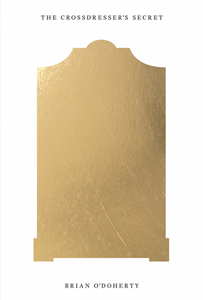
Inside the White Cube –, écrit du point de vue du chevalier d'Éon (1728-1810), auteur, diplomate et espion français célèbre pour son habillement qui le faisait passer pour une femme, révèle la modernité radicale de l'une des figures les plus intrigantes du XVIIIe siècle en examinant, au plus près des faits historiques, les déterminants sociaux de l'identité sexuelle.
The eighteenth century was an era of violent contrasts and radical change, intellectual brilliance and war, spies and diplomatic intrigue, elegance and cruelty. One of the century's most mysterious figures was the Chevalier d'Eon, who lived as both man and woman, French spy and European celebrity. Written from the perspective of this historical figure, the novel by Brian O'Doherty—artist and author of, among others, the critical milestone Inside the White Cube and the Booker Prize-shortlisted The Deposition of Father McGreevy—reveals d'Eon's radical modernity, certified by his attitudes to gender and his examination of his own nature. He ponders the social determinants of sexual identity and studies the manners and conventions governing discourse between the sexes. At the same time, as diplomat and spy, he is involved in the power politics of nations. The novel holds close to historical facts and reproduces some of d'Eon's comments as recorded in his voluminous journals. Apparently his life did not become real to him until he had rehearsed it in writing.
Artiste conceptuel, critique d'art et historien, Brian O'Doherty (1928-2022) a longtemps été responsable du National Endowment for the Arts. Il est célèbre pour son analyse critique du régime autonome de l'art hérité de la tradition moderniste.