The
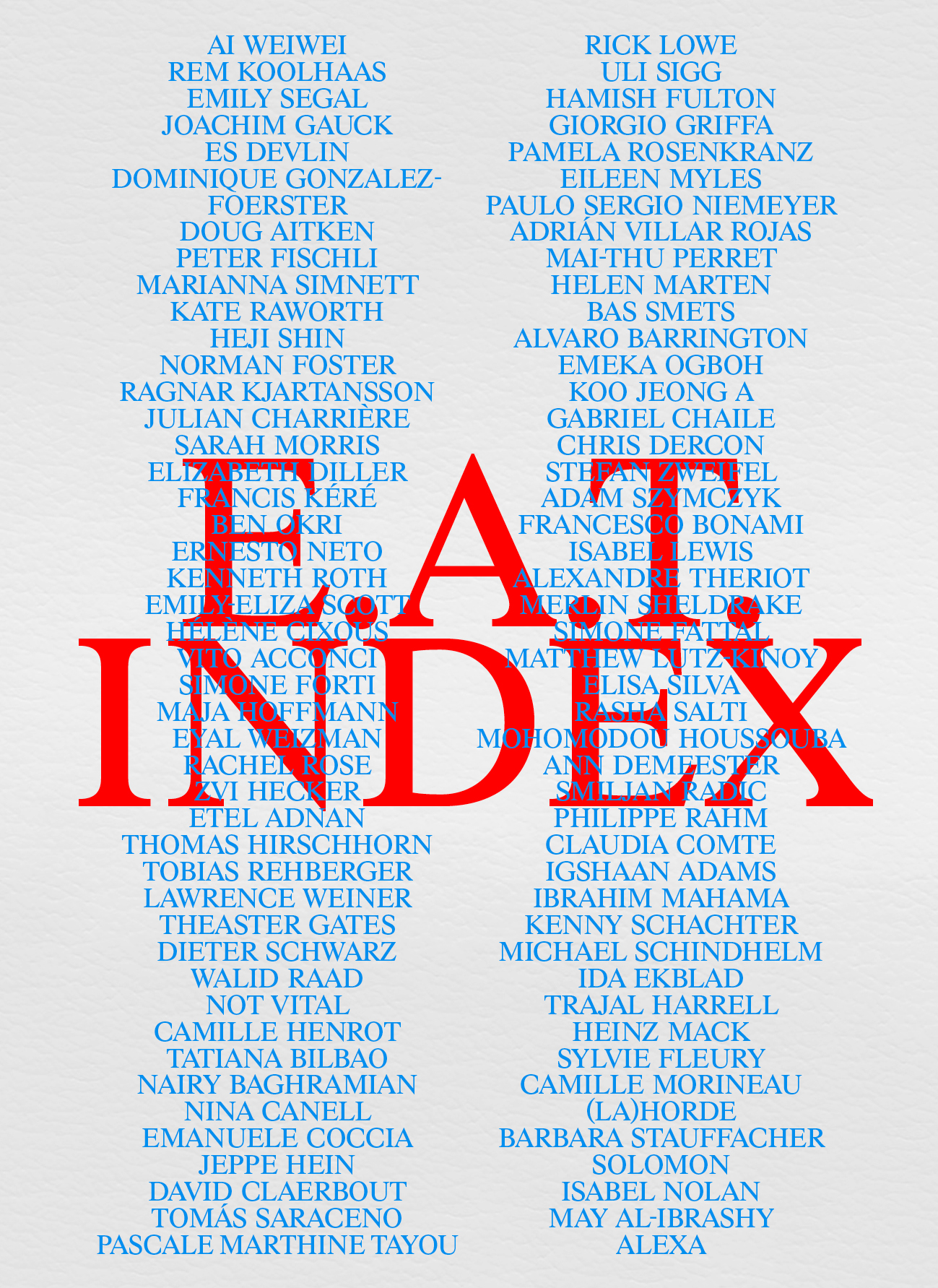
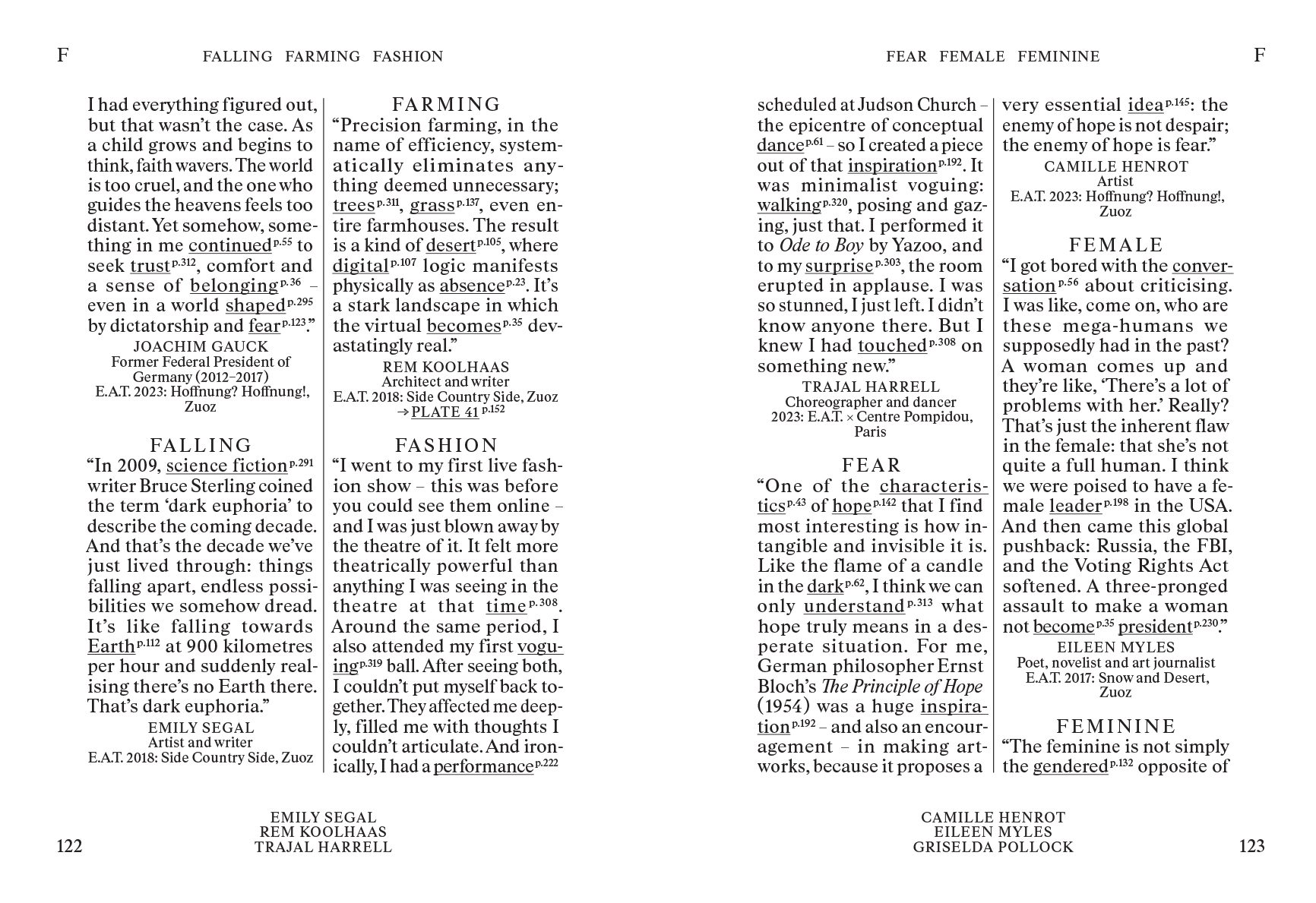
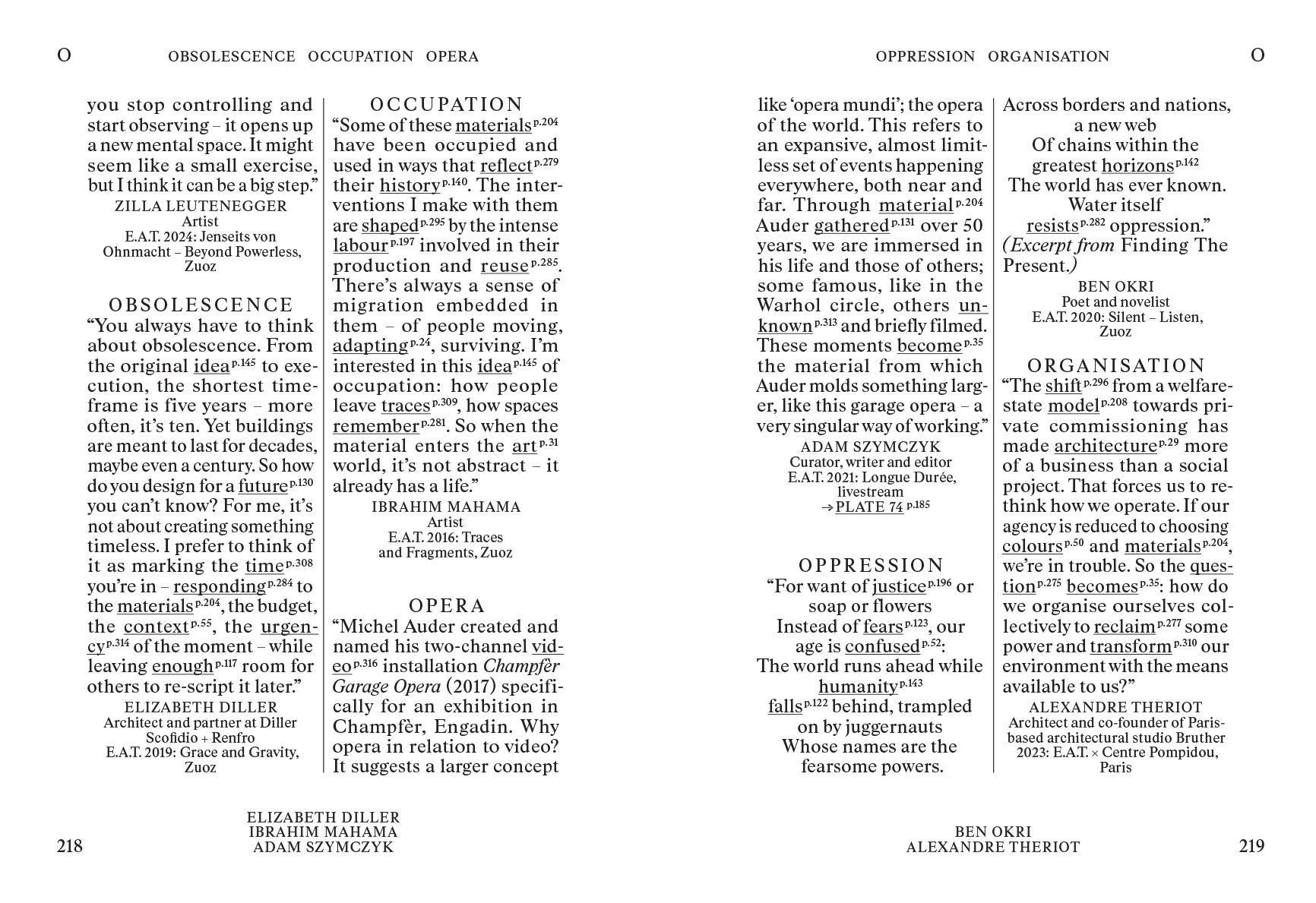
E.A.T. Index is an alphabetically structured, cross-referenced collection of several hundred mostly unpublished statements by internationally recognized artists, architects, scientists, and writers, including voices such as
Vito Acconci, Elizabeth Diller,
Hamish Fulton,
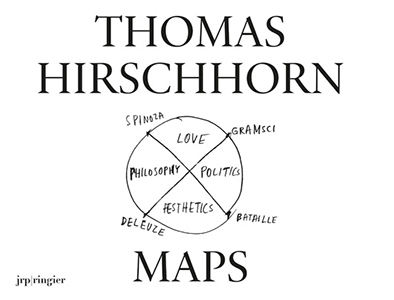
Thomas Hirschhorn, Emily Segal, Rasha Salti, and
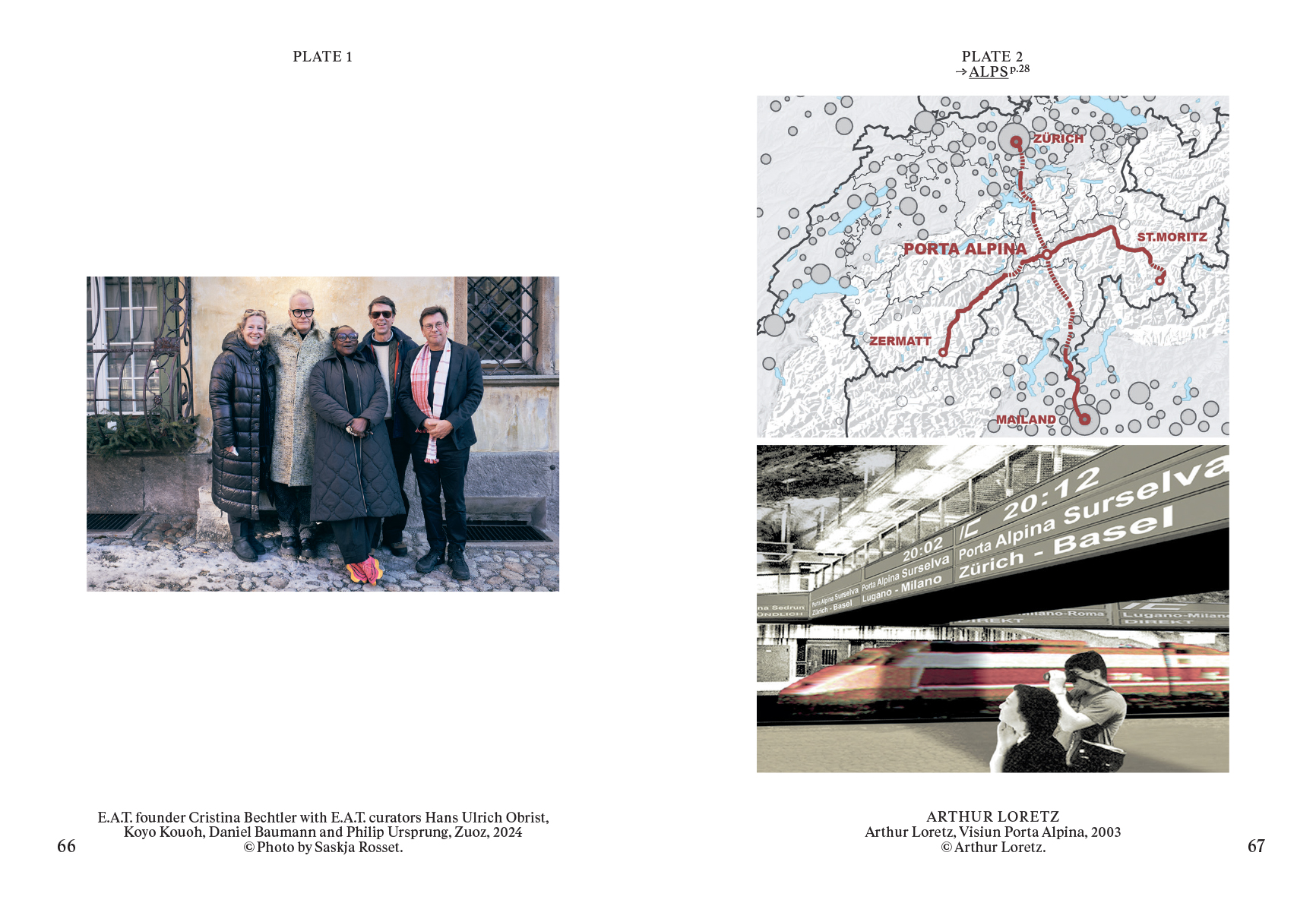
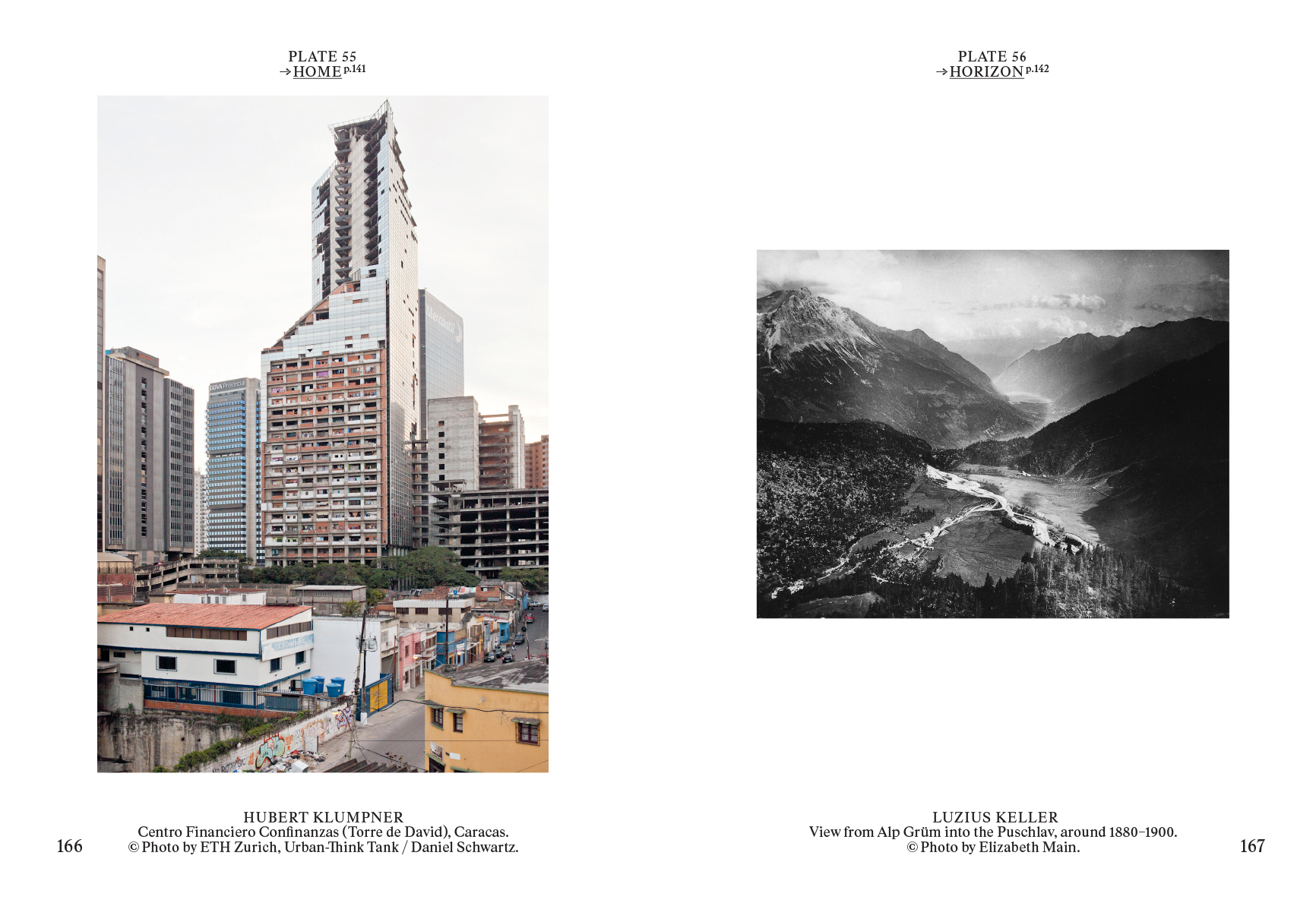
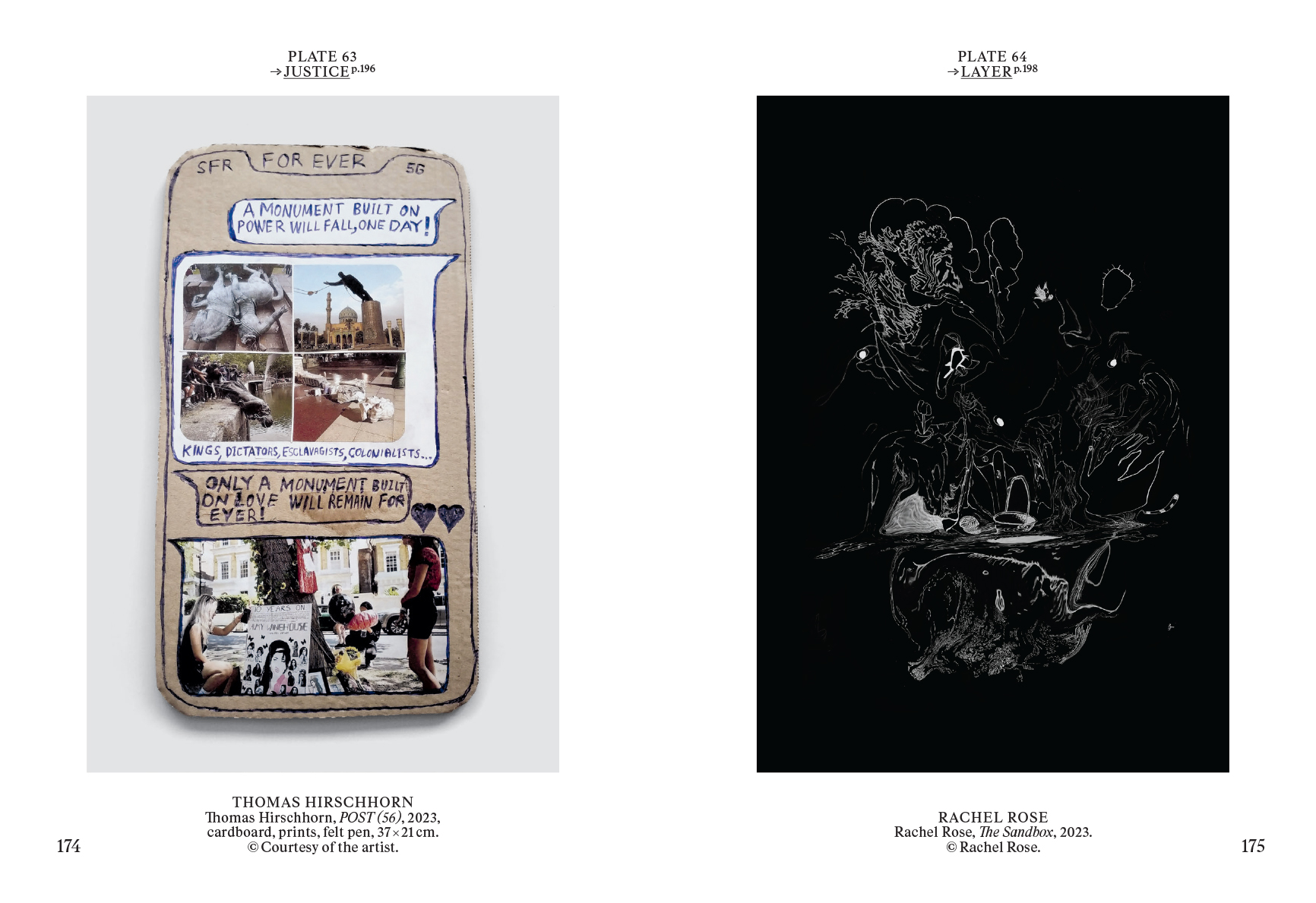
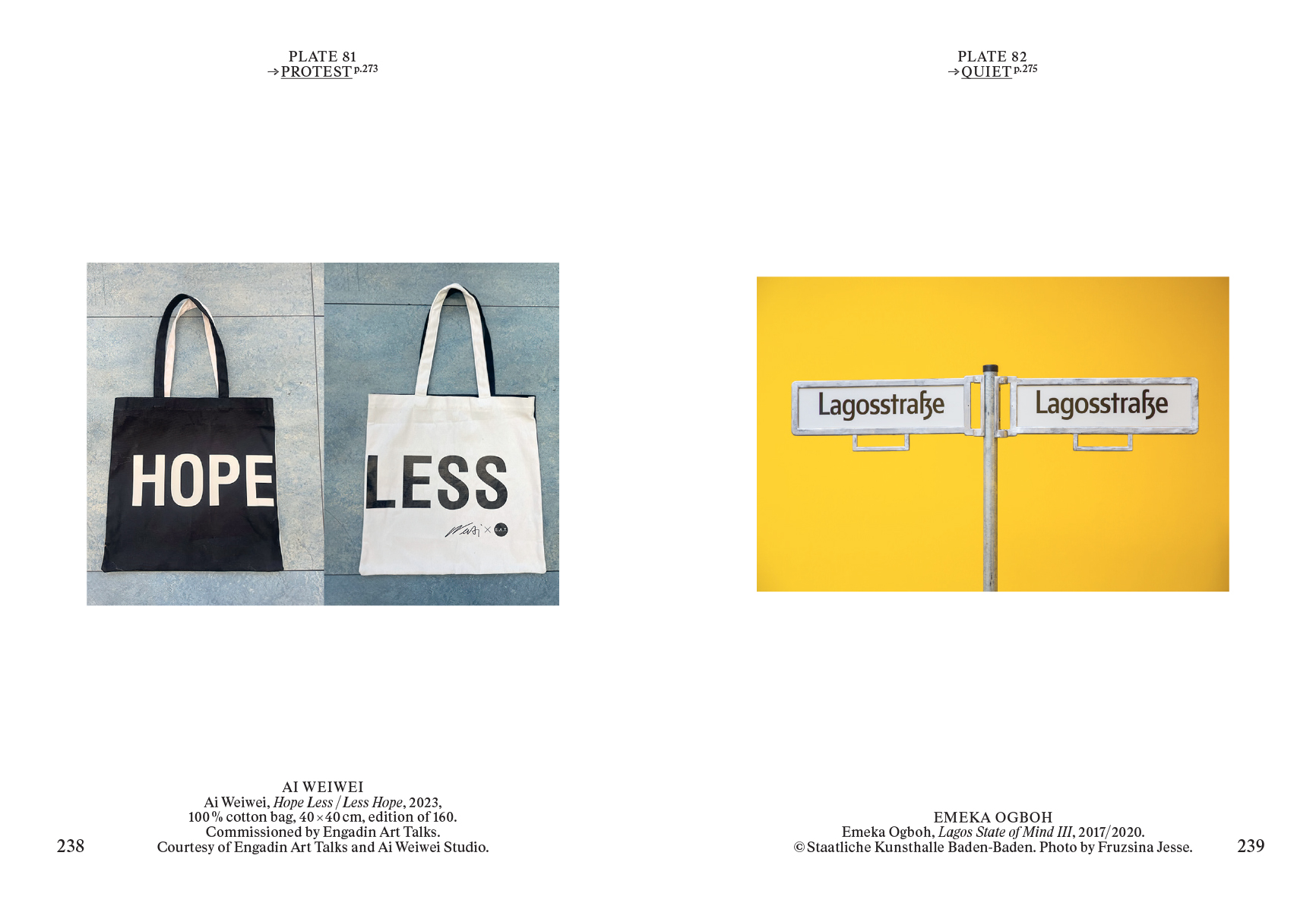
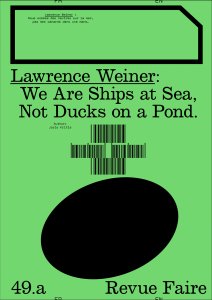
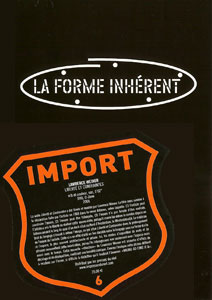
Lawrence Weiner. The volume is complemented by 115 images that accompany selected quotations.
Engadin Art Talks (E.A.T.) was founded in 2010 by Cristina Bechtler in collaboration with
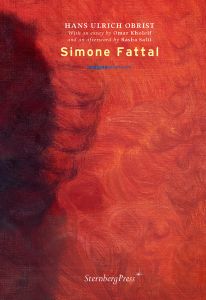
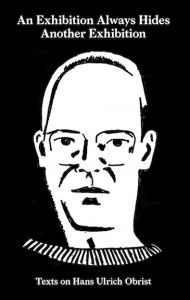
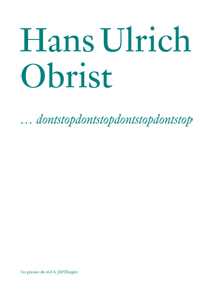
Hans Ulrich Obrist, and has since convened voices across disciplines in an ongoing programme of conversations and encounters. These exchanges have taken place both in the Engadin and internationally, including cities such as London and Paris. The
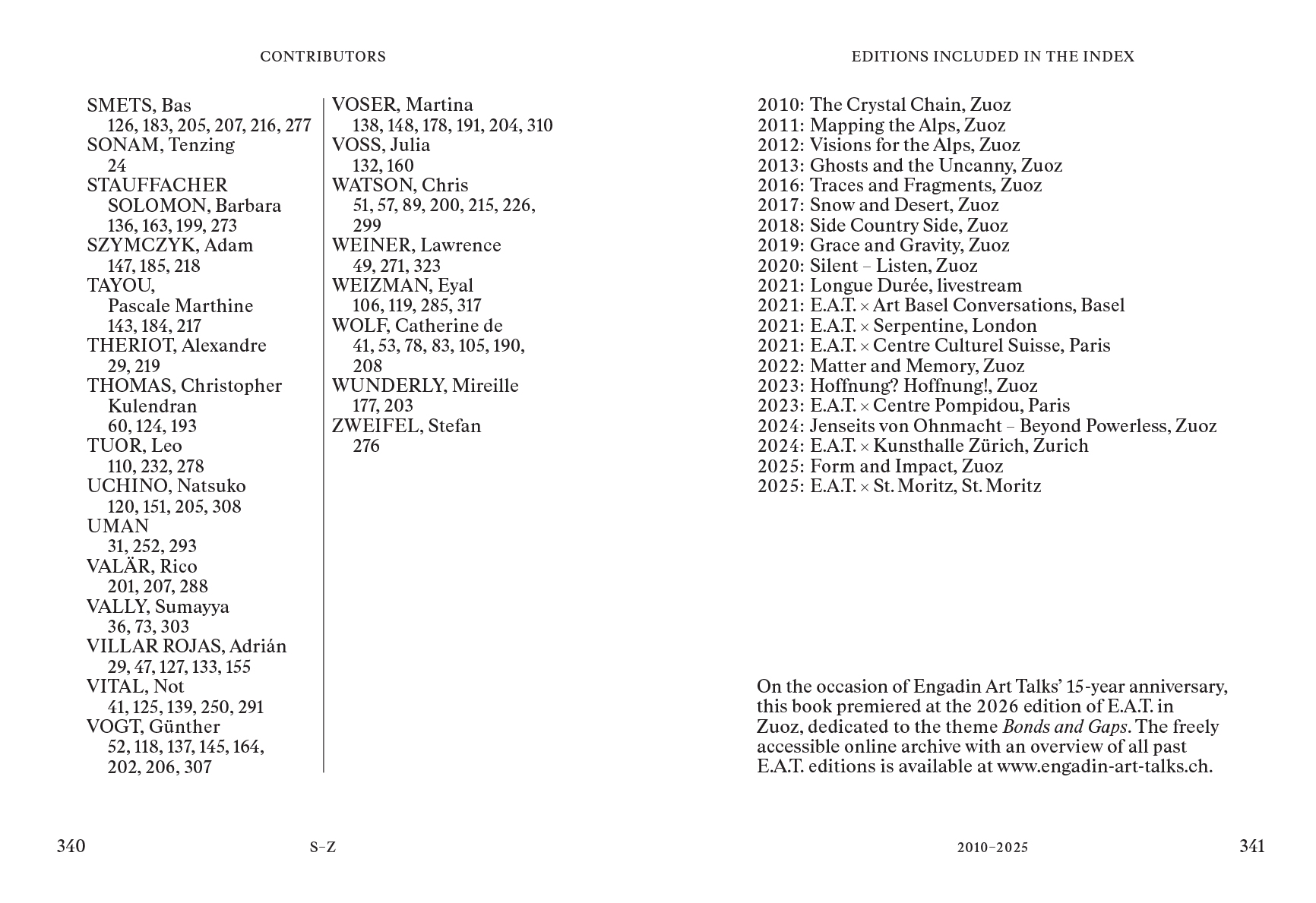
E.A.T. Index draws on fifteen years of these conversations, gathering this organically grown archive from 2010 to 2025 and, for the first time, making it accessible in printed form.
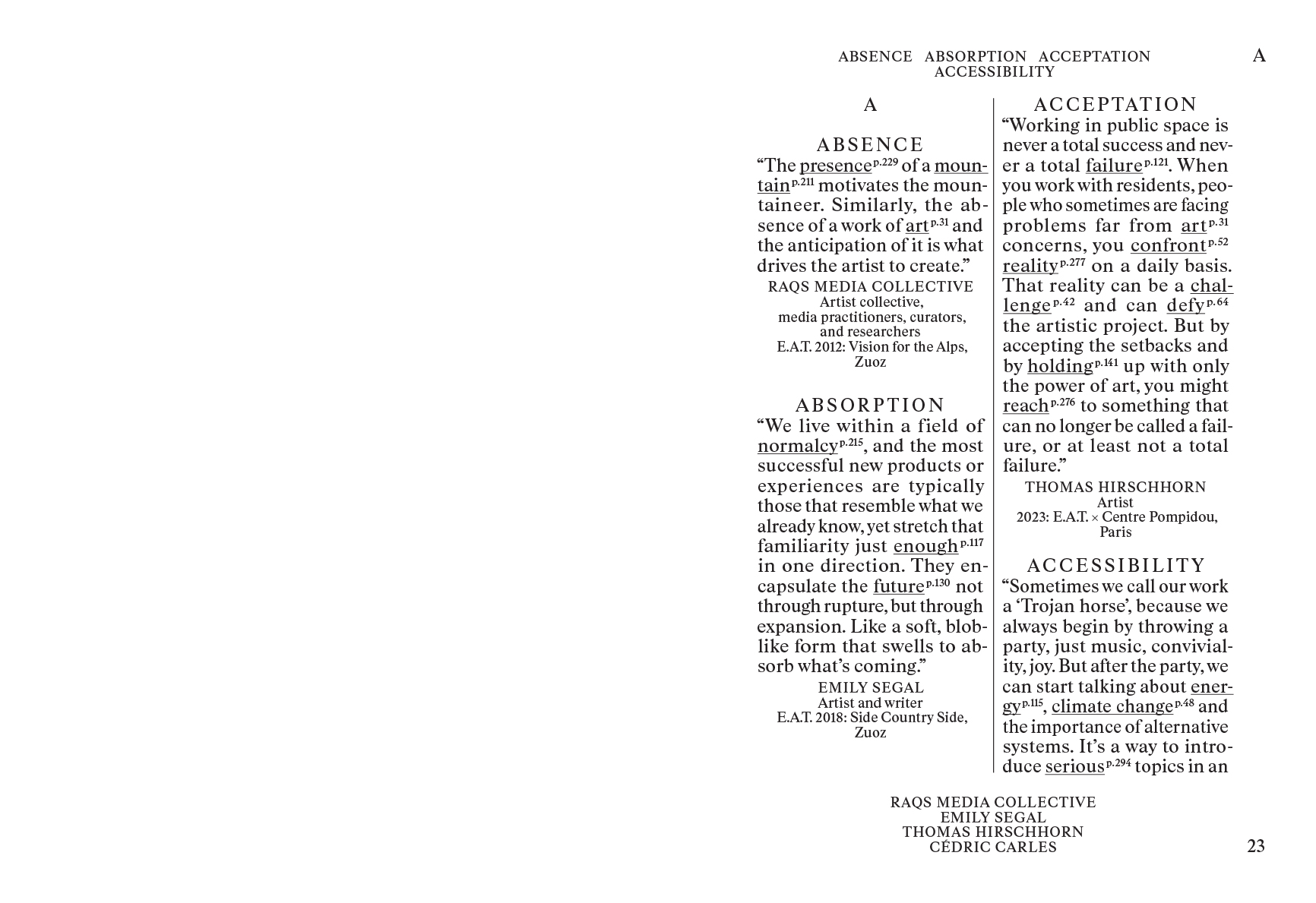
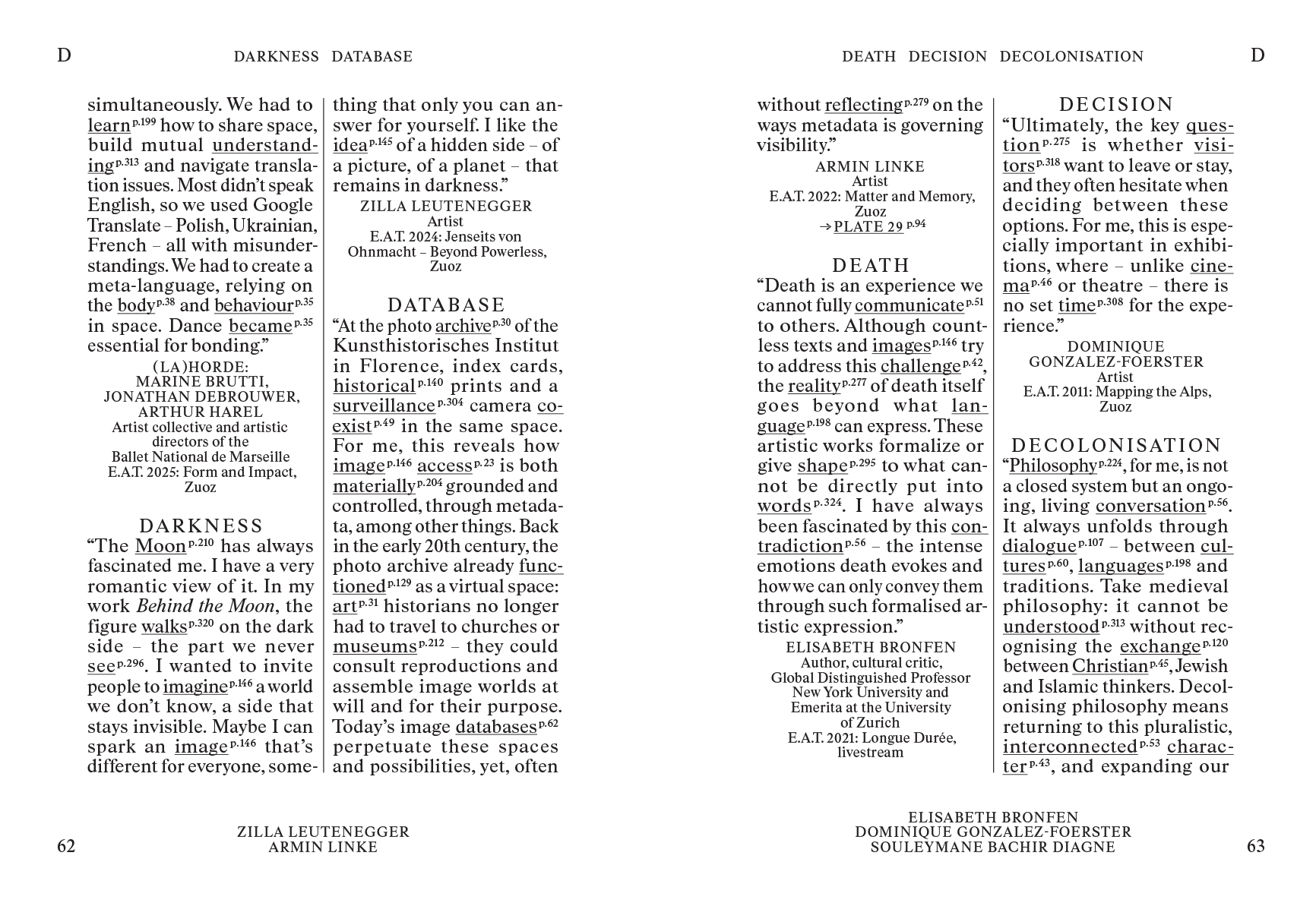
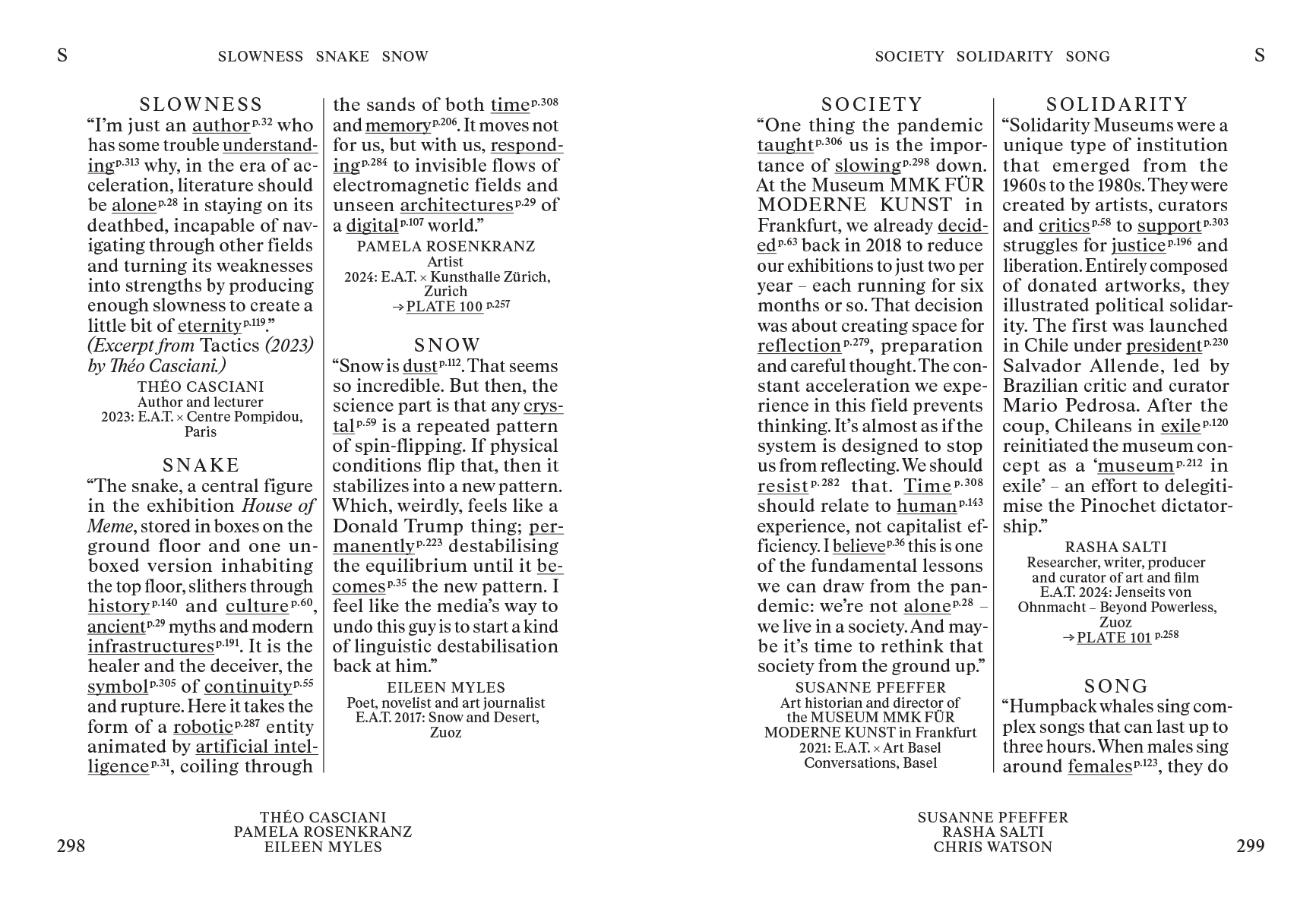
Each contribution is linked to a specific keyword. These keywords are underlined and cross-referenced throughout the volume, encouraging readers to move from one term to another. Following a single word often leads directly into a different voice or discipline. Rather than being guided by chapters or chronology, the reader navigates the book through association to explore new perspectives by making unexpected connections. Index entries such as "Snake," "Snow," "Society," and "Solidarity" appear next to each other solely due to their alphabetical order. At first glance this ordering may seem arbitrary, but it is precisely this alphabetical proximity that allows new relationships to emerge. Instead of following a fixed timeline or a single narrative, reading becomes an active process of linking, flipping back and forth, and allowing ideas to unfold through proximity rather than hierarchy. The book functions both as a point of entry and as a guide: it leads readers back to the complete contributions available in the Engadin Art Talks online archive, while at the same time generating new insights through the way widely separated themes and voices are brought together.
Conceived by Christian Herren, editorially developed with Daan Couzijn, and designed by Salzmann Gertsch, the volume is intentionally small in format. Thanks to its high-quality thread stitching, it is a book meant to be handled, carried, and returned to over time. The
E.A.T. Index is not a publication to be read once from beginning to end, but a tool for continual rediscovery: a companion for uncovering new intellectual connections and for thinking across disciplines along with figures such as
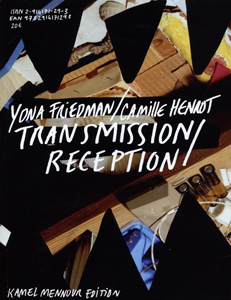
Camille Henrot,
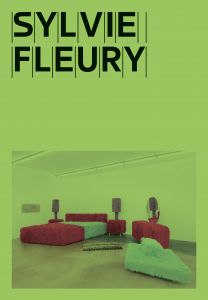
Sylvie Fleury, Theaster Gates,
Trajal Harrell, (La)Horde, Francis Kéré, Kate Raworth, and
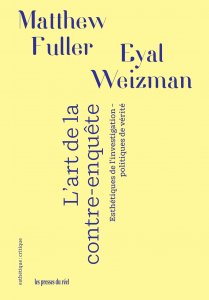
Eyal Weizman, among many others.