Stephen Felton's first major monograph traces a decade of painting between spontaneity and reflection.
Following Felton's recent exhibition Bugaboo Voodoo, Inside Outside Upside Down portrays the artist's extensive body of paintings as a single, sustained practice built on tension—between control and accident, gesture and restraint, meaning and its collapse.
This volume includes essays by Los Angeles-based writer Andrew Berardini and Paul Bernard, Director of Kunsthaus Biel / Centre d'art Bienne (KBCB), along with an introduction by Paul-Aymar Mourgue d'Algue. Together, these texts trace Felton's rare capacity to hold spontaneity and structure in the same breath, reading his canvases as sites of ongoing negotiation rather than resolved statements.
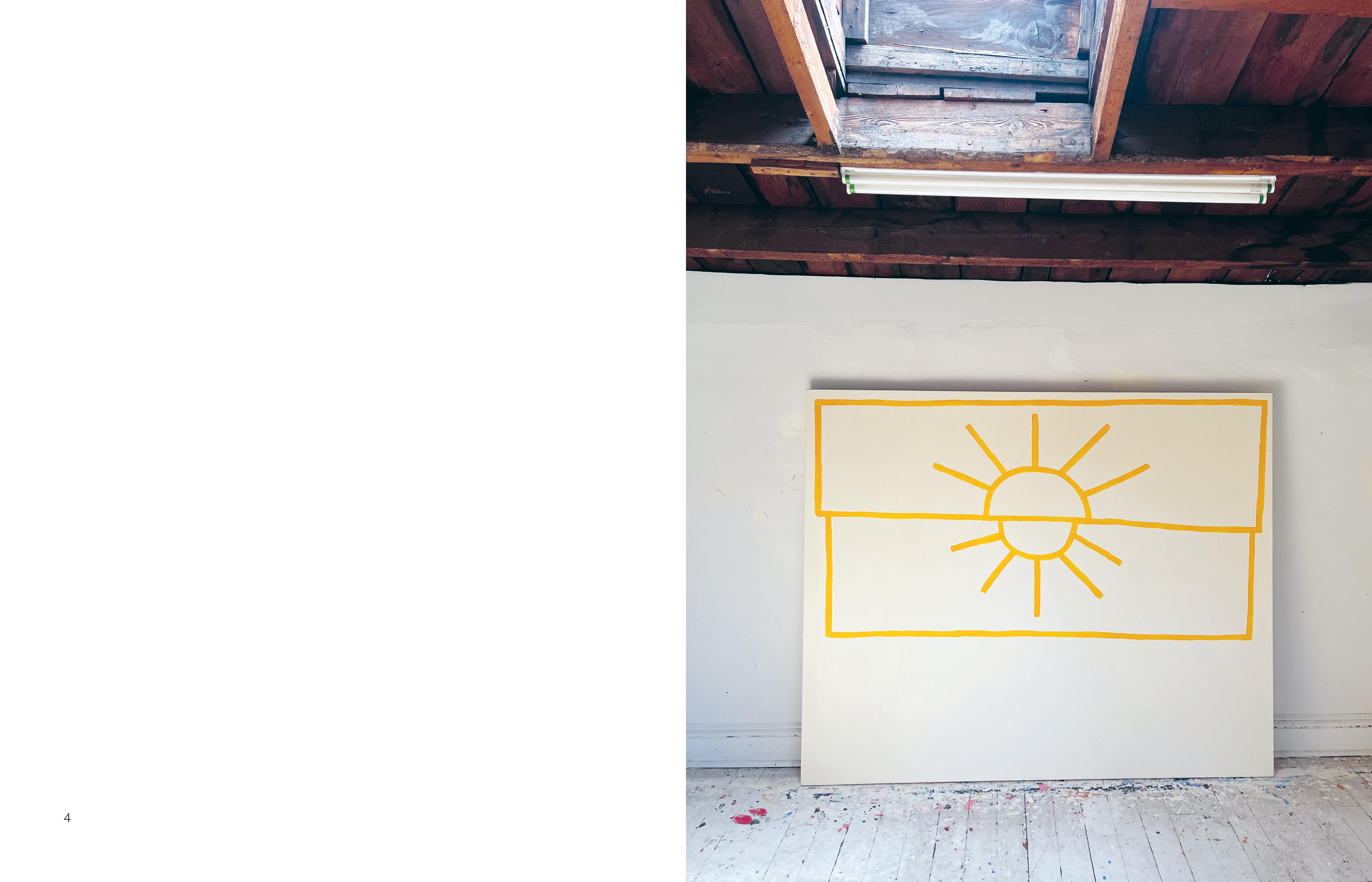
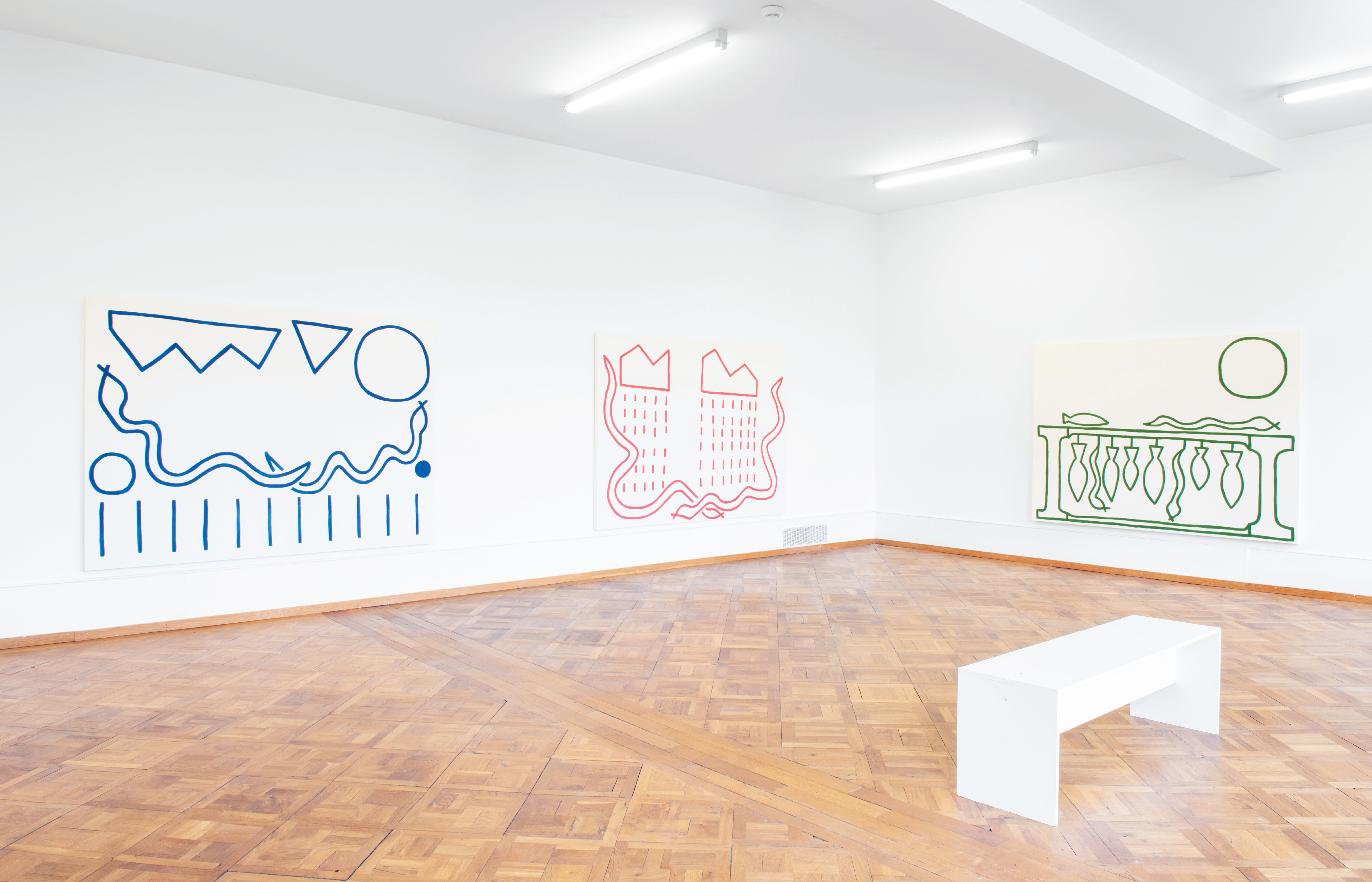
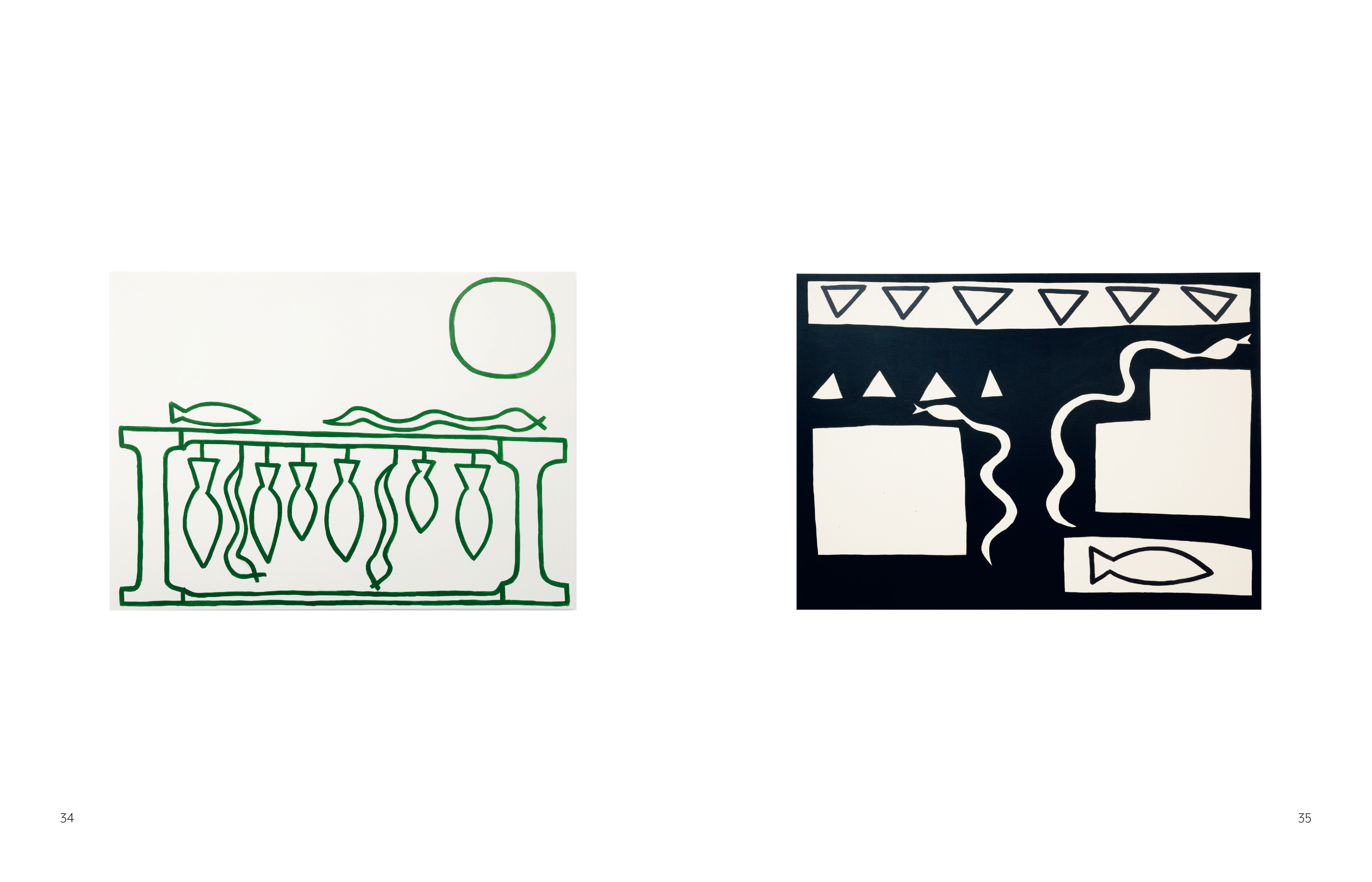
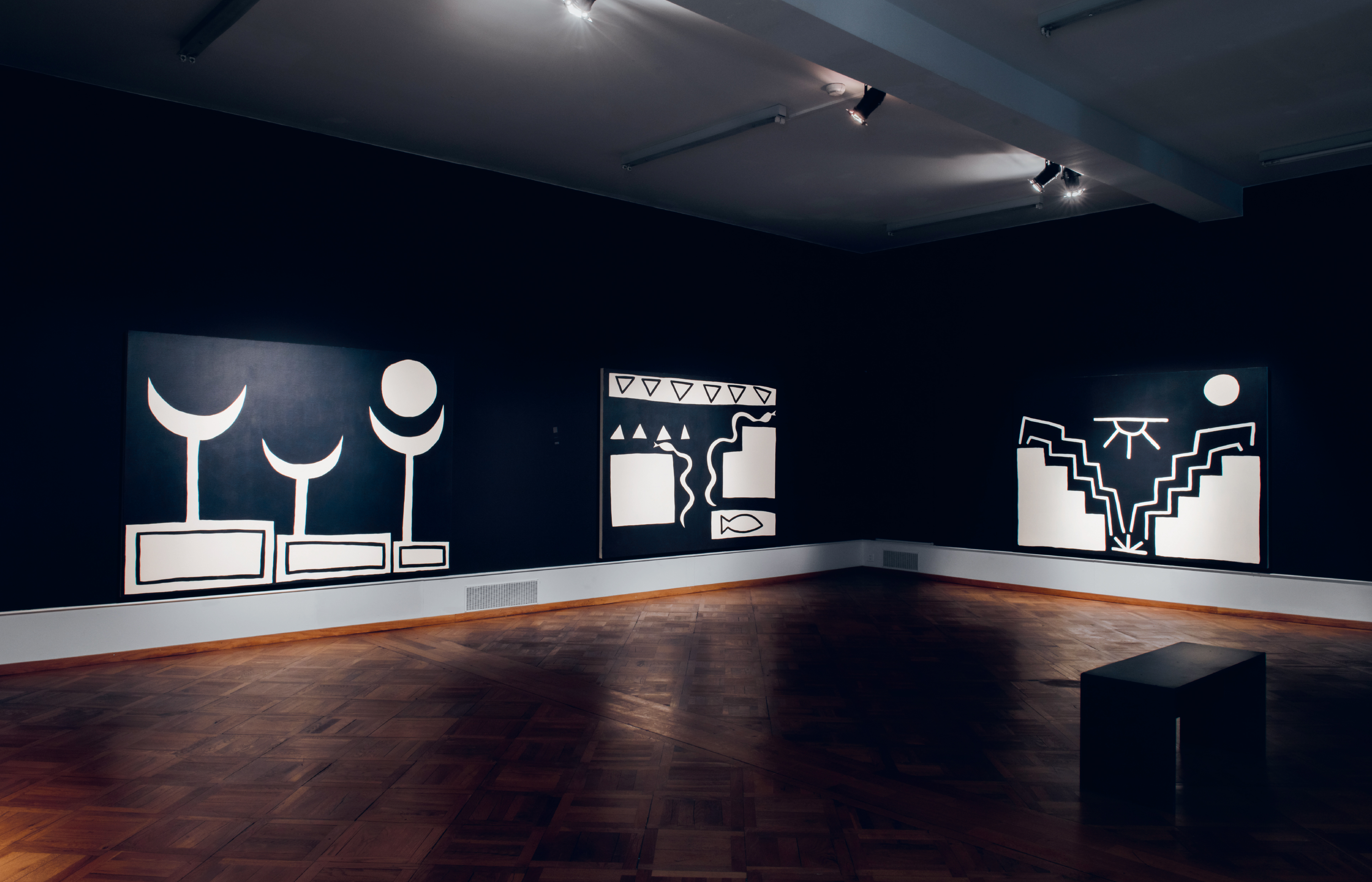
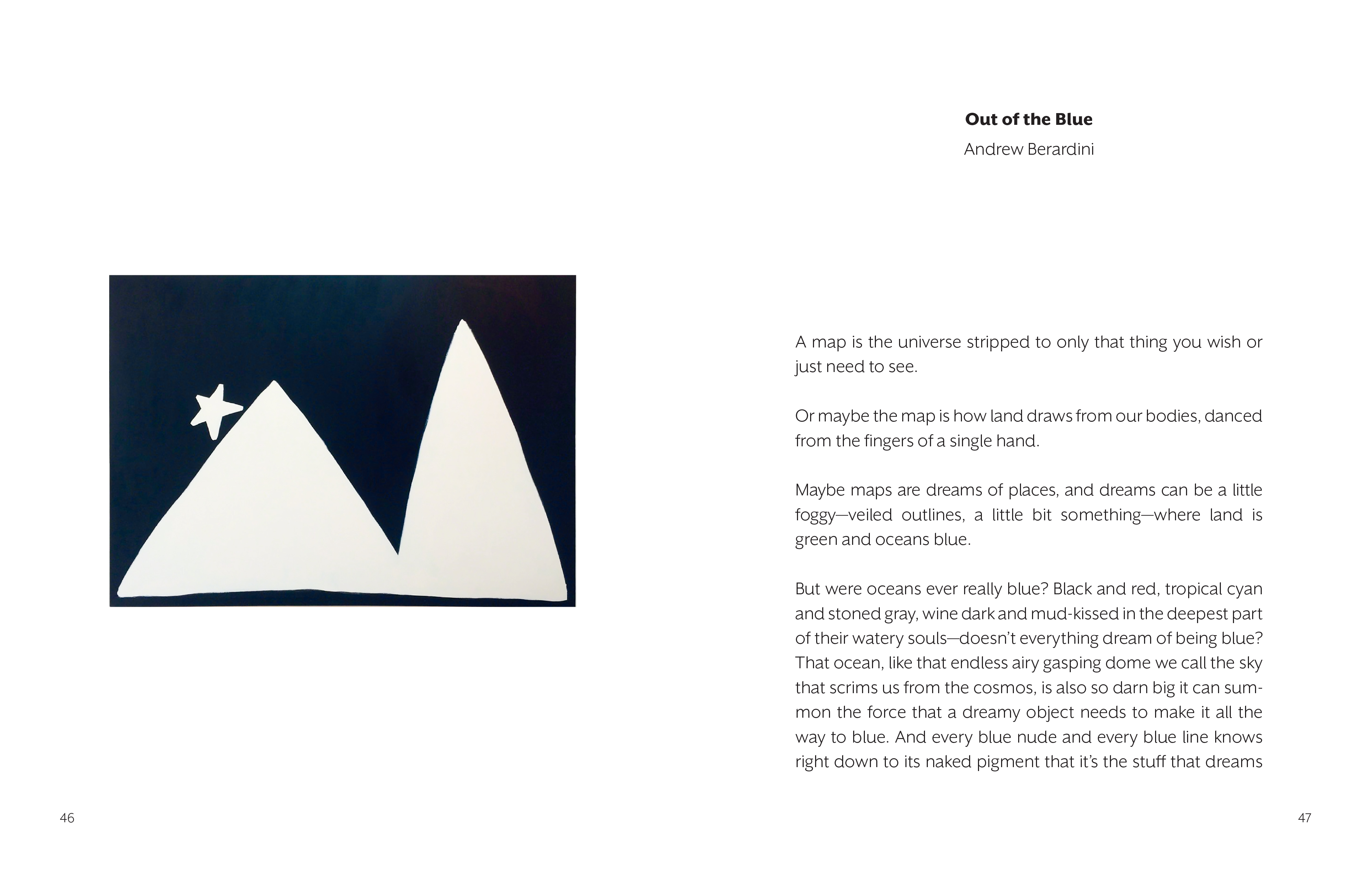
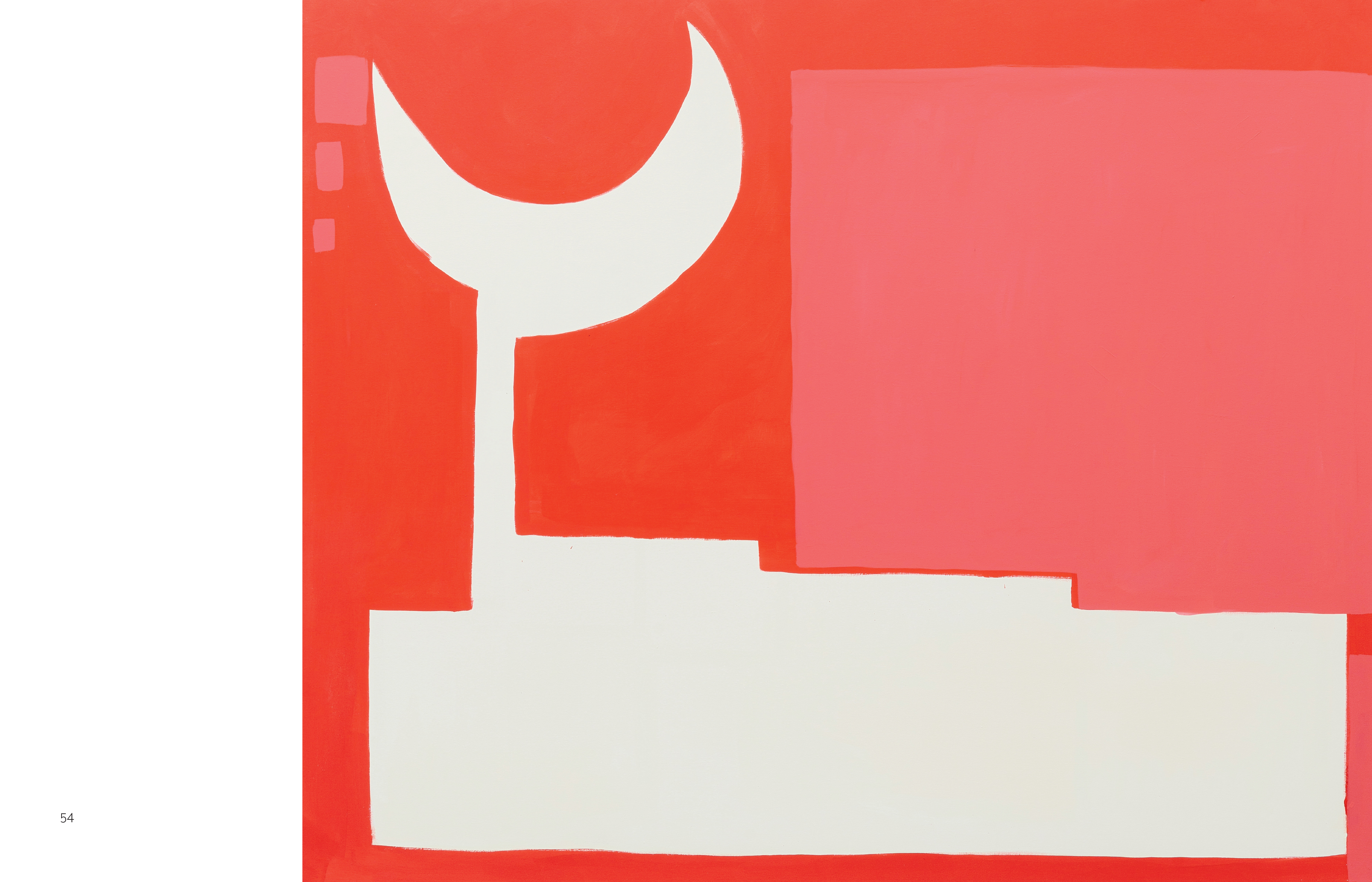
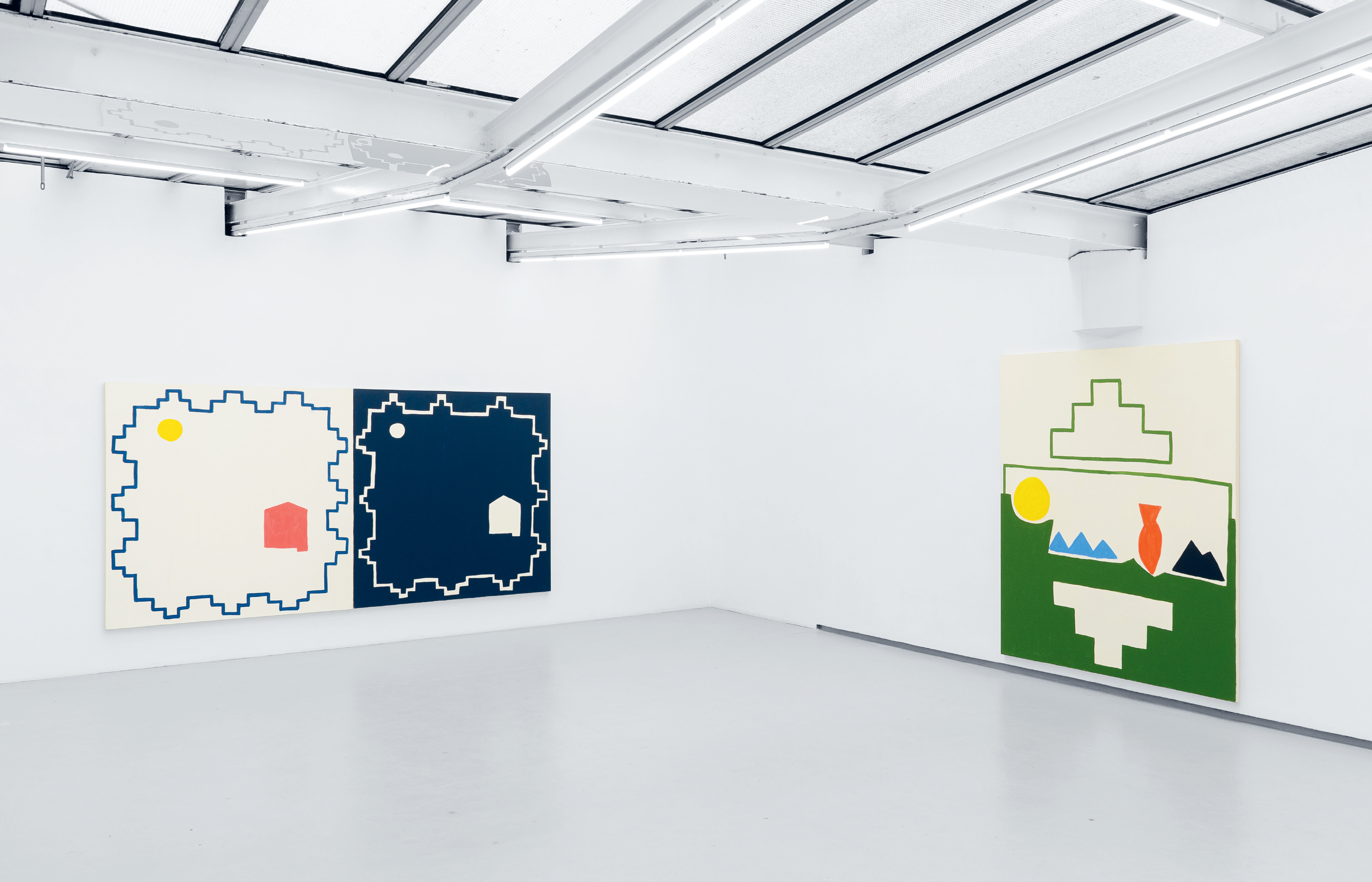
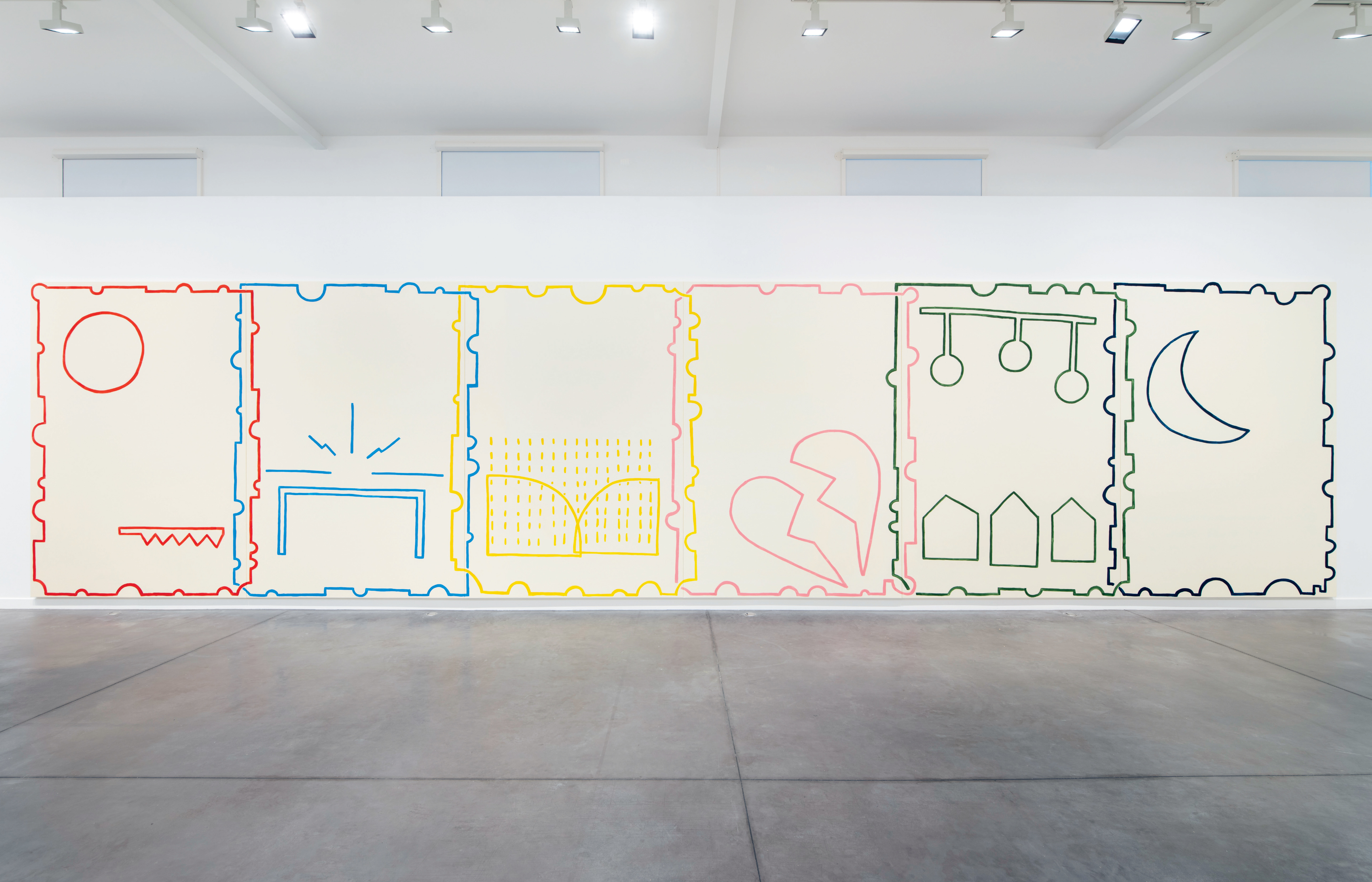
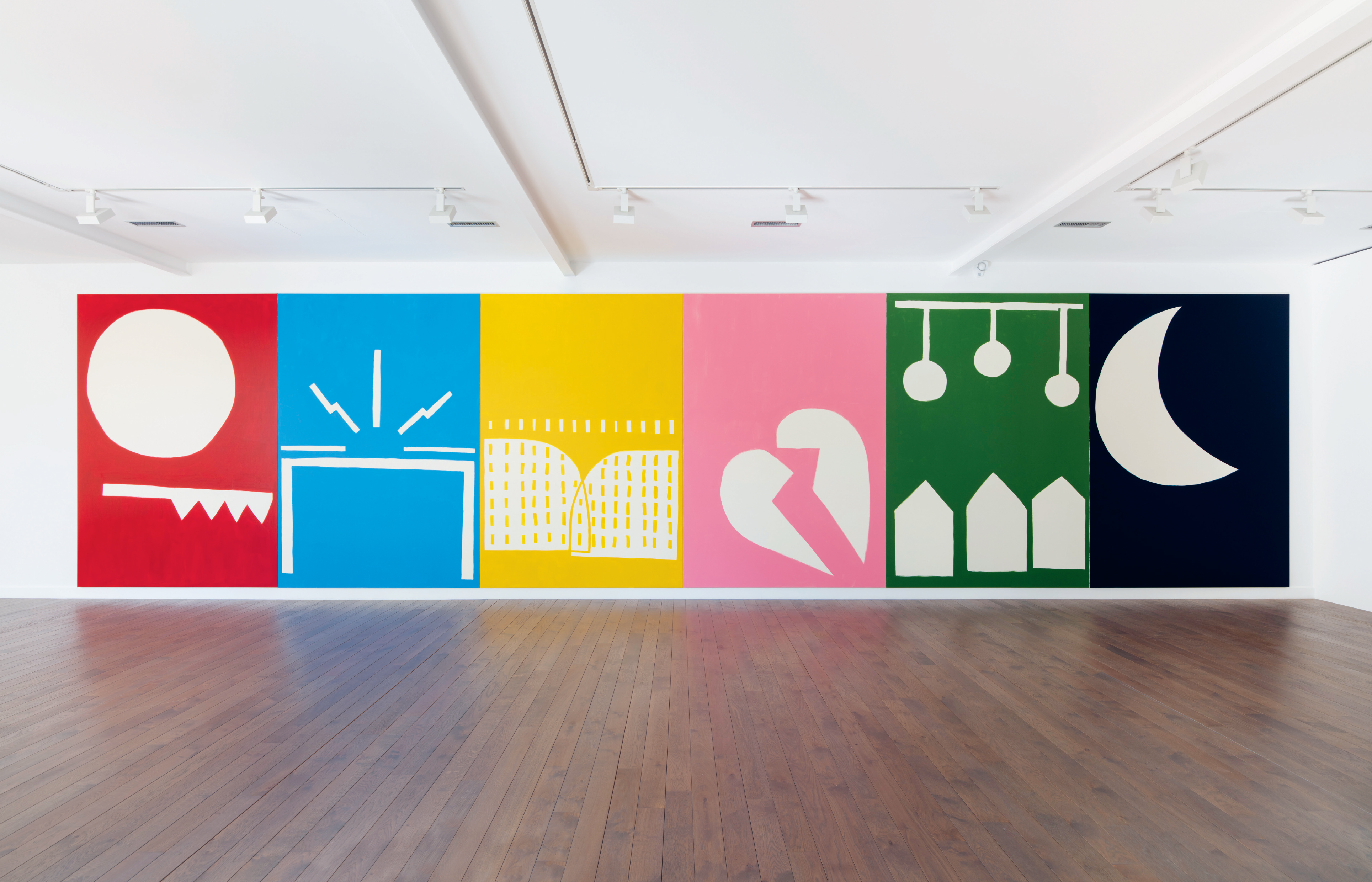
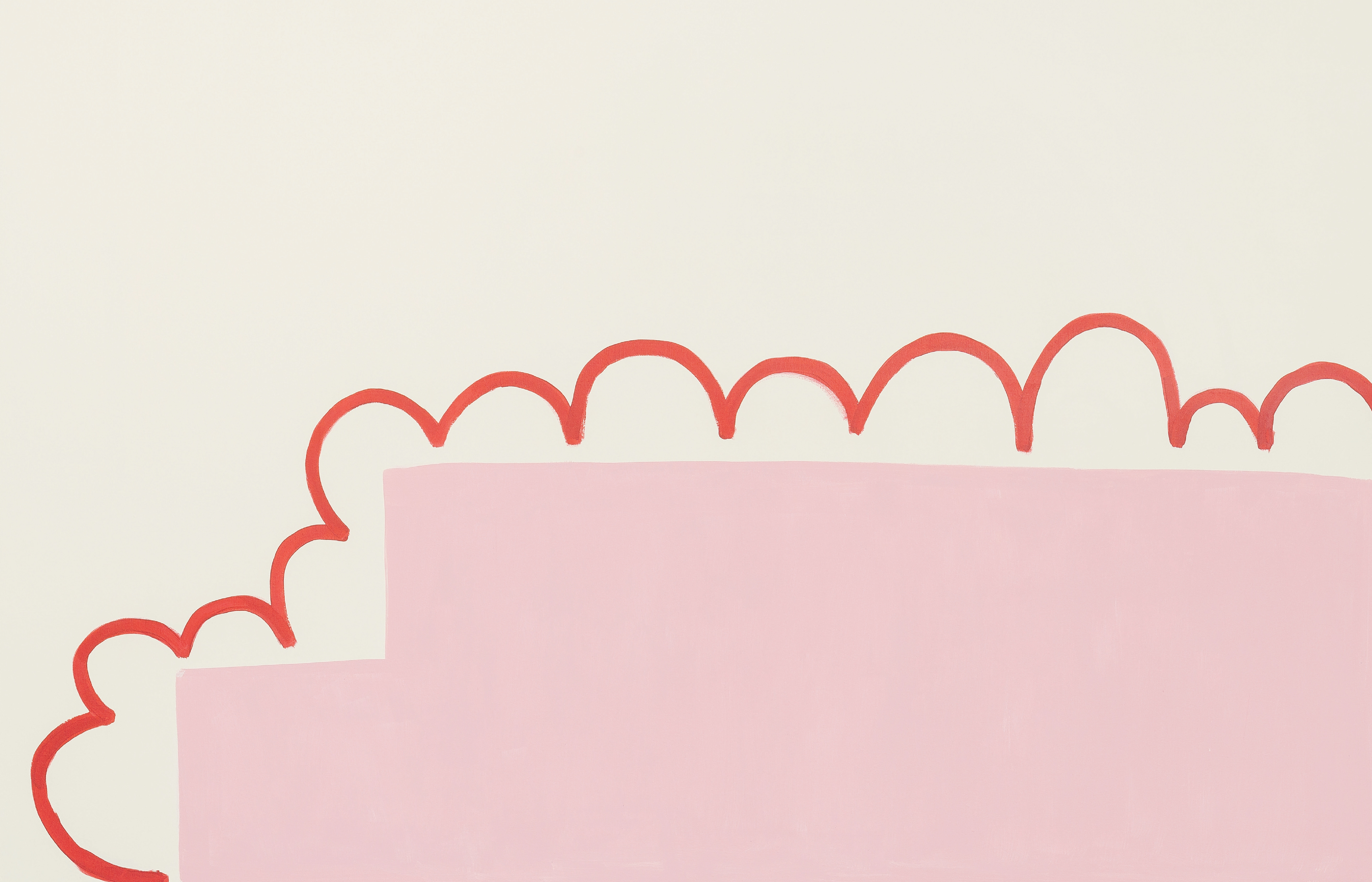
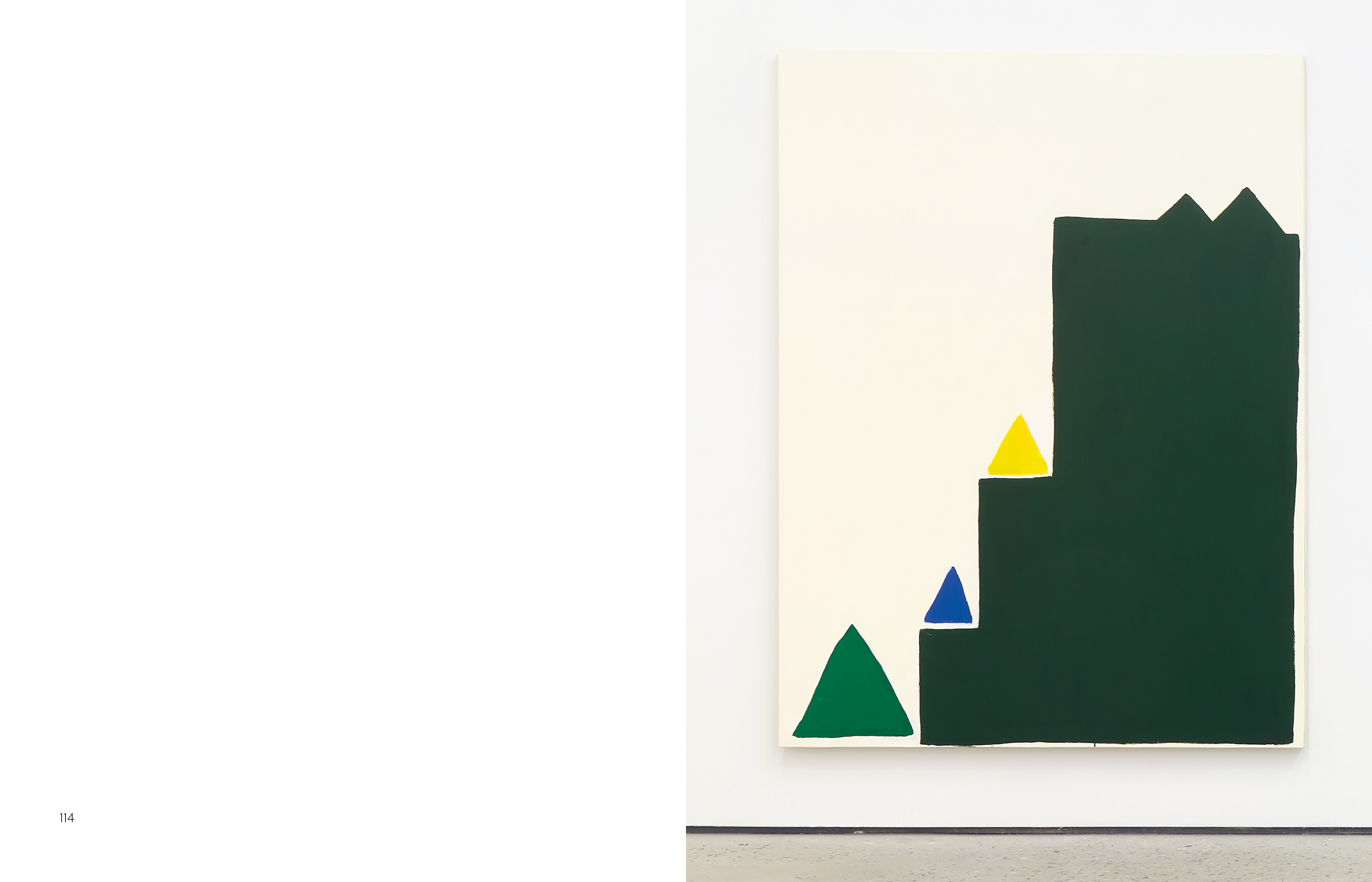
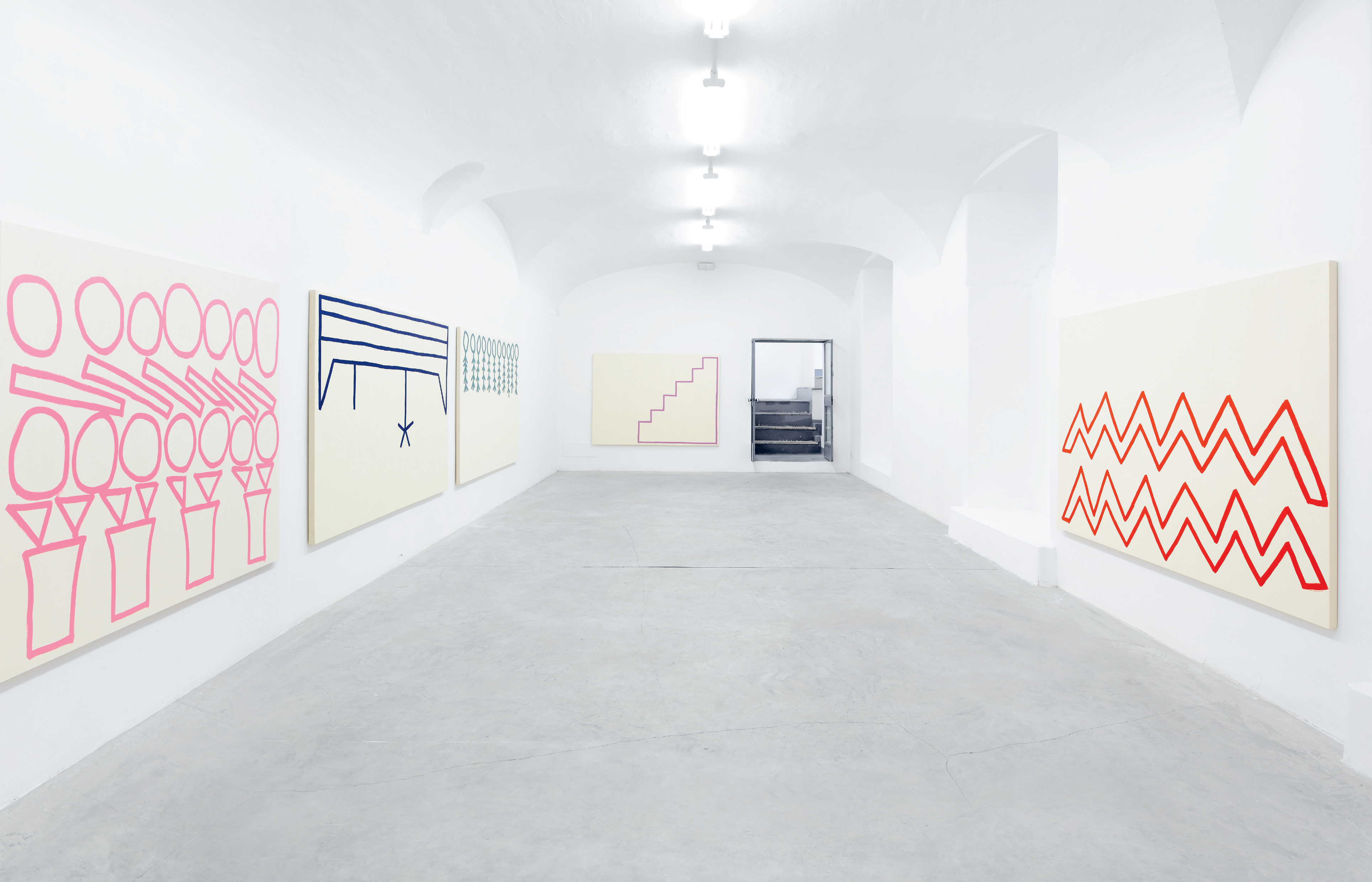
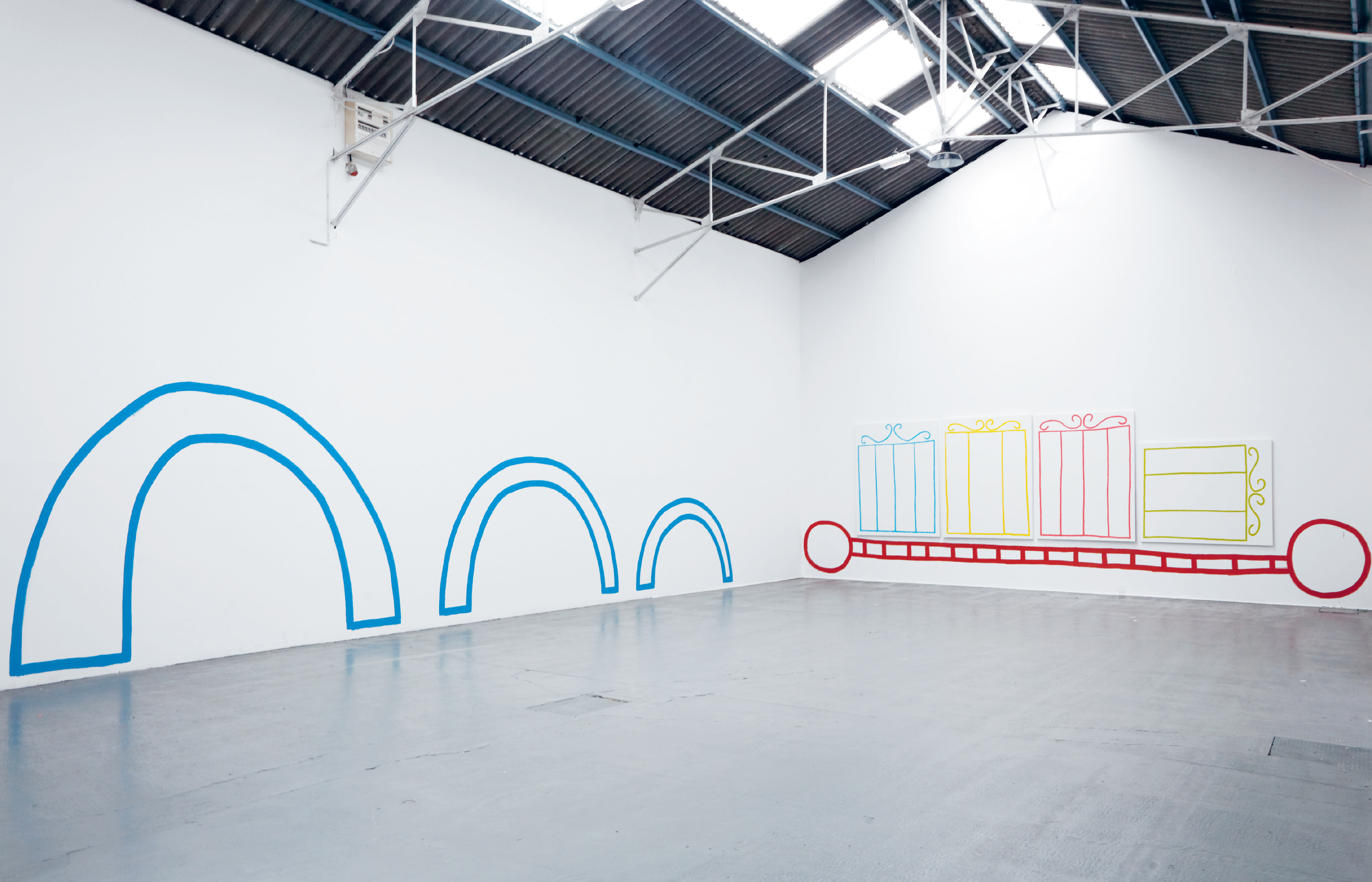
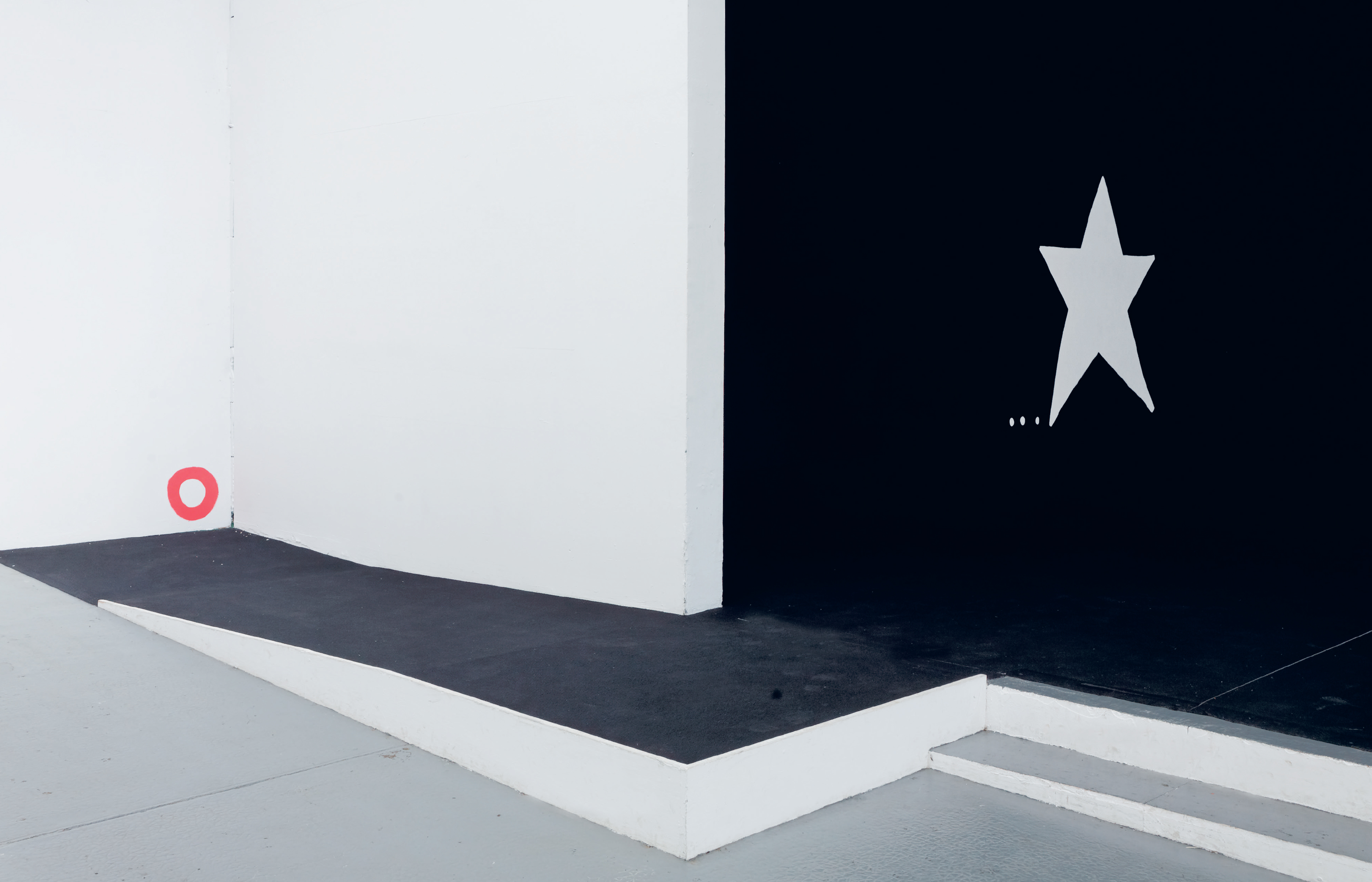
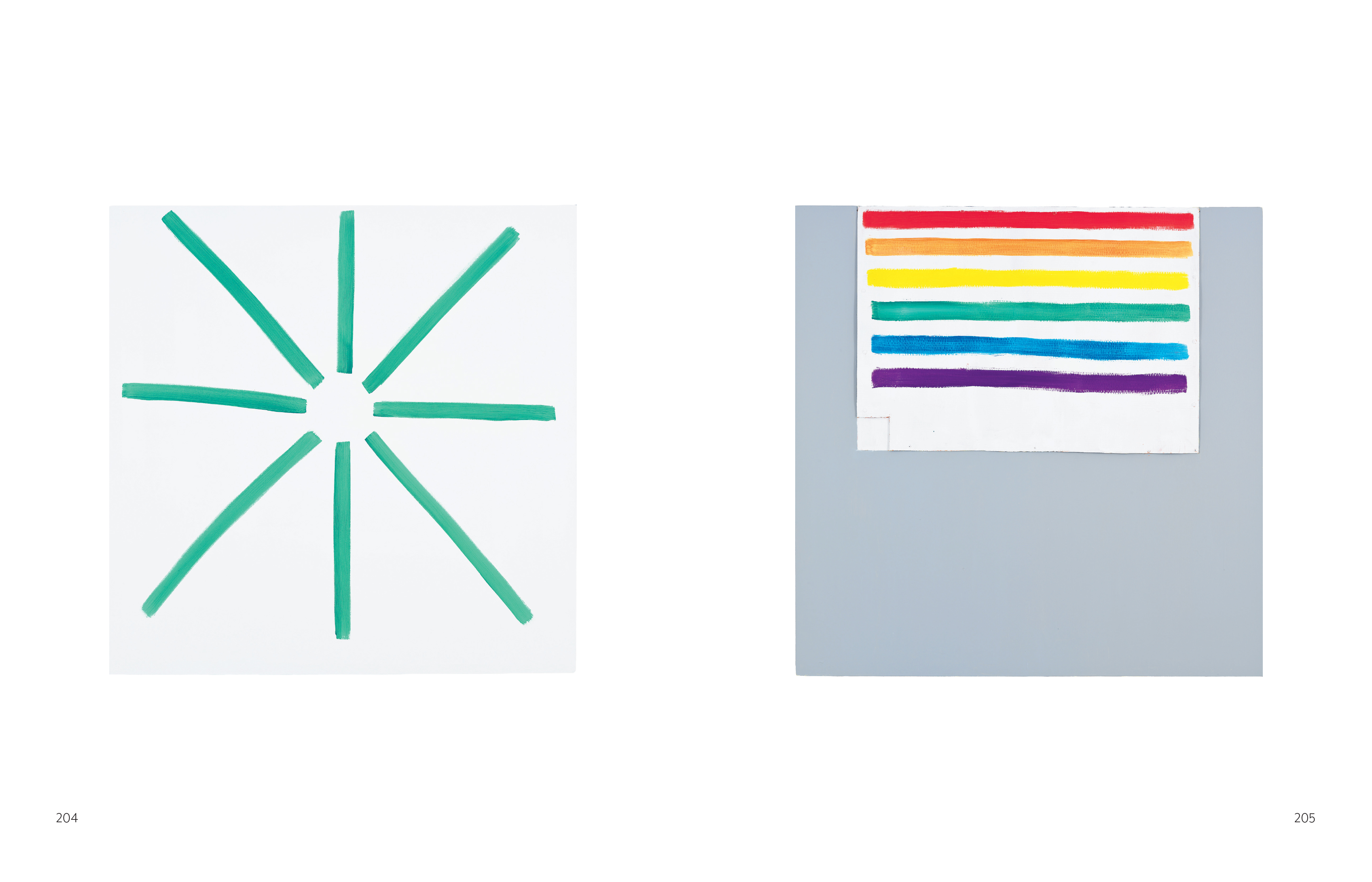
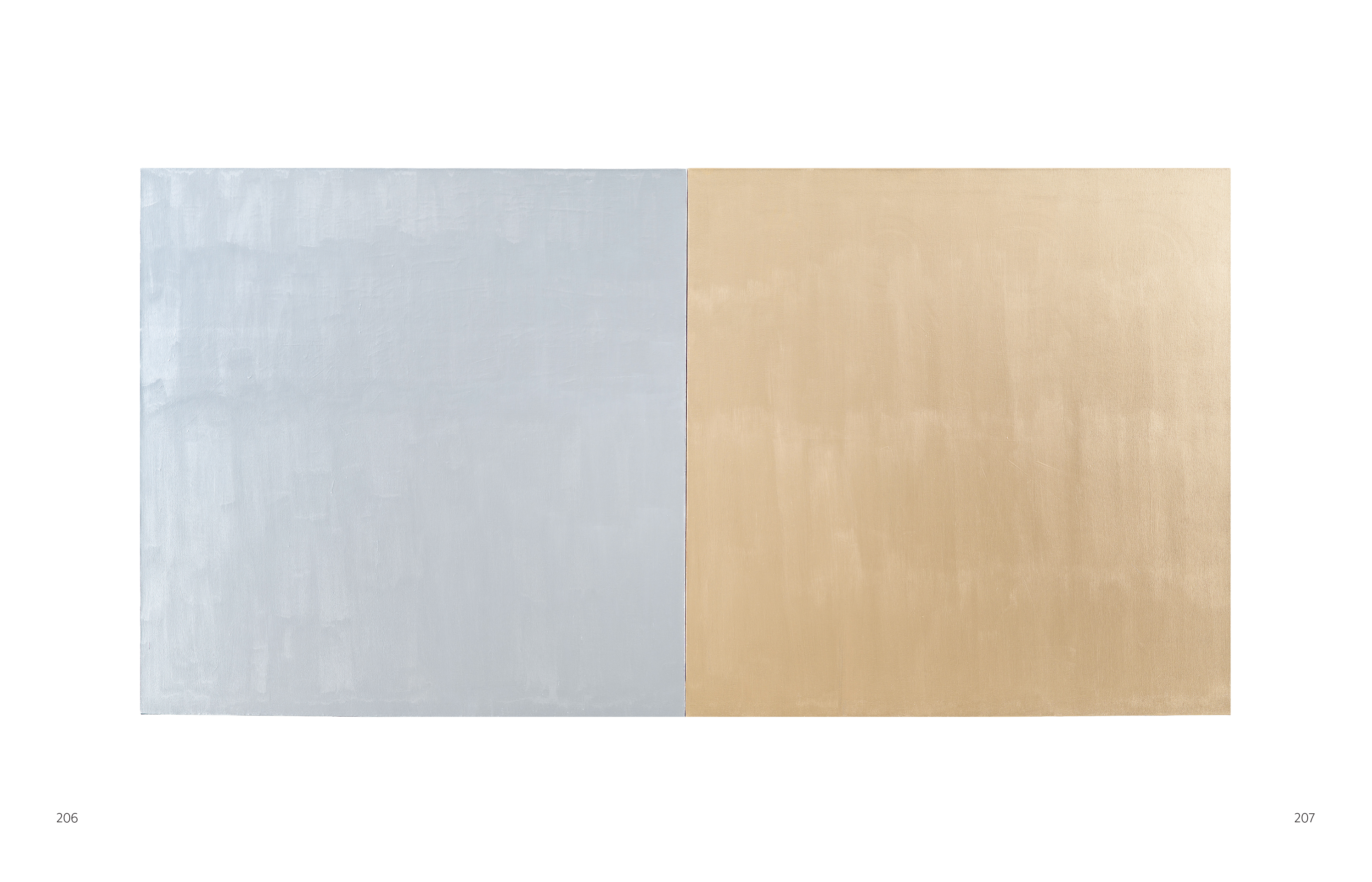
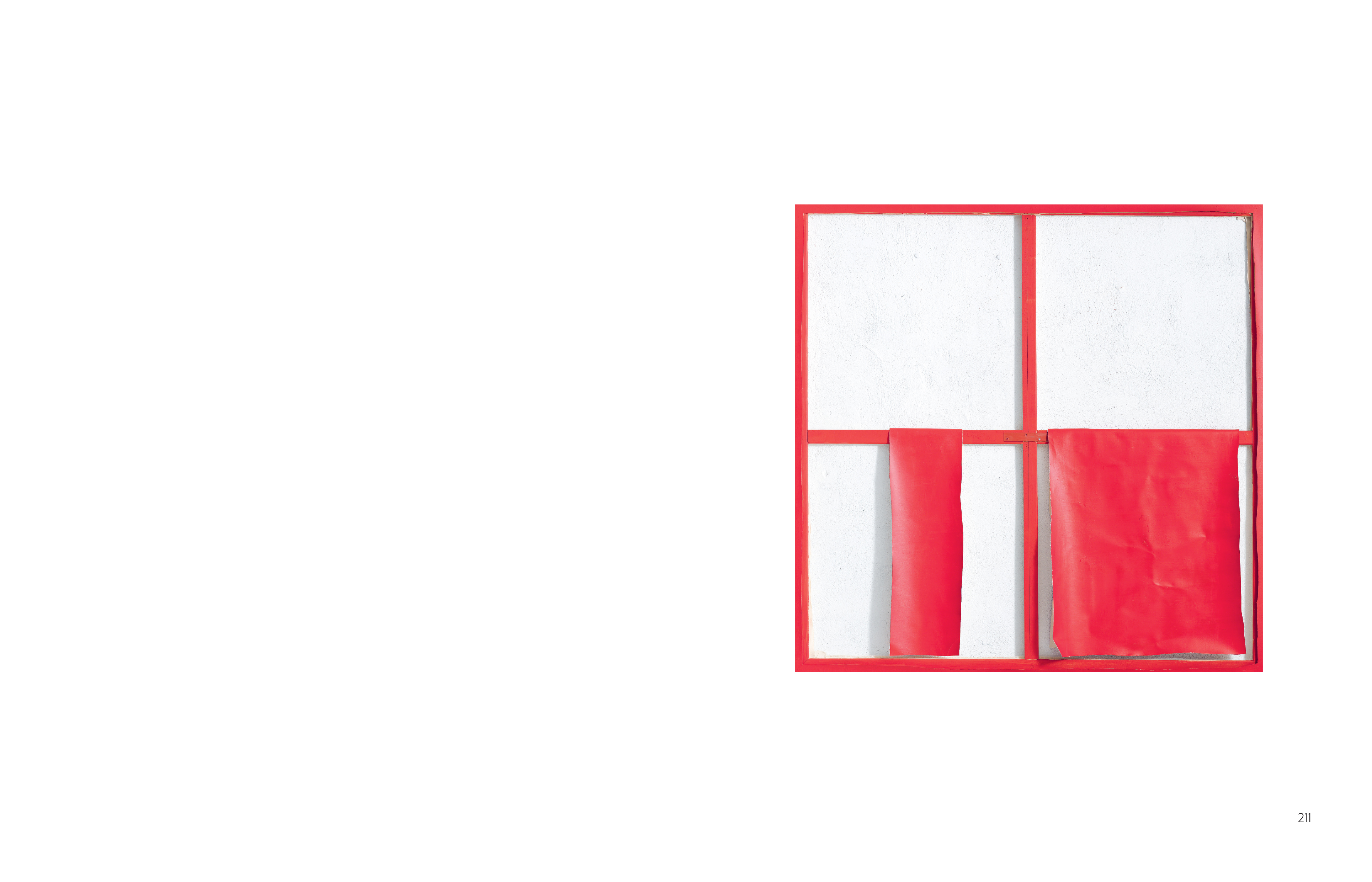
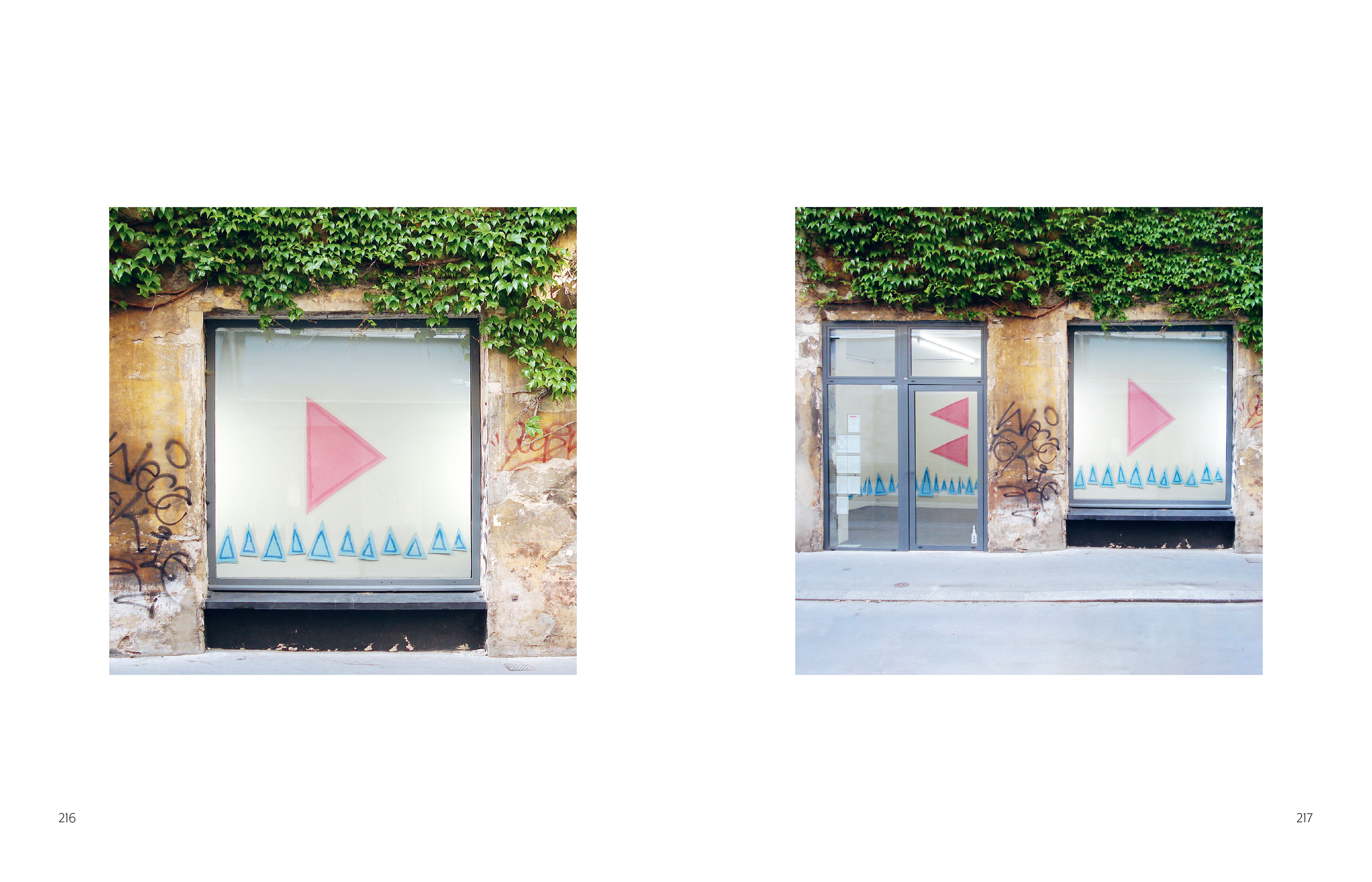
For Felton, painting is less an act of execution than one of activation—a way of setting a minimal gesture loose and letting it carry a weight it shouldn't be able to. His large-scale canvases are marked by freehand lines that feel at once spontaneous and hesitant at once, rendered in a reduced, deliberate palette. What emerges are fragmented semantic narratives: images that resist easy reading, caught somewhere between private affect and something closer to myth. Mastery, in this body of work, is not the point—it's the thing being quietly refused.
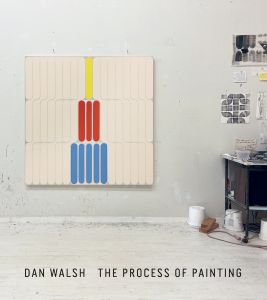
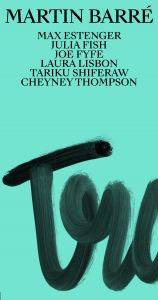
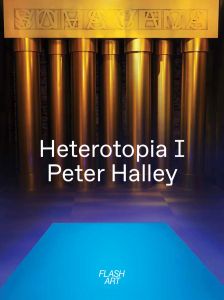
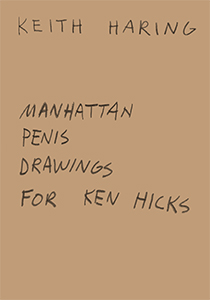
Detached from virtuoso authority, and accessible to all, the painting of Stephen Felton (born 1975 in Buffalo, lives and works in New York) expresses a certain composure, a calm disrespect for whatever might be thought of the painter's profession and his various schools. The artist Dan Walsh, whose assistant Felton once was, likes to describe his initial works as Peter Halleys painted by Philip Guston: a rigorous composition “loosened up” by a style suggestive of cartoons. Again, Felton's painting could be described as Martin Barré painted by Keith Haring: a pursuit of sobriety and fragments expressed by means of figuration libre. Yet we should not see this as some postmodern game in which references are ironically erased. Felton's (and indeed Walsh's) work displays a belief in the process of painting rather than its completion. As the critic Jill Gasparina has written, “Assembling colours in a certain order on the flat surface of a prepared canvas… is not a way to obtain an artefact fit to decorate an interior or occupy vacant space in an art centre, but a total activity that organises the whole of life.” Here painting is understood first of all as a banal activity, on the same level as those that mark the artist's everyday life, subject to the whims of his moods, of time, the people he meets and the things he reads.