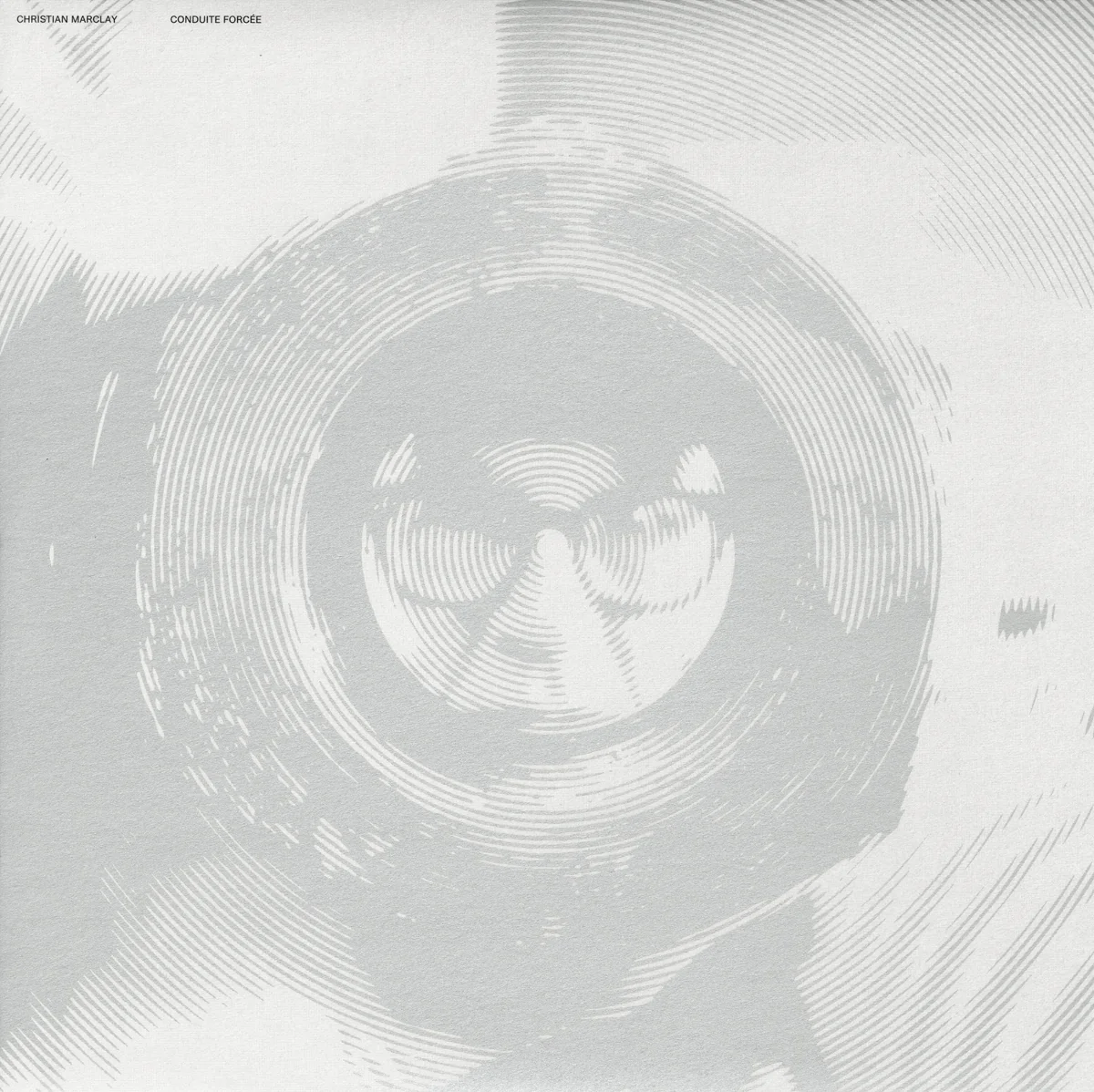
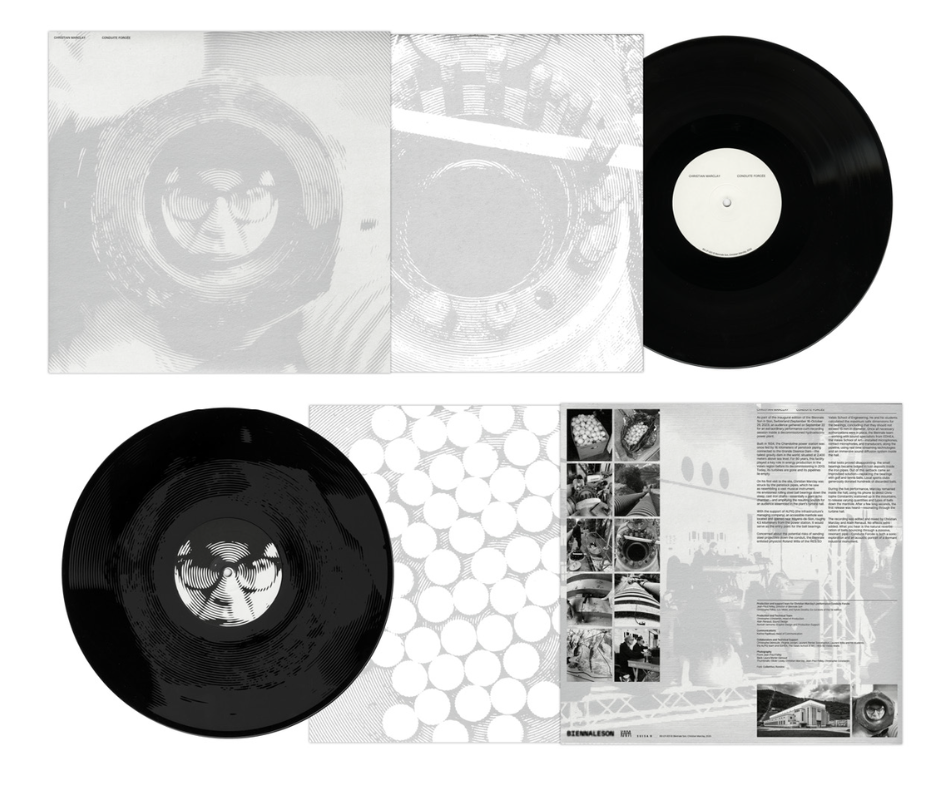
A unique performative exploration by Christian Marclay of the history and acoustic qualities of the former Chandoline hydroelectric power plant.
For the first Son Biennale (2023), Christian Marclay created a unique performance in the former Chandoline hydroelectric power station, once fed by 16 km of penstock from the Grande Dixence dam. Struck by the immensity of these empty pipes, he imagined them as an immense instrument. An access port, located 4.5 km upstream, was opened to serve as an entry point.
EDHEA's sound specialists installed microphones and immersive sound diffusion in the turbine hall. Steel balls proved unusable, so golf and tennis balls - donated by local clubs - were dropped from the mountain, resonating seconds later in the hall. Guided remotely by Marclay, the event became a sonic portrait of a sleeping industrial monument. The recording, mixed with Alain Renaud, reproduces only natural reverberation: bullets resonating in a colossal pipe.
With sampling, shuffling, and montage taking center stage, the practice of Swiss-American artist Christian Marclay (born 1955 in San Rafael, California, lives and works in New York), known as the inventor of "
turntablism," has been anchored in the universe of sound since the end of the 1970s. An eminent conceptual artist and recipient of the Golden Lion at the Venice Biennale for his landmark 24-hour video installation
The Clock (2010), he is equally fascinated by all aspects of popular music and avant-garde music, Hollywood cinema, and experimental film. Drawing on the
Fluxus vision of art and Pop spirit, and heir to
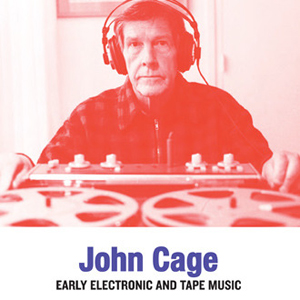
John Cage and
Andy Warhol, Marclay has been exploring all the possibilities of the visual arts and the relationships between visual and
sonic phenomena through collage, assemblage, installation, video, photography, painting, and printmaking. Also a performer, he has taken part in numerous musical projects, making the vinyl record and the turntable his favorite instruments.