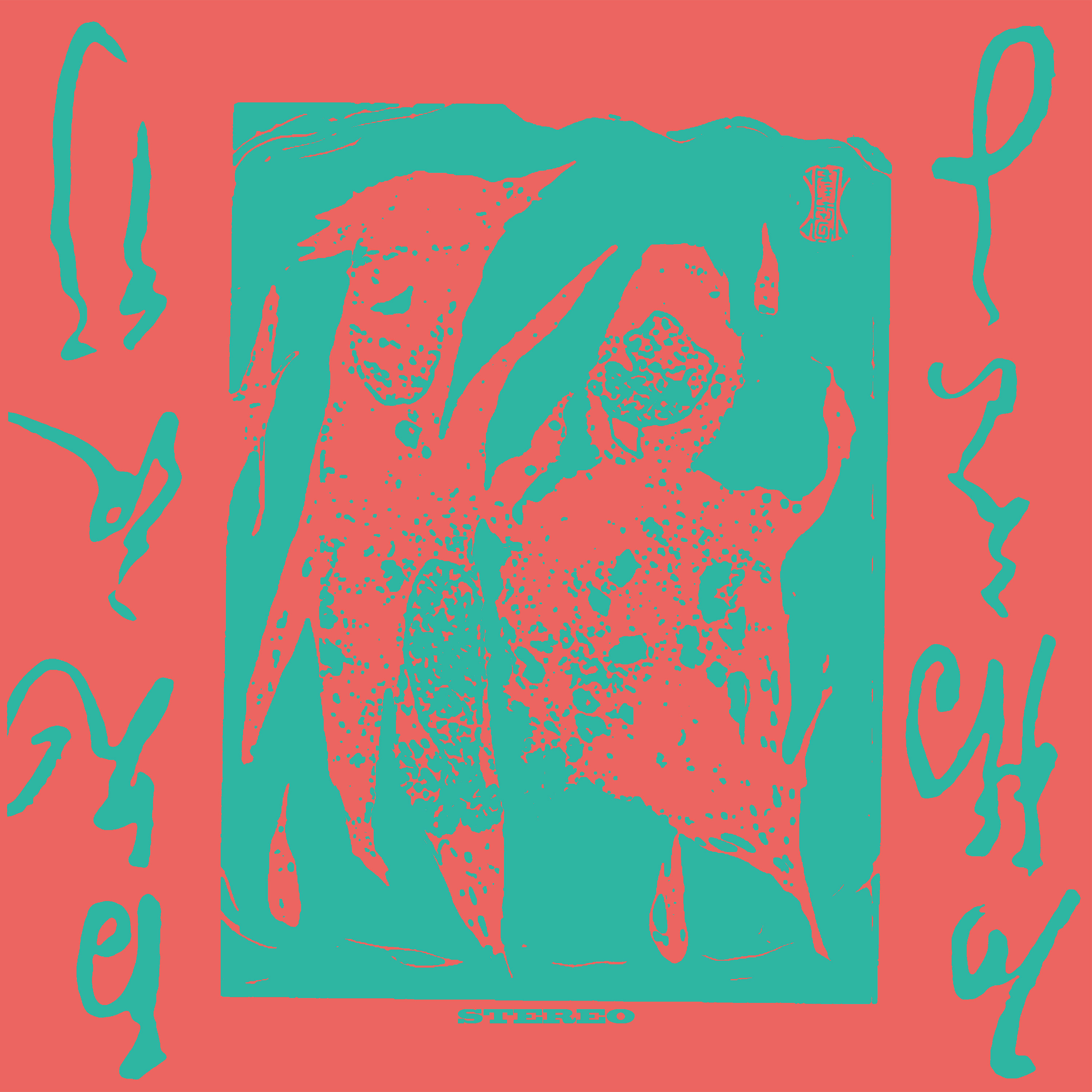
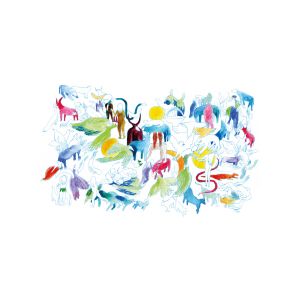
Eiko Ishibashi"s first album for
Black Truffle, produced for the 'Japan Supernatural' exhibition at The Art Gallery of New South Wales, Sydney, focusing on ghost stories and folklore from the Edo period onwards.
As with The Dream My Bones Dream (Drag City, 2018), the album is a response to troubling questions about Japanese history, and the influence of the past upon the present, but finds Ishibashi shifting further away from her earlier piano-led songwriting and showing a deepening interest in electronics and audio collaging.
The two sidelong parts of Hyakki Yagyō feature layered synthesisers, acoustic instrumentation, recited verse and field recordings, at times densely mixed but always with a subtle interplay of changing elements. The influence of European and American forerunners as diverse as
Alvin Curran, David Behrman and Strafe Für Rebellion can be traced, yet at the same time Ishibashi evokes the flute and string sounds associated with Japanese storytelling, and draws directly on the subversive literary tradition of Kyoka ('mad poetry') with a verse by the 15th-century poet Ikkyū Sōjun repeated throughout the album. Revisiting what has gone before, re-thinking what is possible musically, as a way of articulating what else might be possible in the future.
As Ishibashi's liner notes make clear, the album reflects an attention to persistent dangers, myths and evasions in Japanese culture – as well as the lurking uncertainties that might threaten positive change. This would seem to be manifested in the emerging melodies soon met by dissonance, erratic collisions and near silence, as well as the eerie manipulation of the double-tracked vocals. Ishibashi's underlying concerns ring true more widely of course. Hyakki Yagyō is a work of multiplicities, and mystery, a landscape where nothing is as it seems at first, and everything is vulnerable to sudden violent interruptions.
The album was produced with regular collaborators
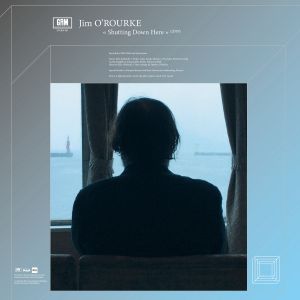
Jim O'Rourke (double bass) and Joe Talia (percussion), and features dancer and choreographer Ryuichi Fujimura performing Ikkyū's satirical tanka. O'Rourke's immersive mix creates a three-dimensional effect, with Ishibashi's various sound sources enmeshing and interacting in captivating ways.
Eiko Ishibashi is a Japanese composer, singer, and multi-instrumentalist who has developed a unique body of work blending experimental pop, improvisation, and film music. Her work, praised for its expressive intensity and sensitivity to sonic textures, has led her to collaborate with numerous musicians on the international scene, including
Jim O'Rourke, with whom she forms a long-standing duo,
Keiji Haino,
Charlemagne Palestine,
Merzbow, Akira Sakata,
Giovanni Di Domenico,
Atsuko Hatano,
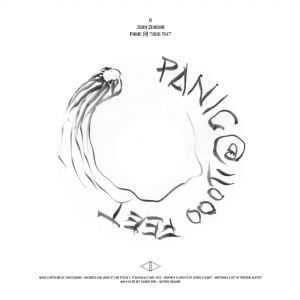
John Duncan, and
Oren Ambarchi. She is also the composer of several film scores, notably for the films of Ryusuke Hamaguchi (
Drive My Car,
Evil Does Not Exist), which have helped to bring her work to a wider audience beyond experimental music circles.