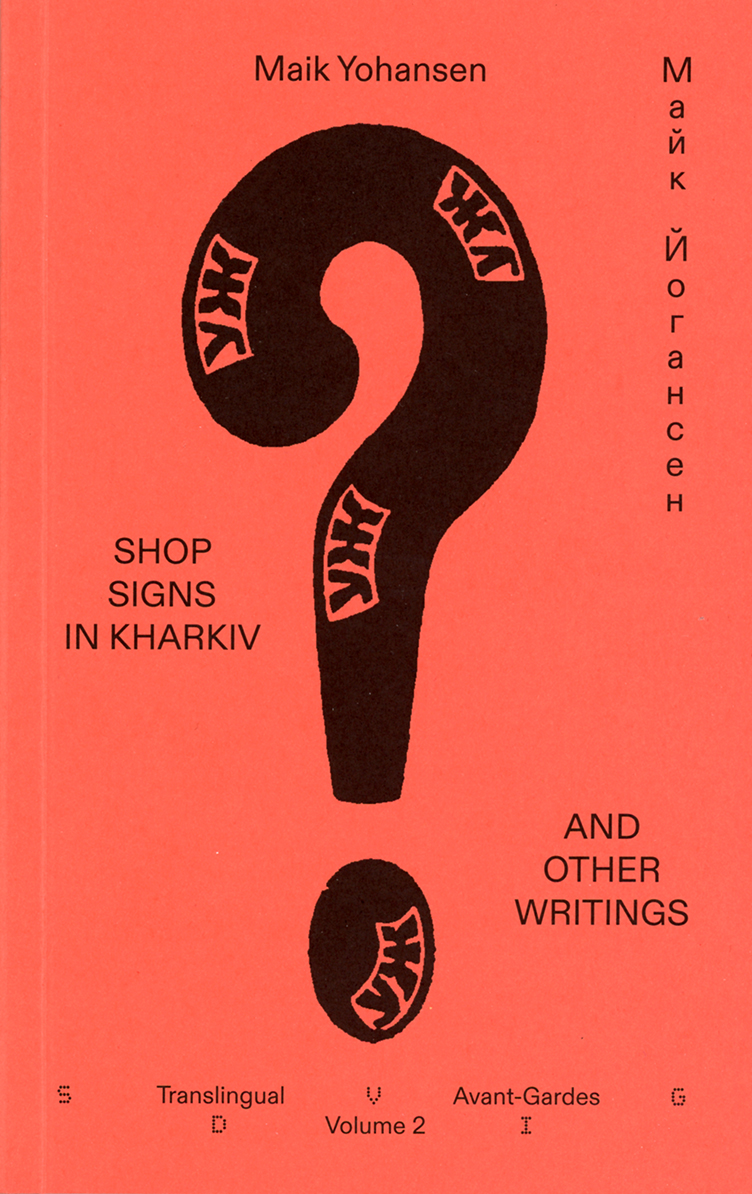
Le second volume de la série sdvig, dédiée à l'écriture translinguistique d'avant-garde, rassemble les textes du poète moderniste ukrainien Maik Yohansen, datant des années 1920 et 1930, traduits en anglais.
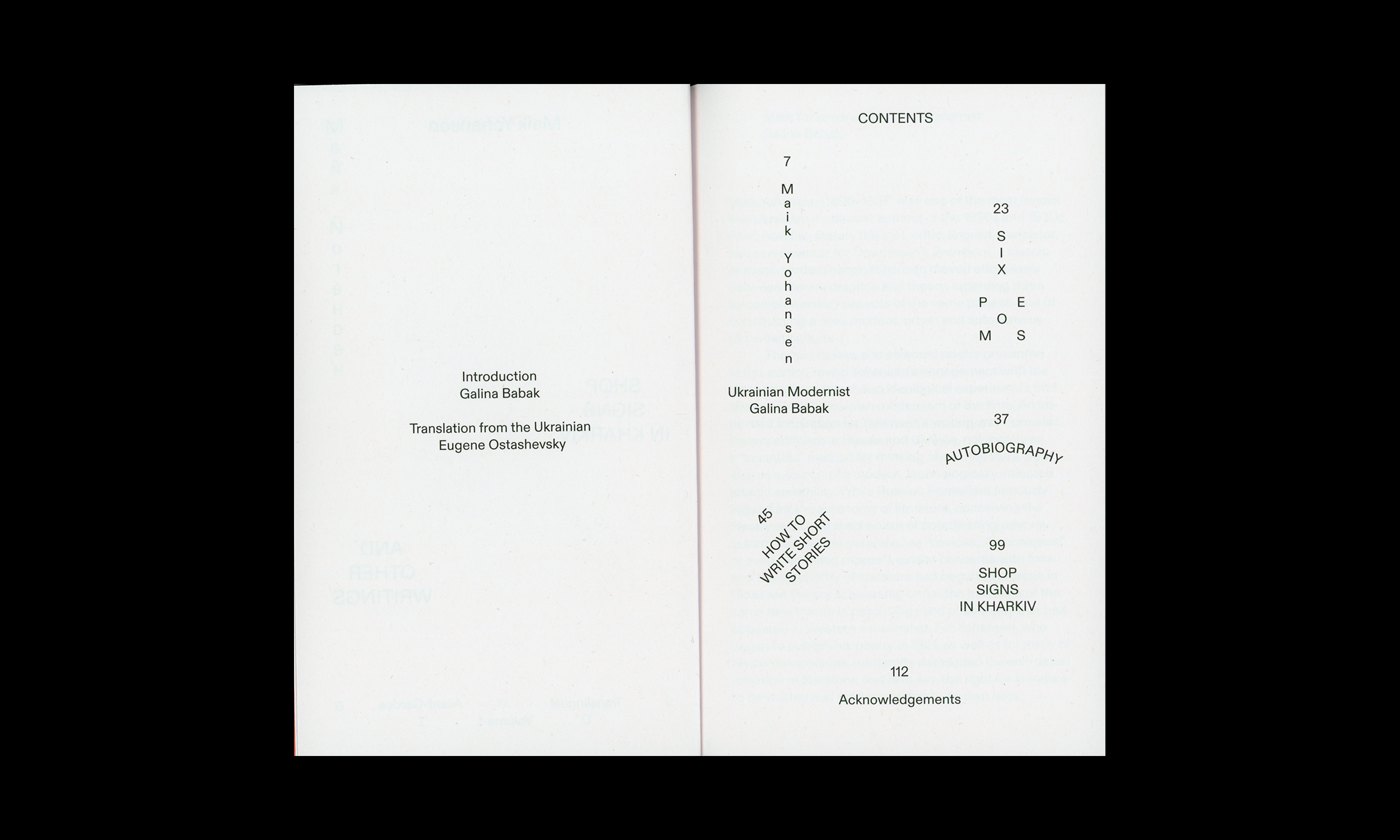
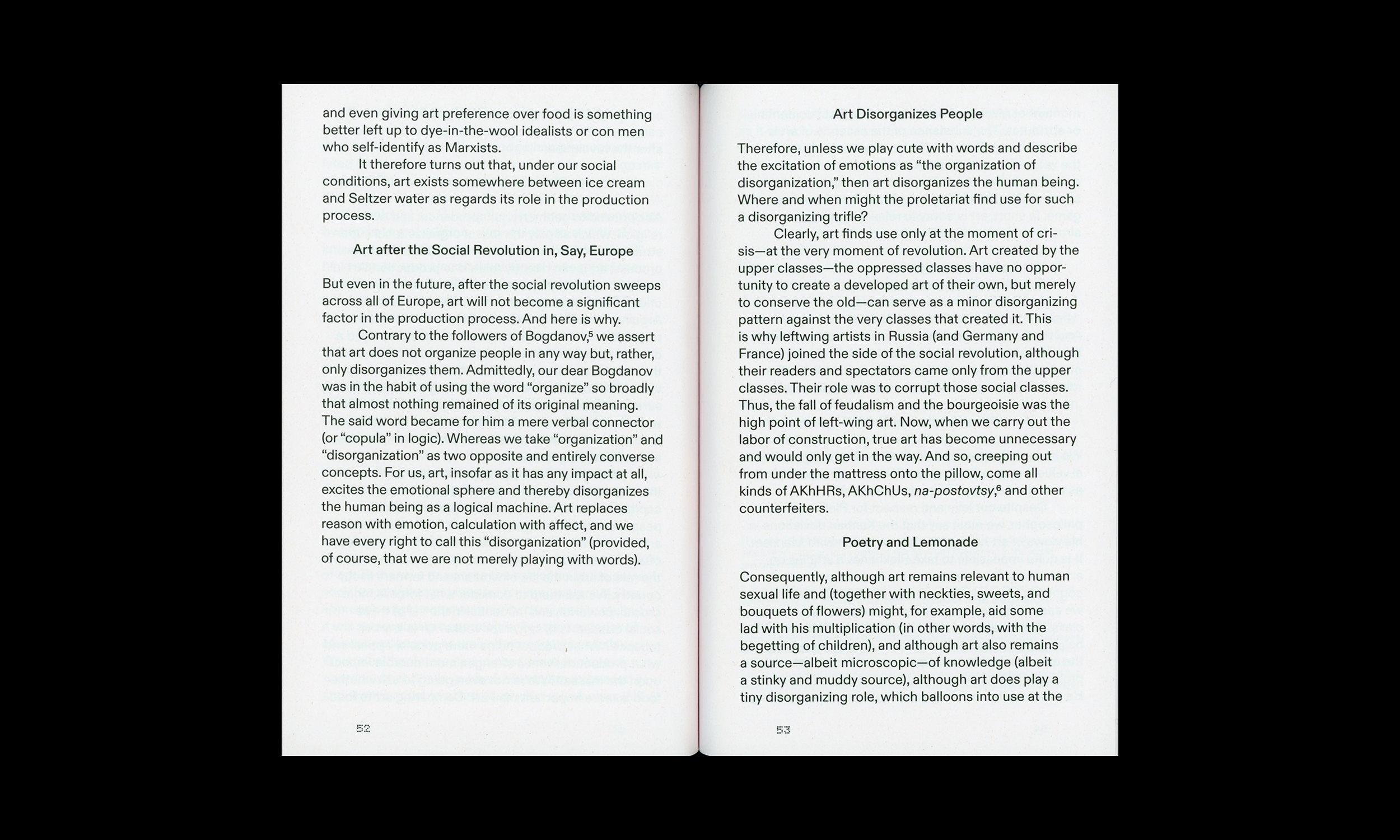
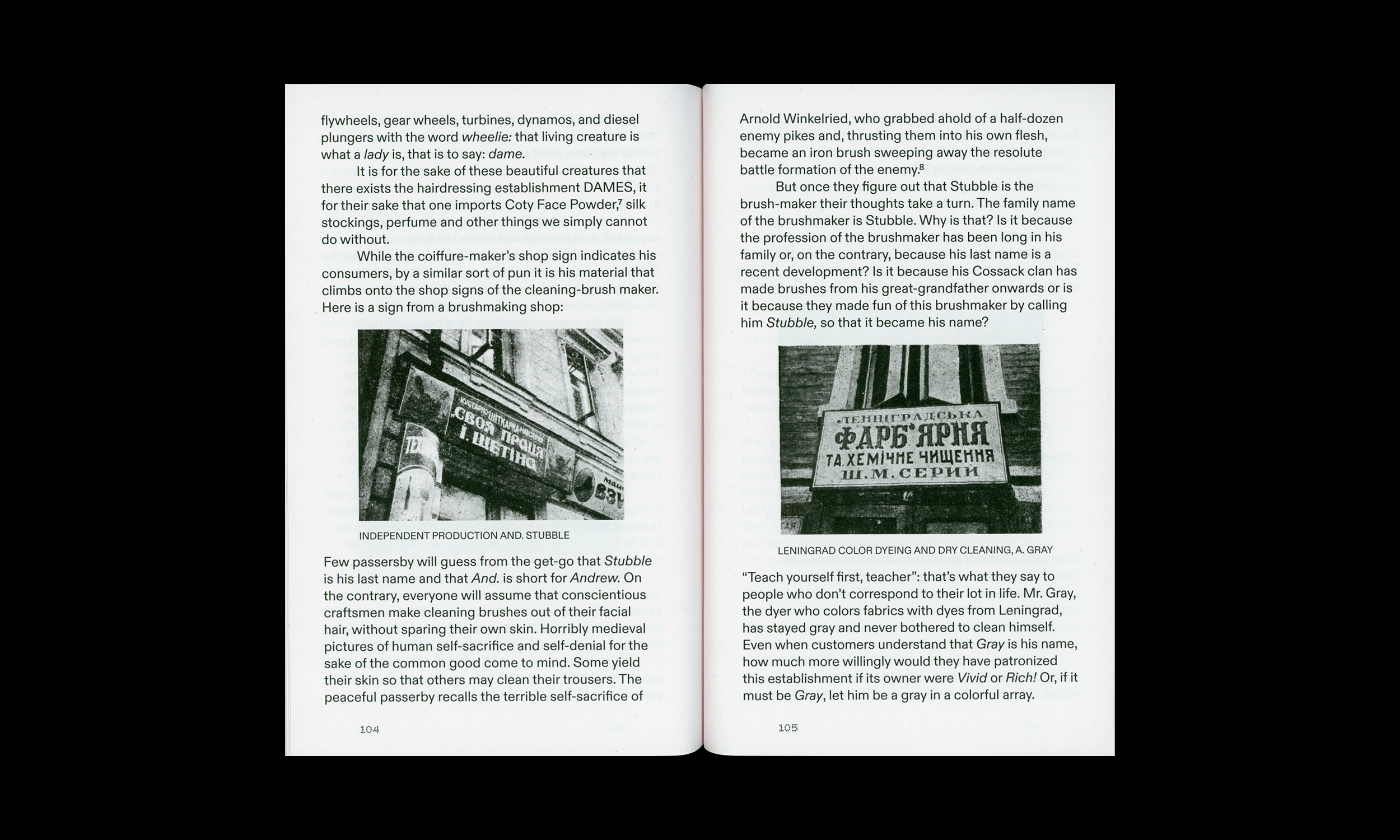
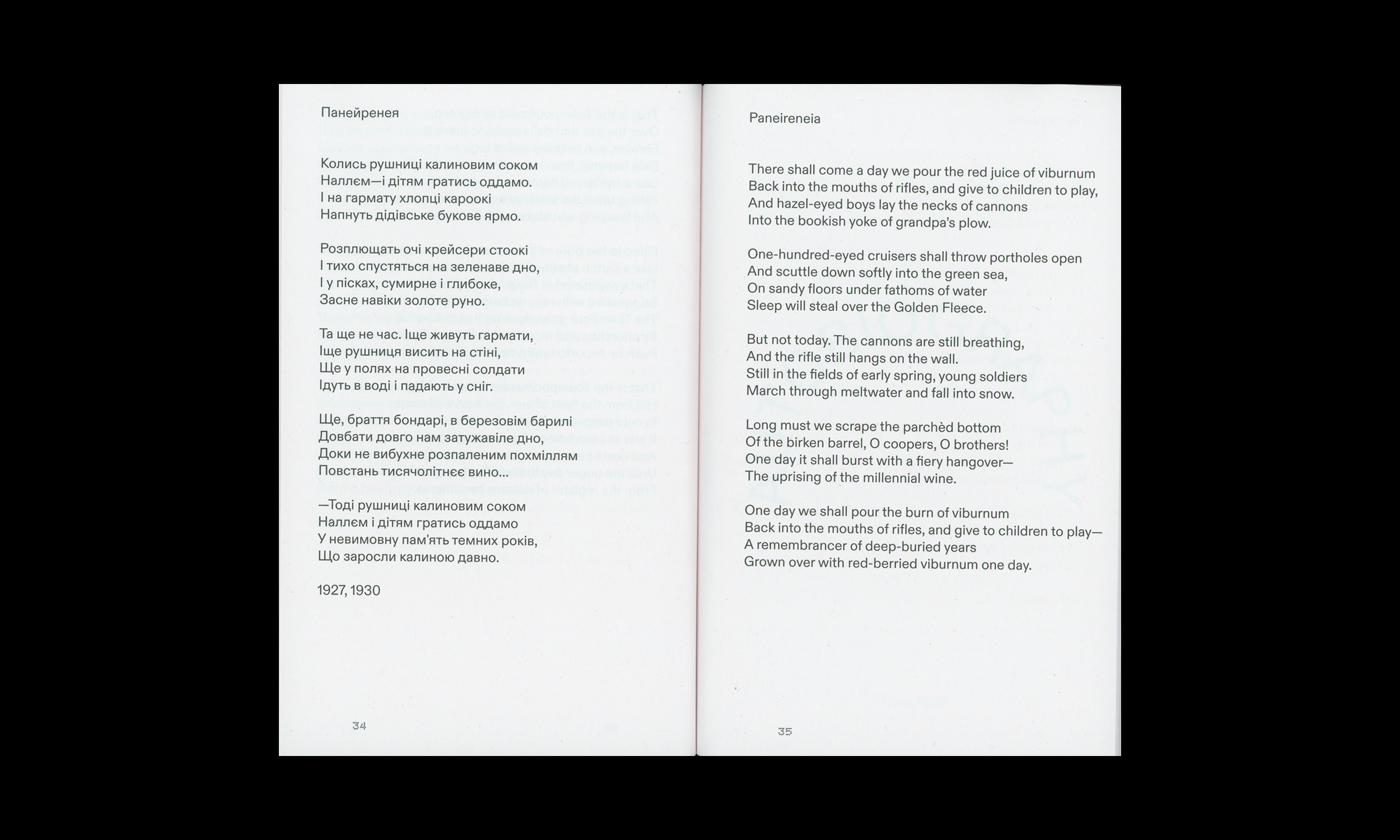
Maik Yohansen was a witty and innovative modernist writer in 1920s Ukraine. This small selection of his work includes How to Write Short Stories, a whimsical guide to the art of short-story writing, informed by Formalist and Marxist criticism the author can't help lampooning. It also includes Shop Signs in Kharkiv, a short and irreverent essay on language politics in Soviet Ukraine a decade after the fall of the Russian Empire. And it includes an autobiography and a selection of Yohansen's masterful poetry in the original and translation.
Everything that Yohansen did—whether fiction, or cultural criticism, or linguistics, or screenwriting, or even autobiographical sketches—he did as a poet, listening to and playing with language. He dedicated his life to achieving equality for Ukrainian as a medium for world literature. In 1937 Maik Yohansen was shot on trumped-up terrorism charges in the mass purge of authors whom Ukrainians now call "the Executed Renaissance."
Translated by poet Eugene Ostashevsky, Yohansen's writings are introduced by Galina Babak, scholar of Ukrainian Formalism.
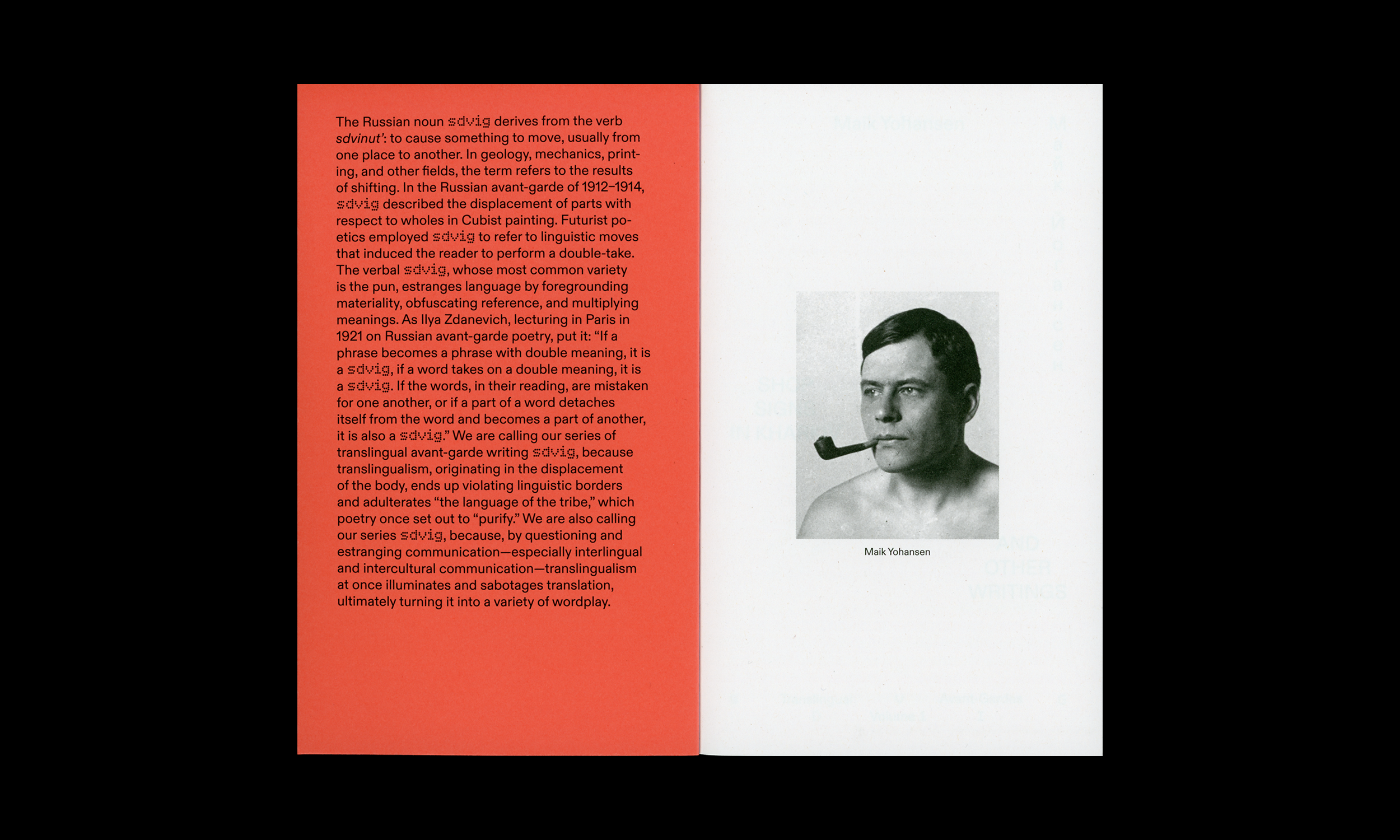
Maik Yohansen (1895-1937) est un écrivain, poète, dramaturge, traducteur, critique et linguiste moderniste ukrainien. Il fut l'un des fondateurs de l'association littéraire VAPLITE (Vilna Akademia Proletarskoi Literatury).