Comprehensive monograph.
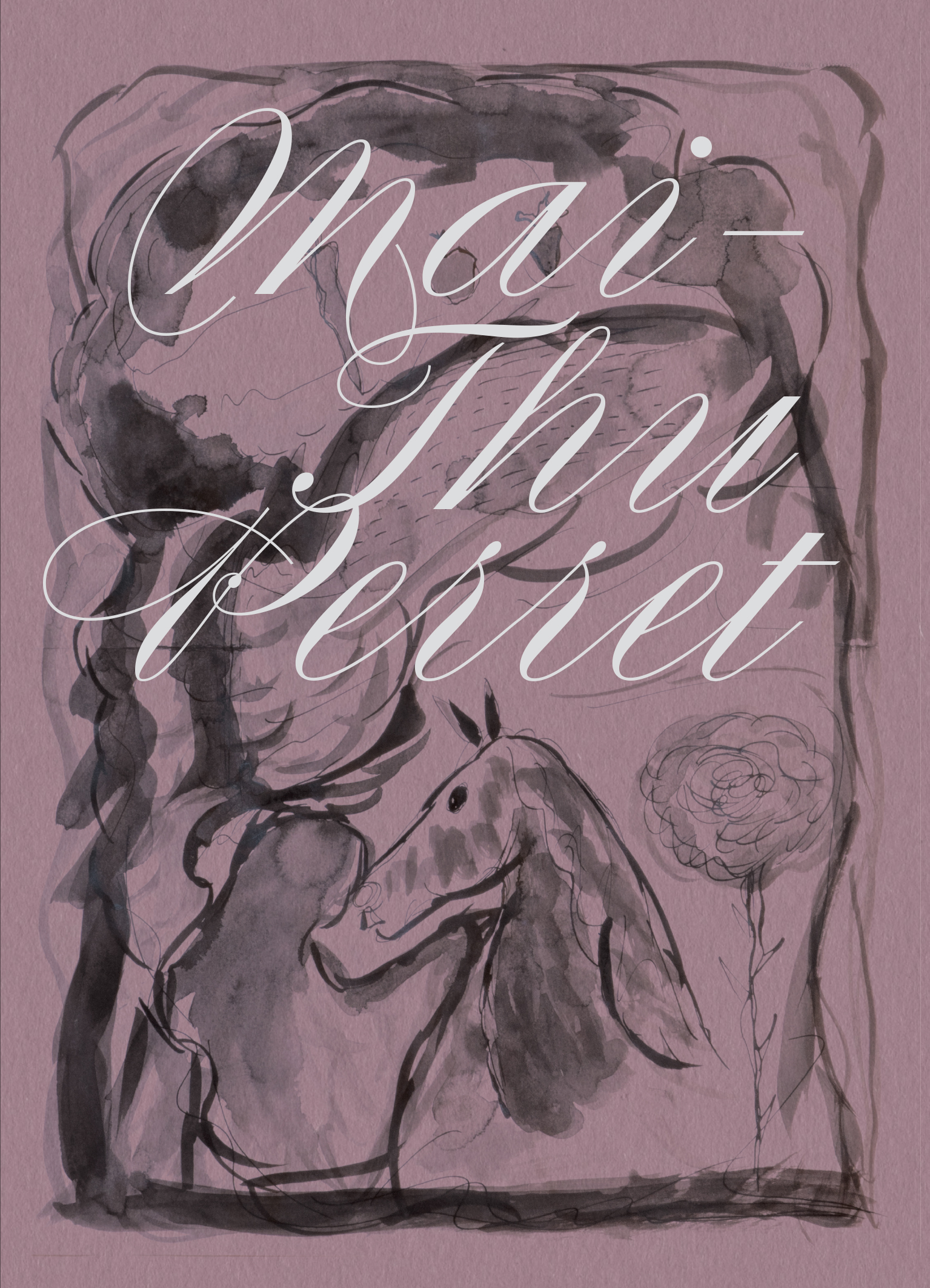
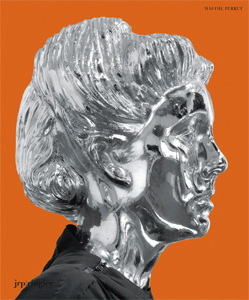
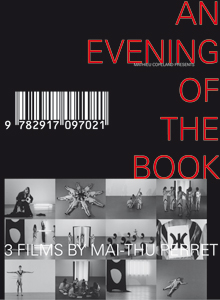
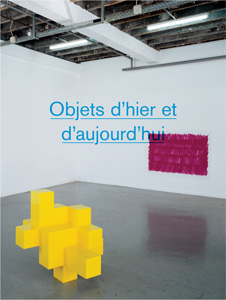
For the last 25 years, French-Swiss visual artist Mai-Thu Perret has built a remarkable and acclaimed body of work that merges a talent for story-telling and cross-referencing, an expertise in craft and form-making, and a deep understanding of how visual art can be a powerful discourse through which to raise and solve contemporary issues, in particular feminism and the rewriting of modernism. Her sculptures, paintings, ceramic works, textile works, performances, and text pieces exist at the intersection of contemporary culture, art historical critique, and visceral materiality. She explores—and generates—feminist narratives and counter-narratives that cast the role of the art object in a new light, introducing utilitarian, symbolic, and even mystical possibilities in contexts that are often limited to formalist readings. Perret's work shows how bodies are always implicit subjects of artistic discourse, and how impulses for utopian transcendence (aesthetic, political, or otherwise) can always be traced back to the physicality of desire. "I like using my work as a speculative space in which I can imagine alternative histories to come, stories that are still to be told," the artist states.
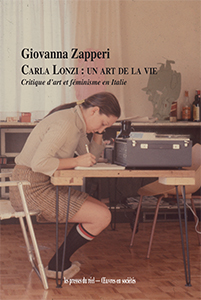
With new essays by Geneva University Art History Professor
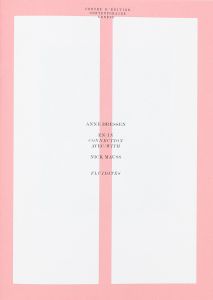
Giovanna Zapperi on feminism and utopia in Perret's work, French craft expert and curator
Anne Dressen on her manifold ceramic practice, as well as a poetic contribution by American writer Ariana Reines and an extensive conversation with French art critic and curator
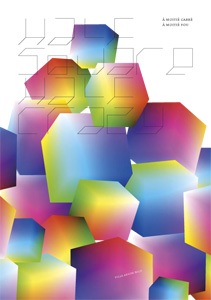
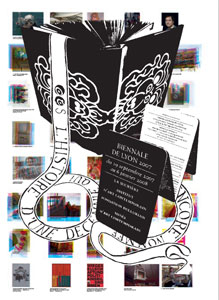
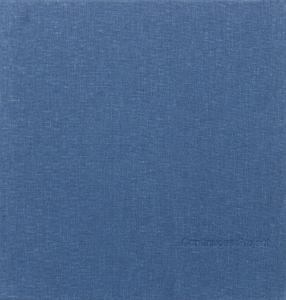
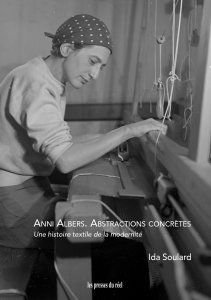
Ida Soulard, this comprehensive monograph spans the artist's practice over the last ten years. Designed by Gavillet & Cie, it is organized as a succession of immersive portfolios dedicated to specific major solo exhibitions, her performative practice, and key bodies of work, in order to encompass the entire range of Perret's interests and visual languages.
Mai-Thu Perret was born in 1976 in Geneva, where she lives and works. She studied at Cambridge University and the Whitney Independent Study Program, New York. The first body of works she developed was entitled "The Crystal Frontier": a series that comprises text and objects, which she describes as either the hypothetical production of a group of women living in autarchy in the desert of New Mexico, or the materialization of the principles that shape their everyday life. Investigating our relationships to common objects found in contemporary art, design spaces, and shops, the artist engages with the consequences and changing realities of utopian thinking as it becomes incorporated into capitalism's mainstream.