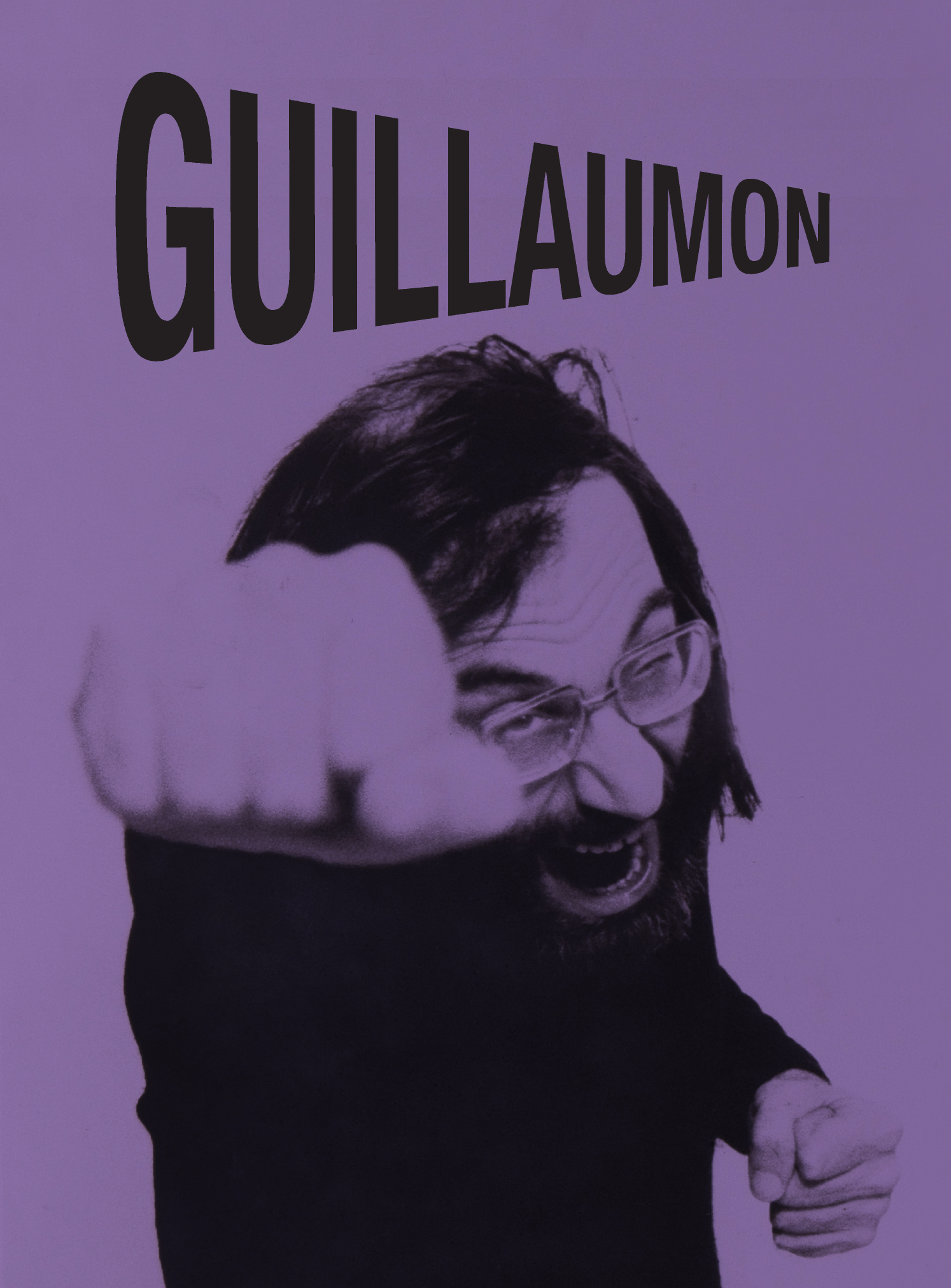
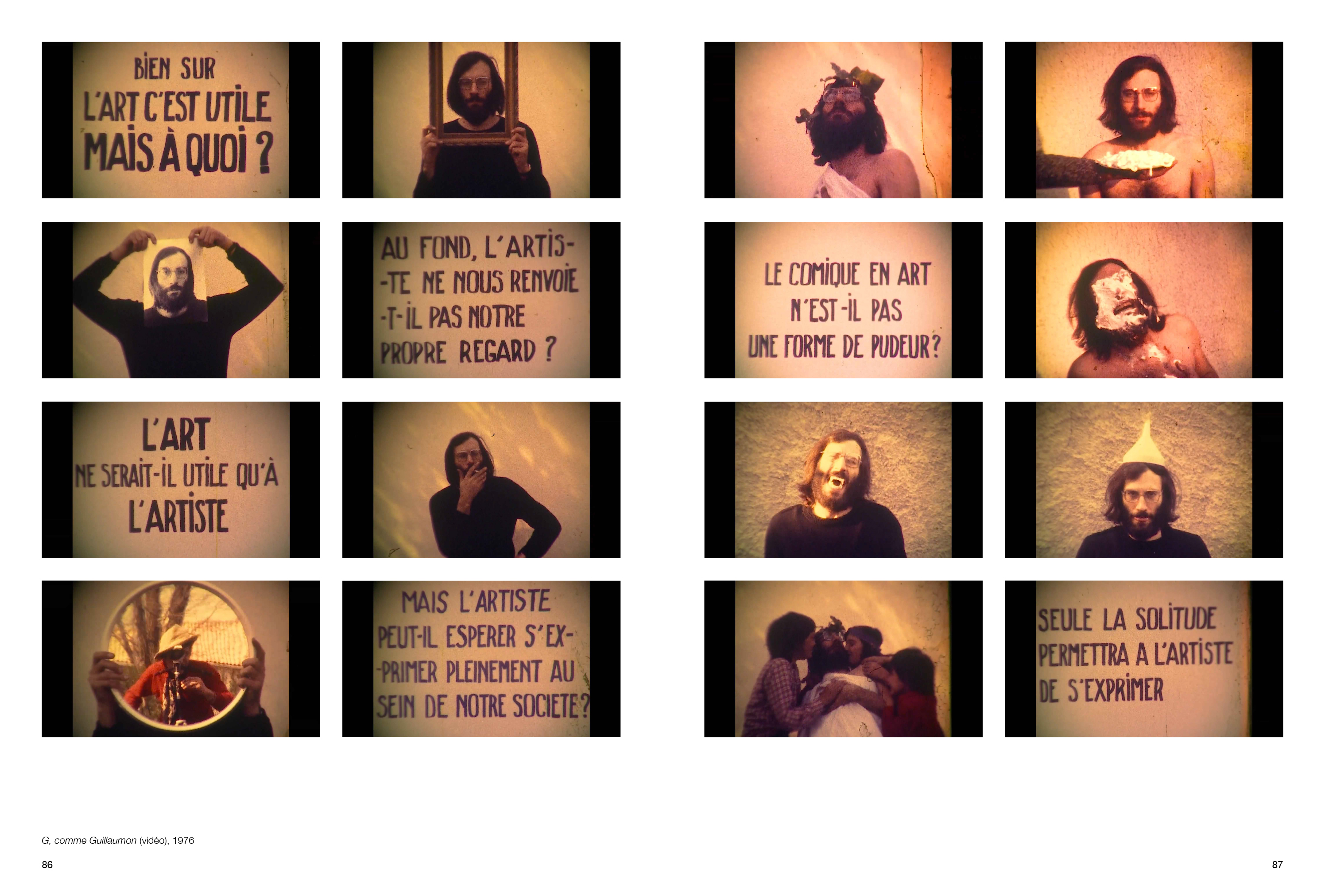
The first retrospective of the work of Jean-Claude Guillaumon (1943-2022), a self-taught artist who defies categorization, associated with the French
Fluxus scene, avid practitioner of happenings and other forms of ephemeral art.
Published on the occasion of the exhibition "Him again! Jean-Claude Guillaumon" at the macLYON in 2026.
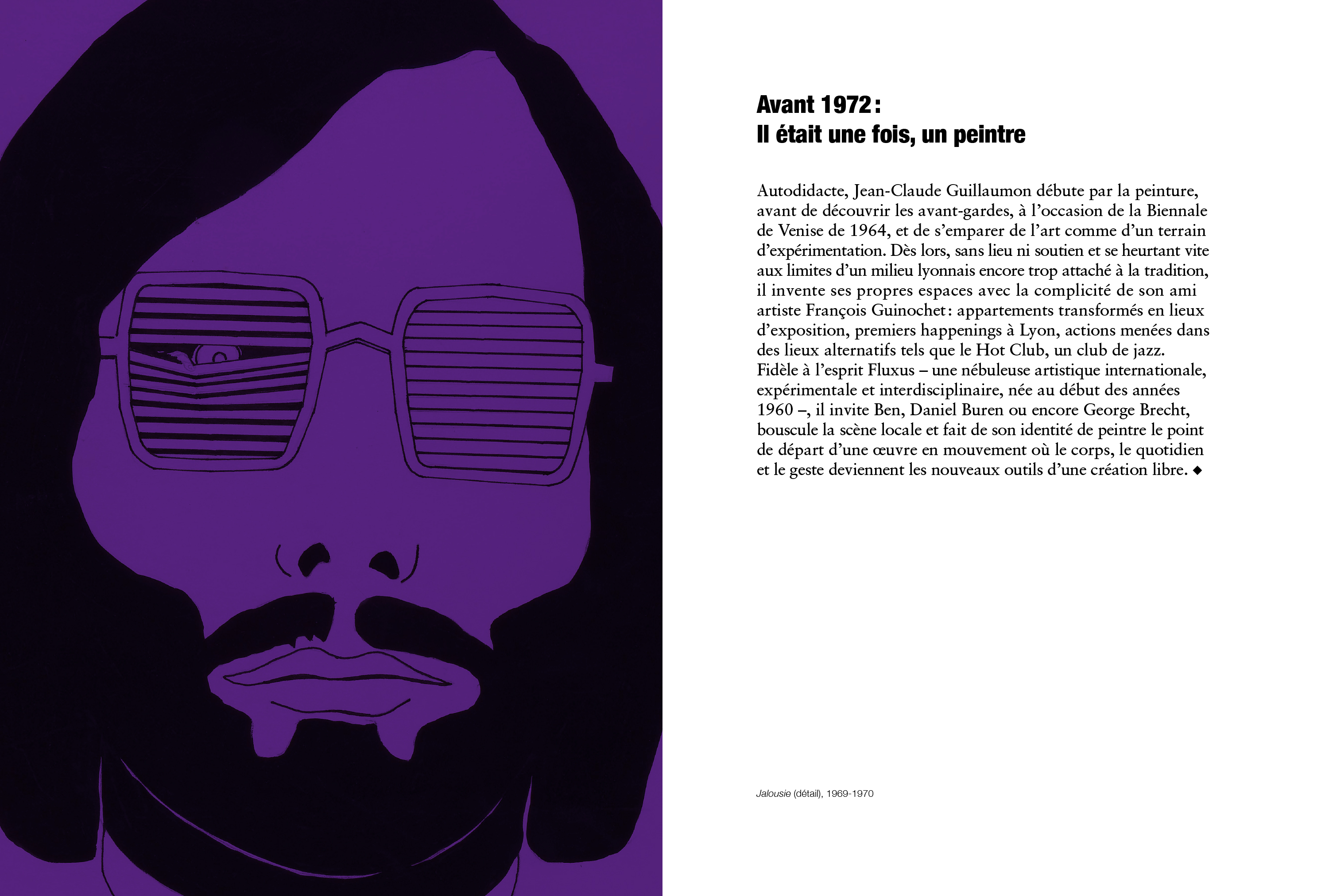
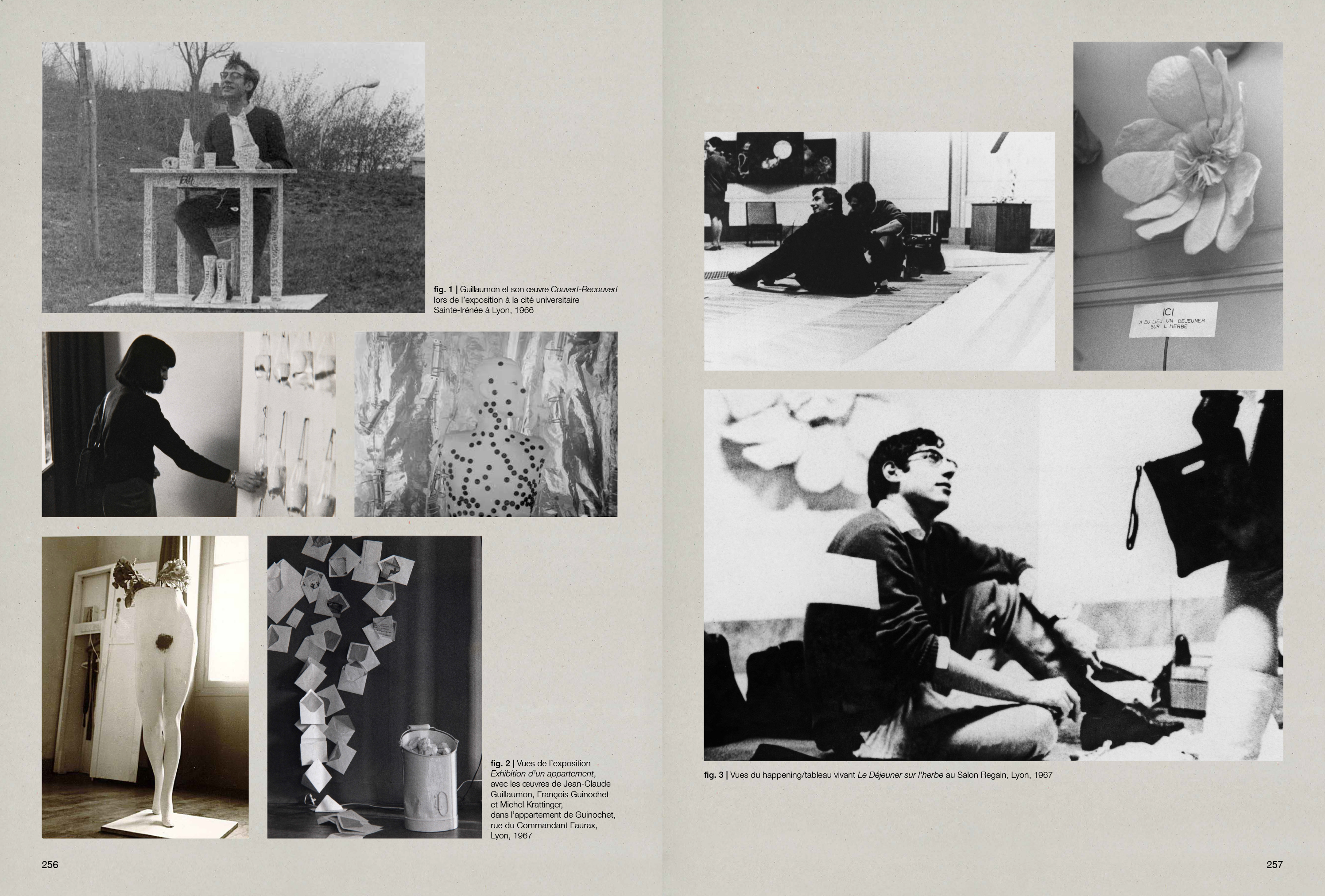
Born in Lyon in 1943, Jean-Claude Guillaumon started out as a painter before discovering happenings and environmental art at the 1964 Venice Biennale. He was open to all the different forms that creativity could take and got involved with the
Fluxus movement, working with artists like
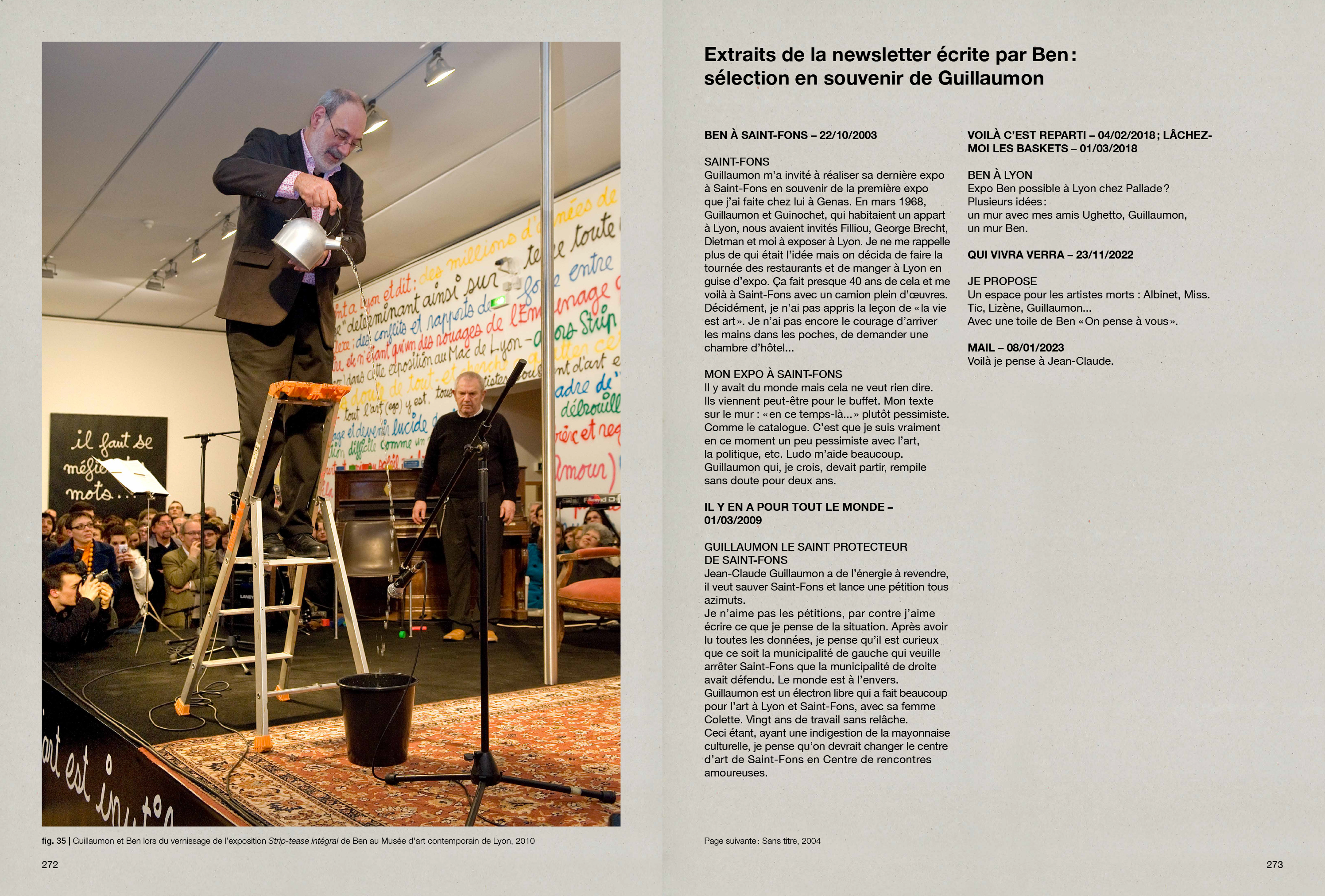
Ben,
George Brecht, and
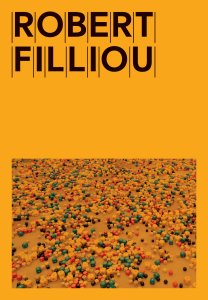
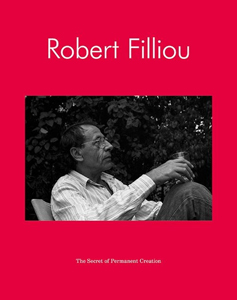
Robert Filliou, as well as
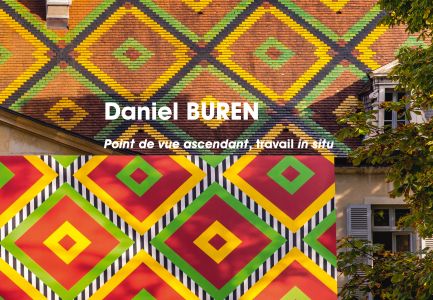
Daniel Buren,
Olivier Mosset, and
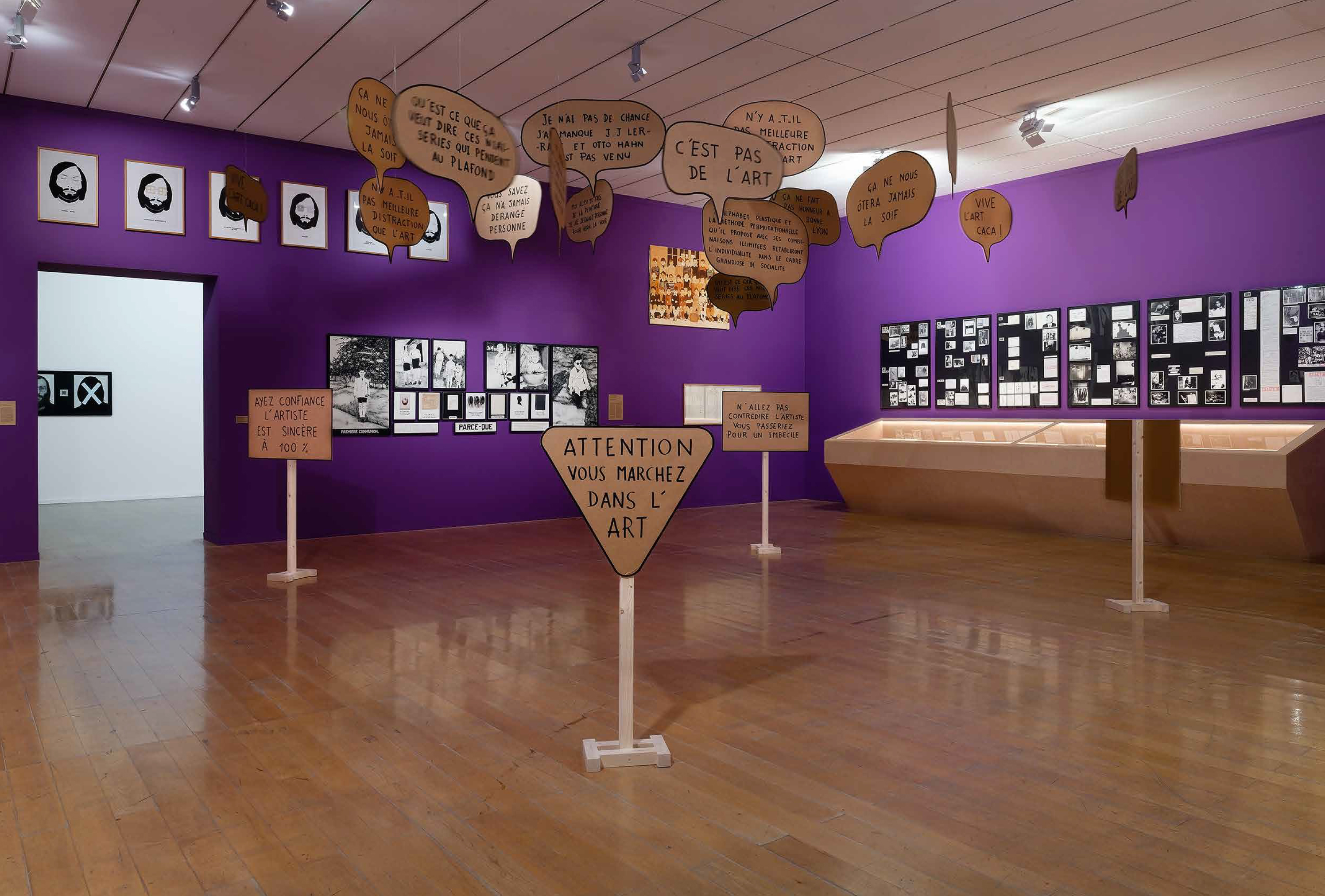
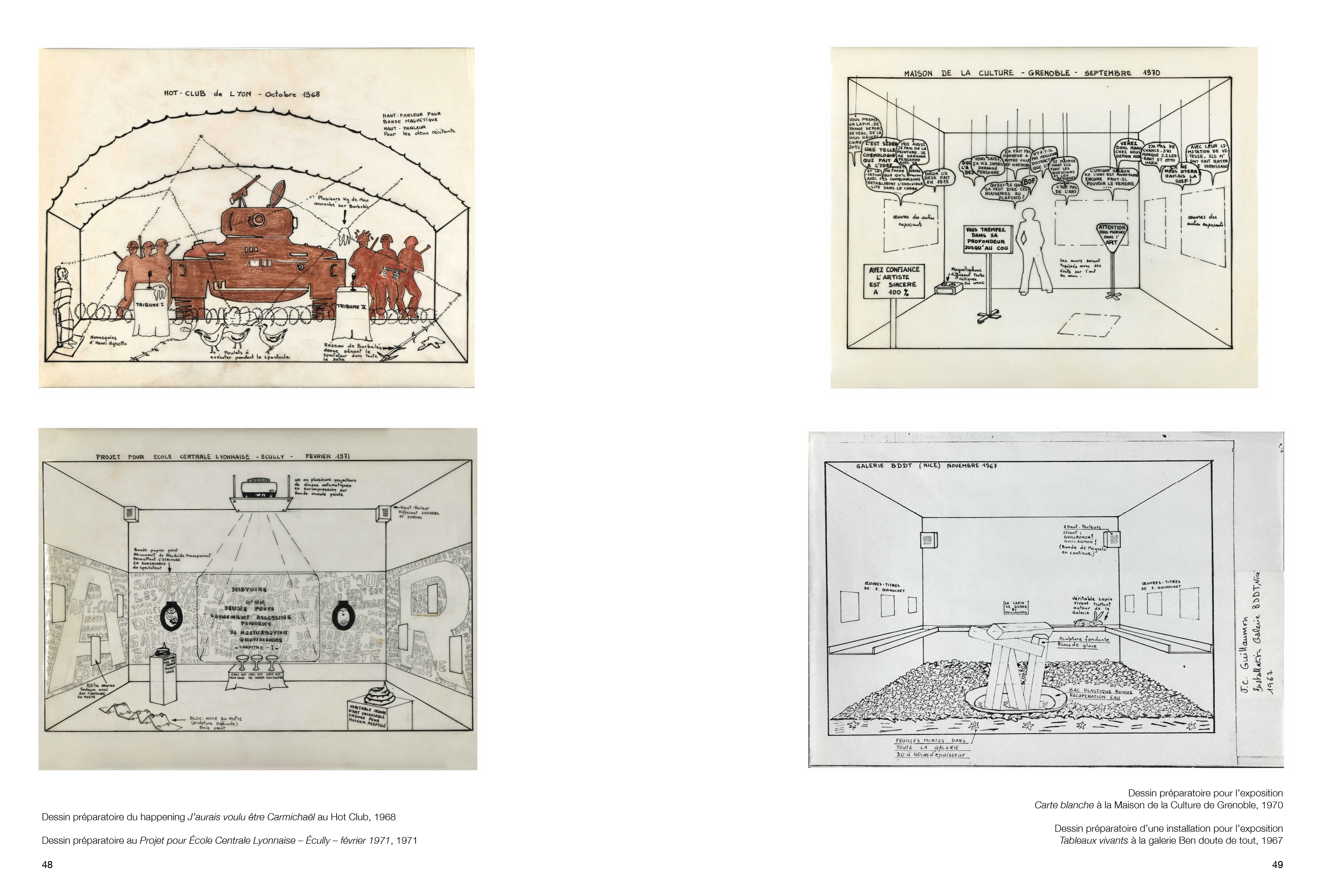
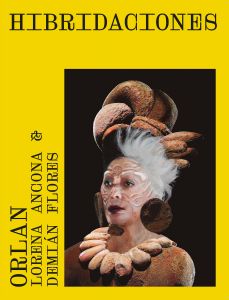
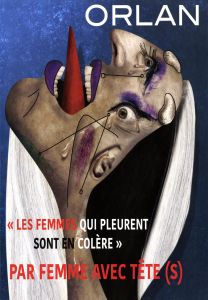
ORLAN. Under the motto "Art is life", he organised several happenings and was instrumental in the rise of this alternative movement in the Lyon region, giving a good shake-up to the local art scene and its institutions in the process. At a time when emerging new art forms from that second avant-garde were very centralised (mainly in Paris), those artists who were doing it in the regions came to be seen as real pioneers.
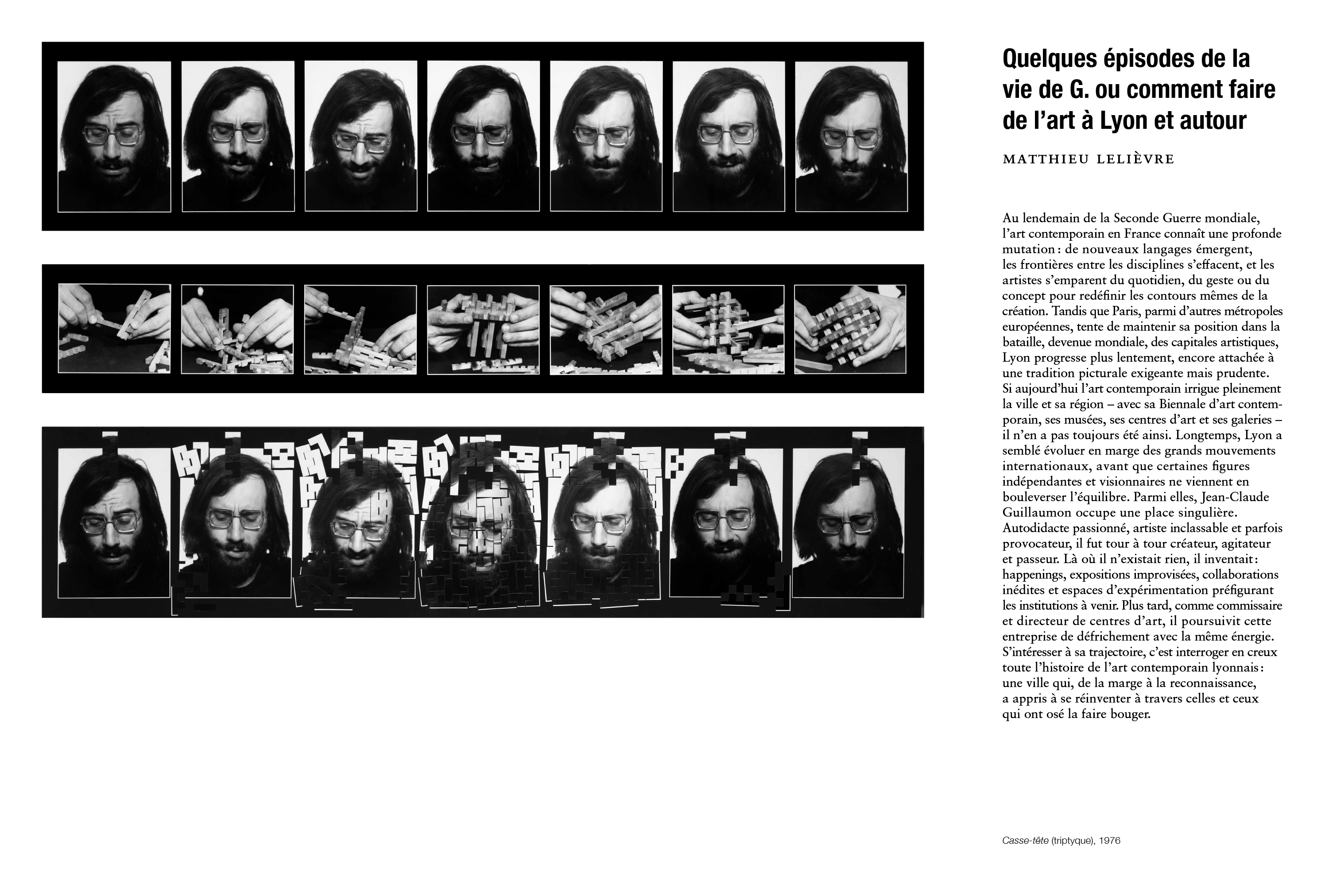
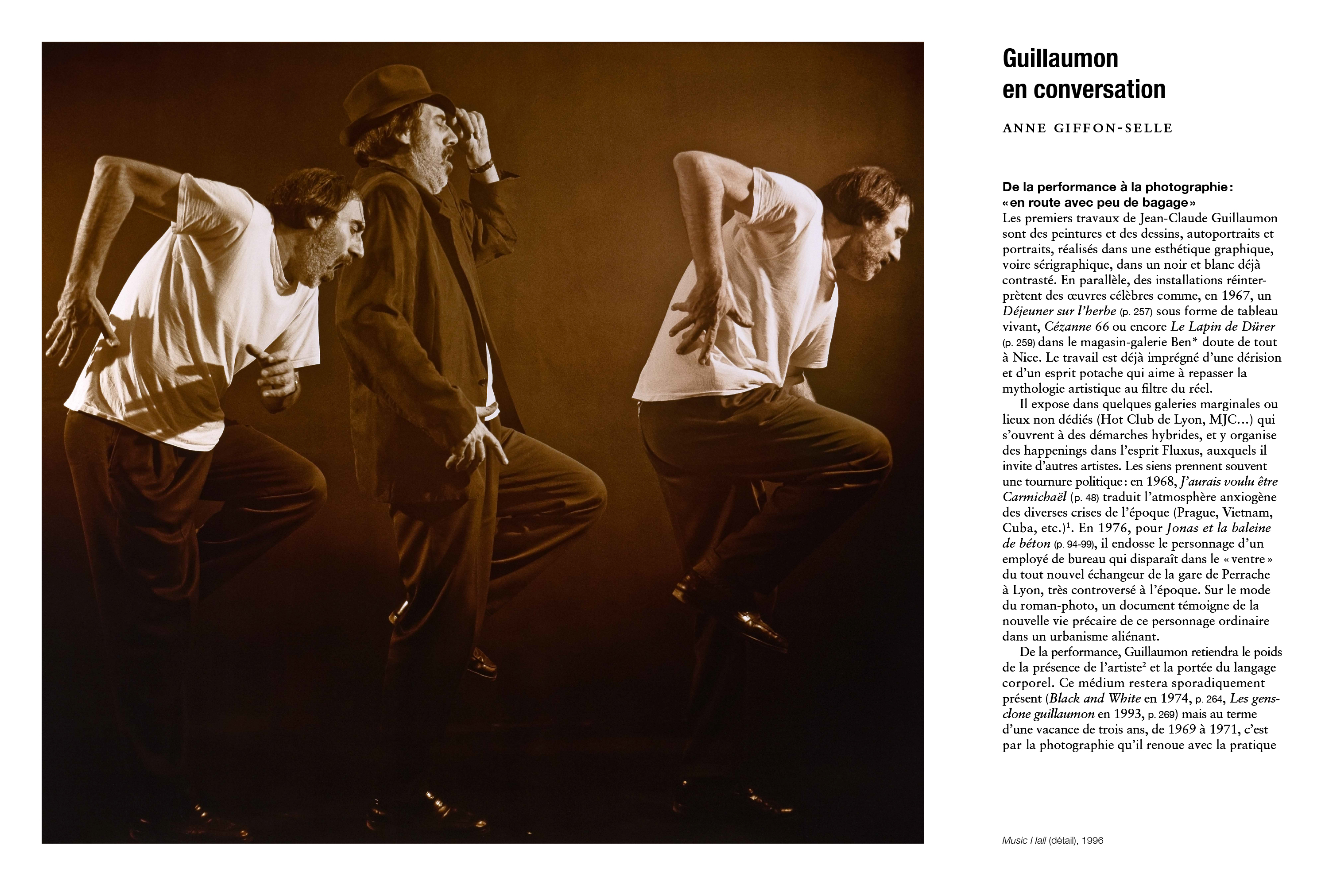
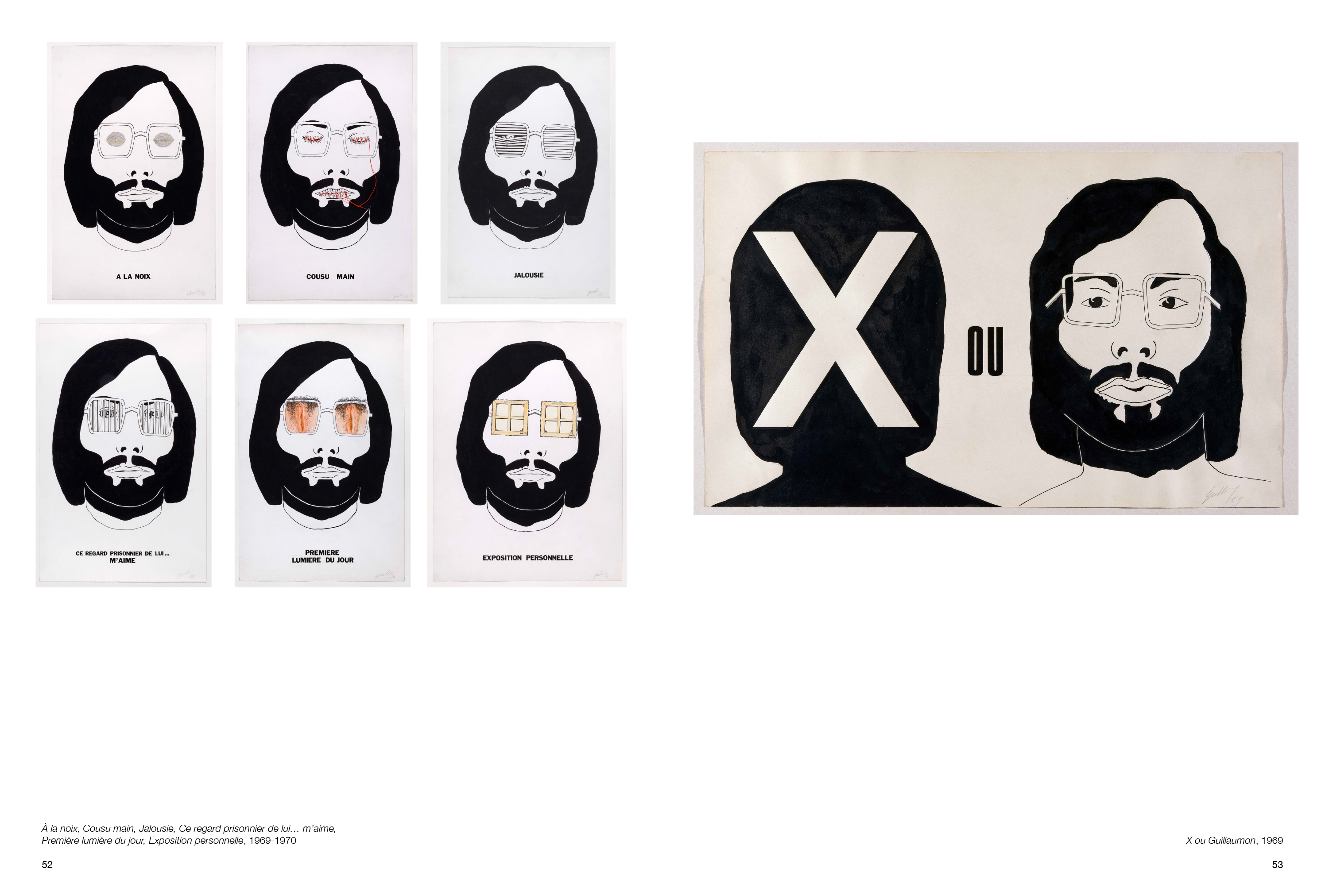
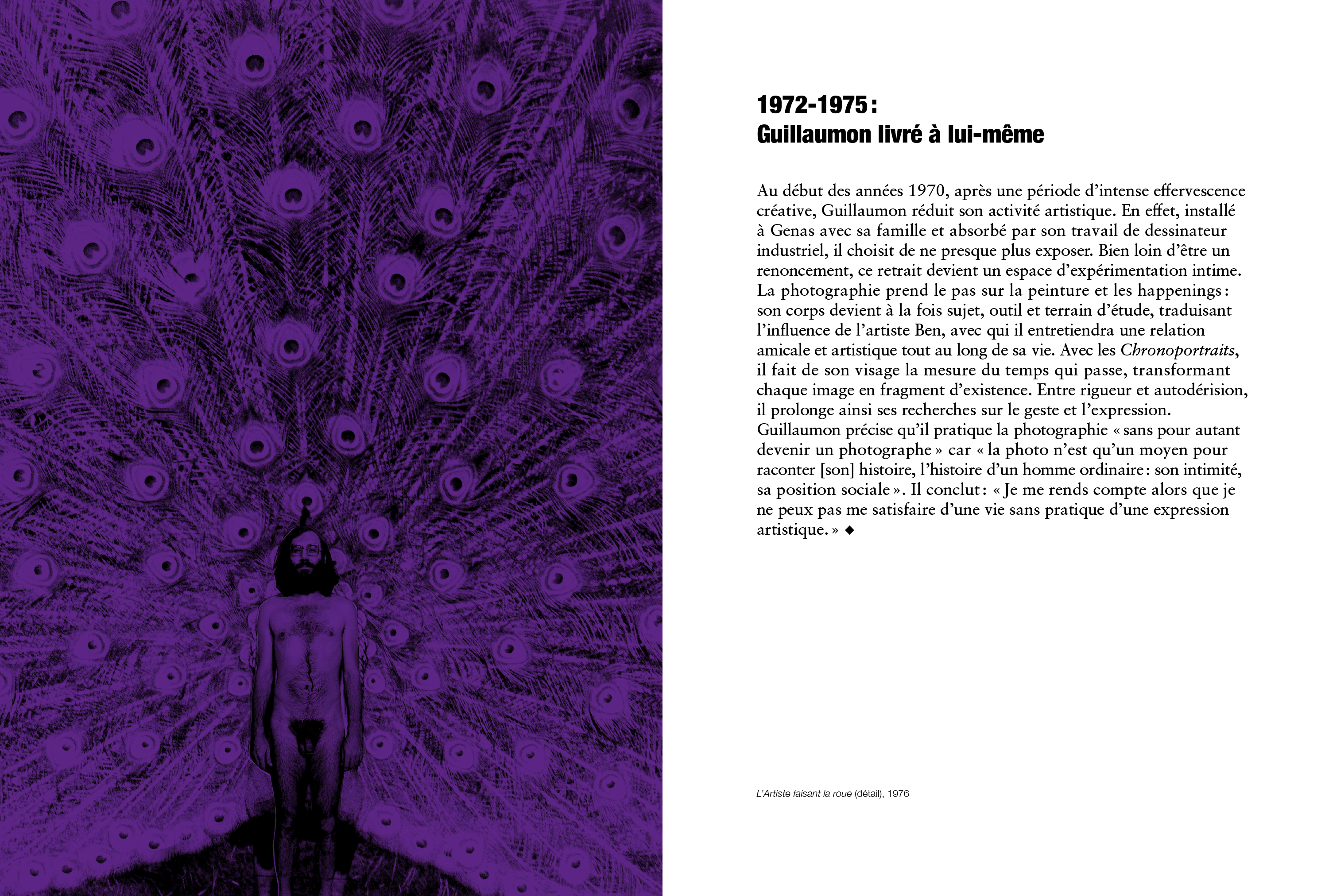
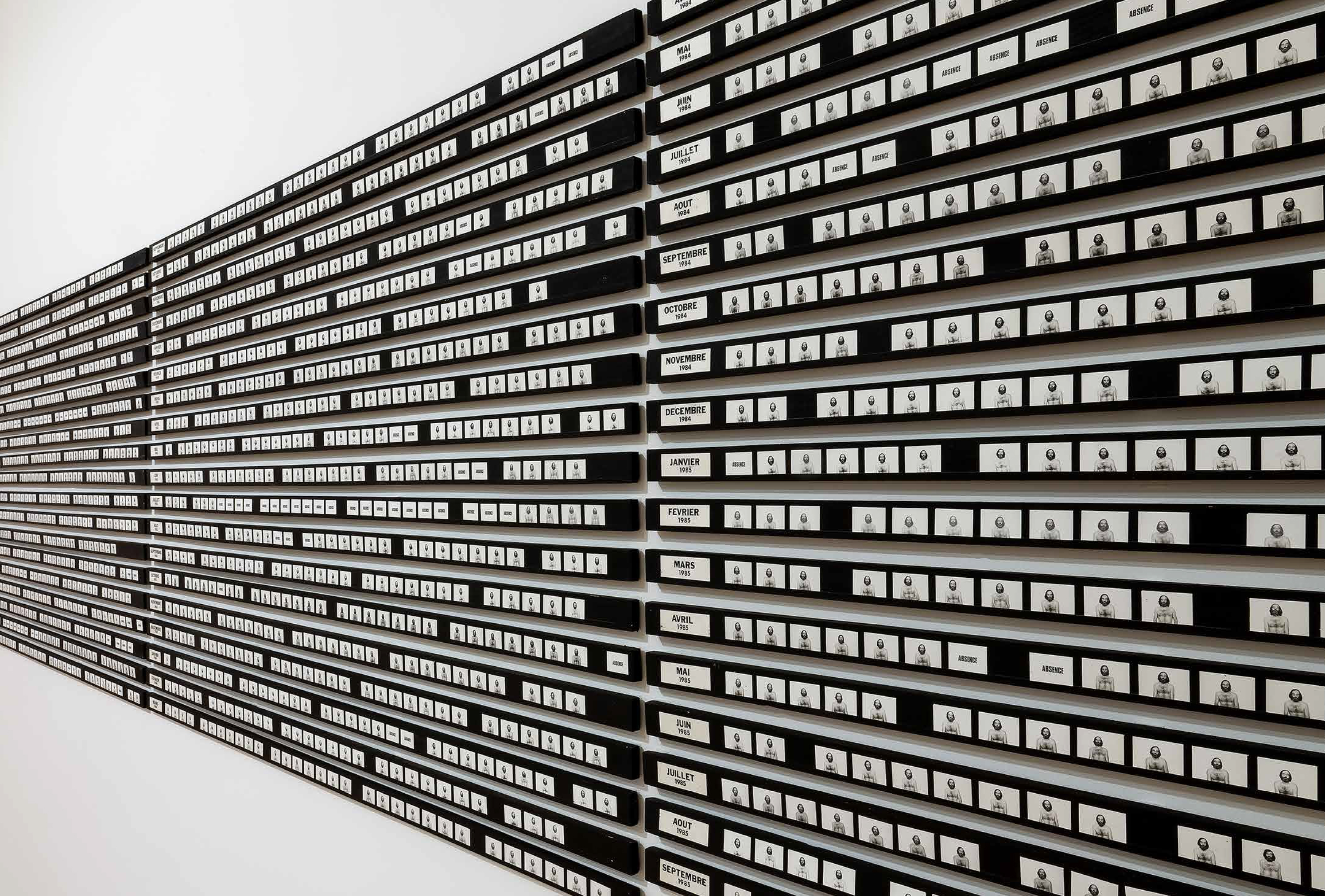
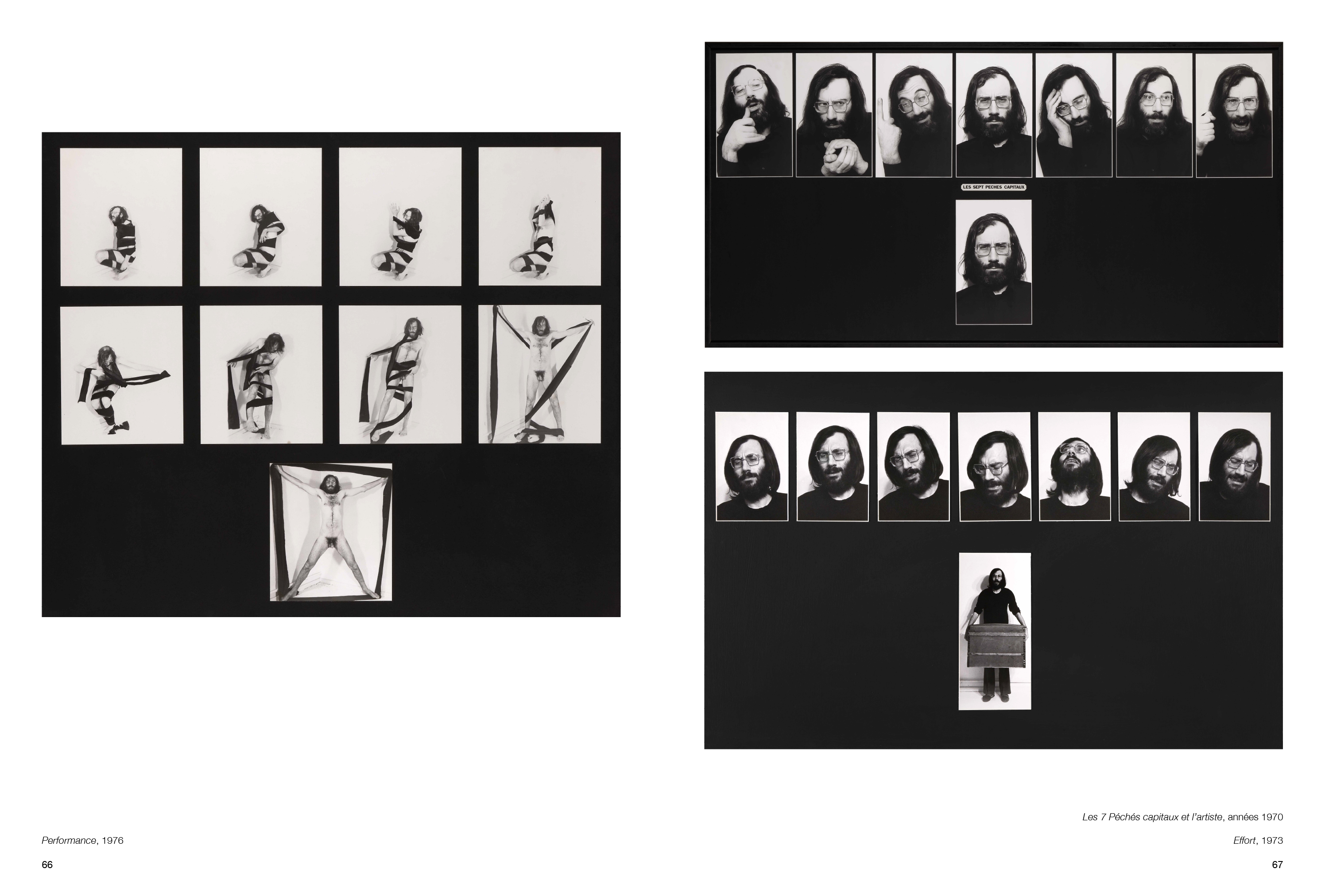
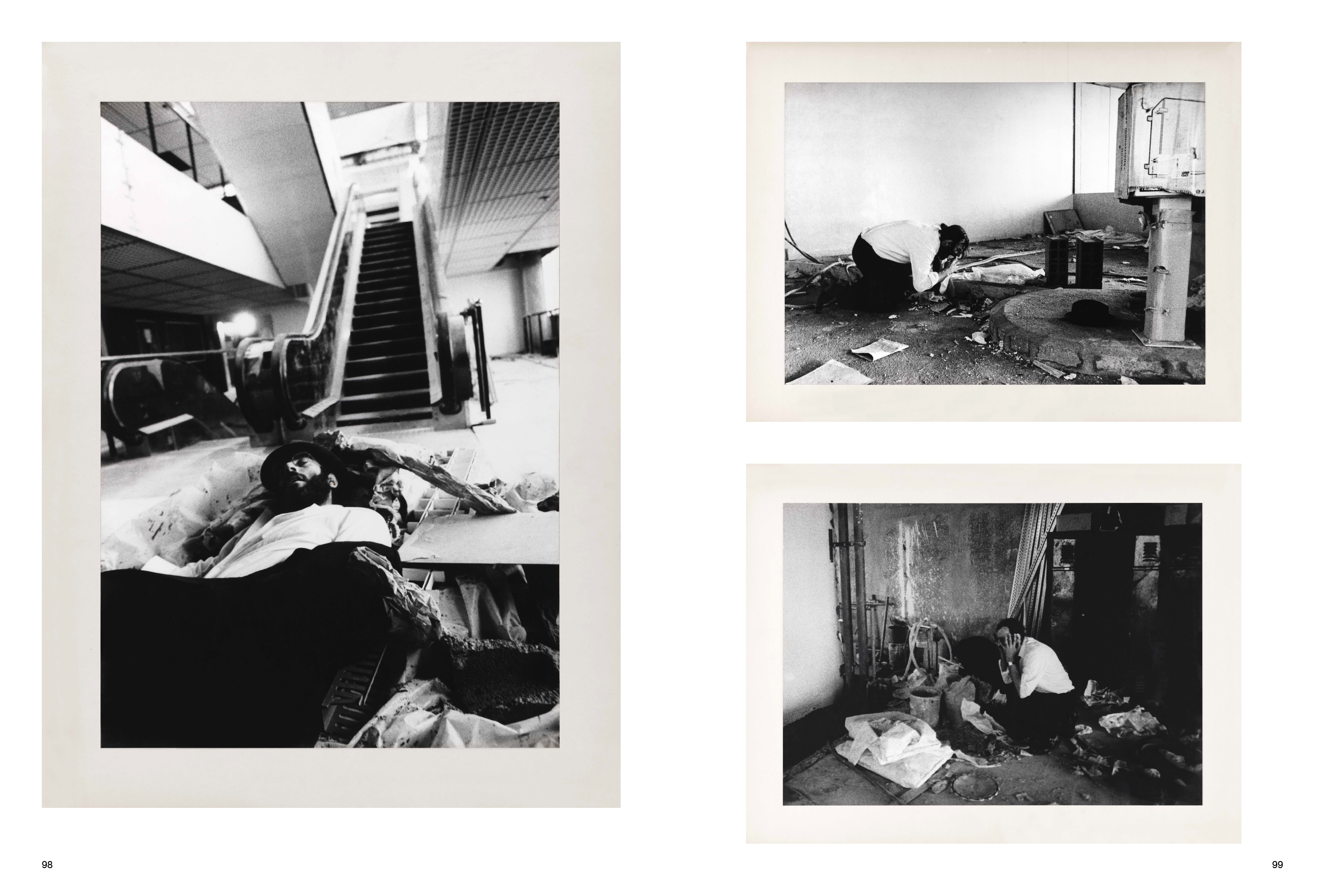
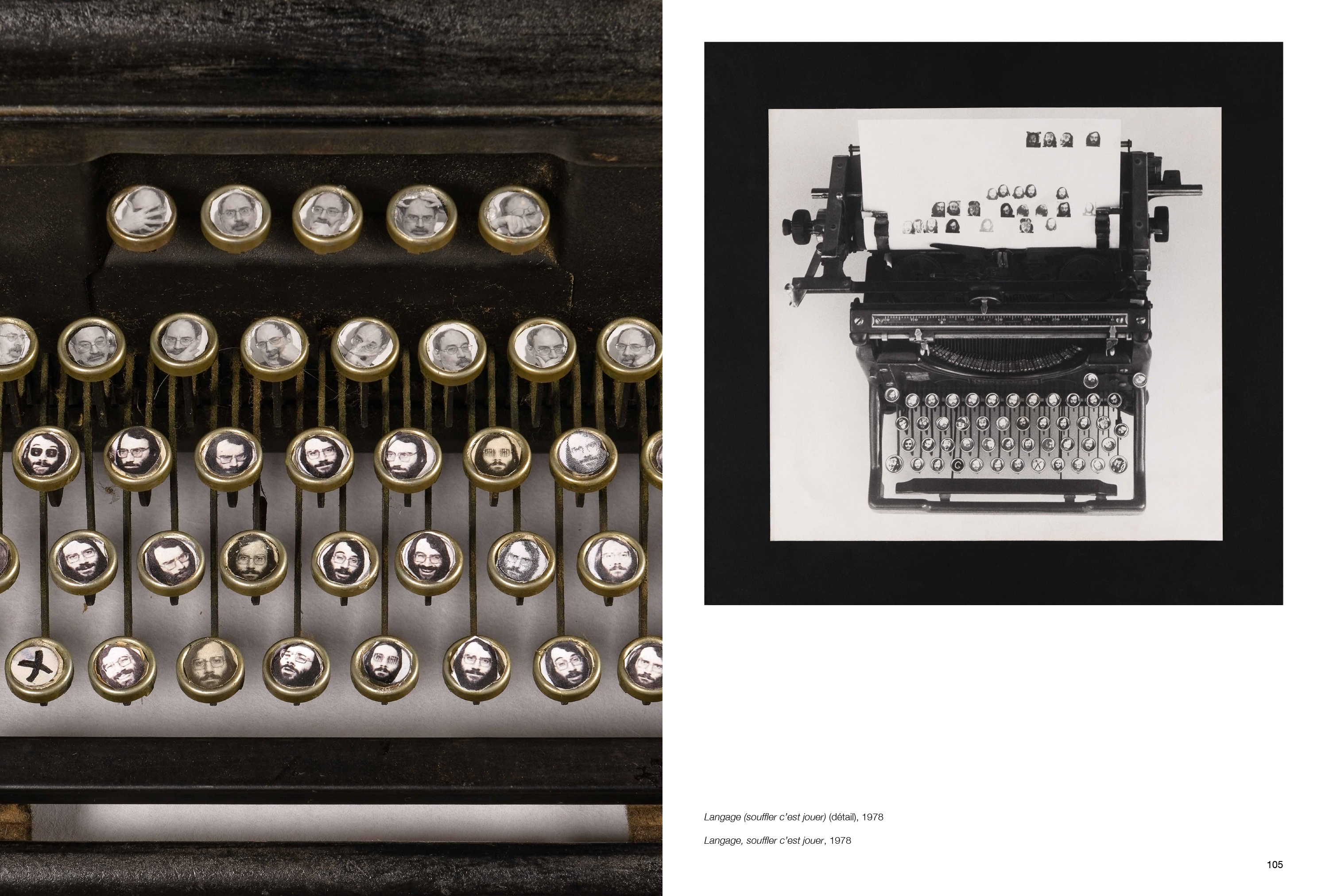
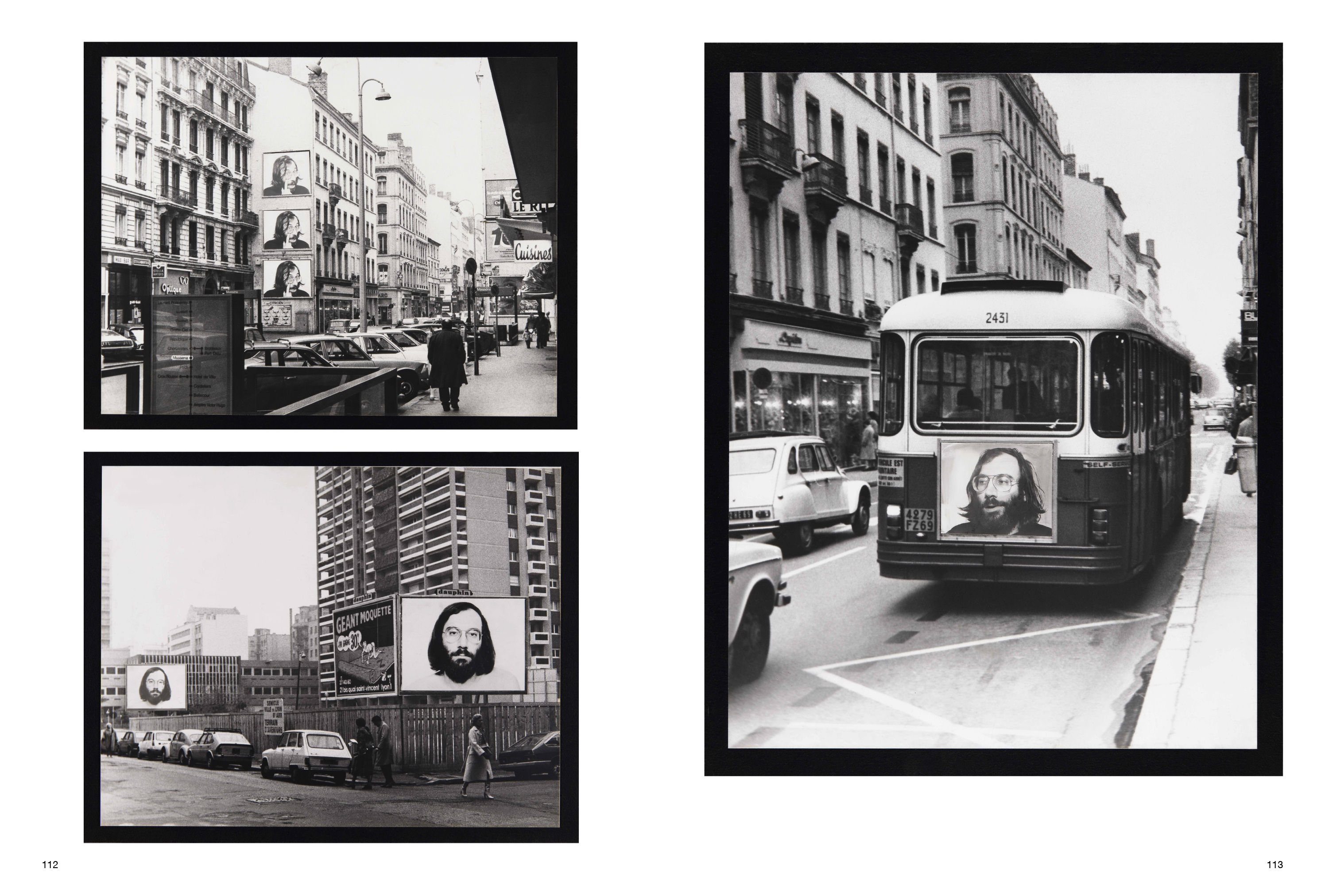
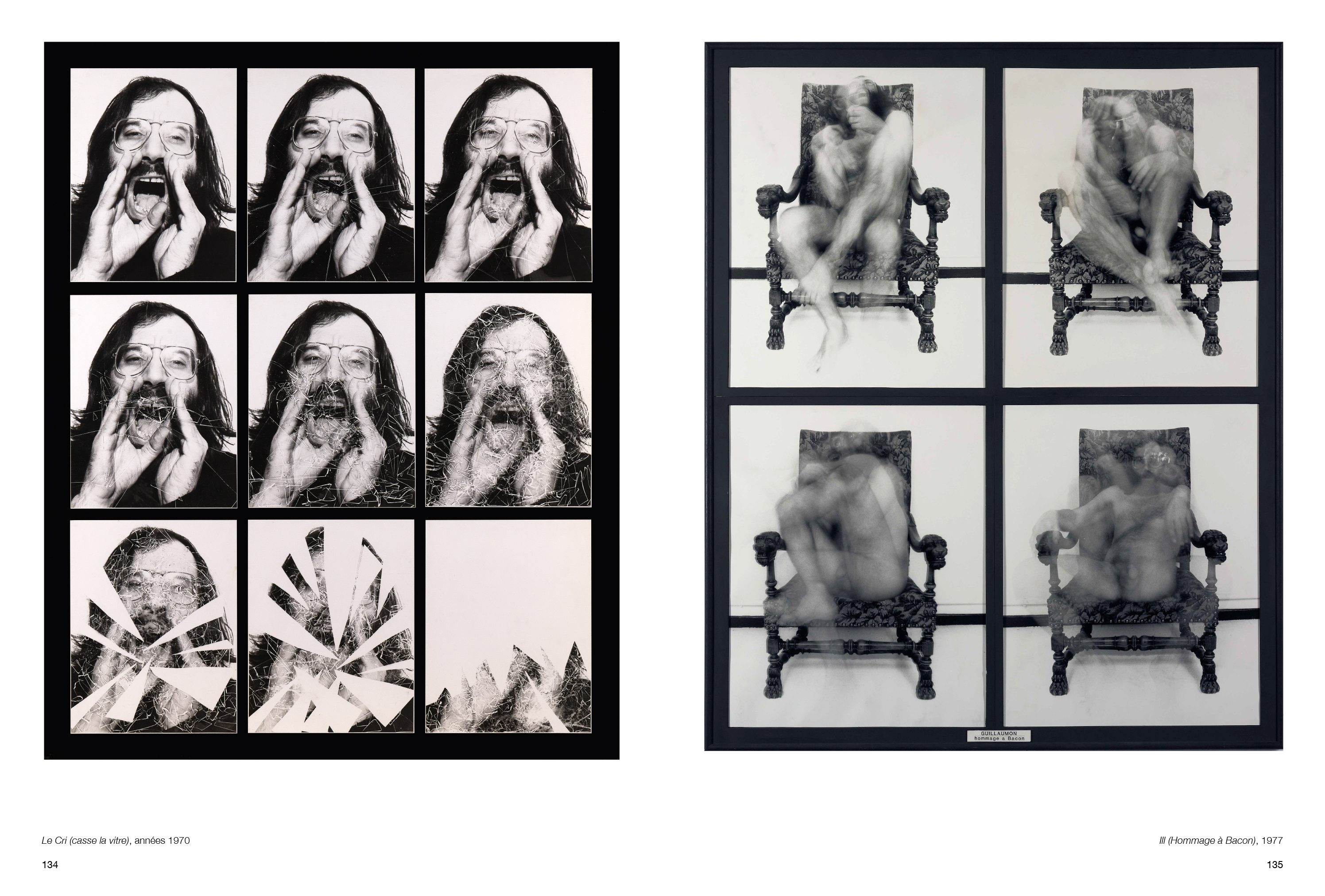
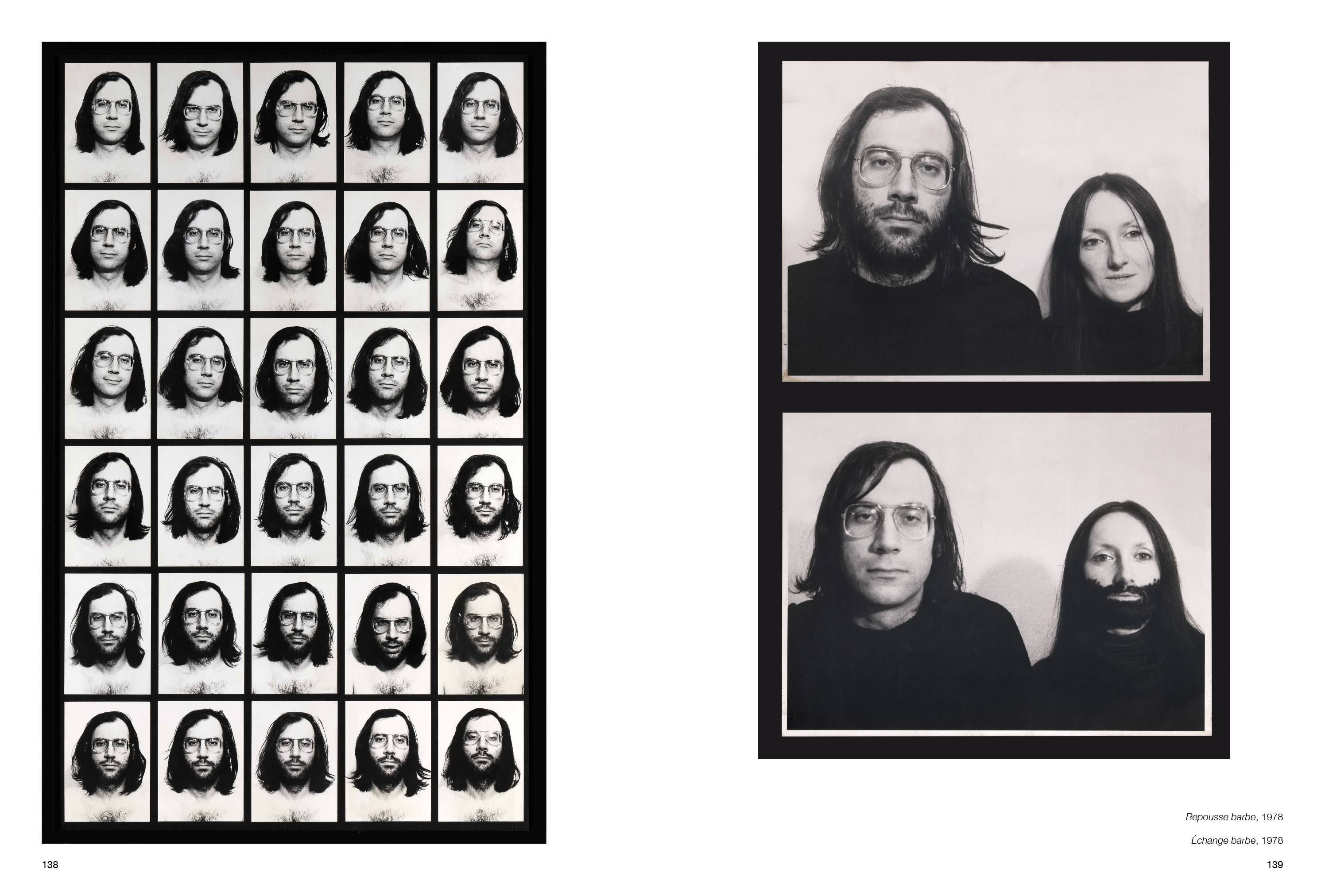
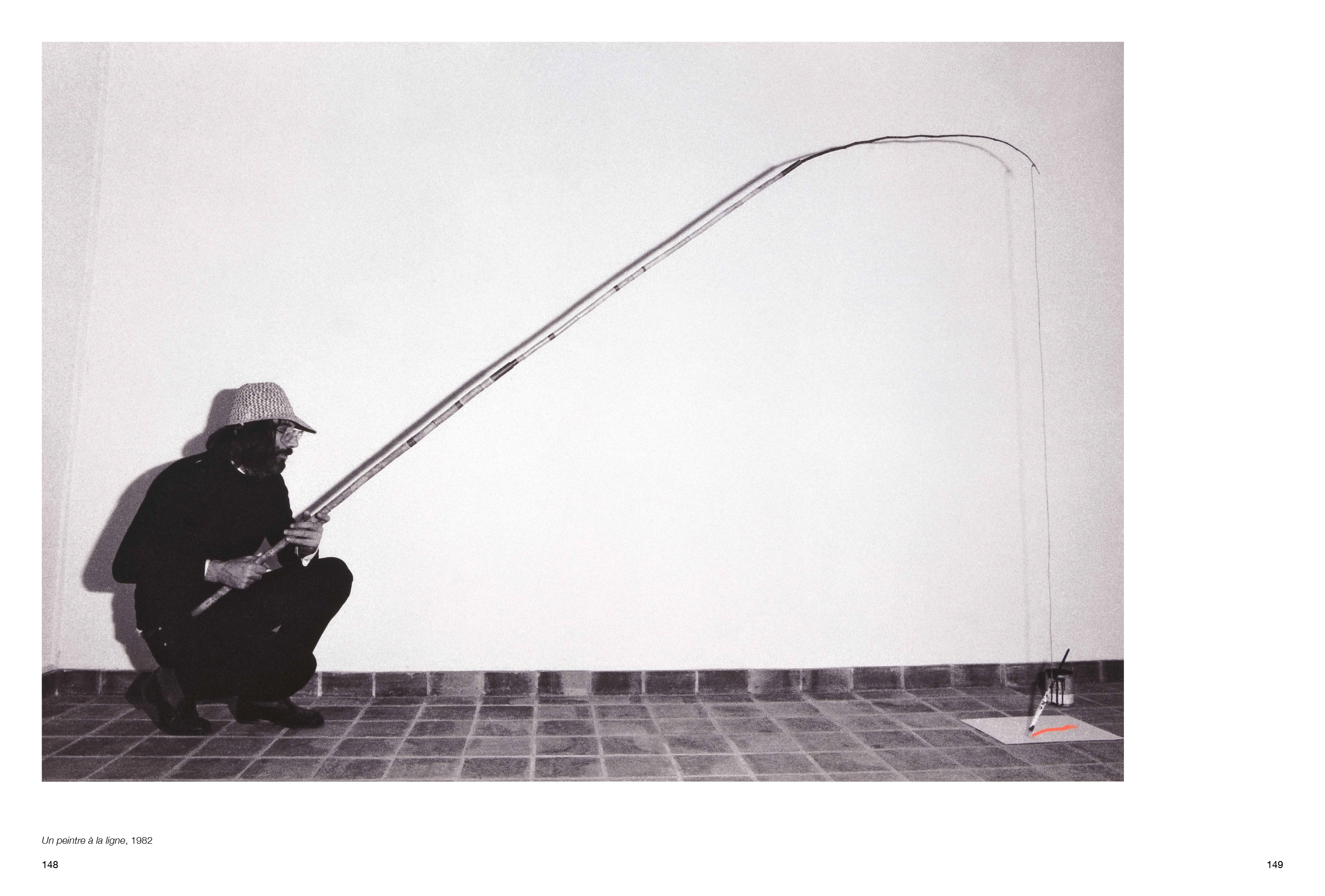
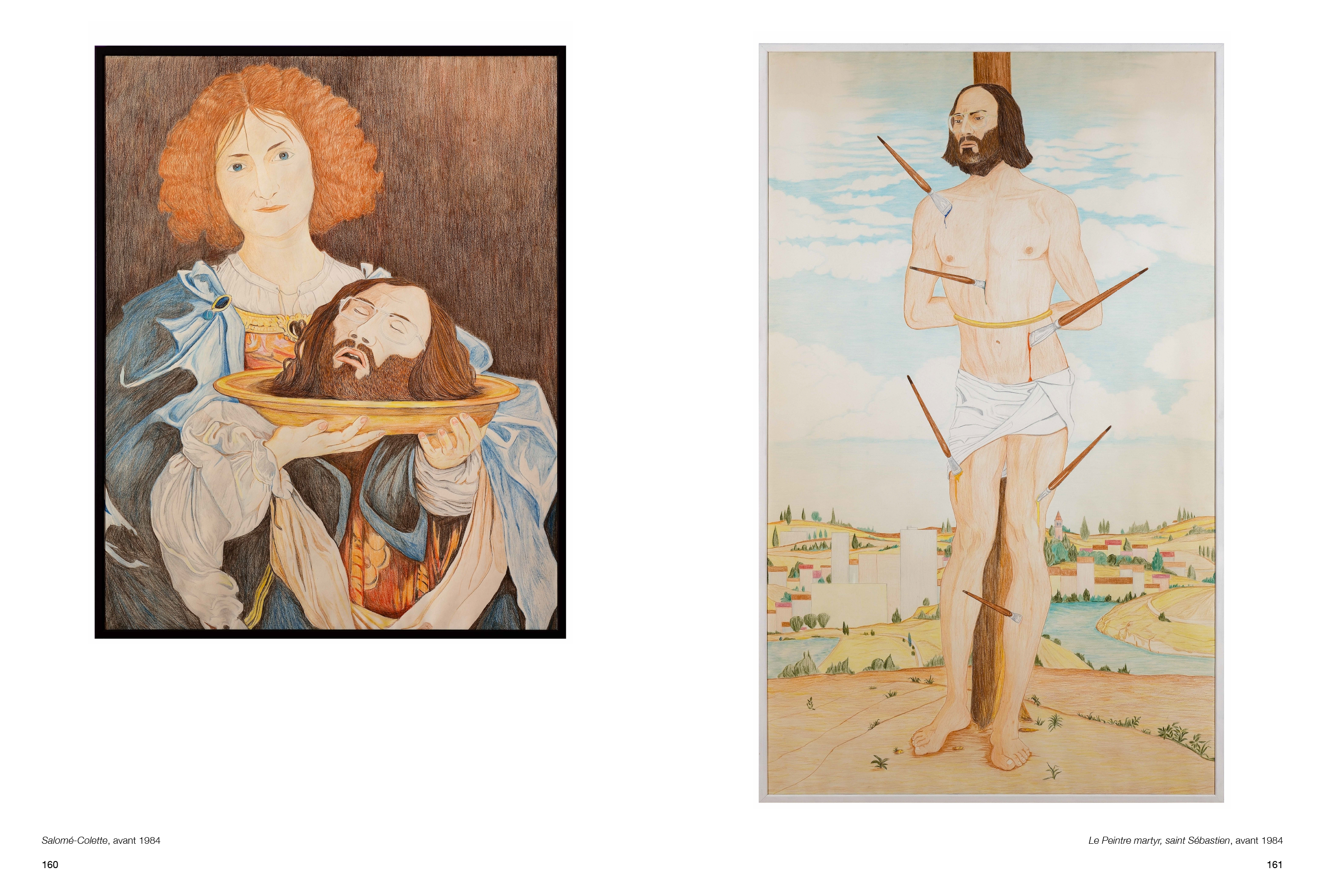
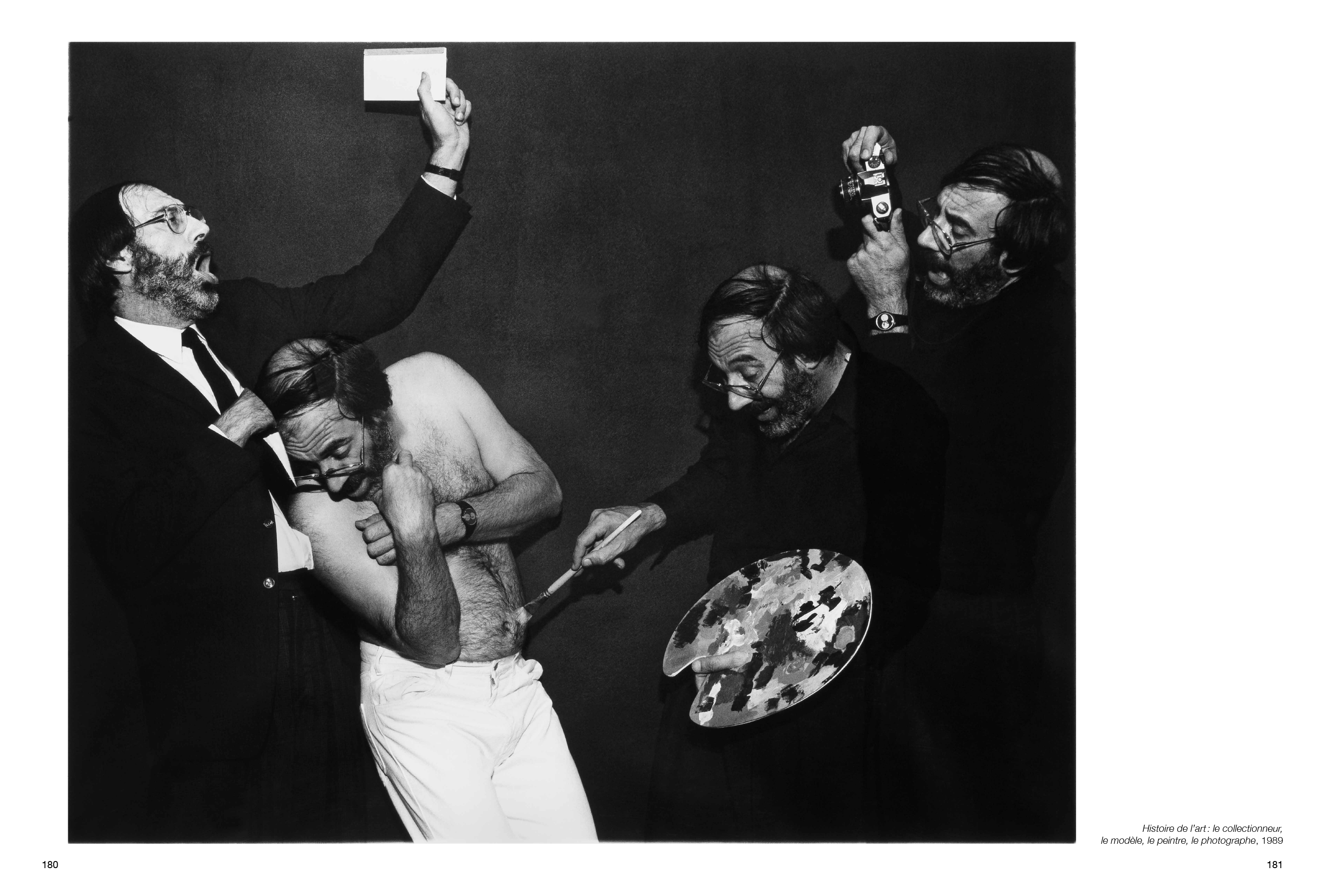
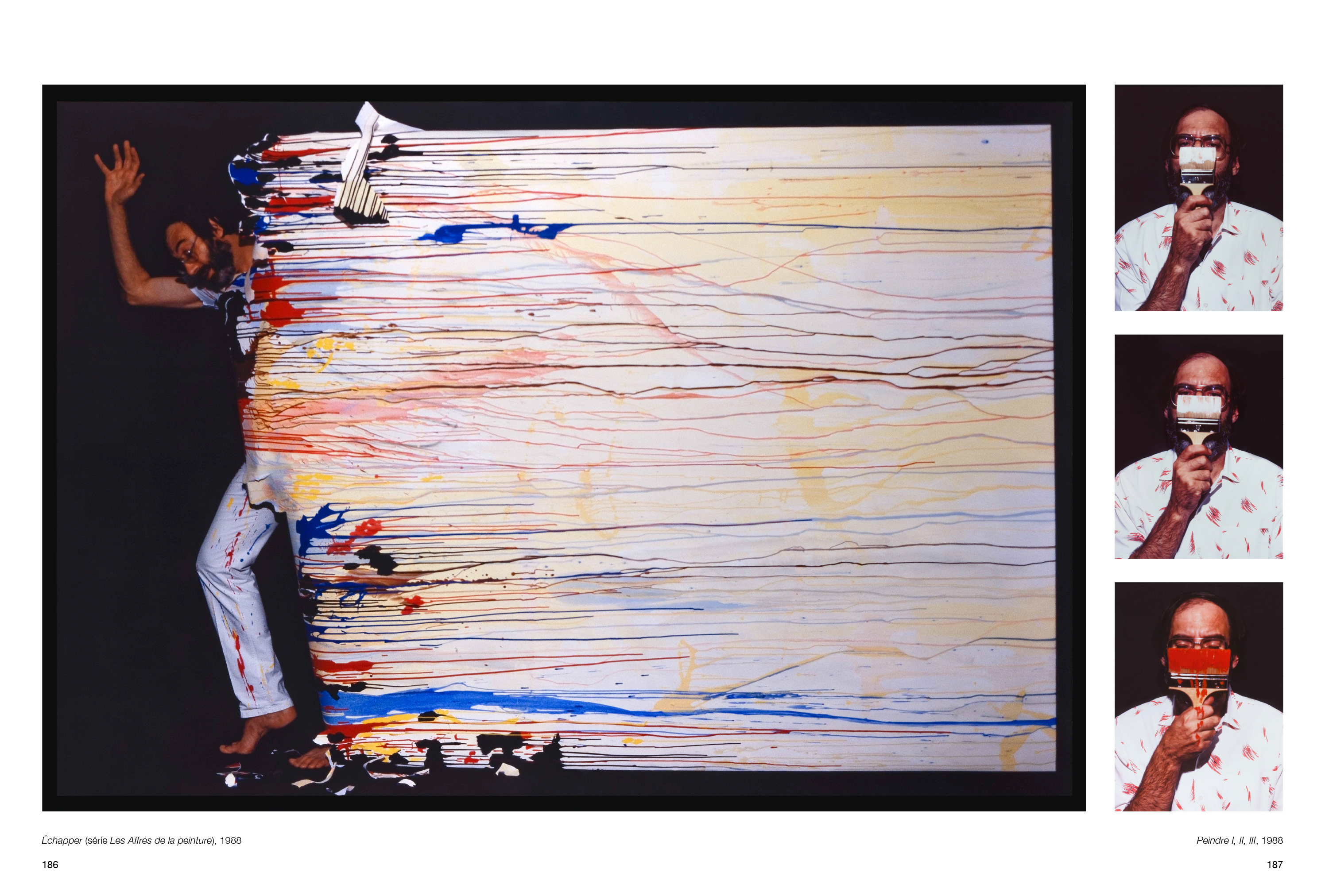
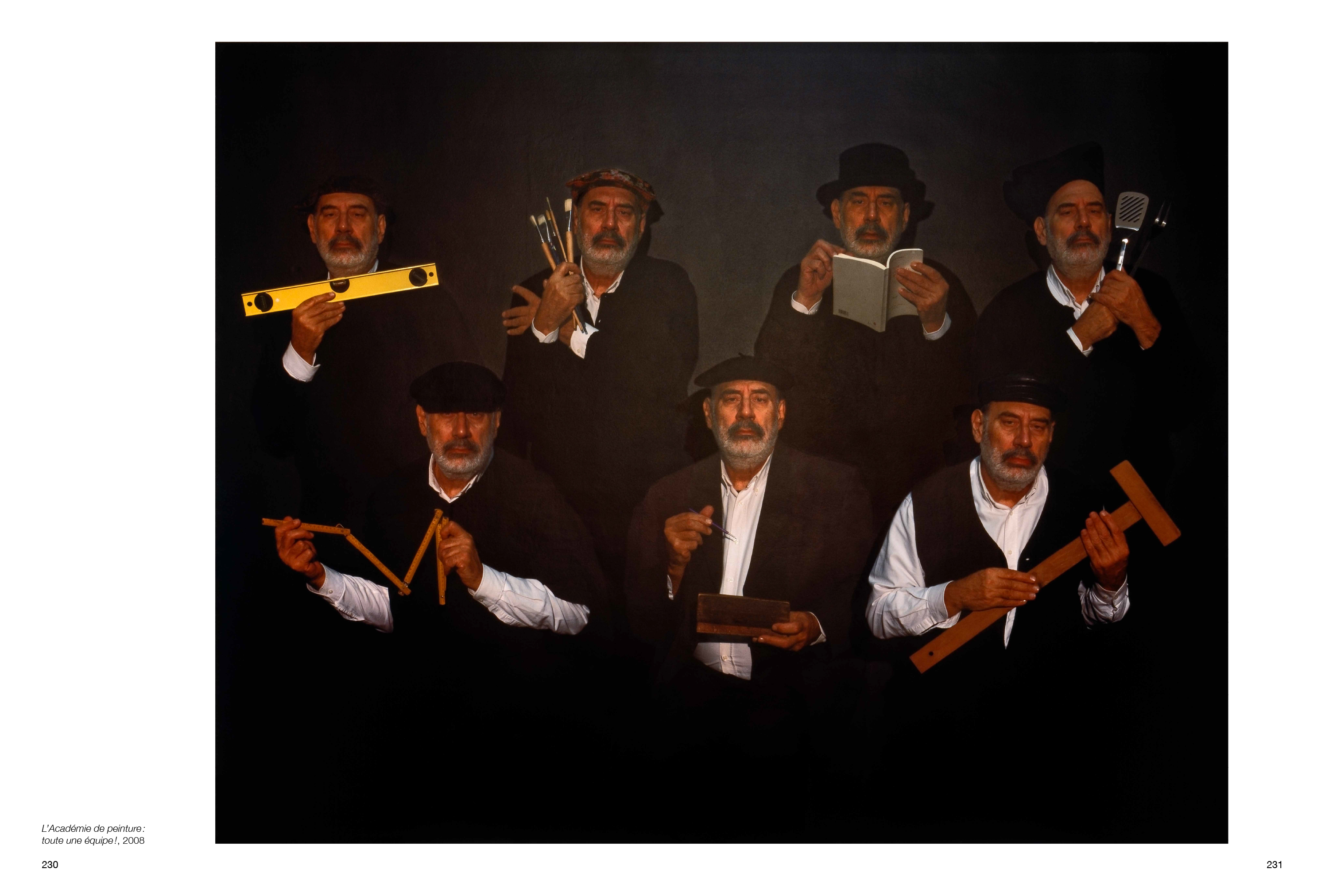
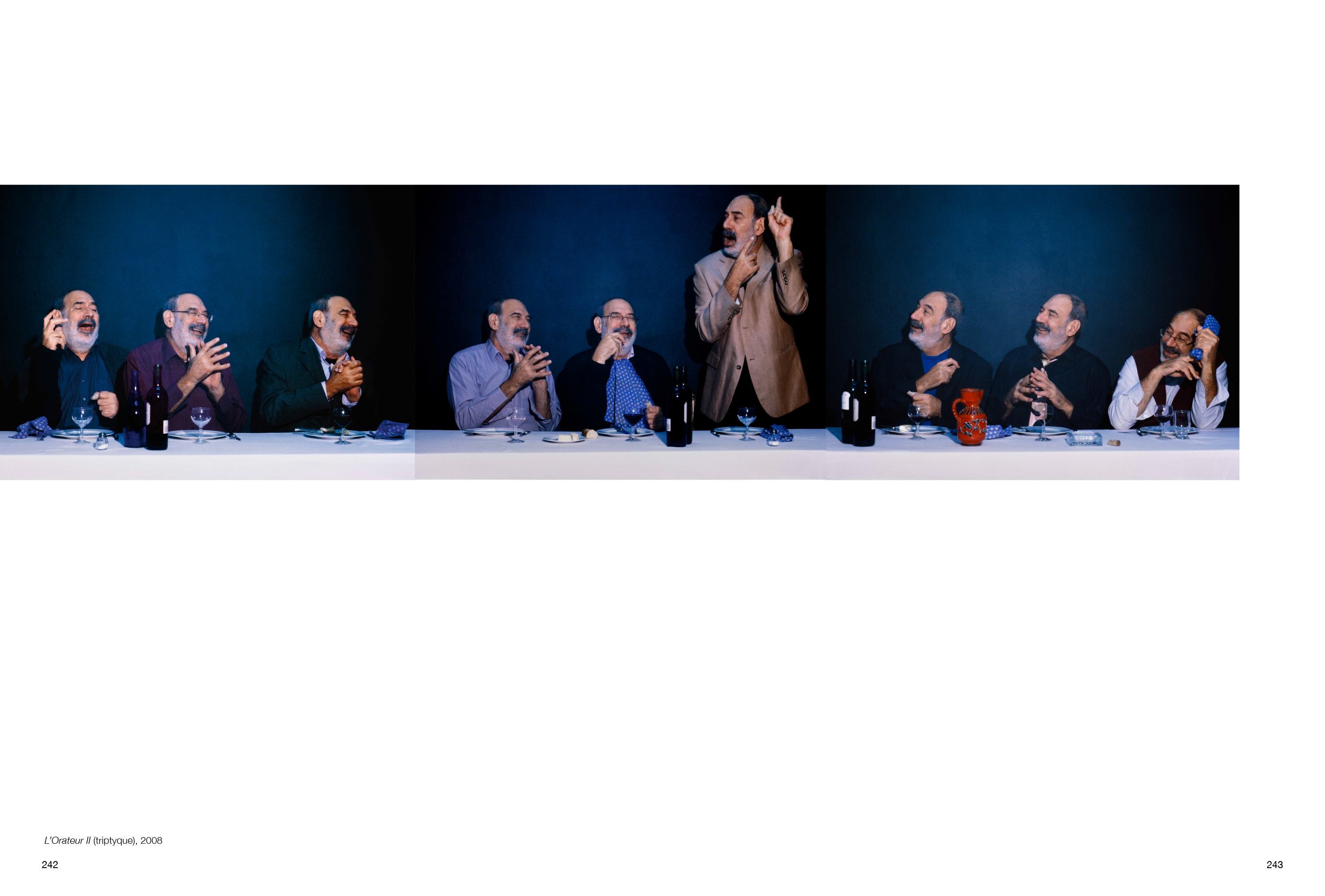
In the 1970s, Jean-Claude Guillaumon gradually turned away from happenings and Fluxus in favour of black and white photography. He used his own body in what were often bizarre, comical compositions, reflecting a sense of mischief that was nonetheless totally committed to society and art. "[…] I have taken countless photographs of myself in compositions where I act out all the different roles that human beings adopt. Humour and self-mockery, which are everywhere in this work, are my way of dispelling the vanity of portraying my own image. So my role is that of Everyman, but also the role of the artist and his place in society, as reflected in the history of painting."" Throughout his life, his work, which he created with limited resources, championed the indissoluble link between art and life. Long before the age of the selfie, his own body was both subject and object of his art, travelling through time and space and bearing witness to the central role of art in all his relationships, whether personal, family or on the art scene.