The language of borders has become inescapable. It shapes political discourse and public debate, but also the ways in which images circulate, technologies operate, and communities imagine themselves. Today, borders are no longer confined to the edges of territories; they emerge through infrastructures, memories, architectures, and systems of representation, revealing themselves as dynamic sites where identities, geographies, and forms of belonging are continually negotiated.
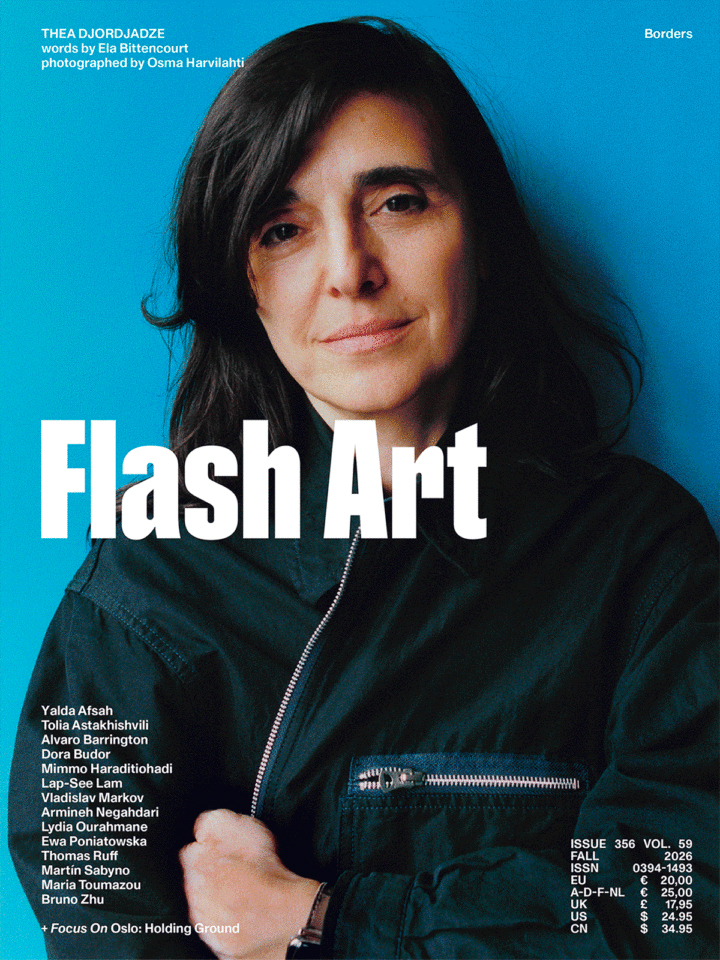
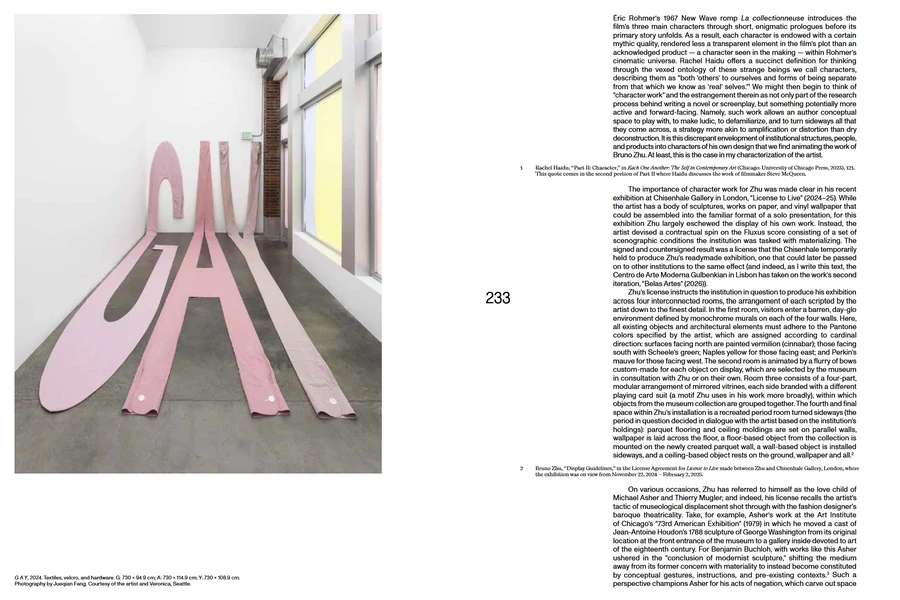
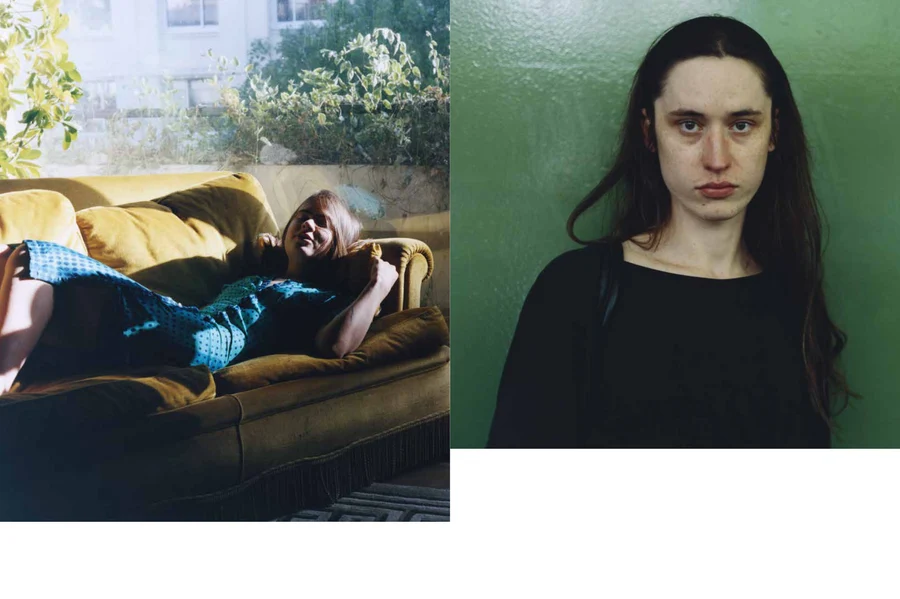
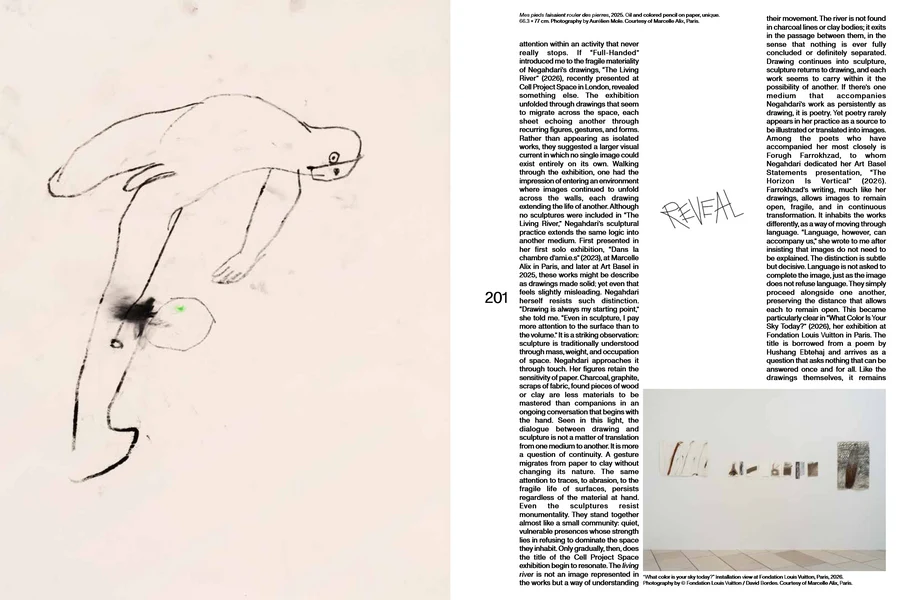
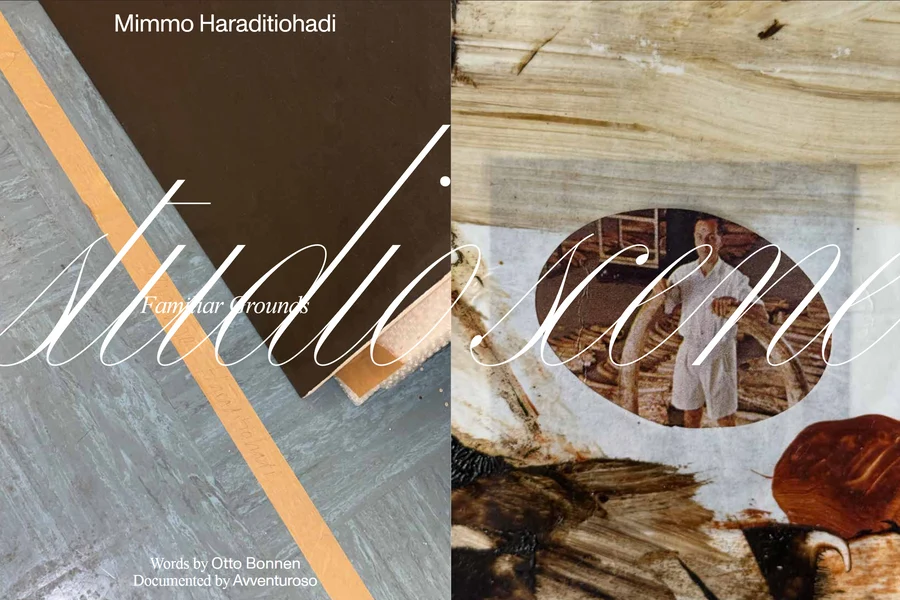
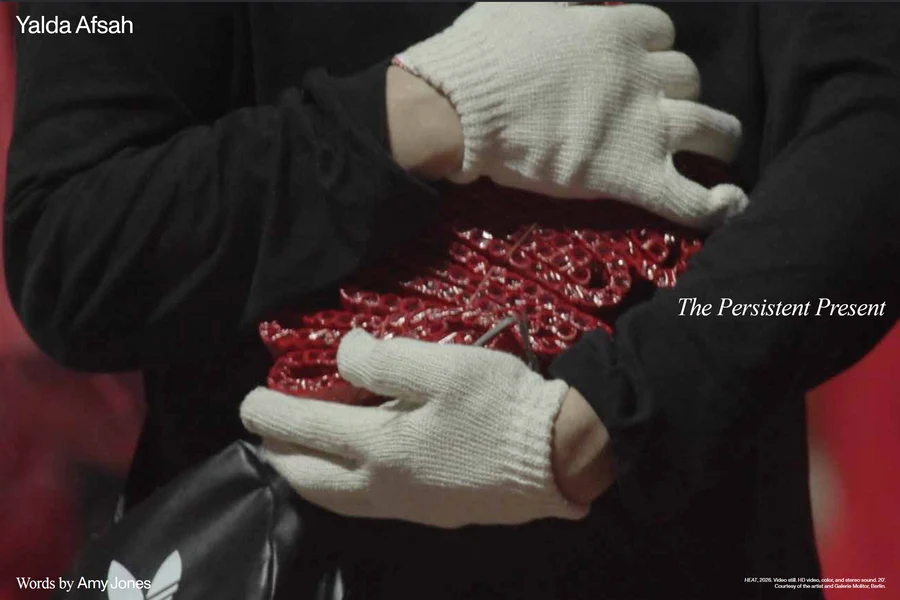
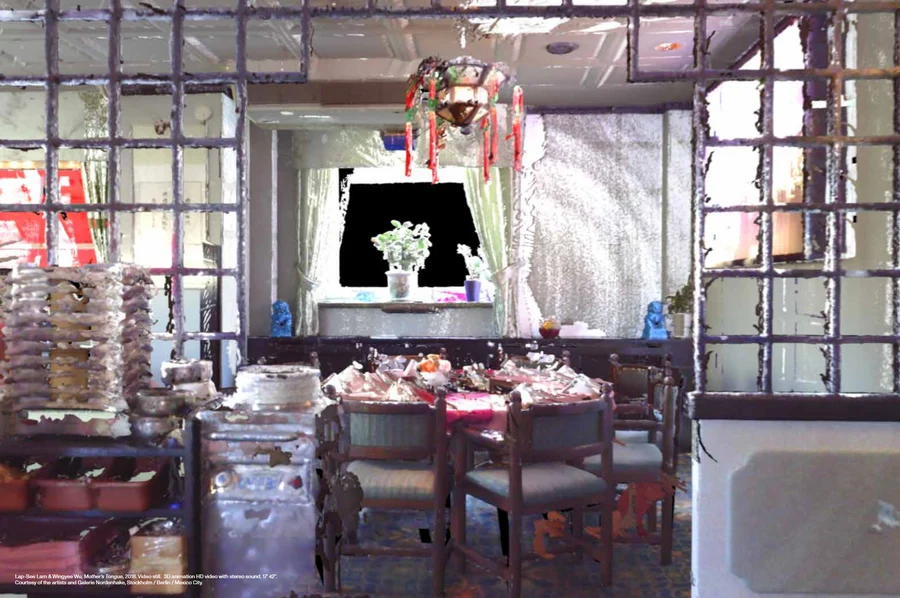
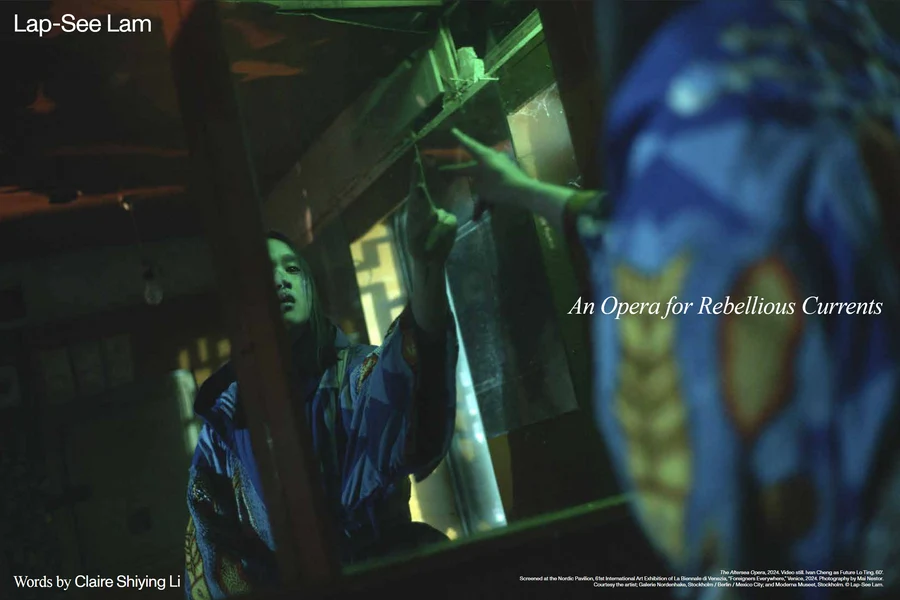
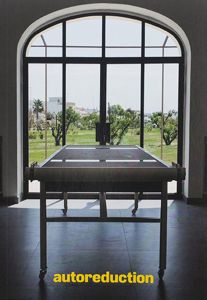
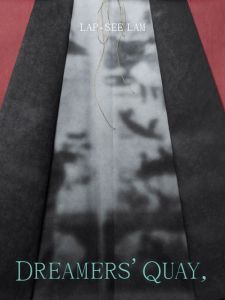
The fall issue of Flash Art, titled "Borders," approaches the border not as a fixed geopolitical line but as a condition that permeates contemporary life. Bringing together artists and writers whose practices unfold across different cultural and geographic contexts, the issue explores borders as spaces of conflict and translation, exclusion and encounter, asking how art can make visible the forces that shape our present while imagining other ways of inhabiting it.
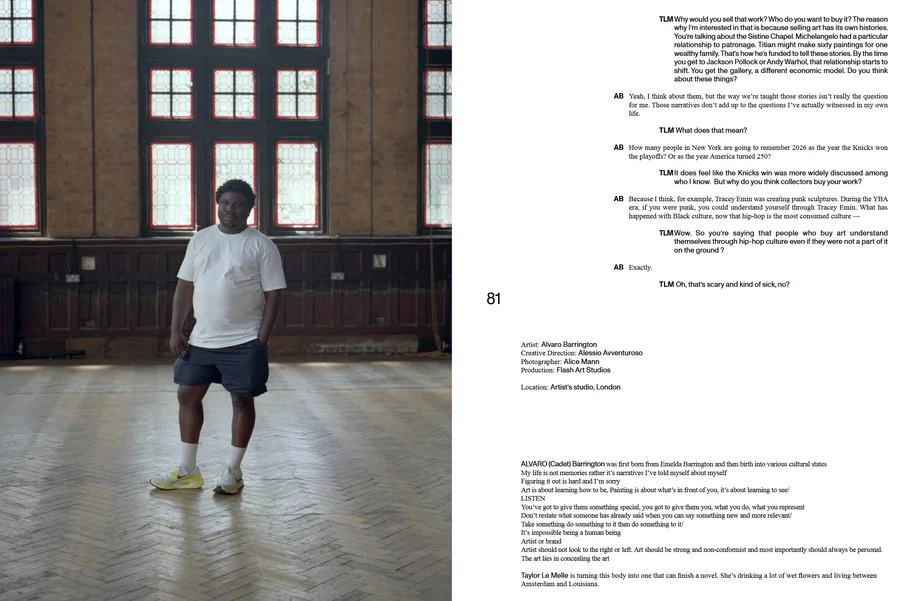
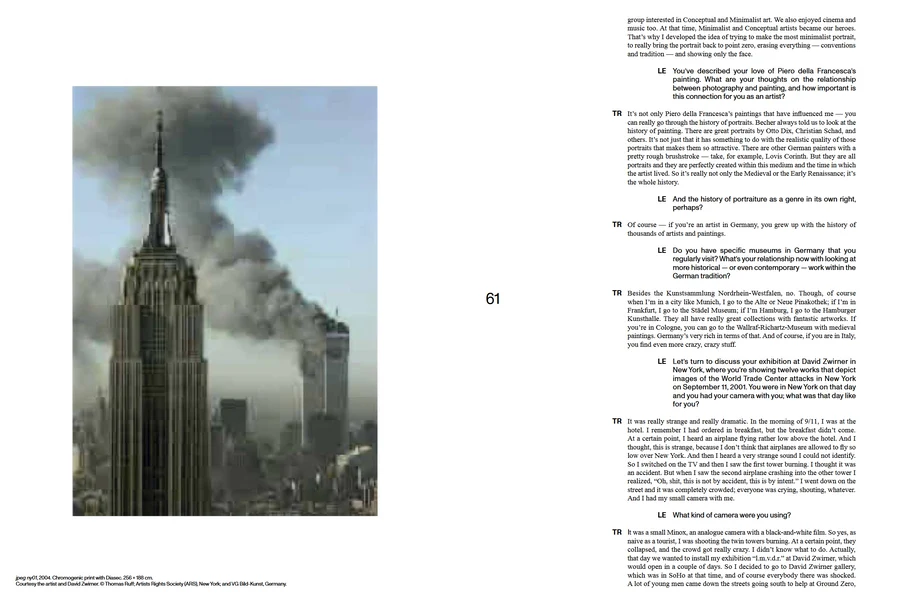
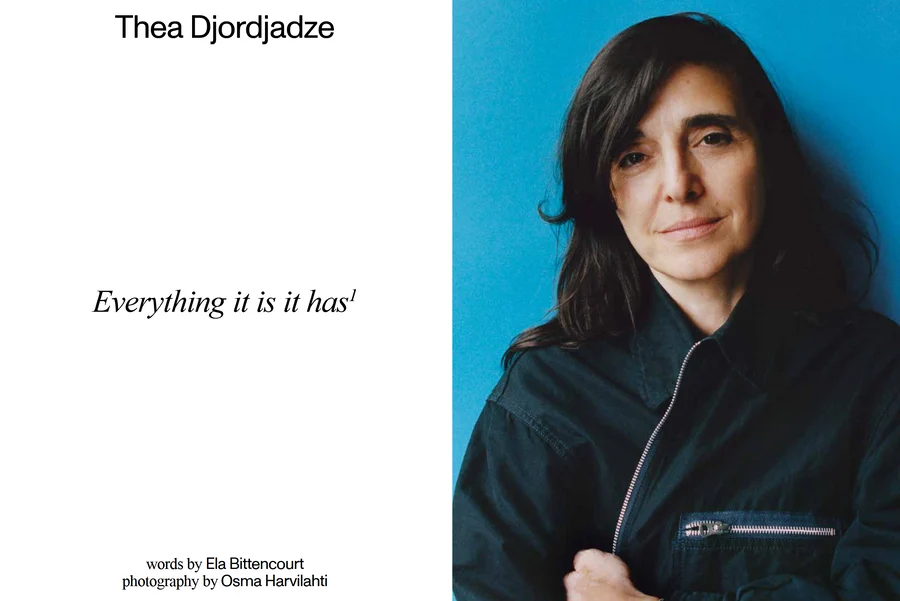
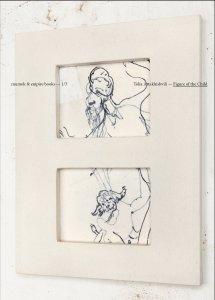
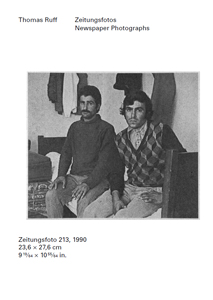
The issue presents three cover stories. Thea Djordjadze, photographed by Osma Harvilahti in her studio in Berlin, is profiled by Ela Bittencourt, who reflects on the artist's poetic understanding of architecture, materiality, and memory, where objects and places become carriers of psychological resonance. Thomas Ruff speaks with Louisa Elderton about photography, artificial intelligence, and the mutable status of images at a moment when technological innovation is reshaping visual cultural. Alvaro Barrington, photographed by Alice Mann in his London studio, discusses painting, collaboration, and cultural inherence in conversation with Taylor Le Melle, reflecting on the artist's practice as a space of community, exchange, and lived experience.
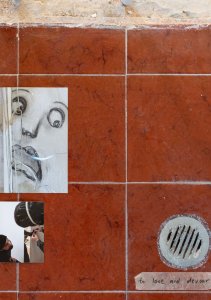
Ce numéro paraît sous plusieurs couvertures différentes, distribuées aléatoirement.
Flash Art est un magazine international trimestriel dédiée à l'art contemporain, explorant les évolutions du paysage culturel à travers le travail d'artistes, d'écrivains, de curateurs et de diverses personnalités du monde de l'art, de la culture, de la mode, etc. L'un des plus anciens magazines d'art européens, Flash Art a été fondé à Rome en 1967 par le critique d'art et éditeur italien Giancarlo Politi, avant de s'installer à Milan en 1971. Originellement en langues italienne et anglaise, le magazine a été scindé en deux publications à partir de 1978 (Flash Art Italia et Flash Art International). Distribué dans le monde entier, le magazine, l'un des plus lus dans son domaine, fait aujourd'hui référence.