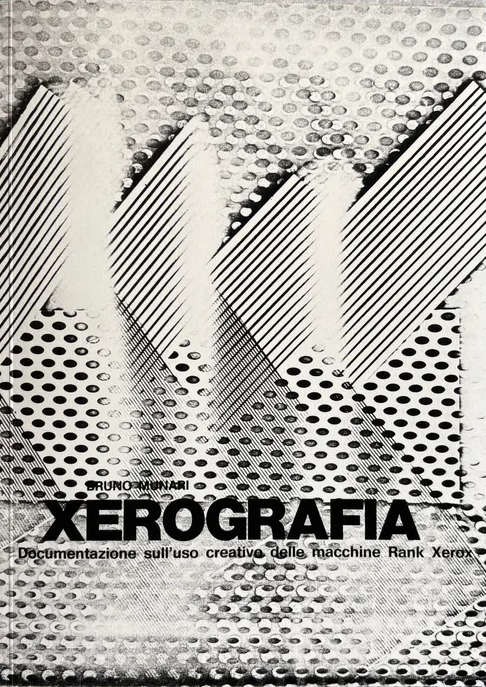
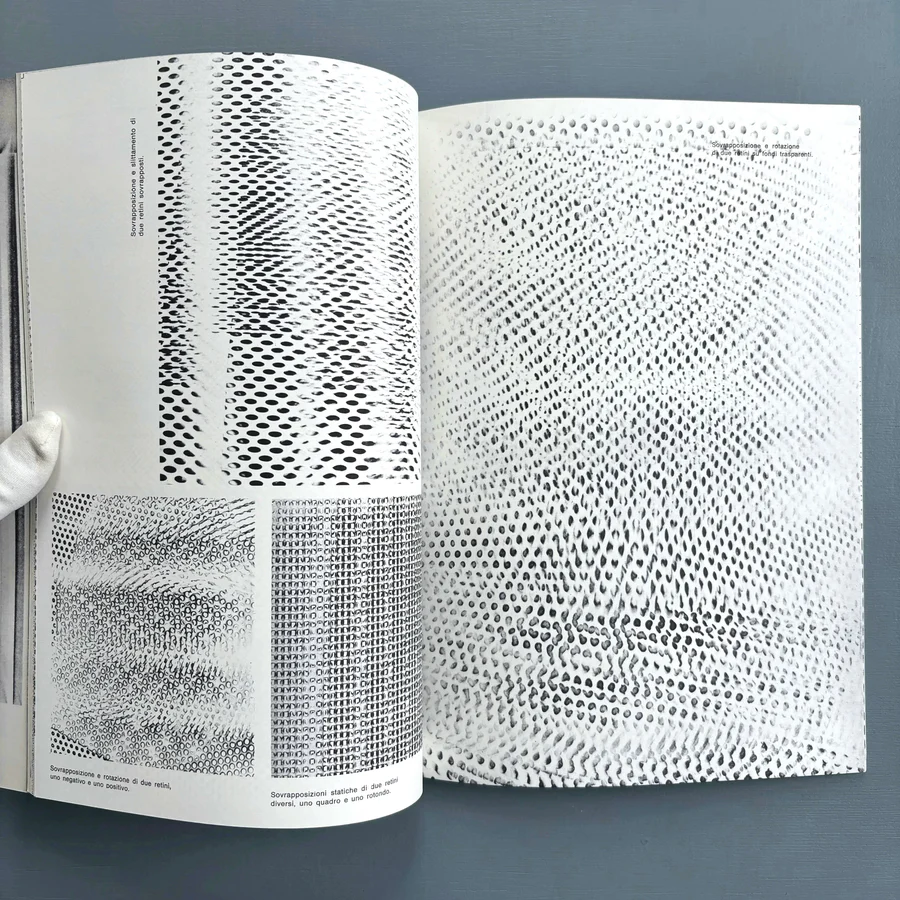
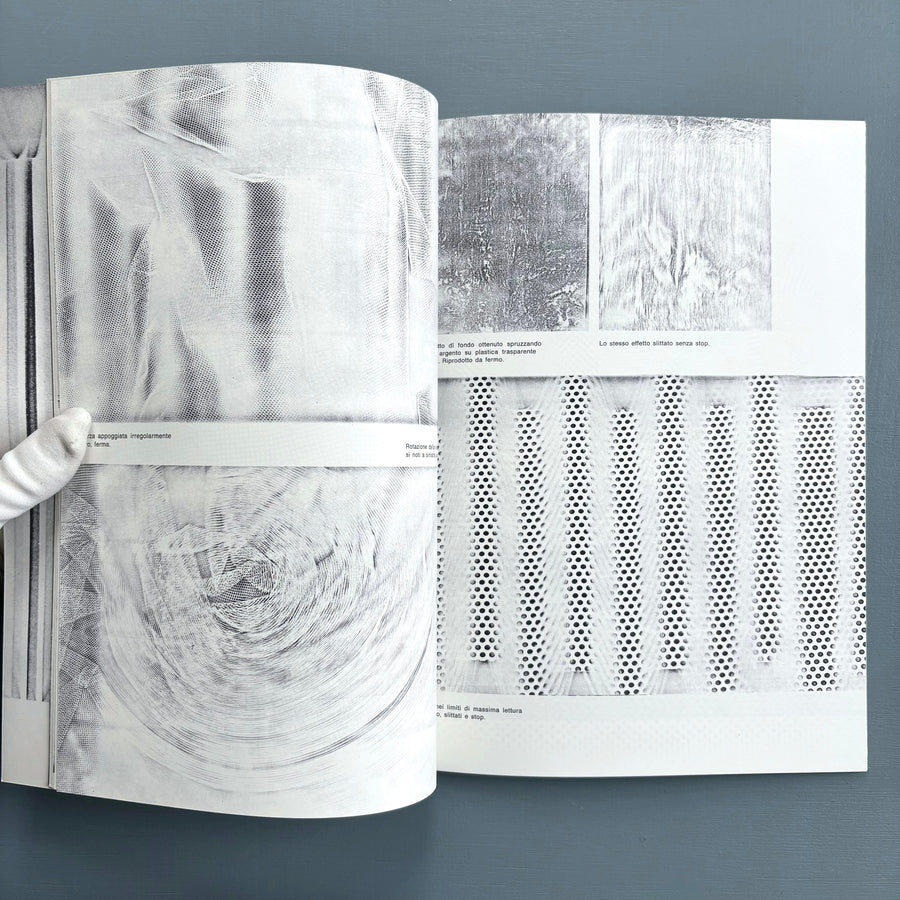
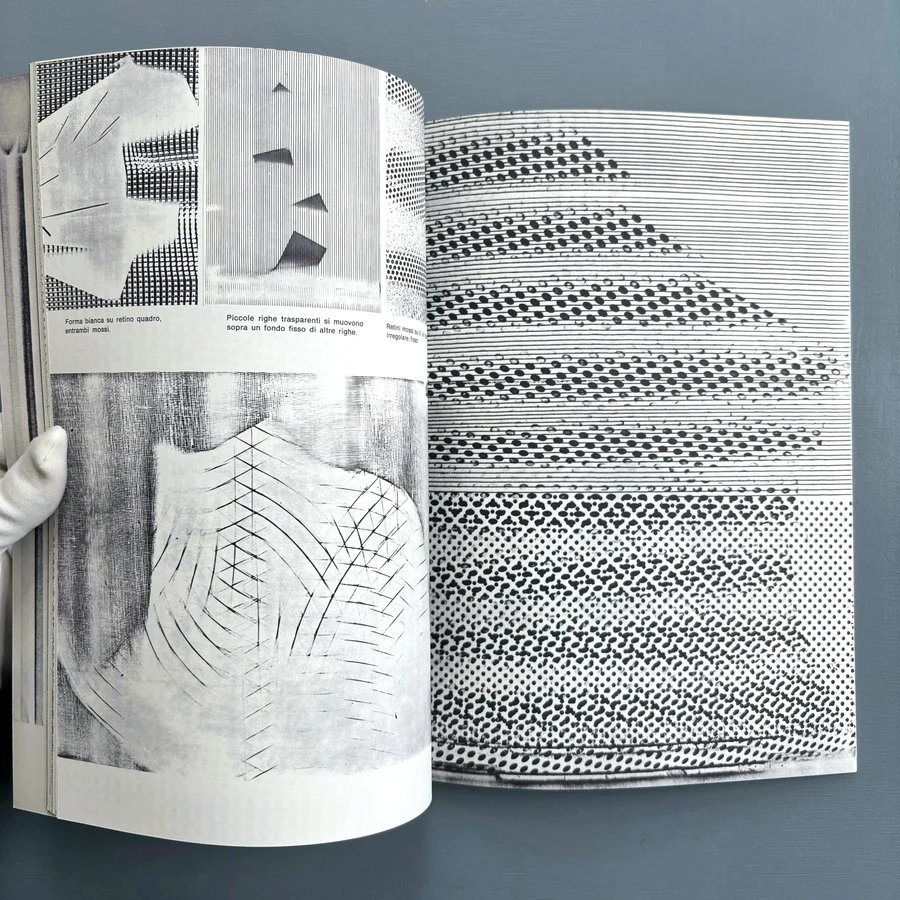
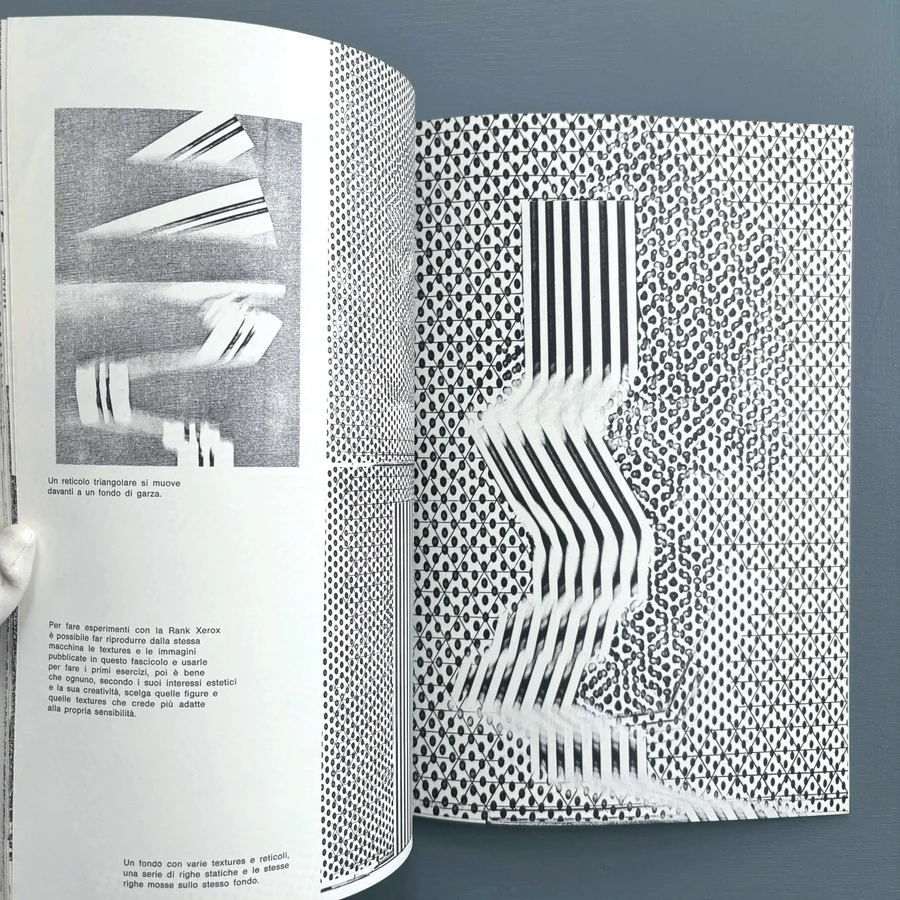
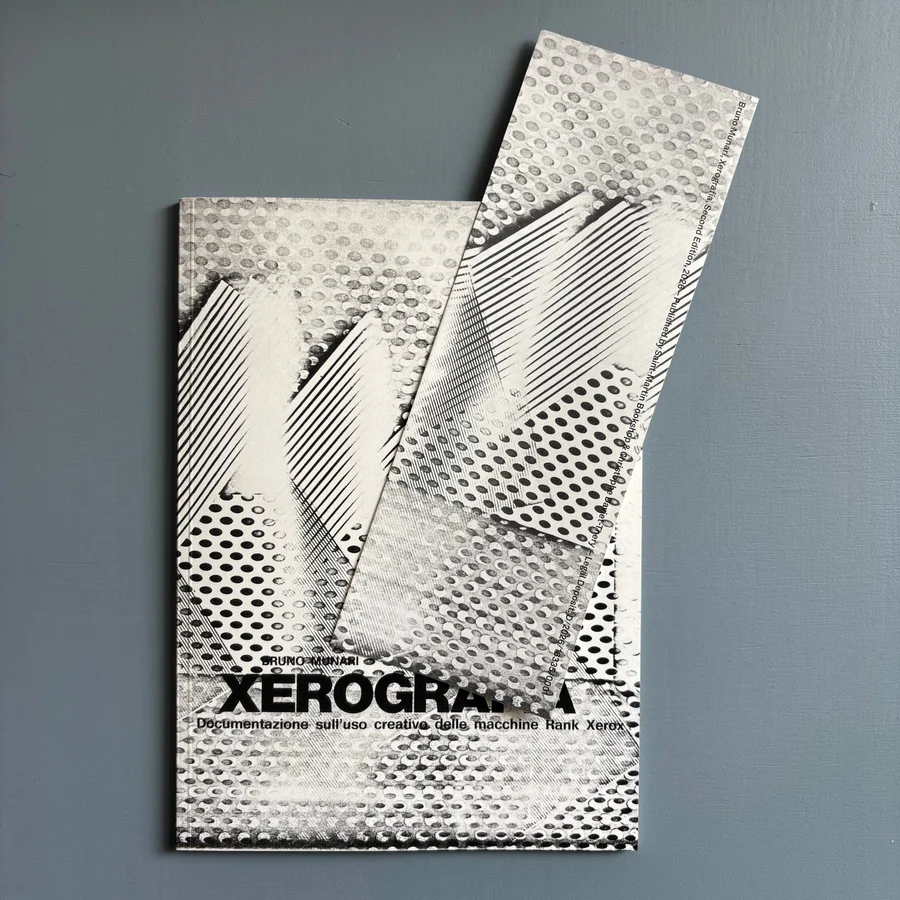
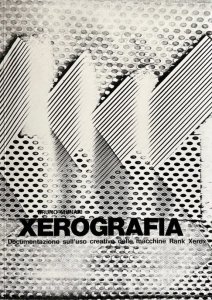
The first reprint since its 1970 release of Bruno Munari's legendary artist's book Xerografia:
an intimate look into Munari's groundbreaking experimentation with the Xerox machine, where technology becomes a tool for poetic and visual exploration.
Starting in 1963, Bruno Munari conducted experiments with the Xerox 914 machine, experiments that would continue throughout his career.
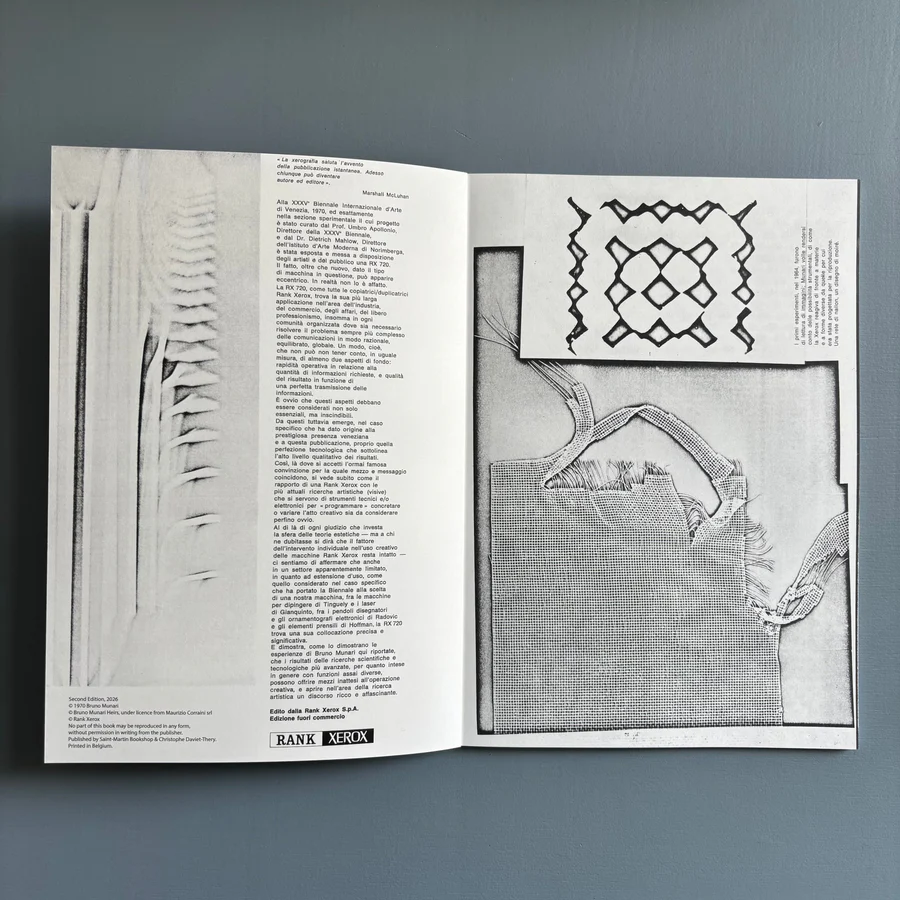
In 1970, for his participation in the Venice Biennale, he made a Xerox machine available for an experimental workshop.
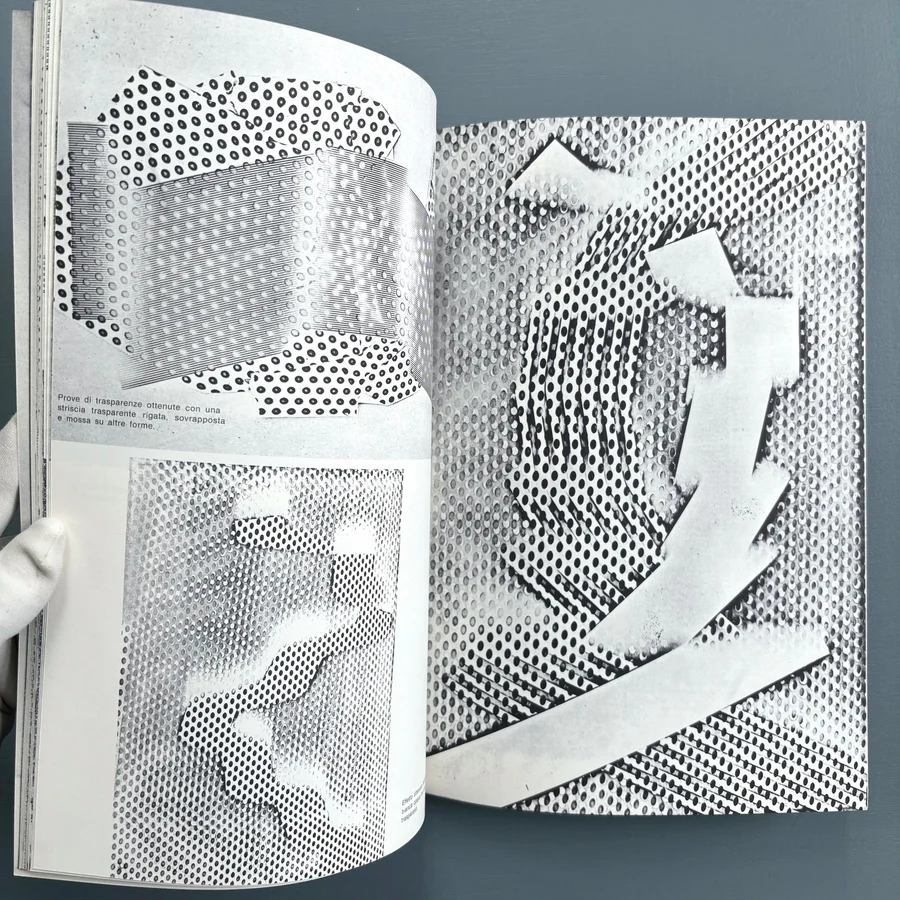
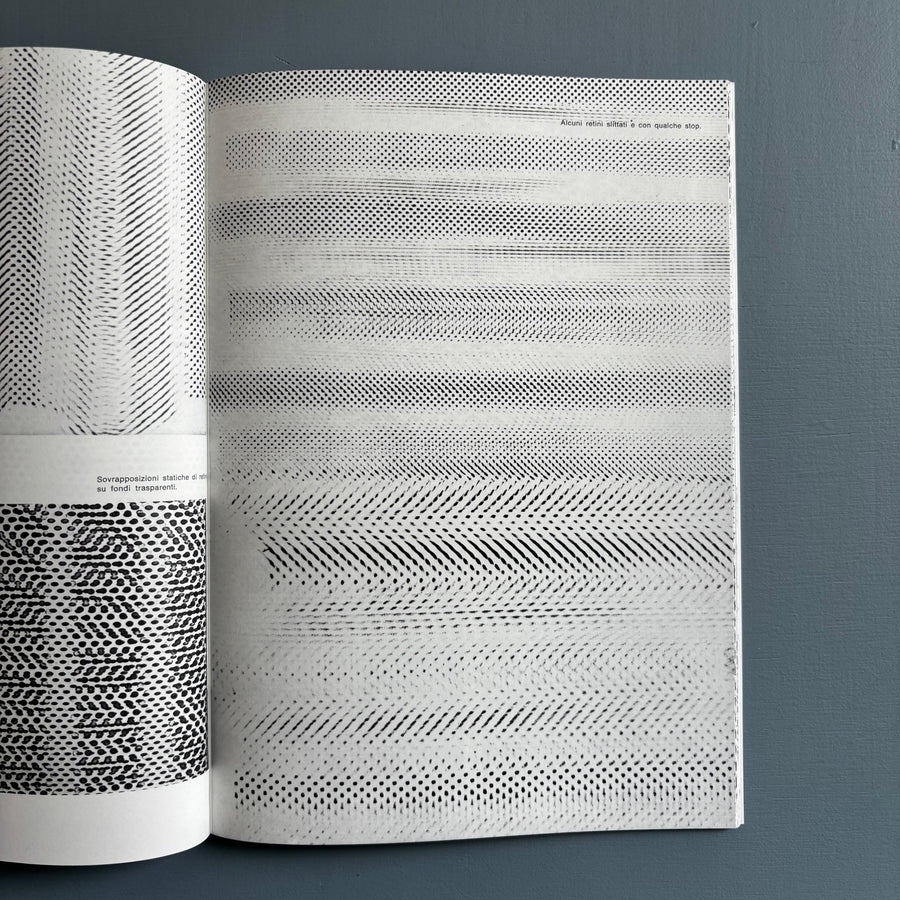
It was on this occasion that Xerografia: Documentazione sull'uso creativo delle macchine Rank Xerox (Xerography: Documentation on the Creative Use of Rank Xerox Machines) was published, providing instructions on how to repurpose the commercial machine to create original images and works of art.
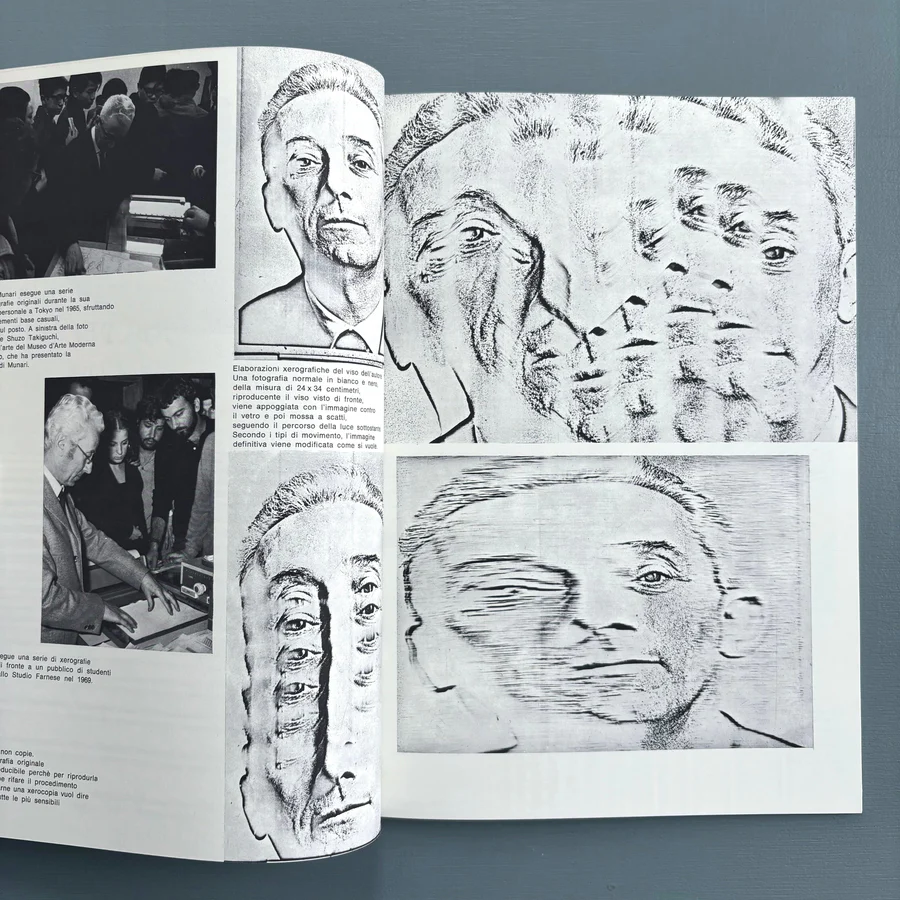
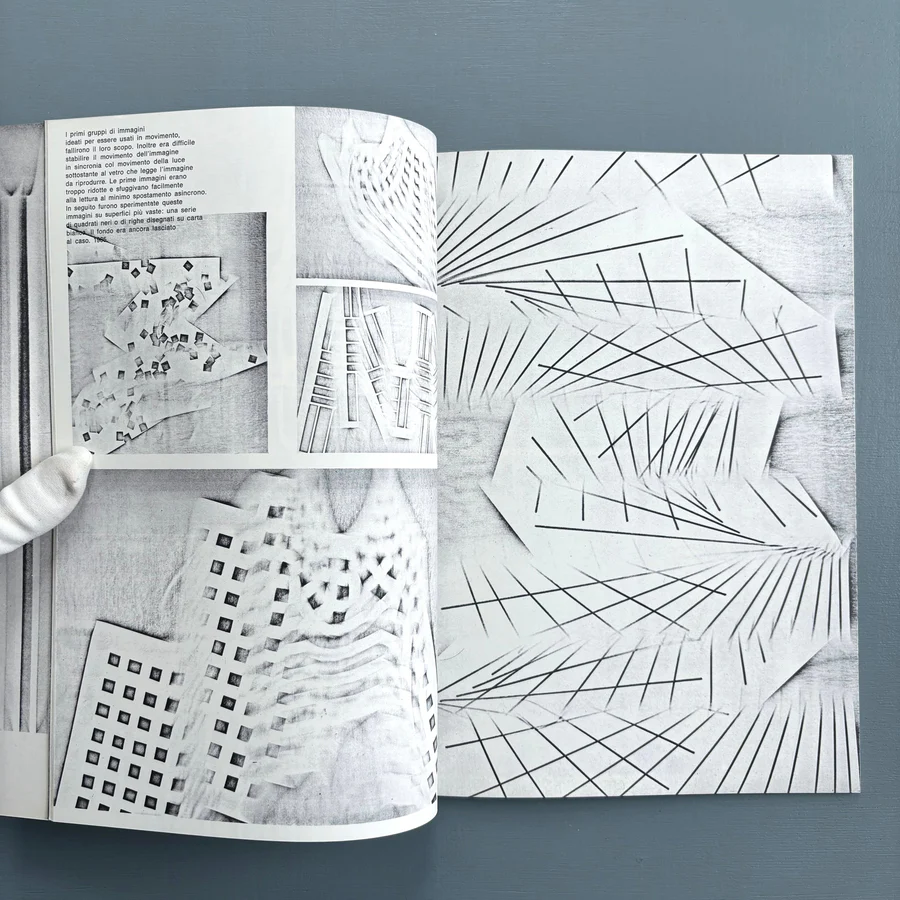
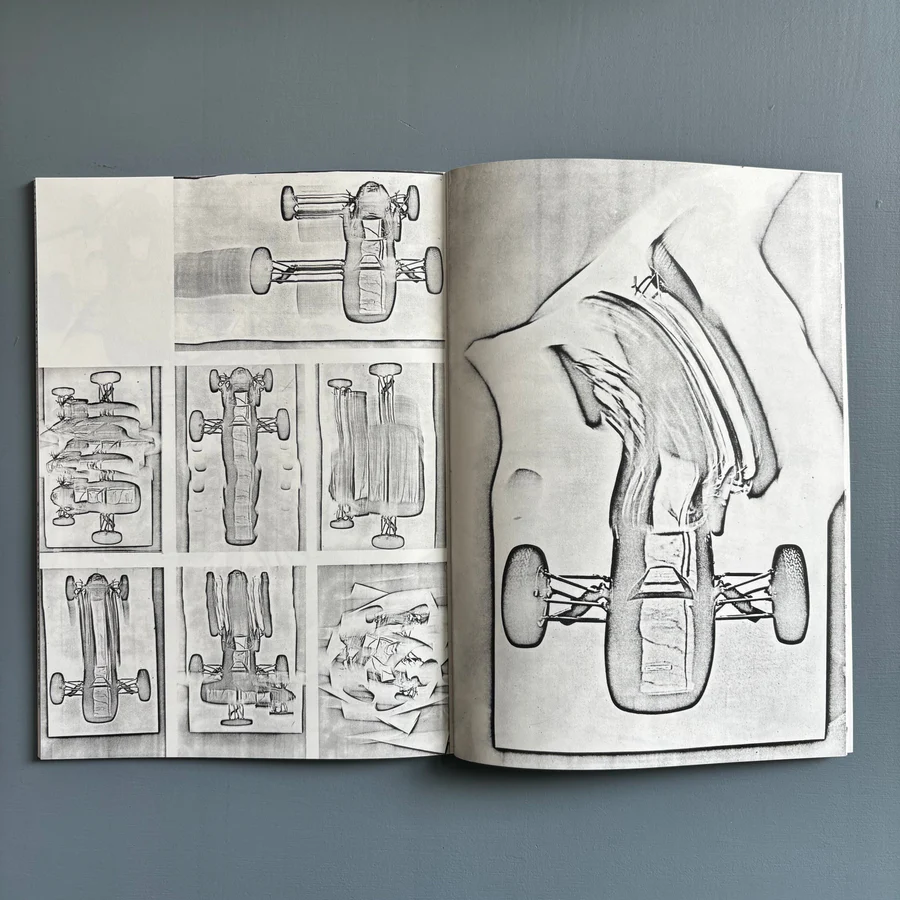
Ranging from the abstract to the figurative, Munari's works created on the Xerox machine distort the original subject by shifting the images across the machine's surface during the scanning process.
As Munari wrote, "Current technological possibilities offer (…) the opportunity for everyone to produce objects of aesthetic value." It is thus the conditions of the work's production that are questioned, and to a certain extent, the democratization of art.
Reissued for the first time since 1970, Xerografia allows us to appreciate the relevance of Bruno Munari's thinking.
Bruno Munari (1907–1998) was "one of the greatest actors of 20th-century art, design and graphics". He was an Italian artist, designer, and inventor who contributed fundamentals to many fields of visual arts (
painting,
sculpture,
film, industrial
design,
graphic design) in modernism,
futurism, and
concrete art, and in non-visual arts (literature, poetry) with his research on games, didactic method, movement, tactile learning, kinesthetic learning, and creativity. On the utility of art, Munari once said, "Art shall not be separated from life: things that are good to look at, and bad to be used, should not exist".