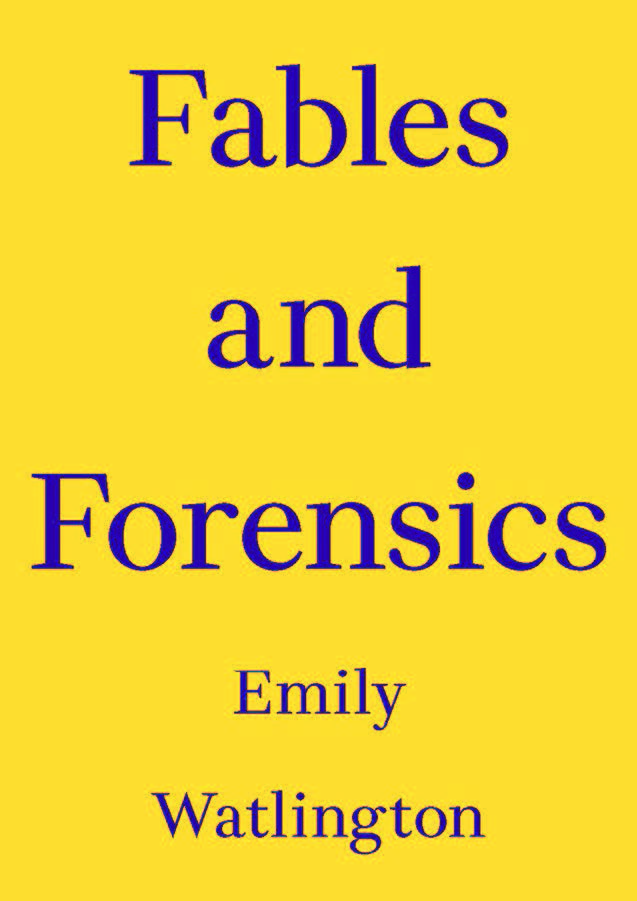
Research-based art has become one of the defining genres of the century. Taking the collective
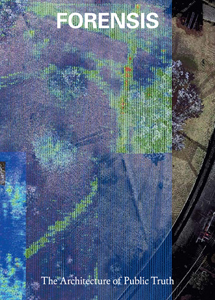
Forensic Architecture as a case study, Emily Watlington, senior editor at
Art in America, argues against what she sees as the dangerous slippage between artistic research and alternative facts.
Turning to the work of Walid Raad, Watlington nonetheless argues for the importance of possible other realities. Watlington describes Raad's work as a kind of "surrealism for the information age," and persuasively argues that this is distinct from fake news. The differences in Watlington's two case studies are somewhat subtle, but the stakes of the distinctions are profound. As faith in facts declines rapidly and fascism and autocracy are on the rise, it is clear that shared realities are essential to democracy's future. And yet, imagining alternatives to our present is as important as ever. What's an image maker to do now that seeing has so little to do with believing?
"Artists have always created alternate realities. But what are the stakes of doing so at a time when a shared reality feels so hard to come by, and its stakes so urgent? [...] This is a book about the dangerous slippage between artistic research and alternative facts, and about the vital need for alternatives all the same."
Emily Watlington (born 1993) is an art critic and senior editor at Art in America. She is a recipient of the Rabkin Prize, the Vera List Writing Prize for Visual Arts, and the Theorist Award from C/O Berlin.