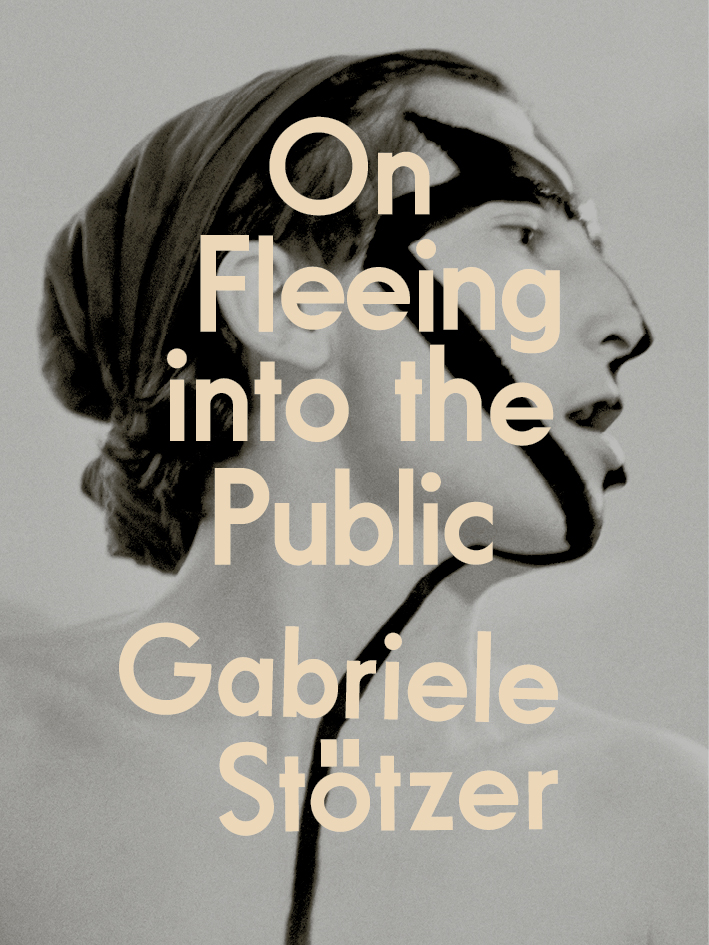
An exploration of the subversive work of Gabriele Stötzer.
For Gabriele Stötzer, as part of the artistic underground in the GDR, seeking refuge in the public eye was always a subversive practice. Being in the public eye meant protection from isolation and state repression: through witnessing, friendship and solidarity.
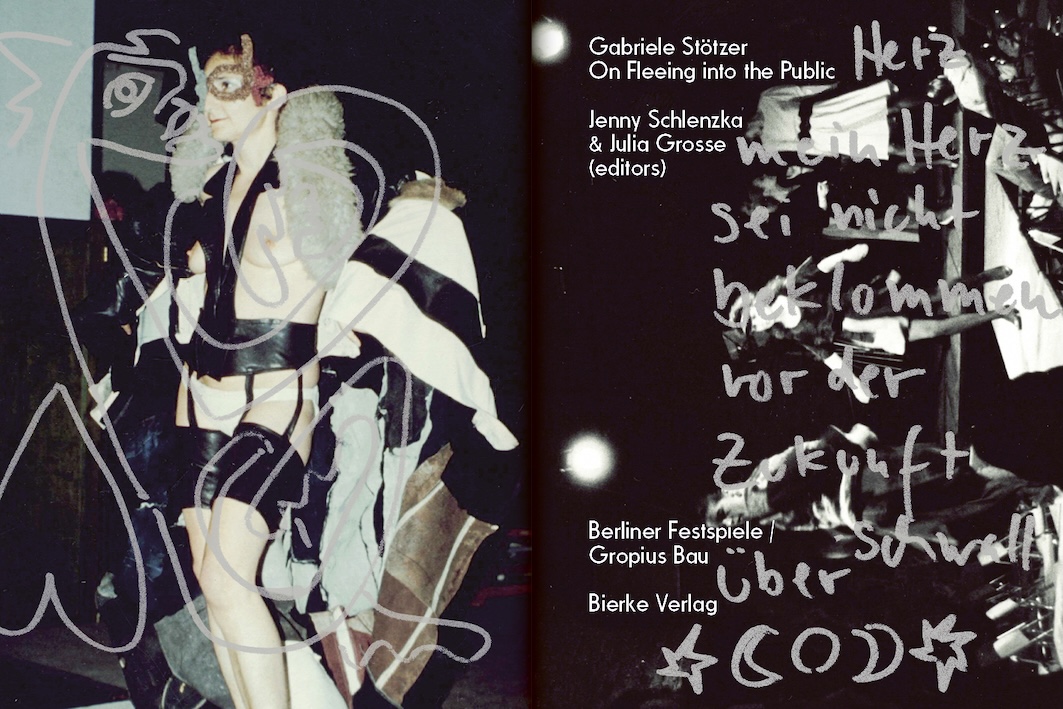
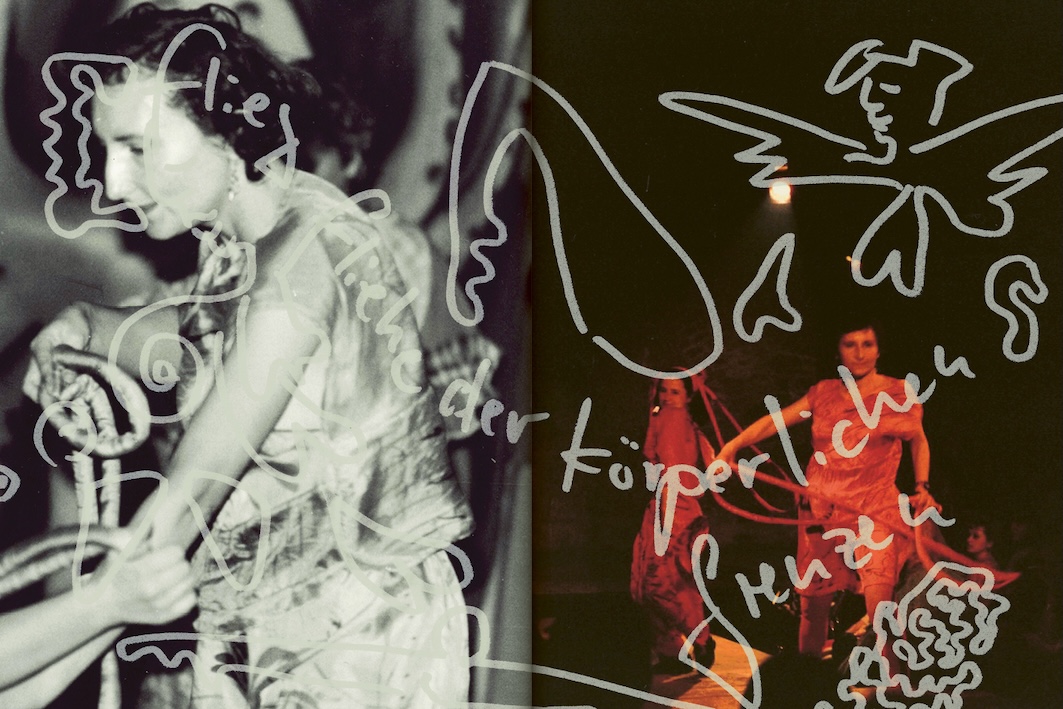
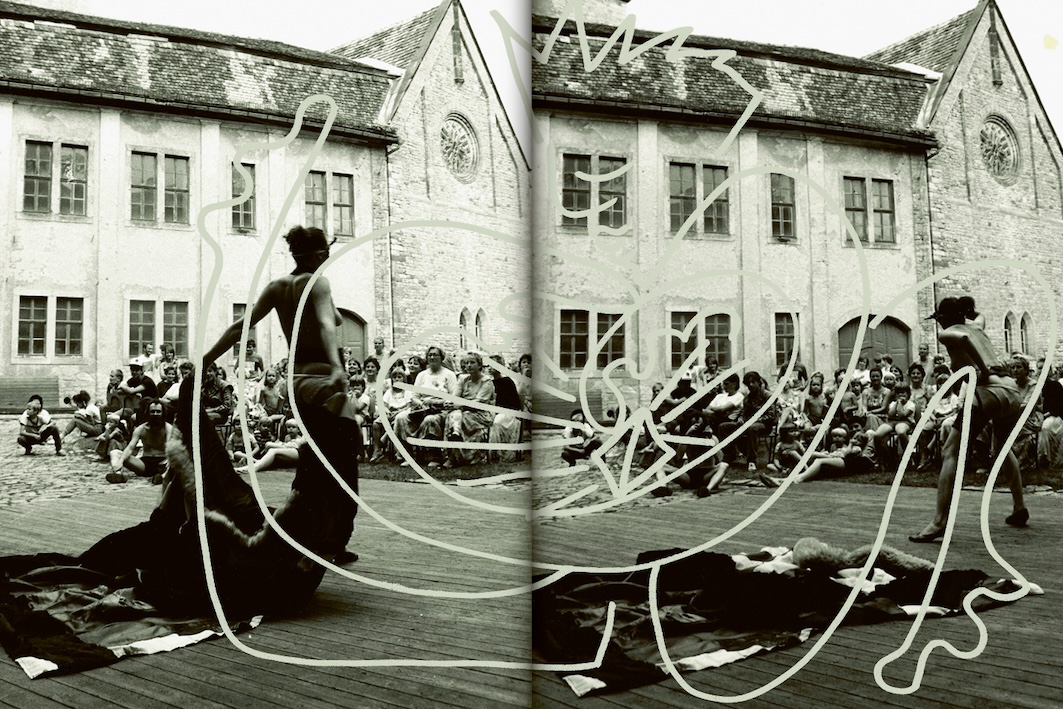
Stötzer's experimental photographs, Super 8 films, performances and actions in public spaces were often created collaboratively and in self-organised spaces. At the same time, they are an expression of radical subjectivity.
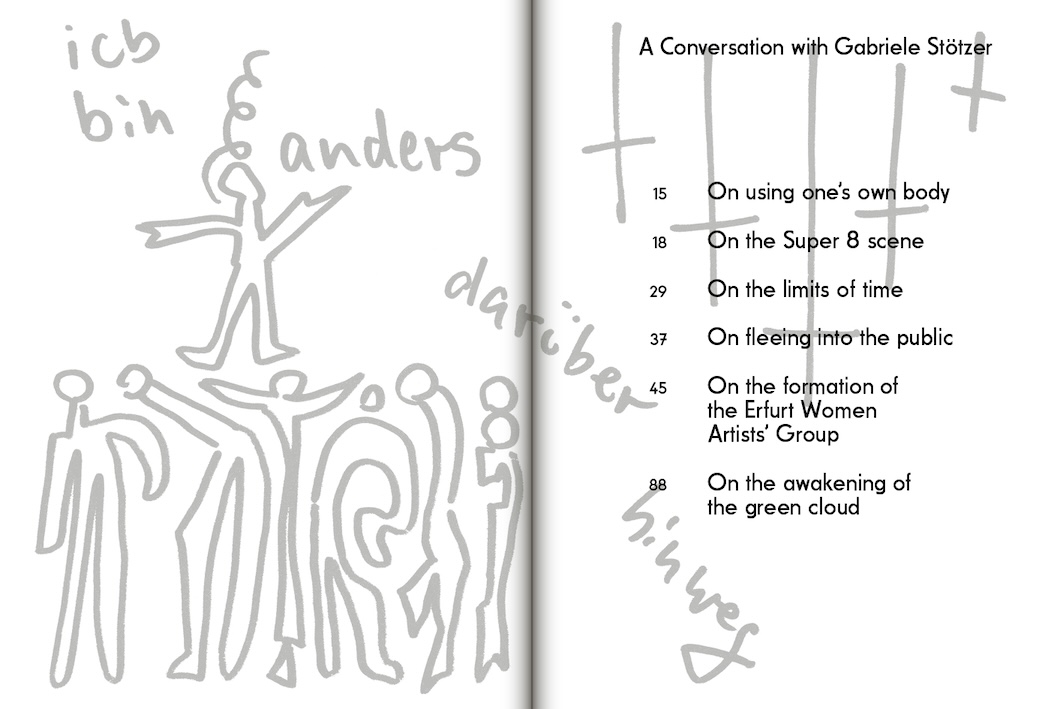
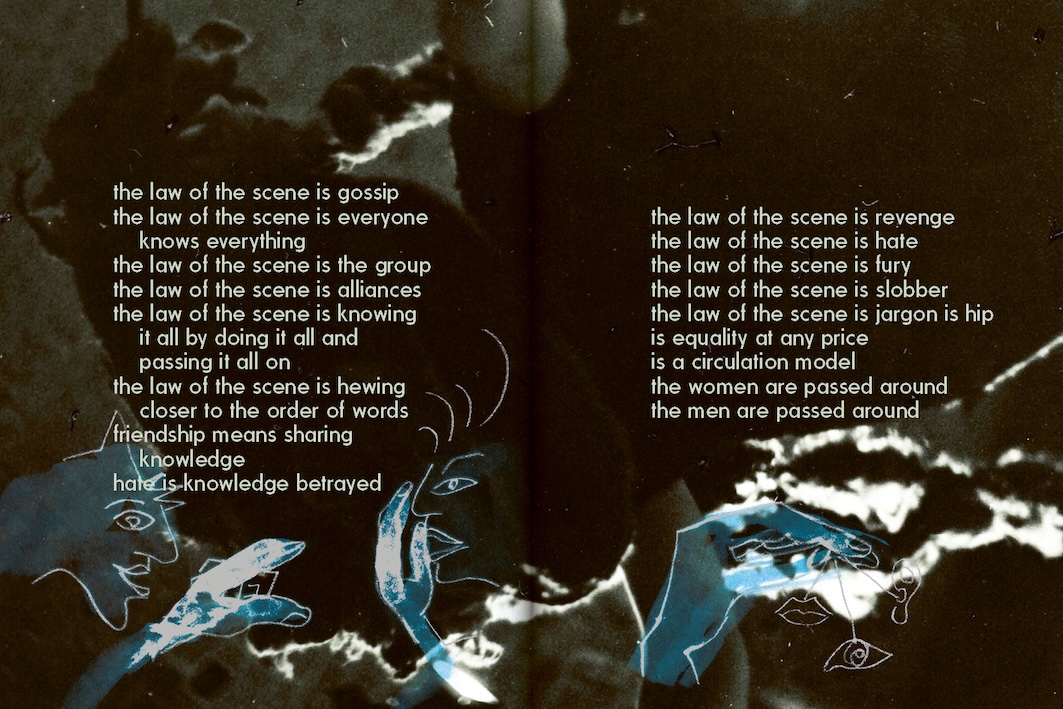
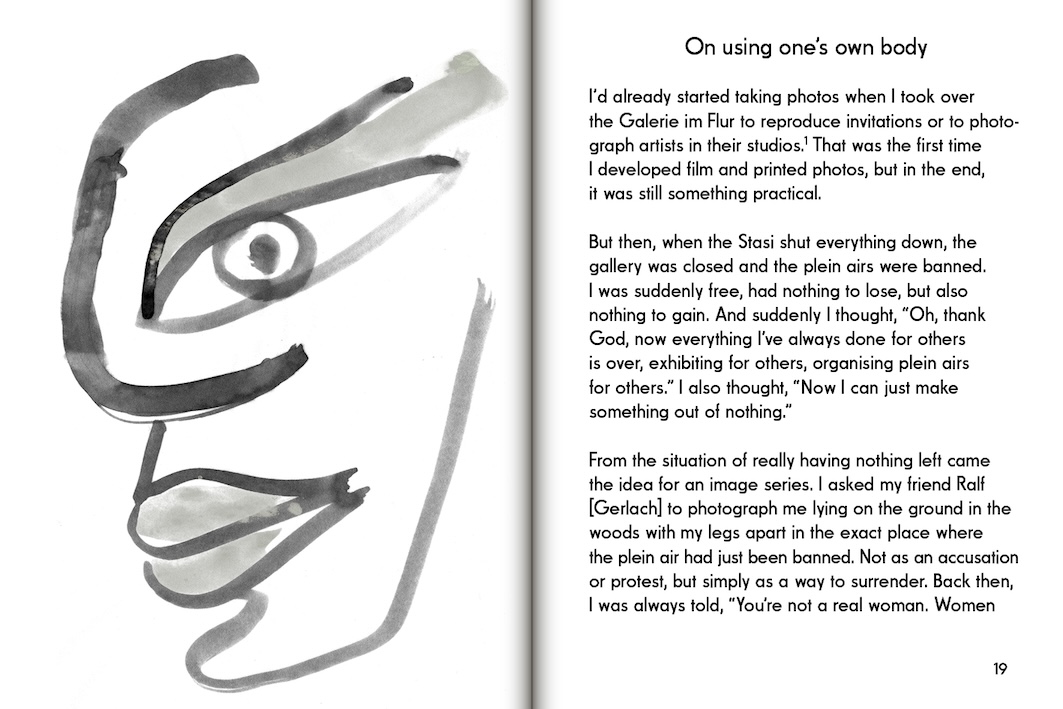
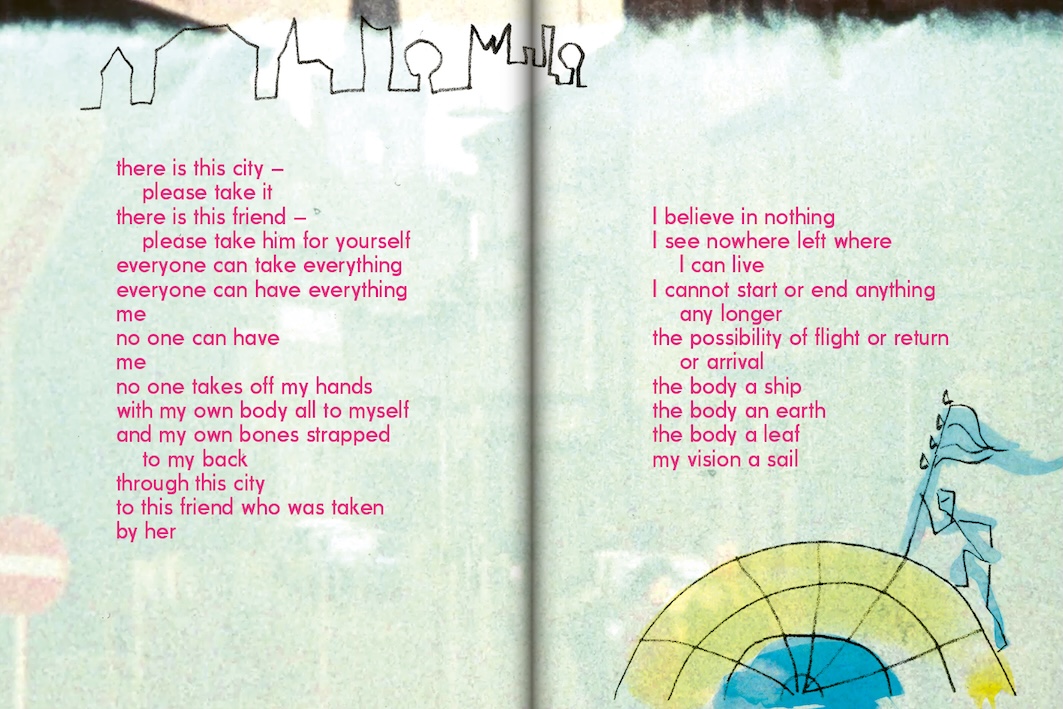
In this book, new drawings are superimposed over the artist's photographic archive and traverse a conversation that revolves around the relationship between the underground and the public, her beginnings as an artist and the continuation of her work.
Confronted with growing authoritarian forces, Stötzer's artistic strategies demonstrate individual and collective forms of action that can be a model for us right now.
Since the beginning of her career, Gabriele Stötzer (born 1953 in Emleben, Germany) has been grappling with questions of justice, gender and self-determination. Her own body often plays a central role in her work—not as an object, but as a site of resistance and feminist self-assertion.
Stötzer's artistic practice is inextricably linked to her social and political engagement. In 1976, she was detained for organising a petition, which the GDR authorities declared a "defamation of state." Following a year-long imprisonment, she joined the literary and artistic underground and later co-founded the art collective Künstlerinnengruppe Erfurt. Many of her works formulate radical counter-concepts to state repression and control by pushing boundaries through experimentation and making space for vulnerability and desire.