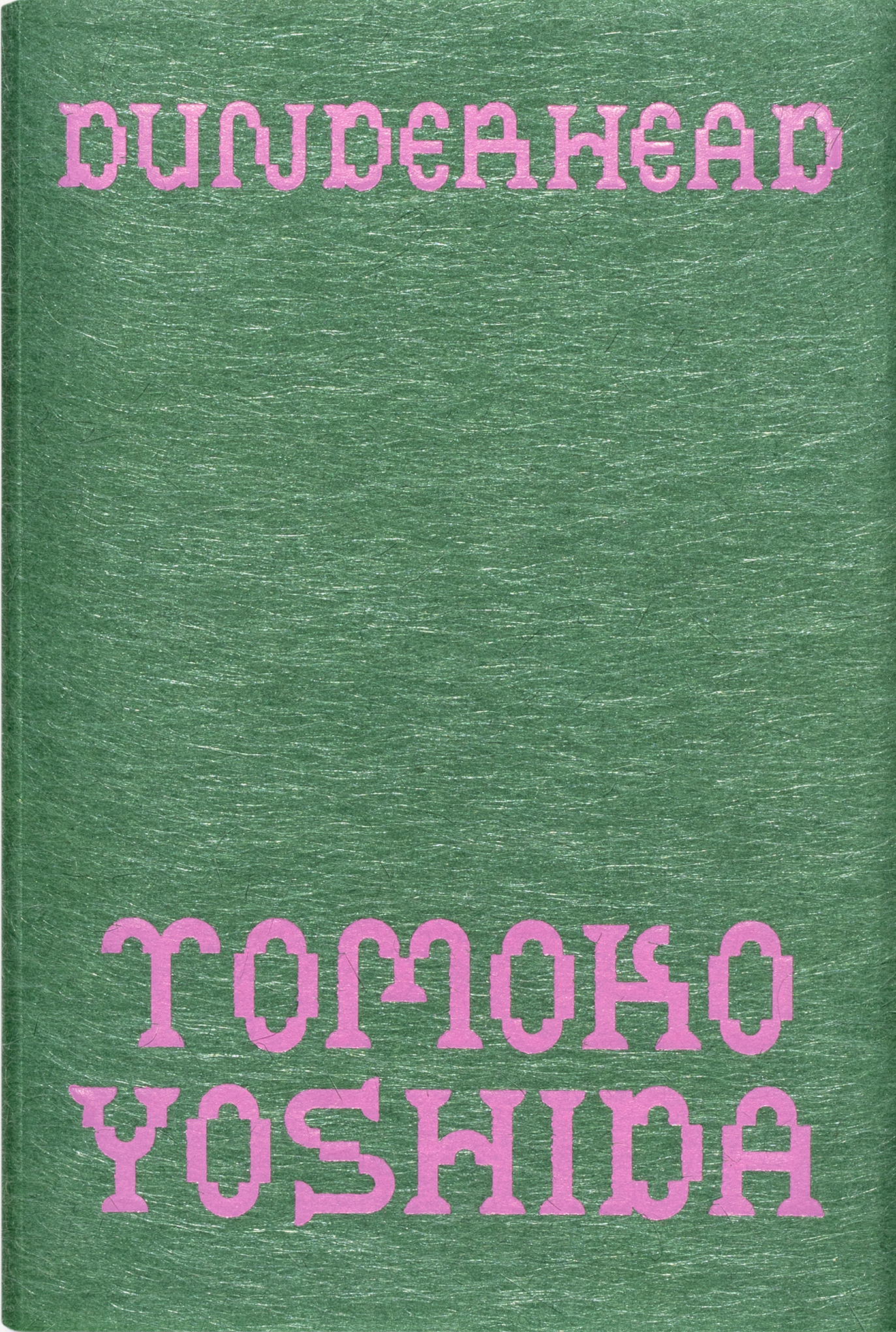
Dunderhead is the book-length English-language debut of Tomoko Yoshida, age 92: three clinically precise stories of scarcity, pride, and resentment rooted in the afterlife of empire. Beneath the starkness of her world, there is a deep empathy for the "dunderheads" who carry it.
For sixty years, Tomoko Yoshida, one of Japan's most enigmatic, avant-garde writers of the twentieth century, has refused translation. Dunderhead is the book-length English-language debut of Tomoko Yoshida, age 92: a brutal, lucid triptych—of poverty, resentment, the body's last defenses—written between 1967 and 1977.
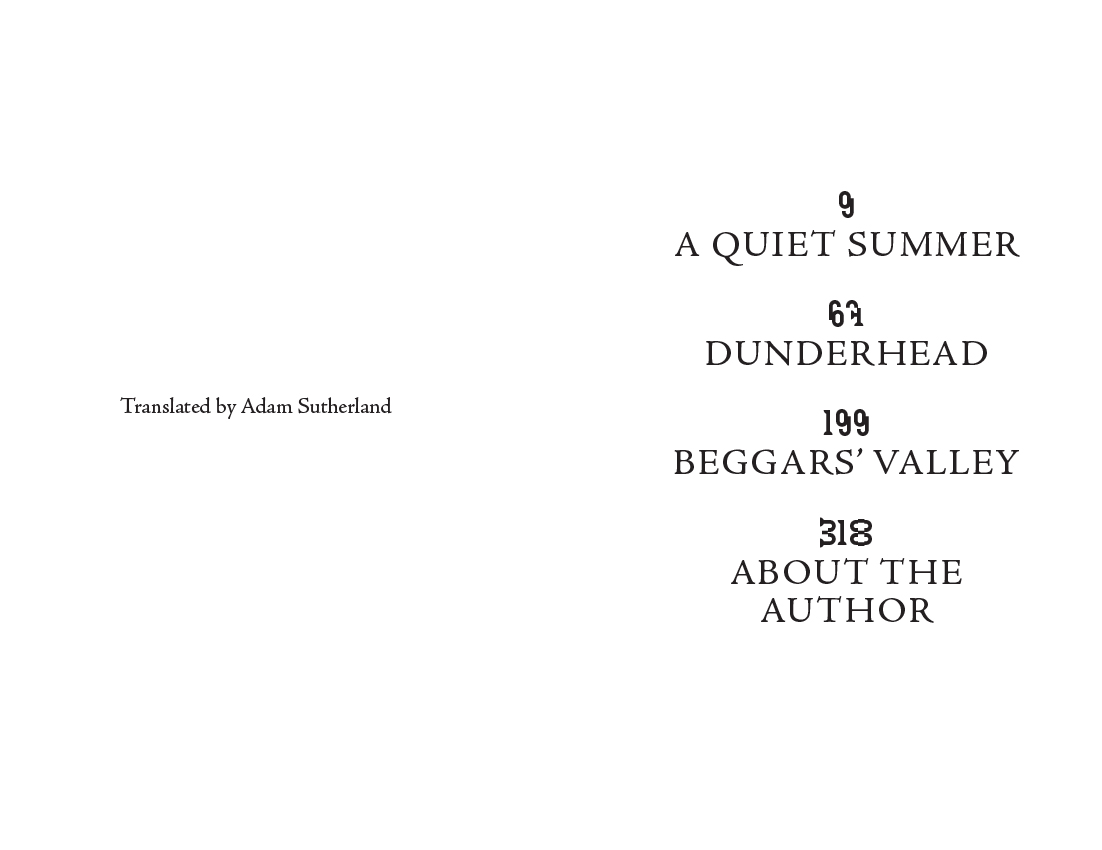
A bored grocery store employee drowns a neighbor's kitten in sewage, nudging a pram downhill until it meets a telephone pole. A man visits his dying enemy—and only friend—in a final attempt at dominance. A poor, shame-ridden woman named "Crab" observes the violence surrounding her home.
Yoshida's work is rooted in the afterlife—and trauma—of empire. Her father, a military colonel, led her through six schools across mainland Japan and Manchuria, then to Sakhalin in 1945, where Soviet soldiers took him from their home, and he was never seen again. In the years that followed, still a teenager, she wrote to Yukio Mishima, asking to stage one of his plays. He agreed, and her career began. Years later, when she received the Akutagawa Prize, Mishima served on the jury. She would go on to found the literary magazine Gomu, alongside her husband, in 1963, and later Baru, a publication she started and edited into her late eighties. She still writes every day. A cult figure of the highest order, closely read by the generation of writers who came after her—Yoko Ogawa, Hiroko Oyamada, Hiromi Kawakami. Though often describing it, Yoshida's writing hardly lingers on tragedy, attending instead to the landscapes that emerge in its wake. Beneath the starkness of her world, there is a deep empathy for the "dunderheads" who carry it.
Tomoko Yoshida (born 1934 in Hamamatsu, Shizuoka) is a cornerstone of Japanese avant-garde literature. In 1963, she founded the magazine Gomu. Her awards include the Akutagawa Prize, the Kawabata Yasunari Literature Prize, and the Women's Literature Prize.