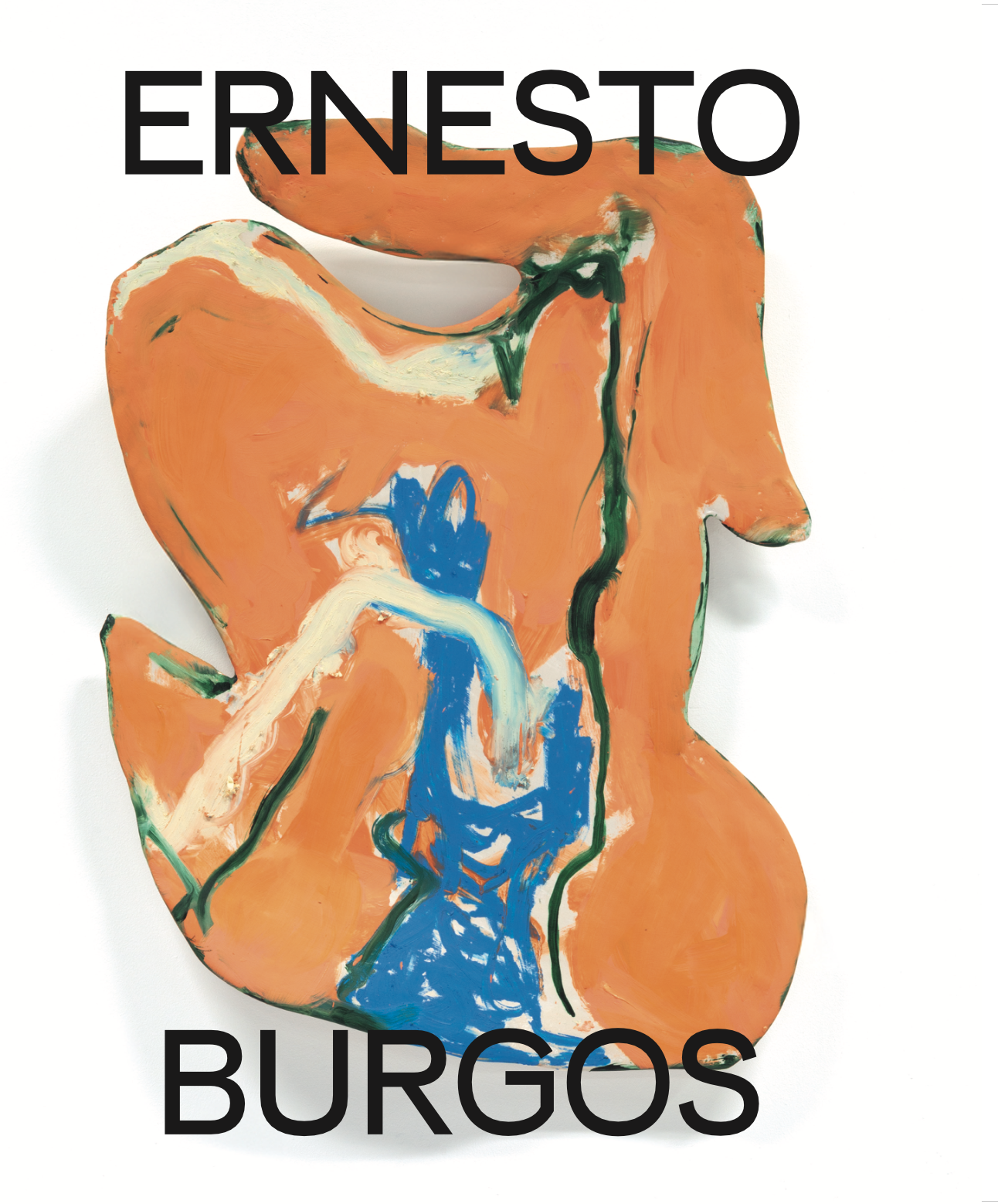
First monograph.
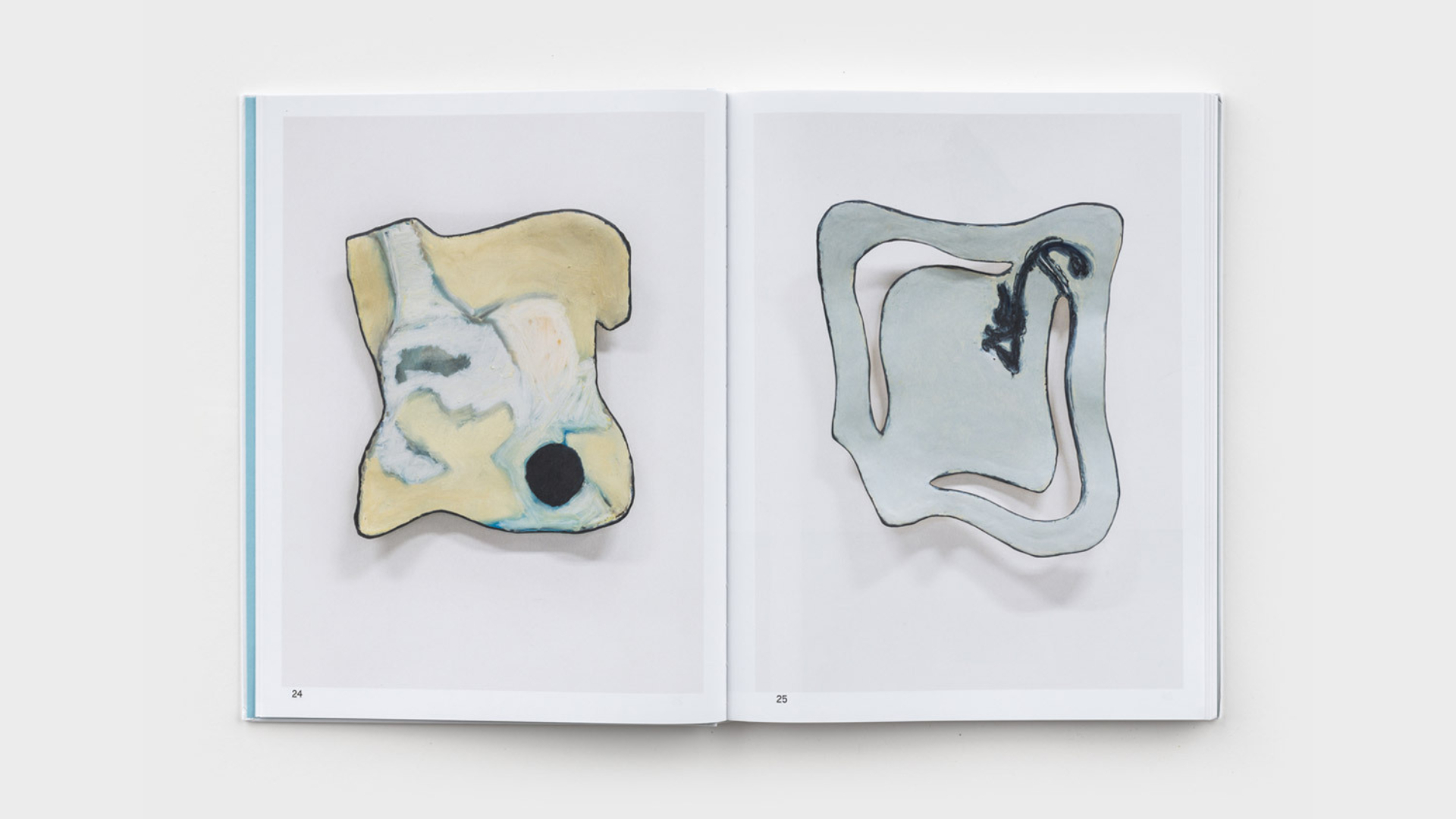
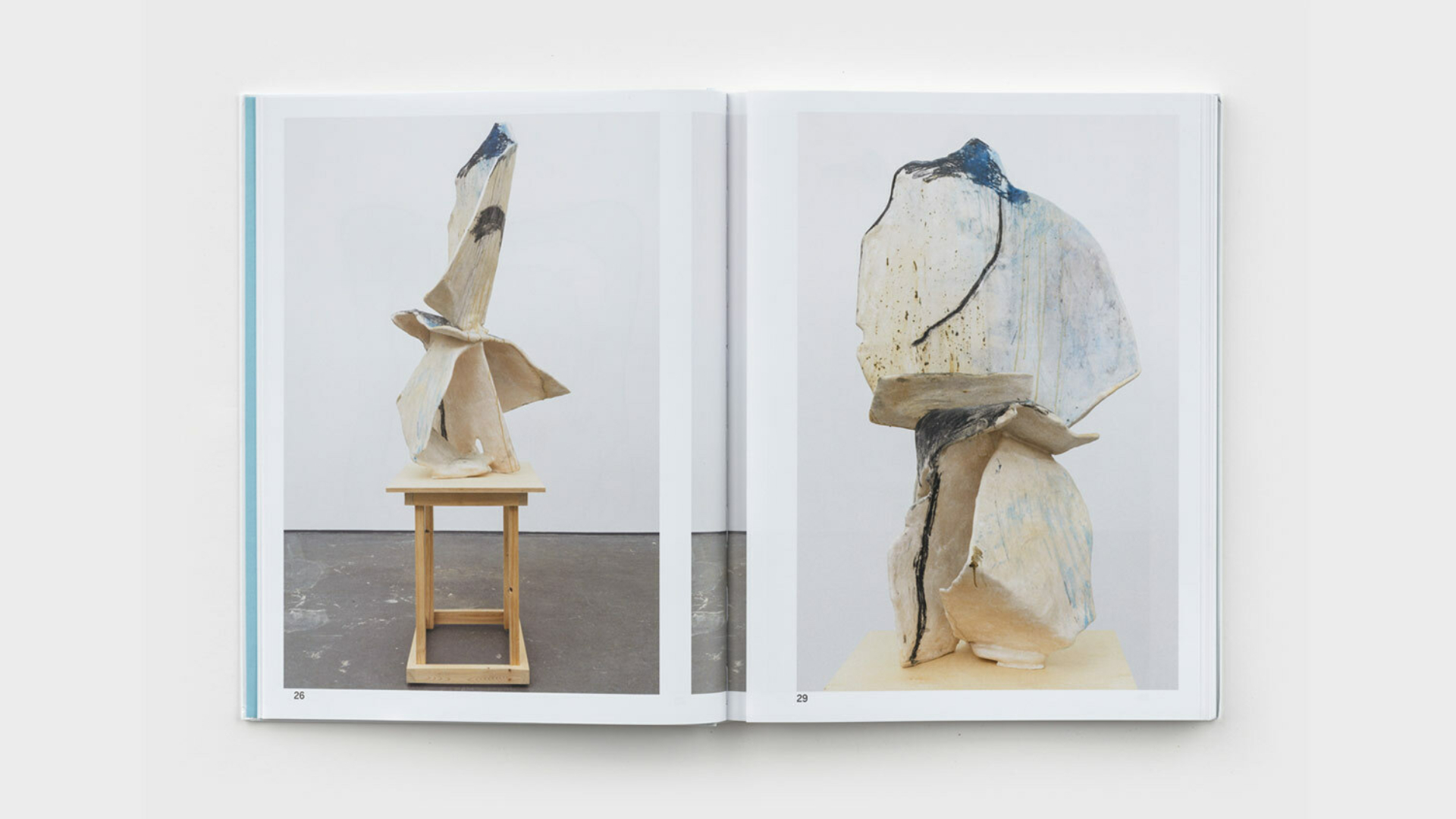
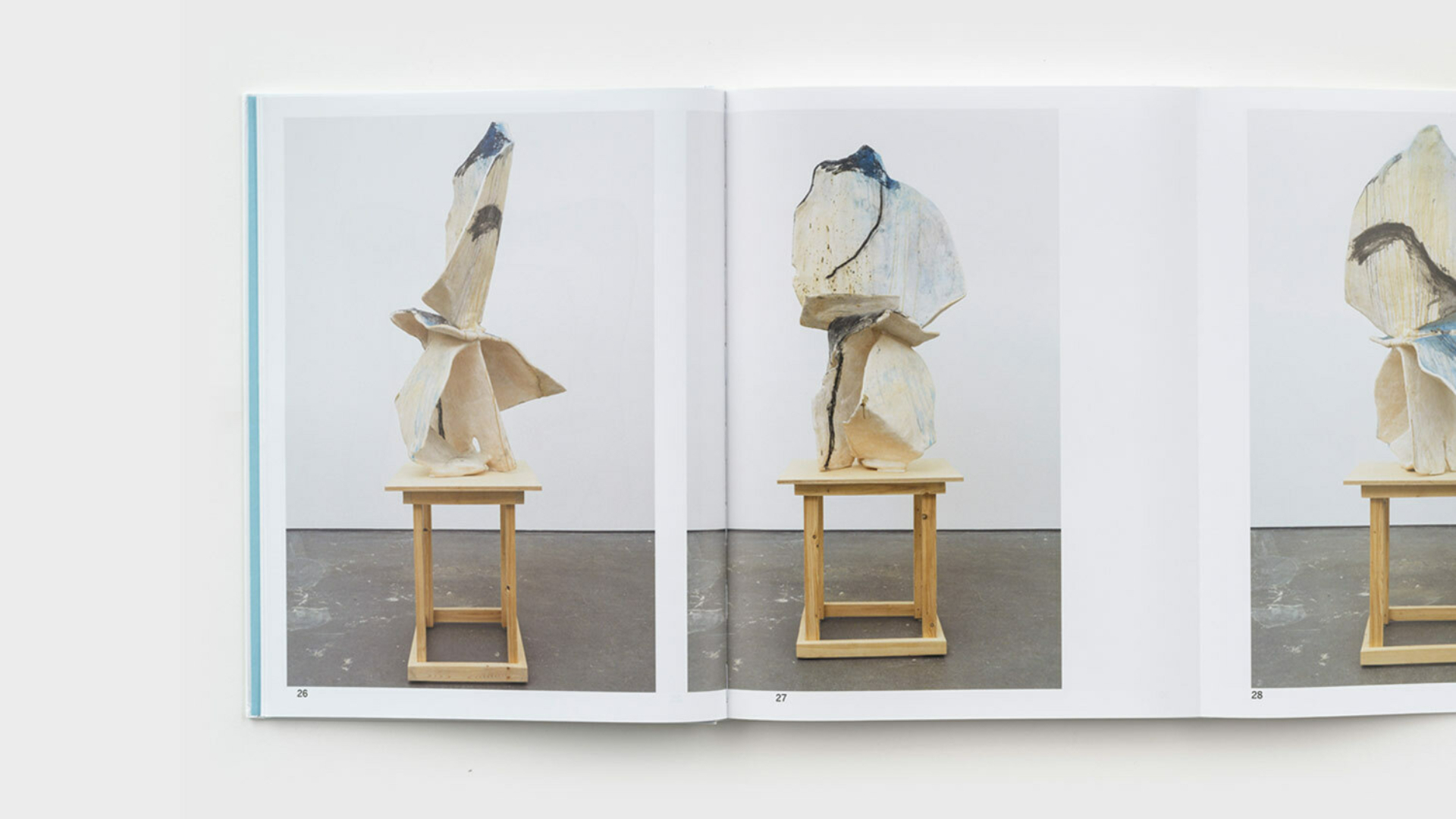
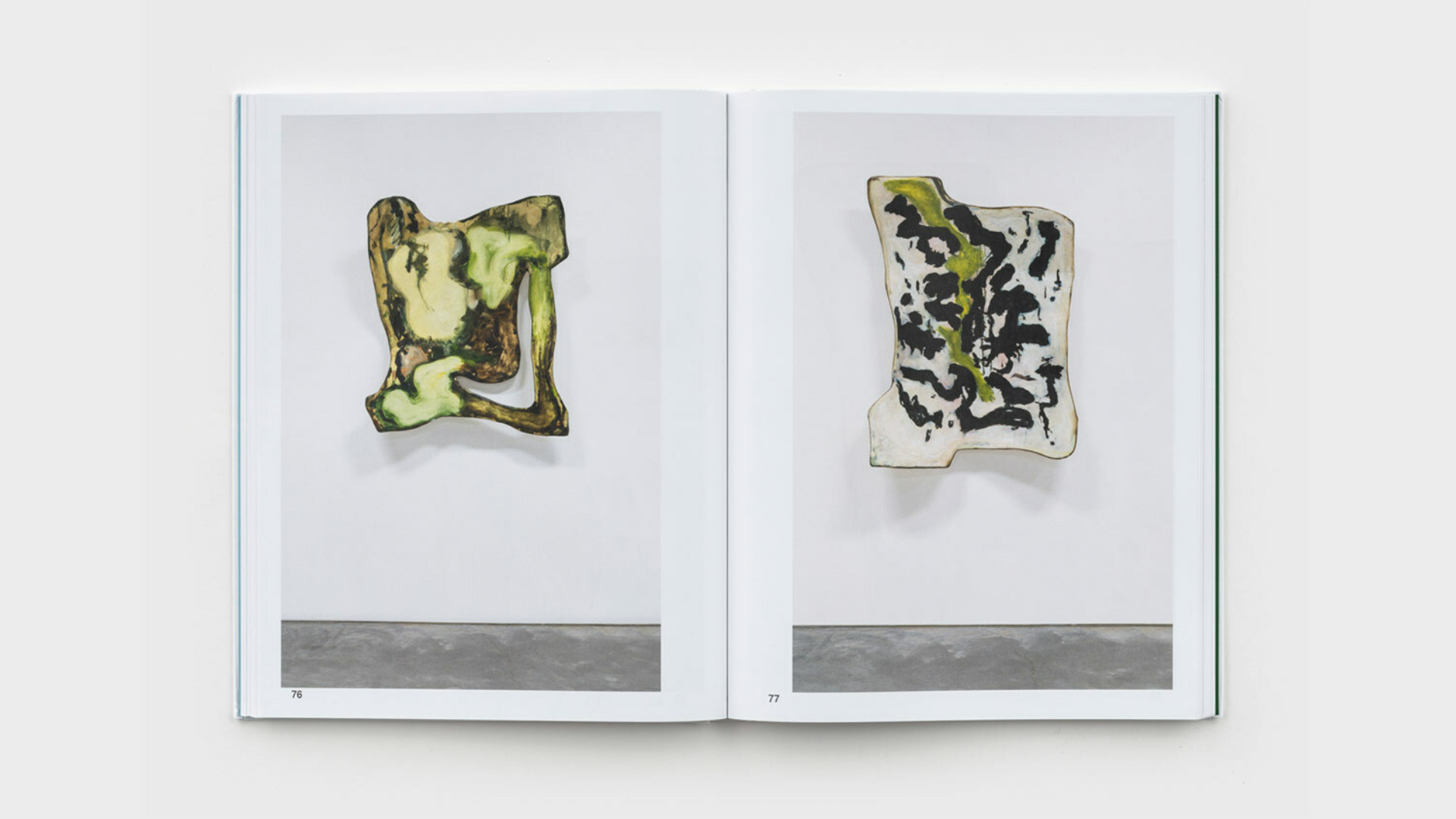
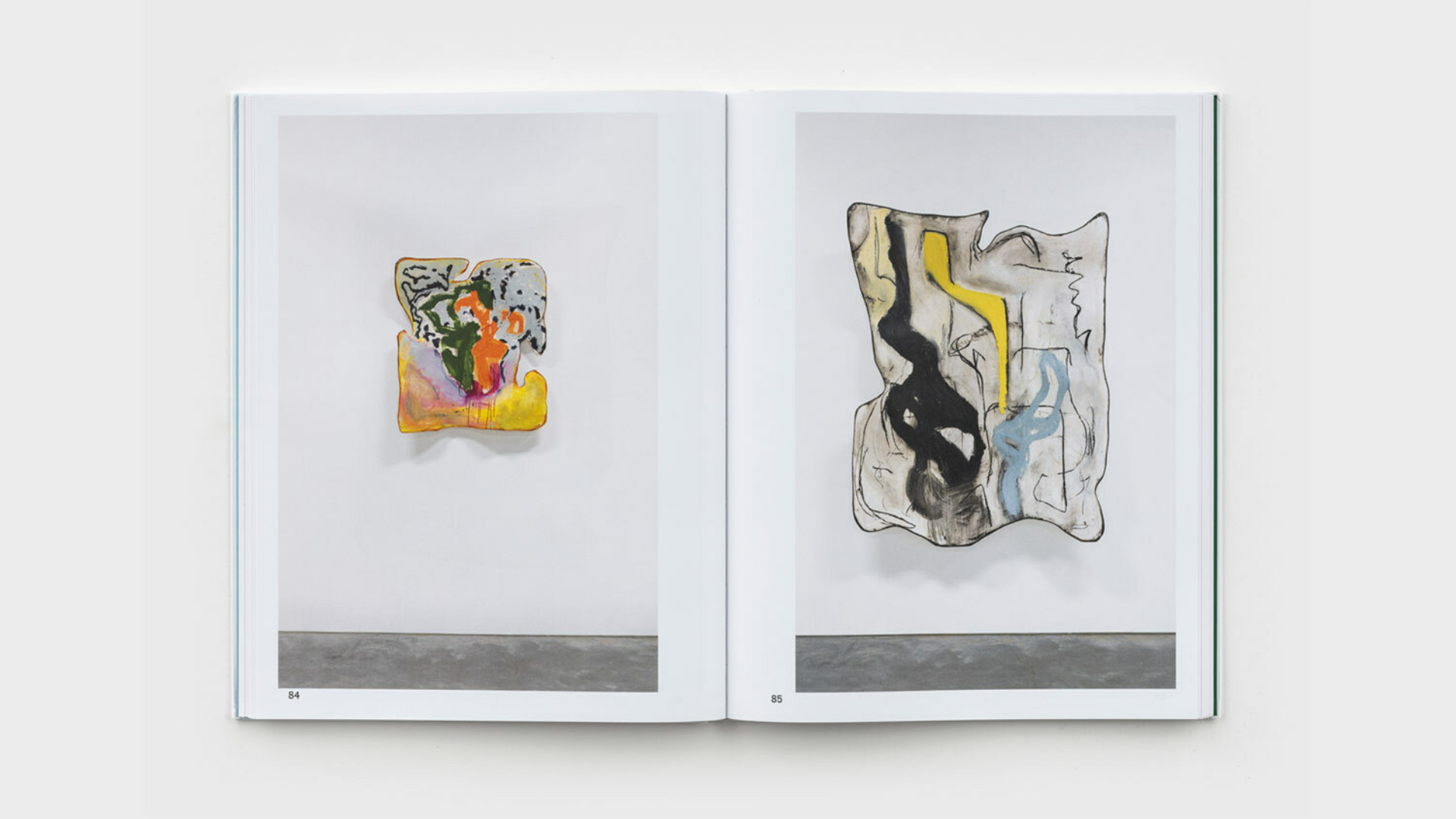
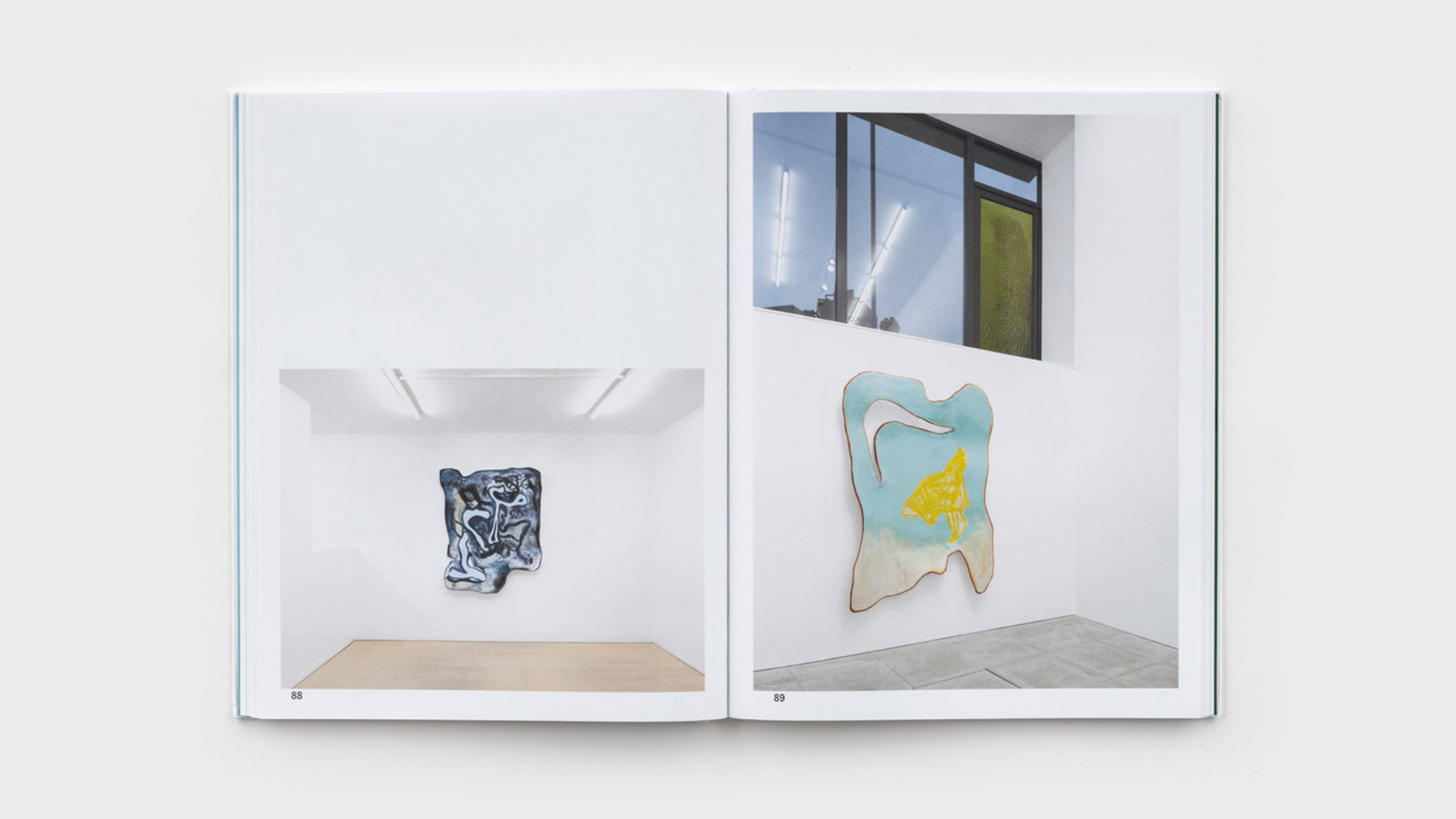
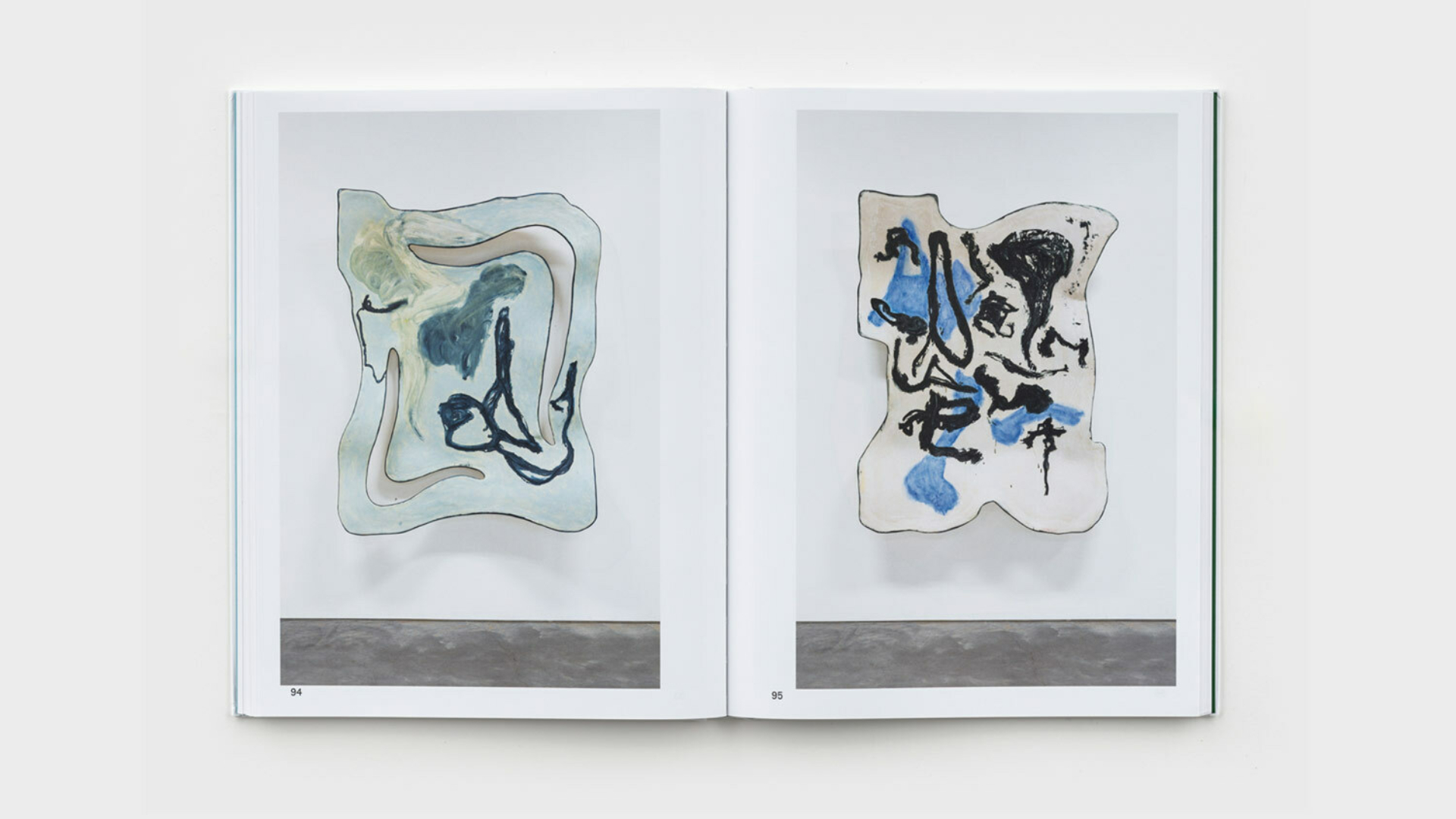
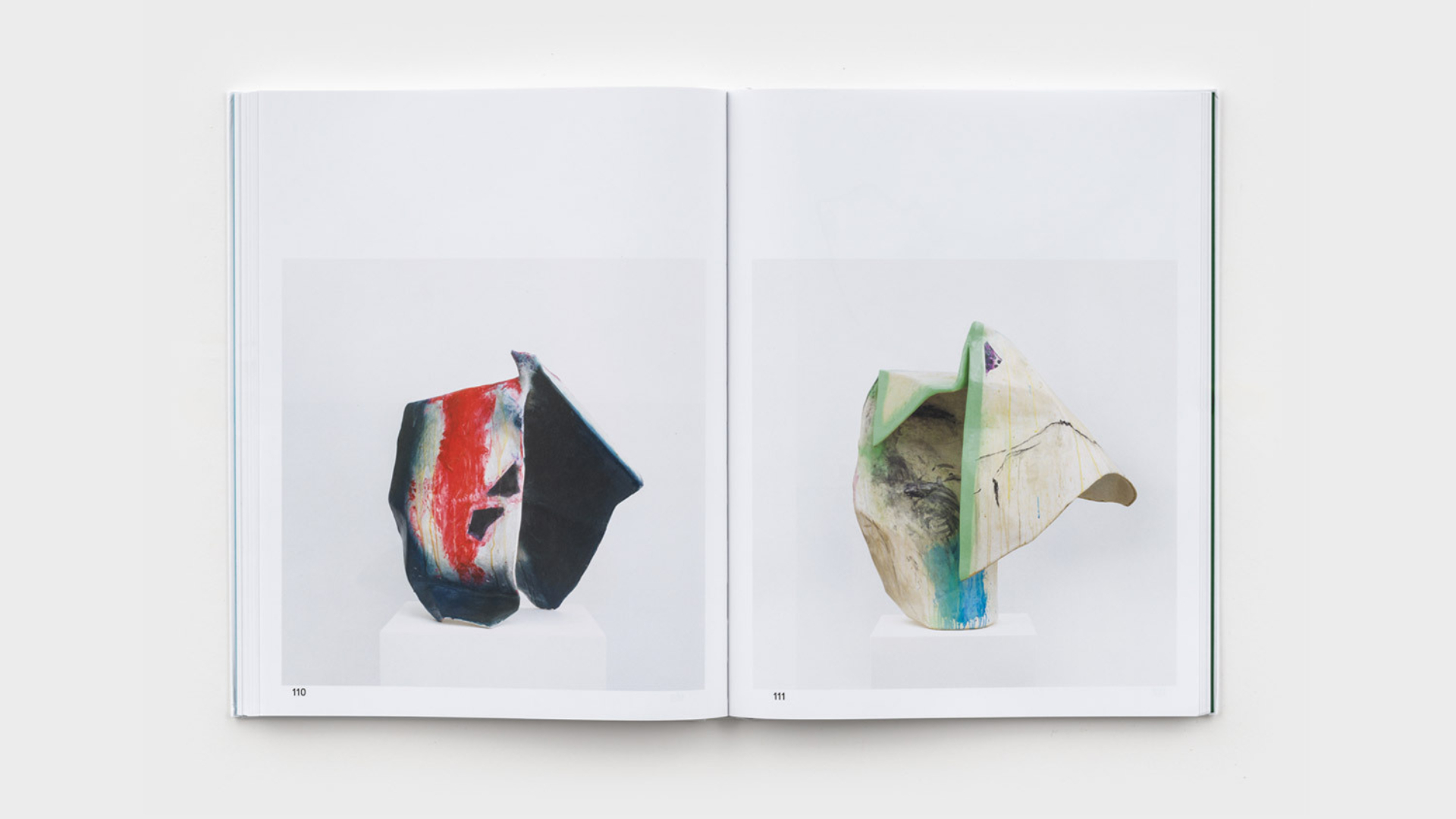
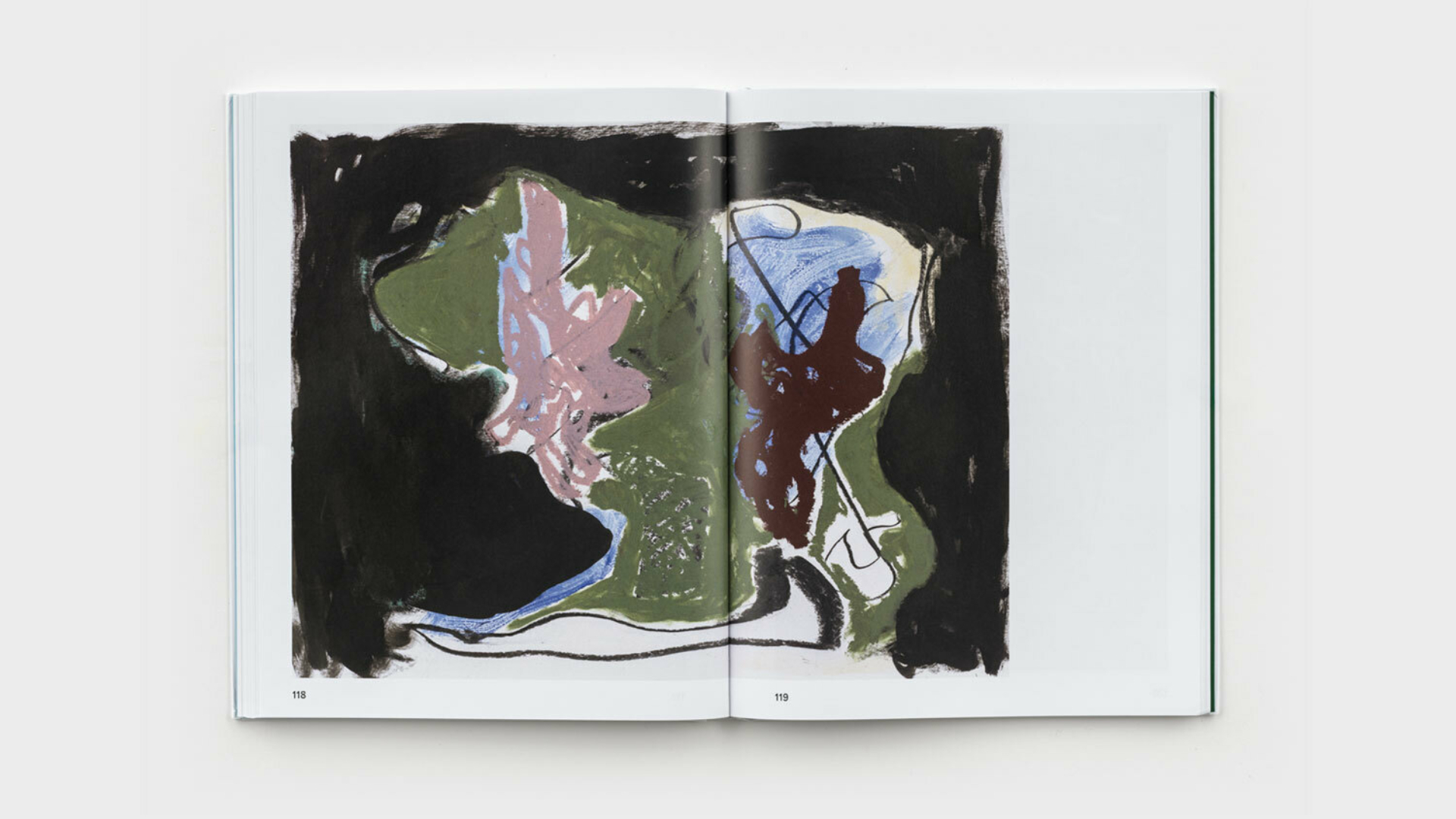
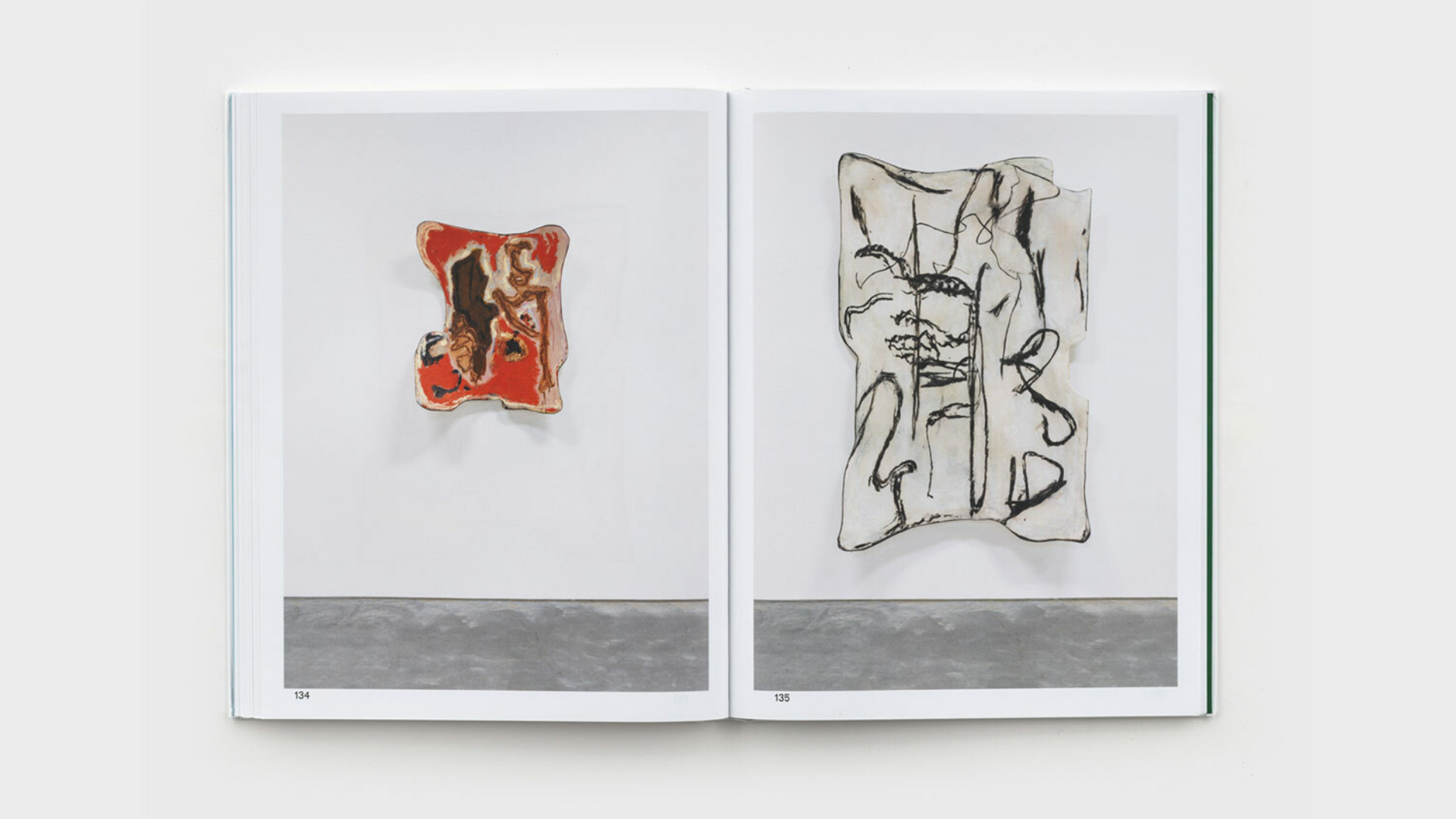
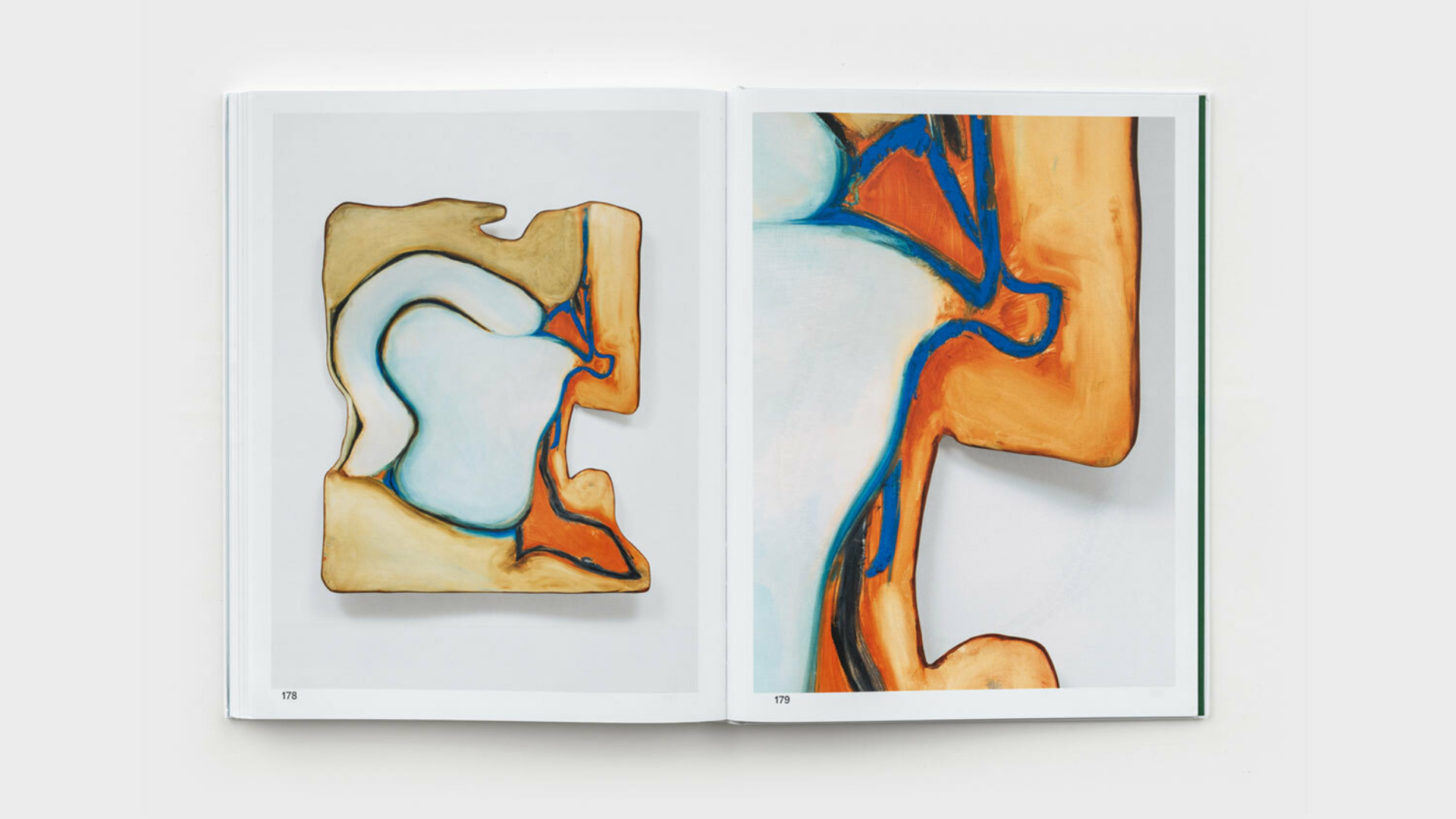
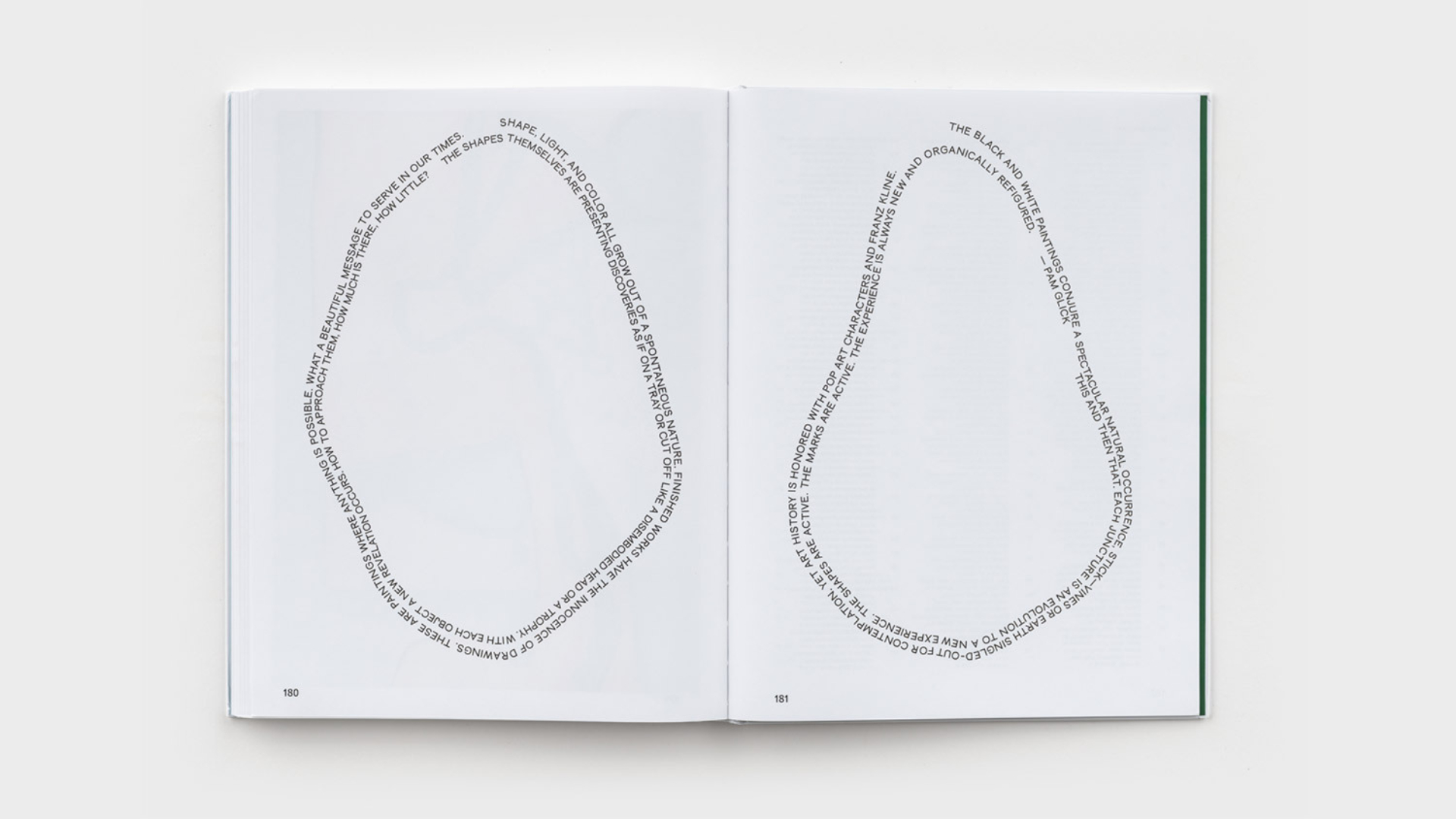
Permeated with reflections on the autonomy of painting, the plasticity of the pictorial surface, the importance of the support and the ubiquity of framing – a space, a picture, as well as our perception of their limits – Ernesto Burgos' first monograph could be seen as an incessant reaserach on both the expansion of painting into the space and the contraction of sculpture onto the wall. Spanning 10 years of the artist's practice, with over 90 works comprising paintings, sculptures, works on paper, and exhibition documentation, the book showcases Burgos' research by foregrounding the formal tensions that make our experience of an artwork always new and organically surprising. Through a seemingly ceaseless variety of alterations on the idea of plasticity, the book displays the artist's capacity to simultaneously create real and ideal spaces, as well as to shake up our expectations of how the eye engages with artistic media, projecting into three-dimensional objects what is essentially a play of surfaces. Mirroring this linear yet spatial quality of Burgos' practice, an essay by writer, editor, and critic Evan Moffitt and a contribution by the artist Pam Glick, respectively, open and close the book, rounding its edges, yet never fully defining them.
Born in 1979 in Santa Clara (California), Ernesto Burgos, who raised in Chile, lives and works in New York. His sculptural works are influenced by the abstract expressionist tendencies of the 1950s, characterized by large forms and the manipulation of raw materials. Burgos uses ordinary materials such as cardboard, fiberglass and resin, undergoing a meticulous process of folding, tearing, cutting and gluing, guided partly by intuition and partly by the nature of the materials themselves. The artist is fascinated by objects in the process of transformation, and insists that the process remains visible in the final piece.