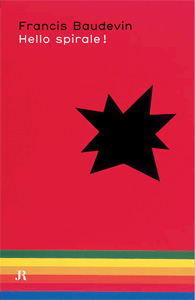
Retrospective monograph.
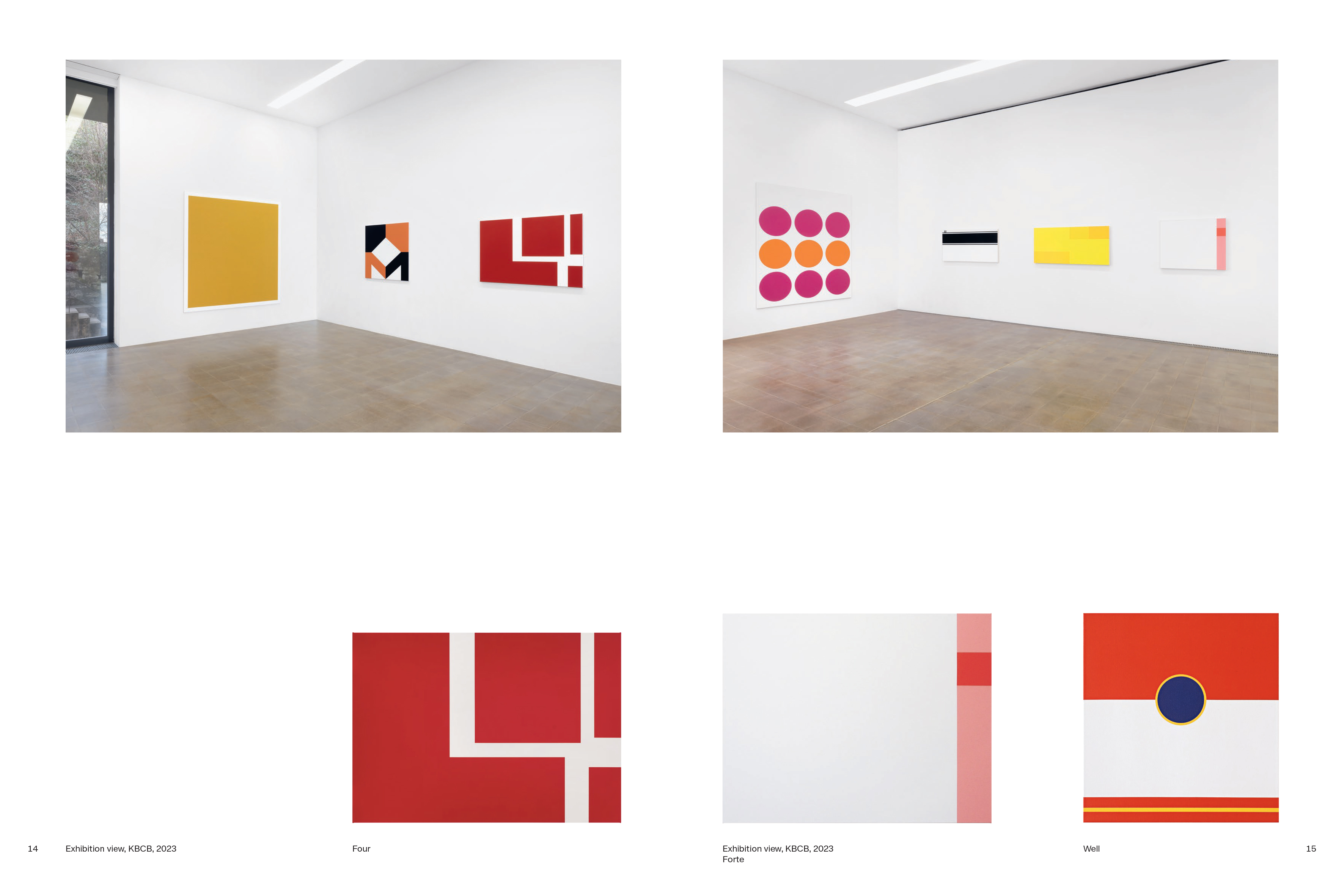
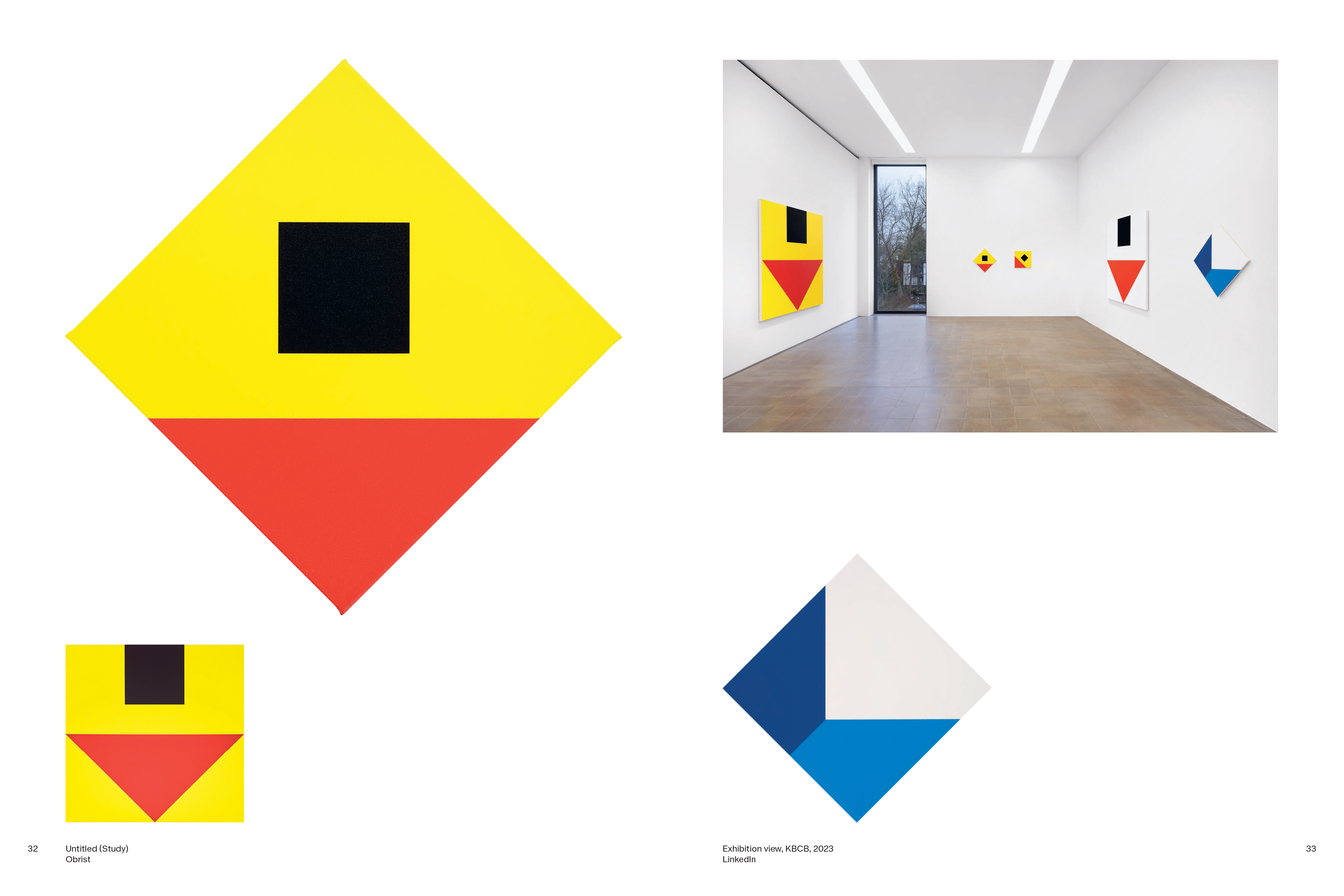
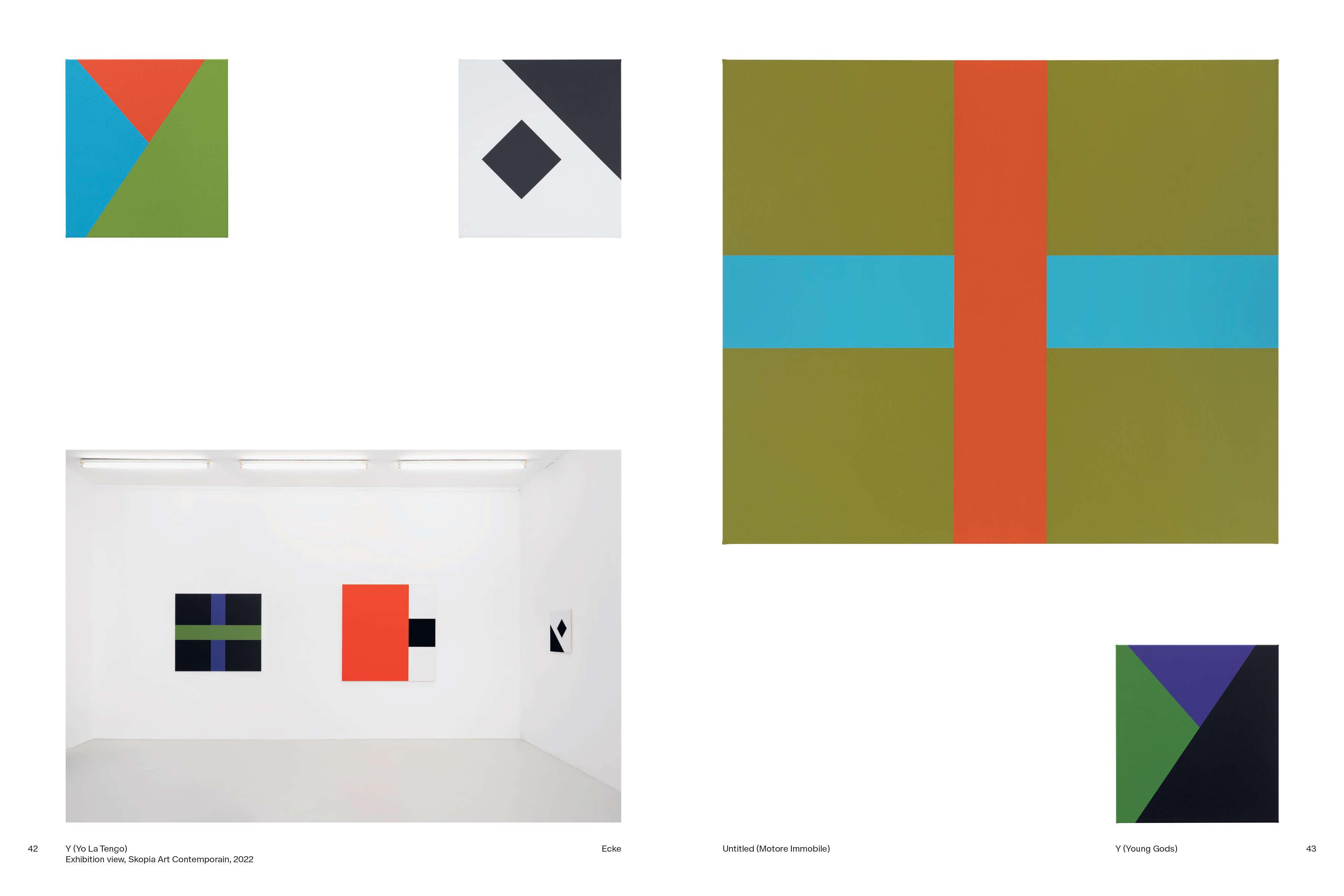
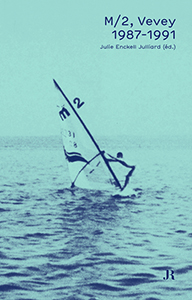
Stemming from his major solo exhibition held at Kunsthaus Biel Centre d'art Bienne in 2023, this comprehensive monograph on Swiss painter Francis Baudevin offers a complete overview of his 35 years of work. It particularly focuses on how his practice has evolved in the last decade and his deep connection to music, Baudevin being an obsessive collector of records and an experimental and underground music enthusiast.
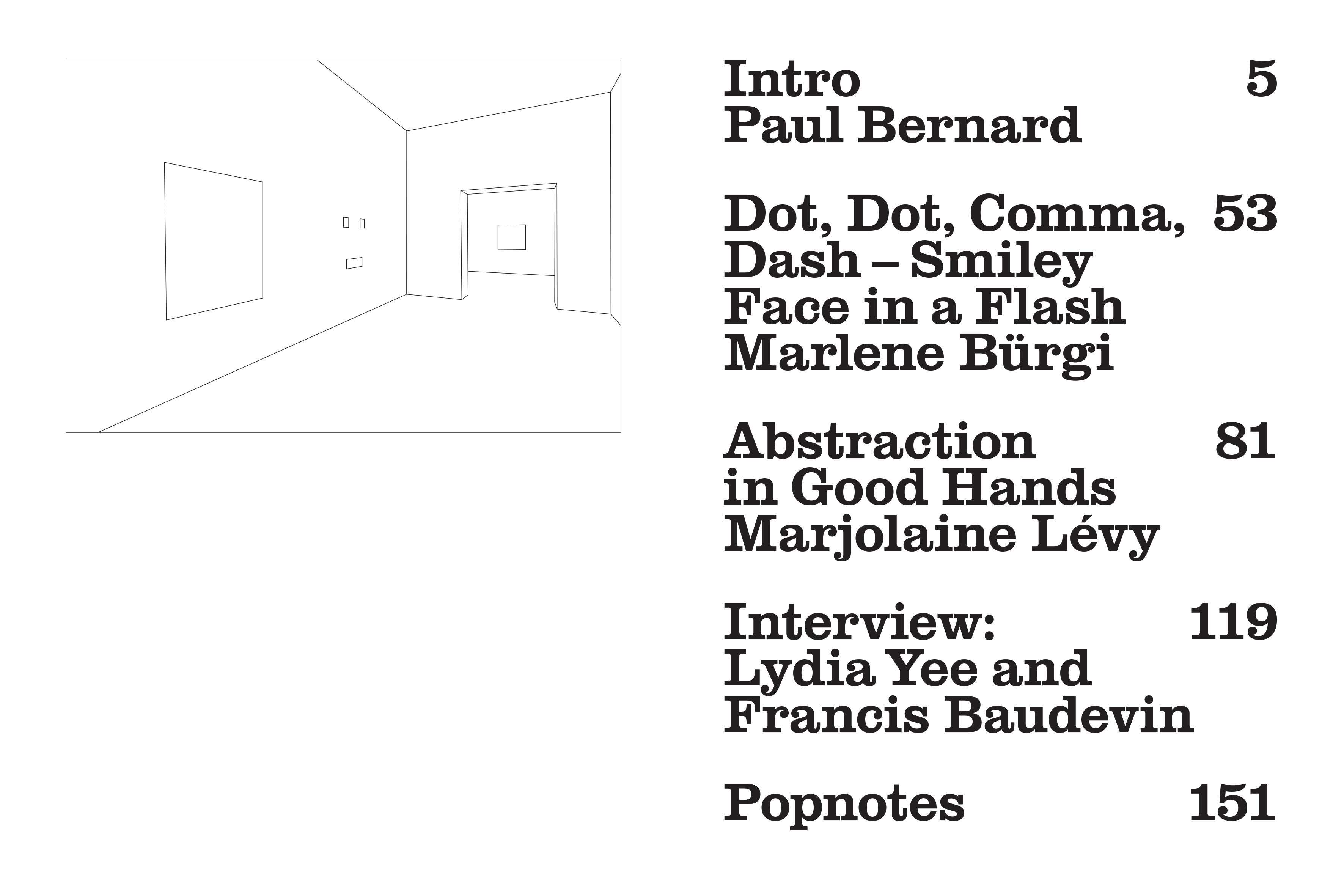
Lavishly illustrated, designed by the artist with Zurich-based graphic designer Nicolas Eigenheer and introduced by curator
Paul Bernard, this monograph features an essay on the influence and legacy of Concrete Art in Baudevin's work by French art historian
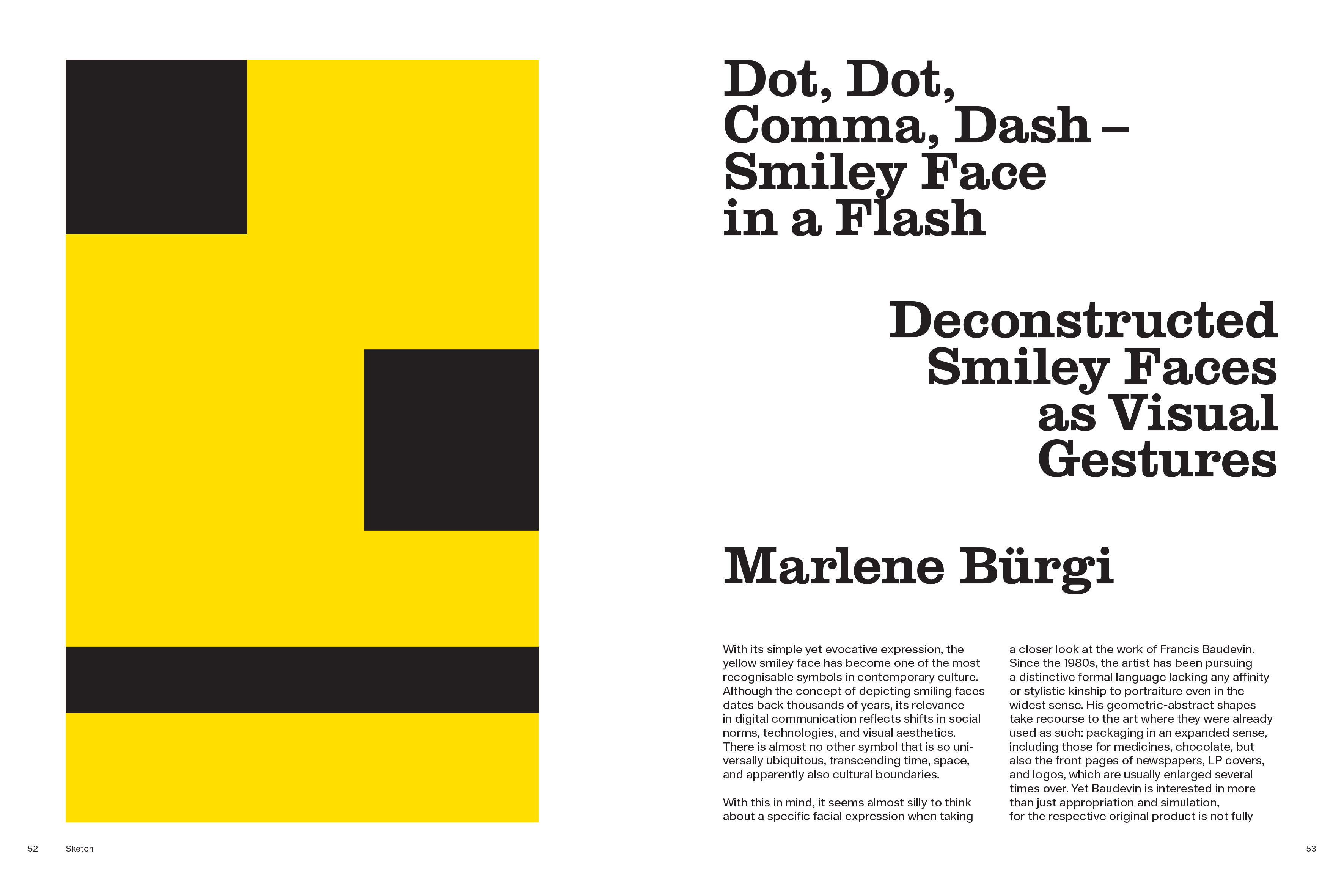
Marjolaine Lévy, a case study by Swiss curator and historian Marlene Bürgi about the relationship between the smiley emoji and the wall paintings produced by the artist for his 2023 Biel exhibition, as well as an extensive conversation with London-based art critic and curator Lydia Yee.
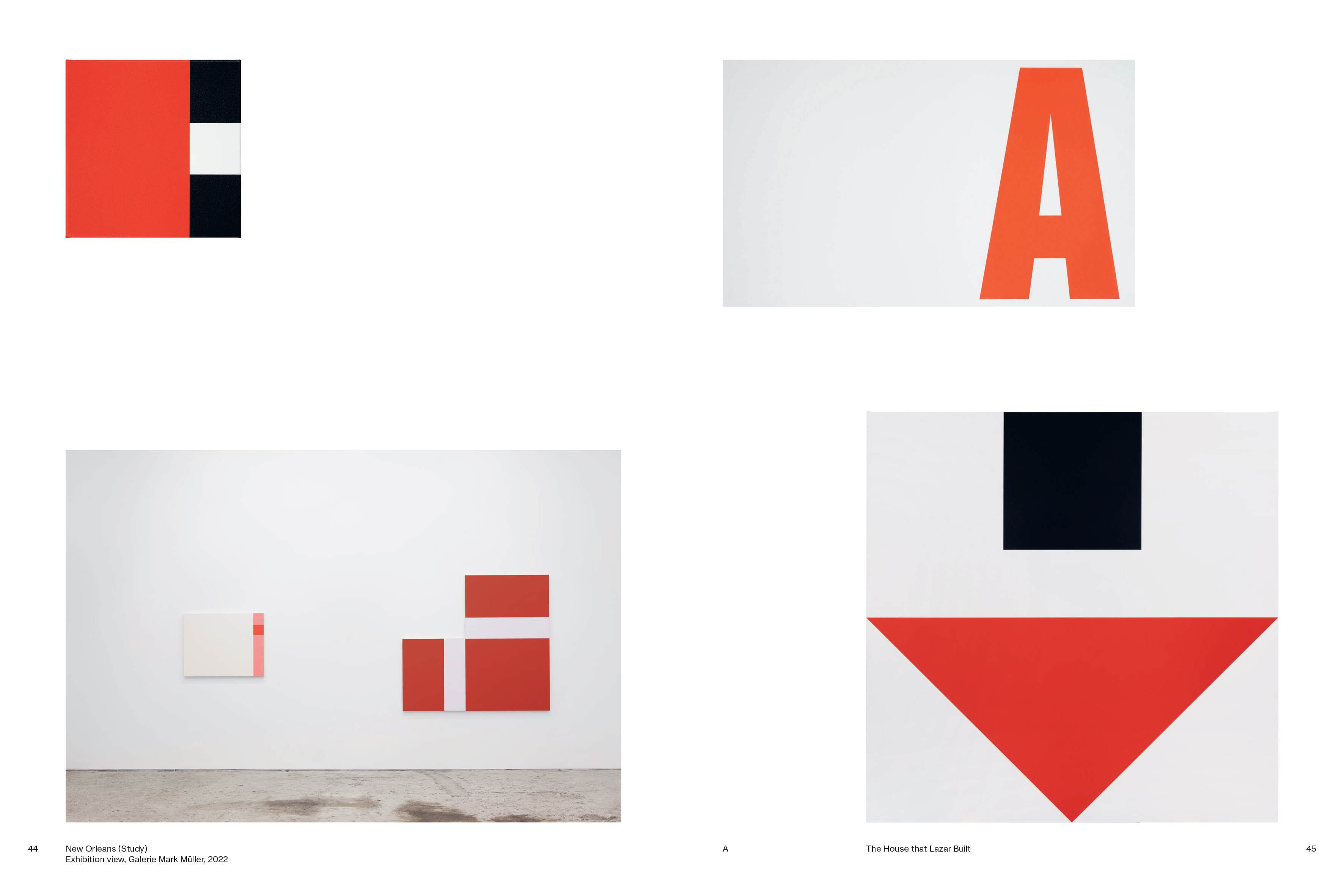
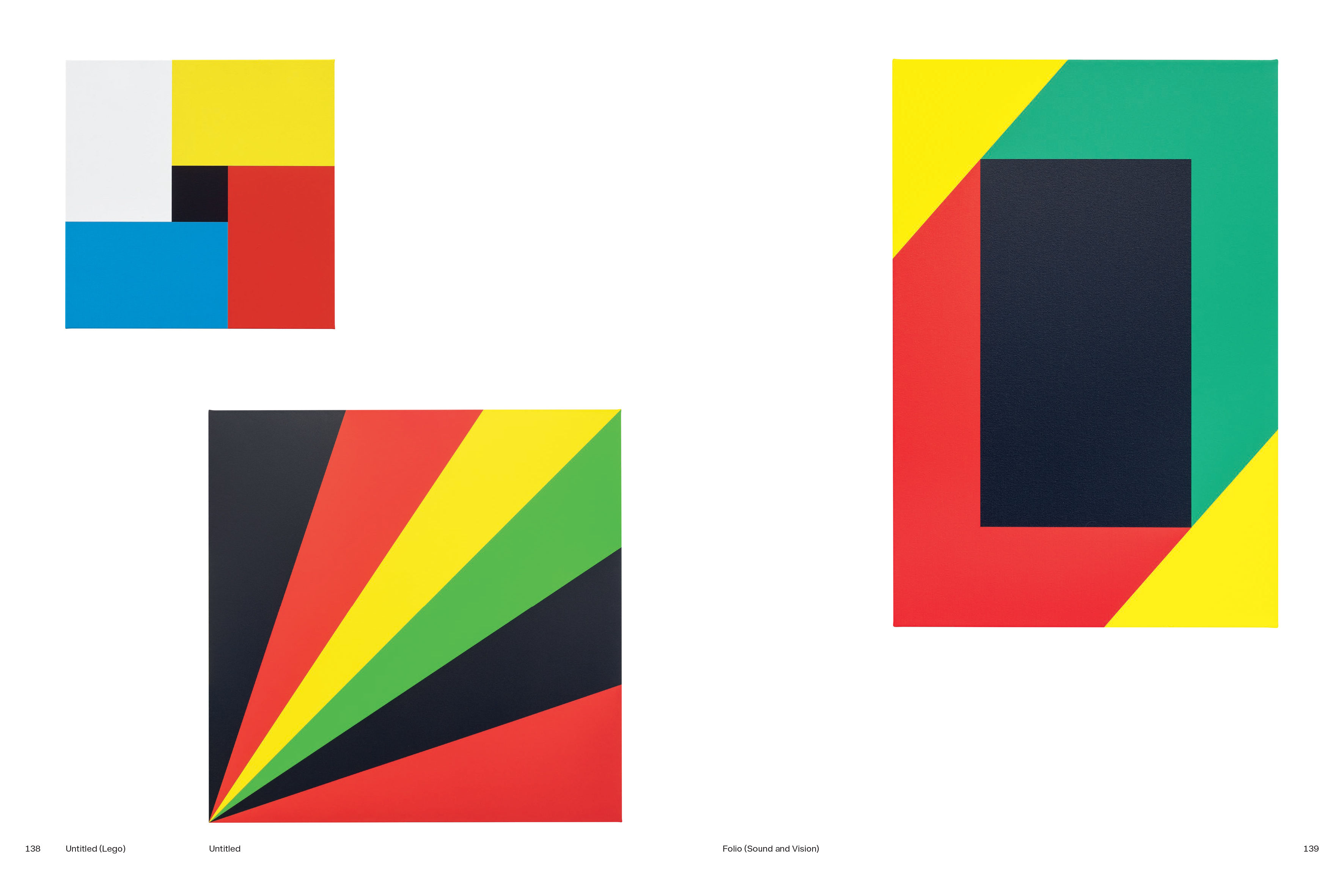
Francis Baudevin (born in 1964) realizes paintings from found compositions of graphics designed for various products, primarily pharmaceuticals, as well as logos and album covers. In the appropriation, Baudevin's main act is that of removal: he takes away the type, leaving only the graphics, and so no products are identified or advertised. He never varies the colors from those of the original, and his only real departure is scale, with the original enlarged to the canvas or the wall by ten times or more.
Baudevin, of course, is aware of the history of graphic design and of geometric abstraction, and that it is in many ways a shared one. In Switzerland, abstract painters such as Max Bill and Richard Paul Lohse had to work in graphic design by necessity, as has Baudevin. In basing his paintings on package design and logos, he is in effect taking back, or re-appropriating, the history that influenced its commercial counterpart. “I prefer to participate in reviving modernist abstraction,” Baudevin has said, “rather than [to] comment on some observation or other as to the exhaustion of forms and concepts. I am not resigned at all—on the contrary, I feel a real empathy toward the cultural project of modernity.”
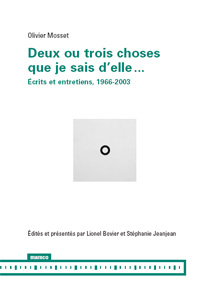
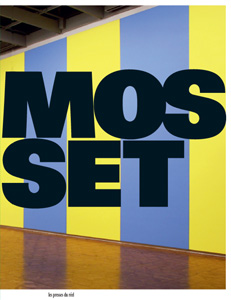
Olivier Mosset, writing on Baudevin in 2000, commented, “He neutralizes the idealistic weight that is sometimes carried by abstract art by making his method clear. There is no mystery here, only a simple evidence: a non-illustrative work that illustrates both a commercial situation and the idea of abstract art.” “One day,” concludes
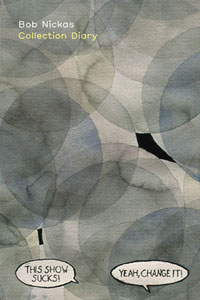
Bob Nickas, “the paintings of Francis Baudevin should come with the sort of advisories and directions that the originals do: 'May cause dizziness' and 'Play loud.'”