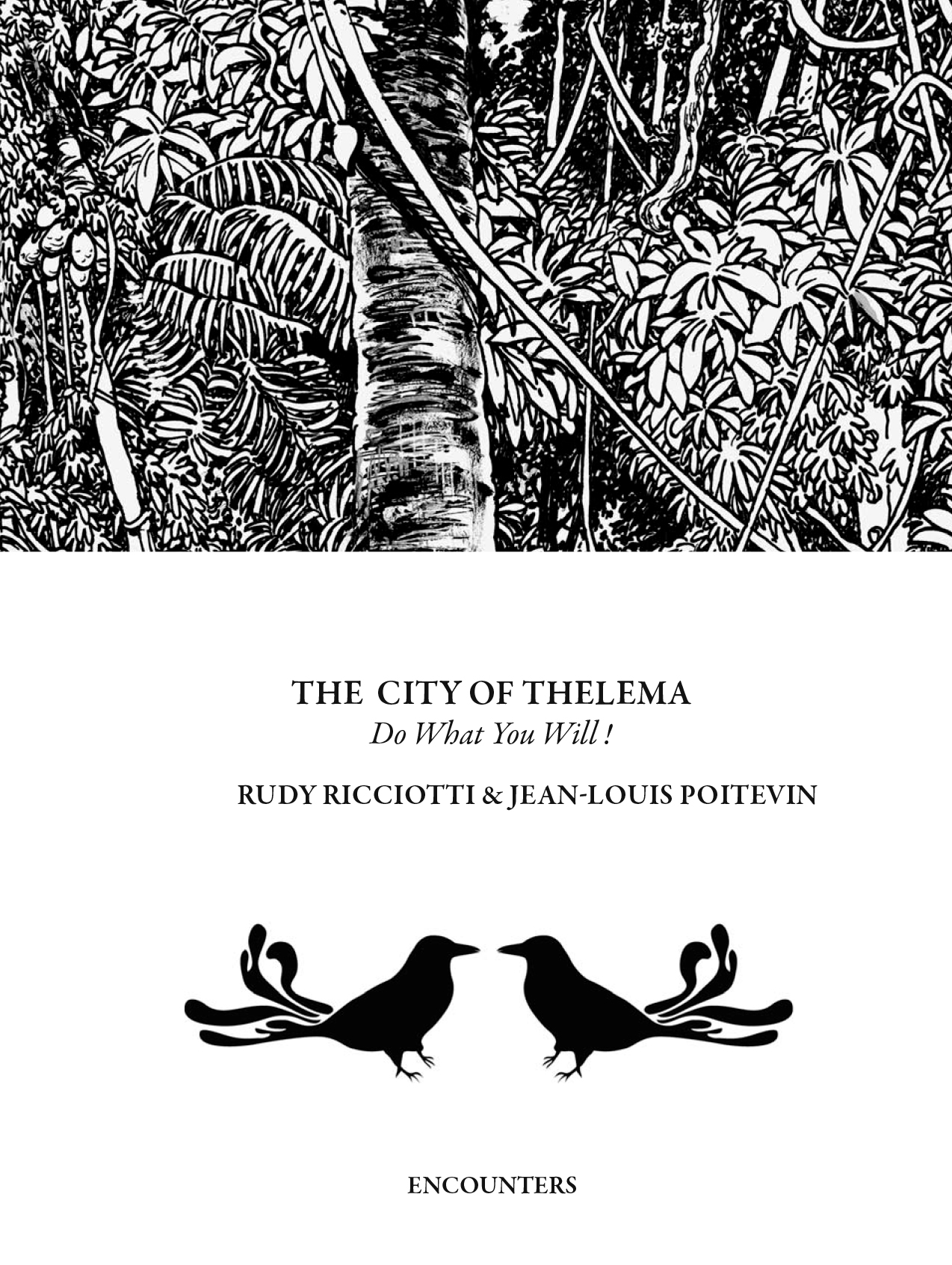
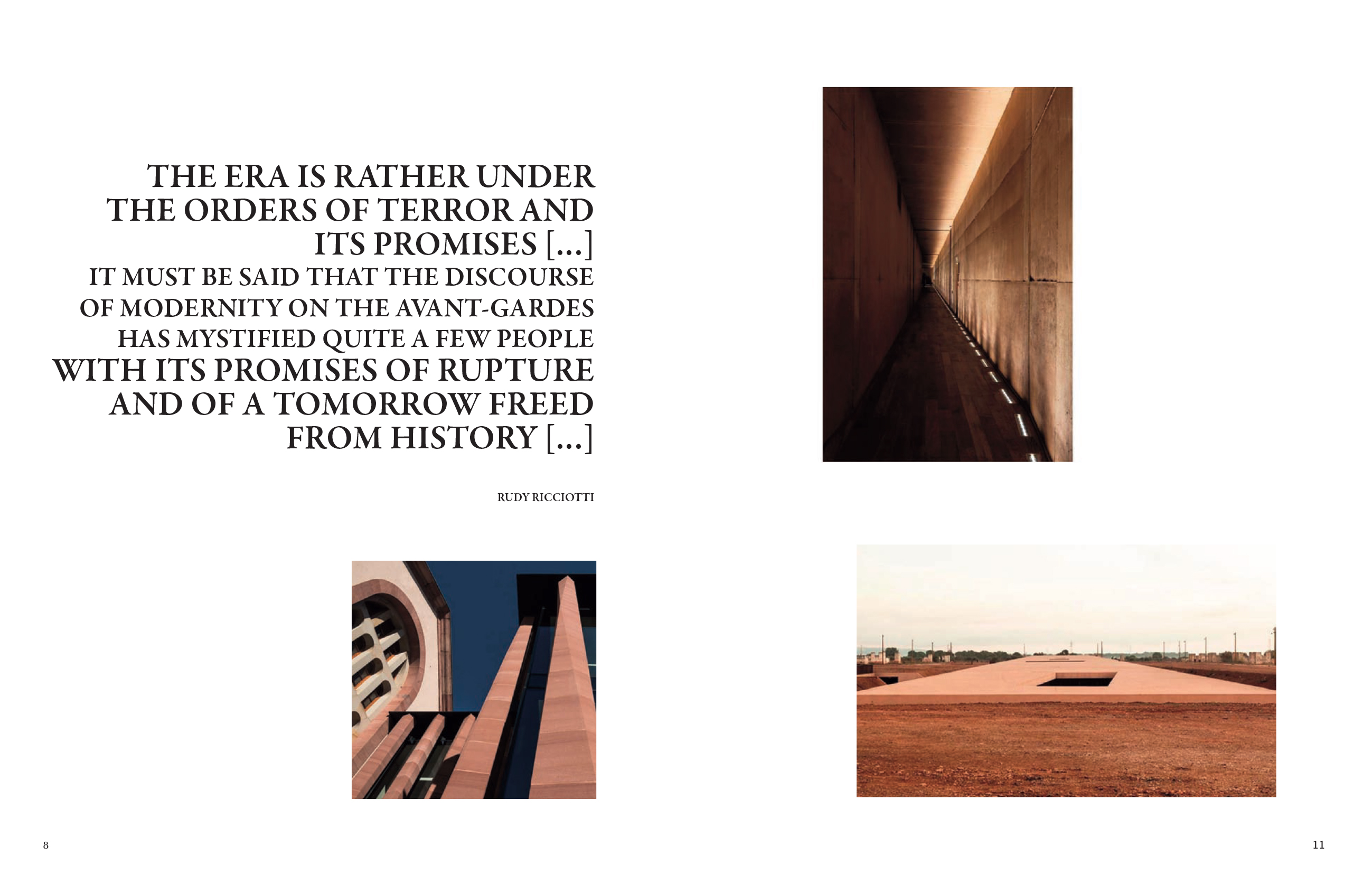
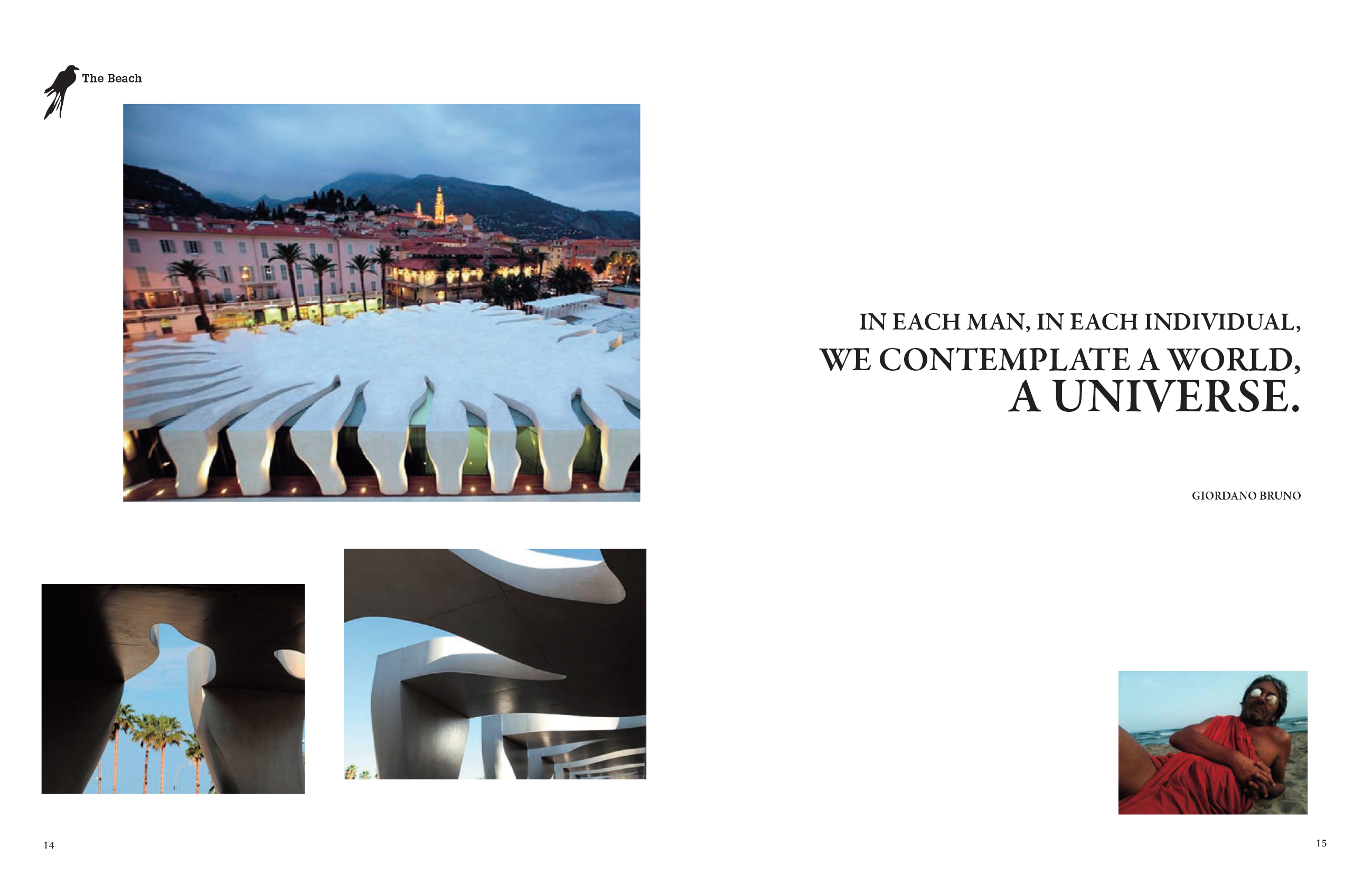
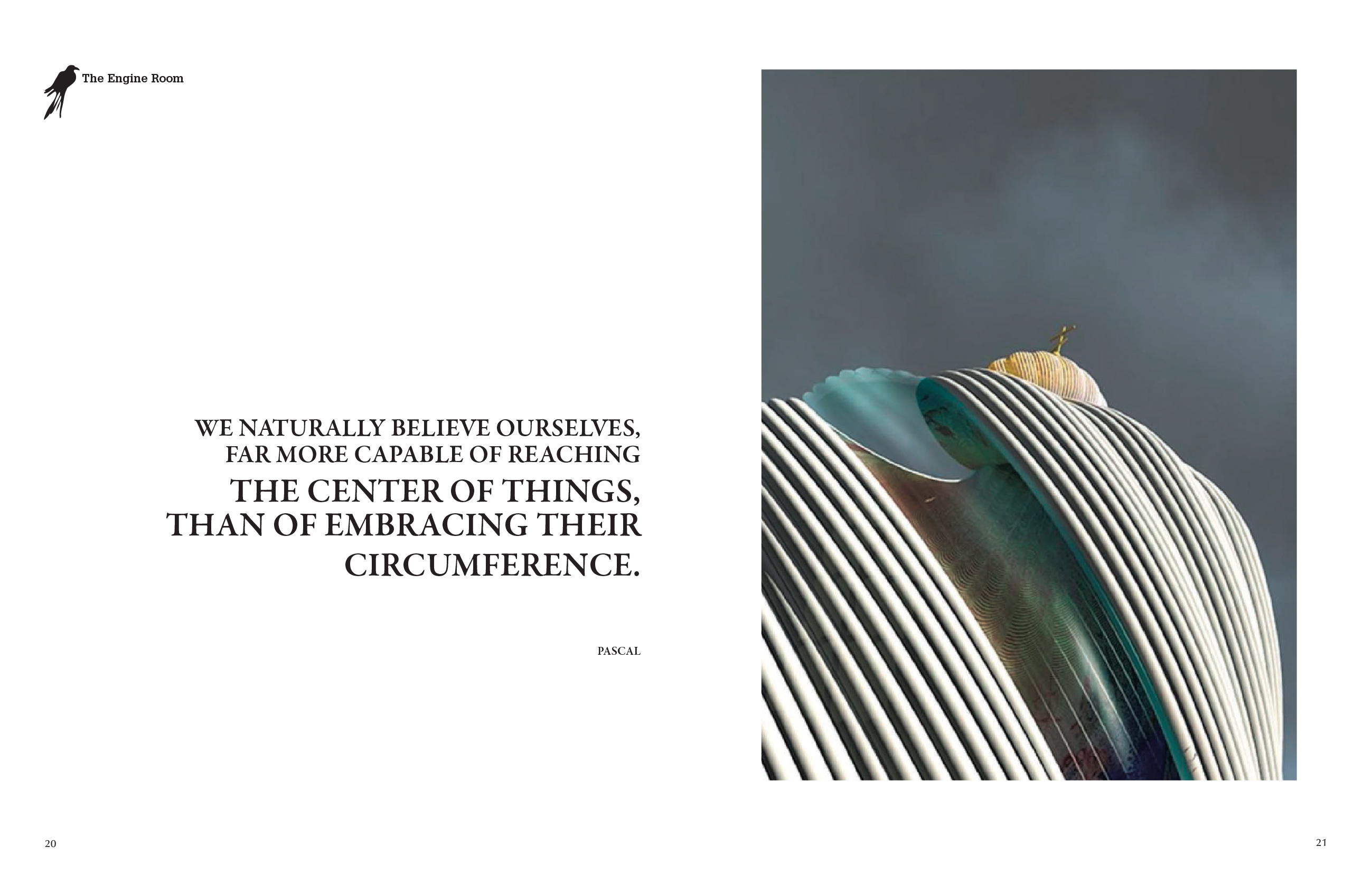
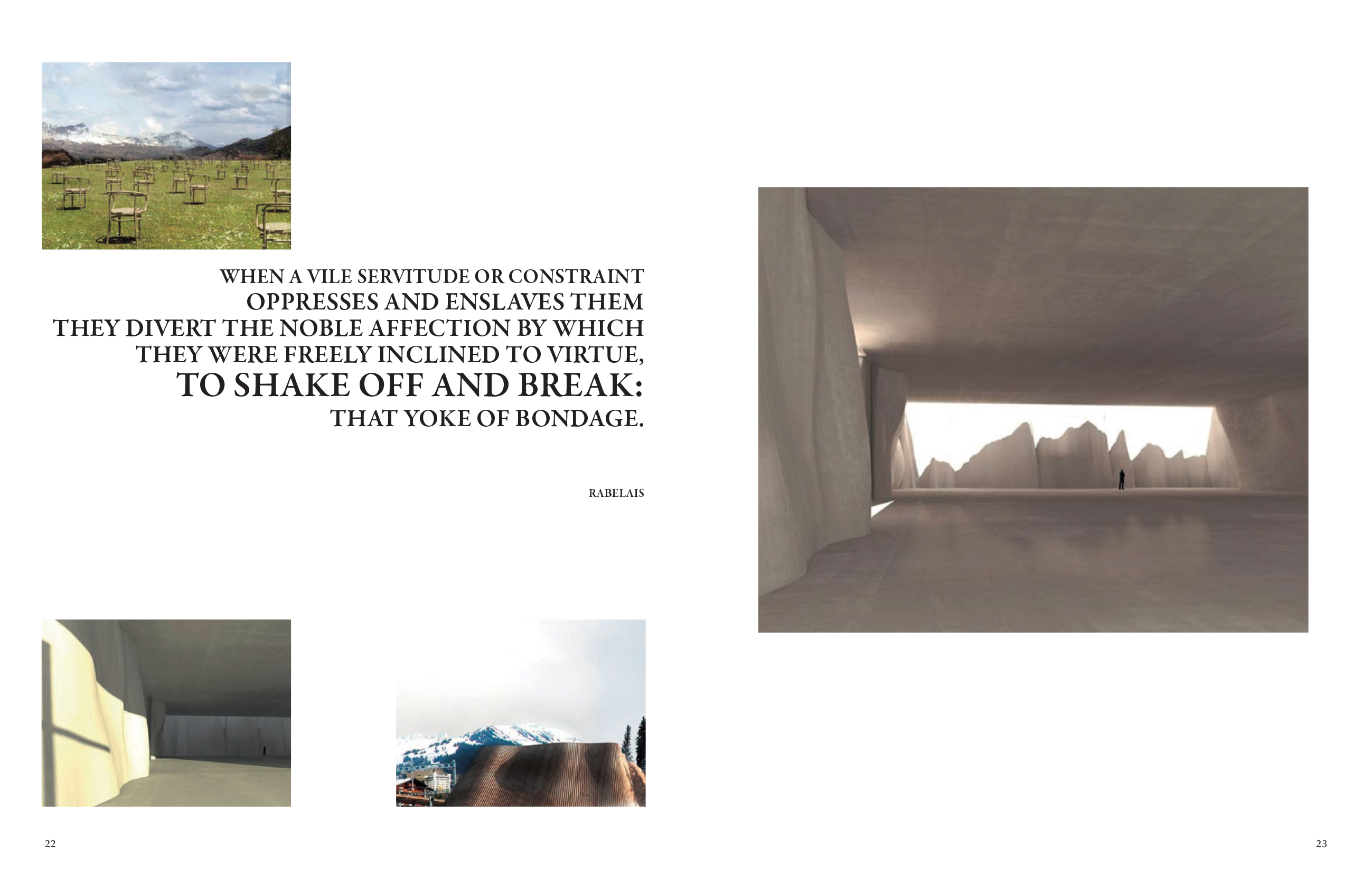
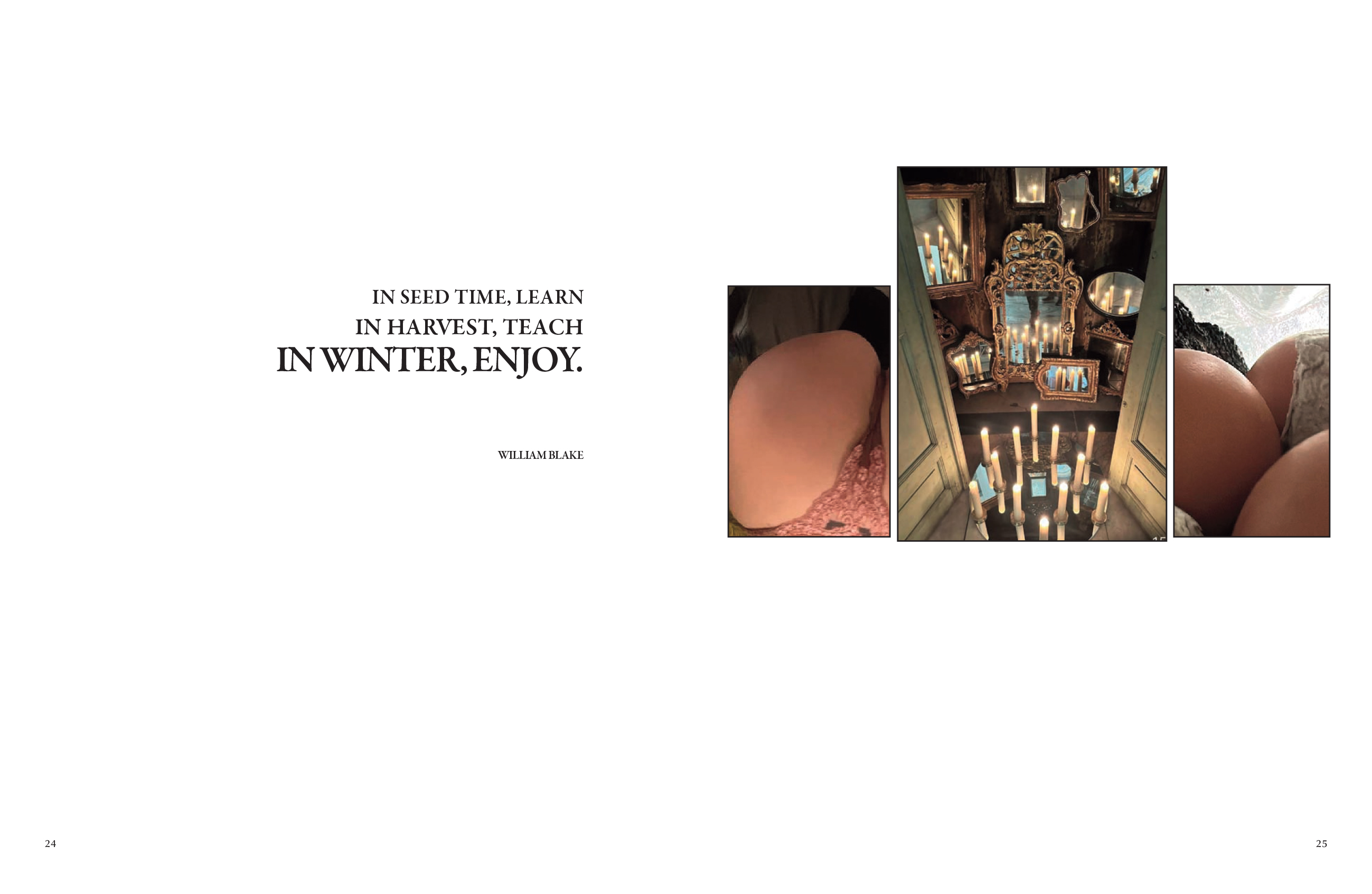
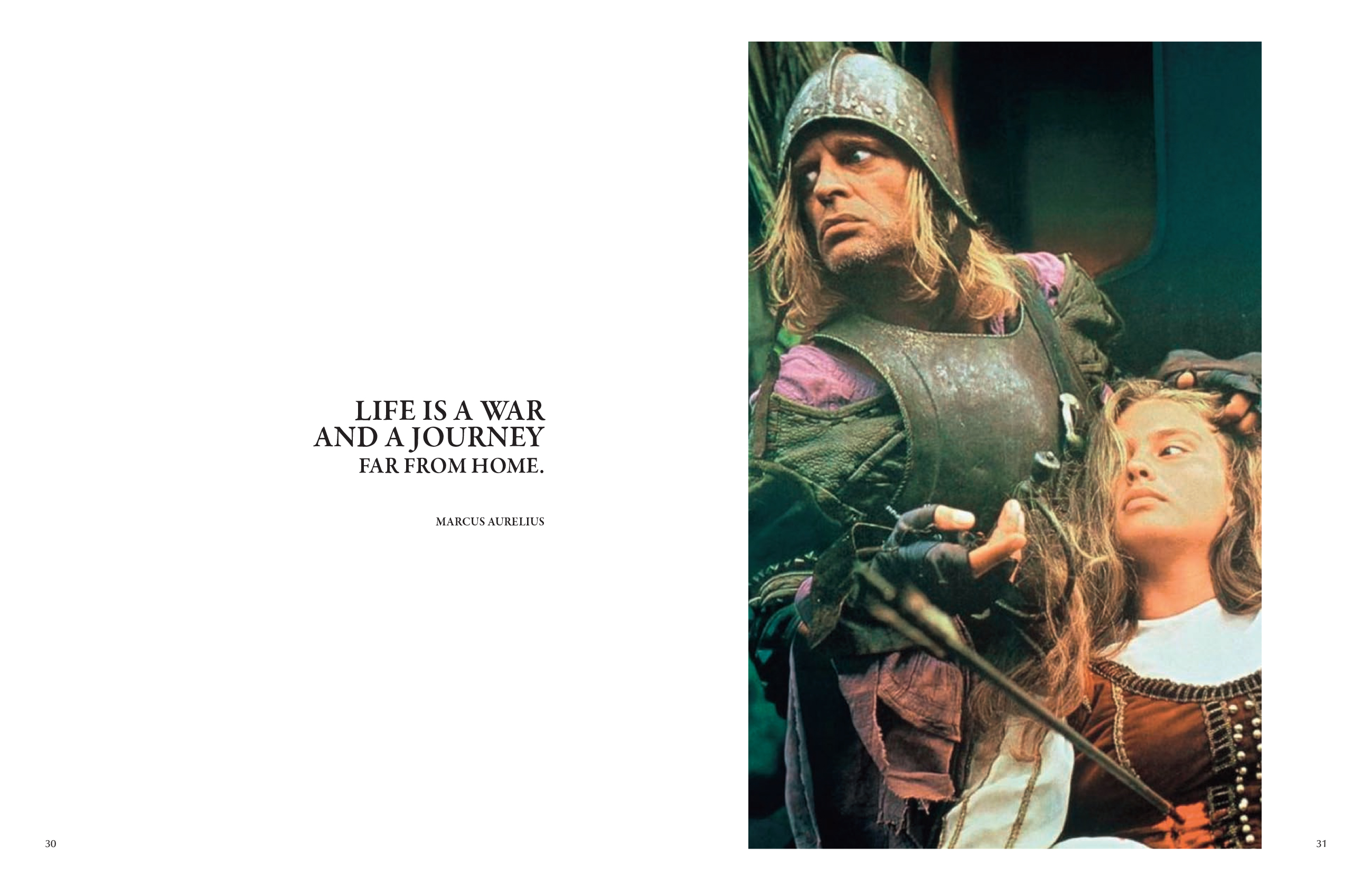
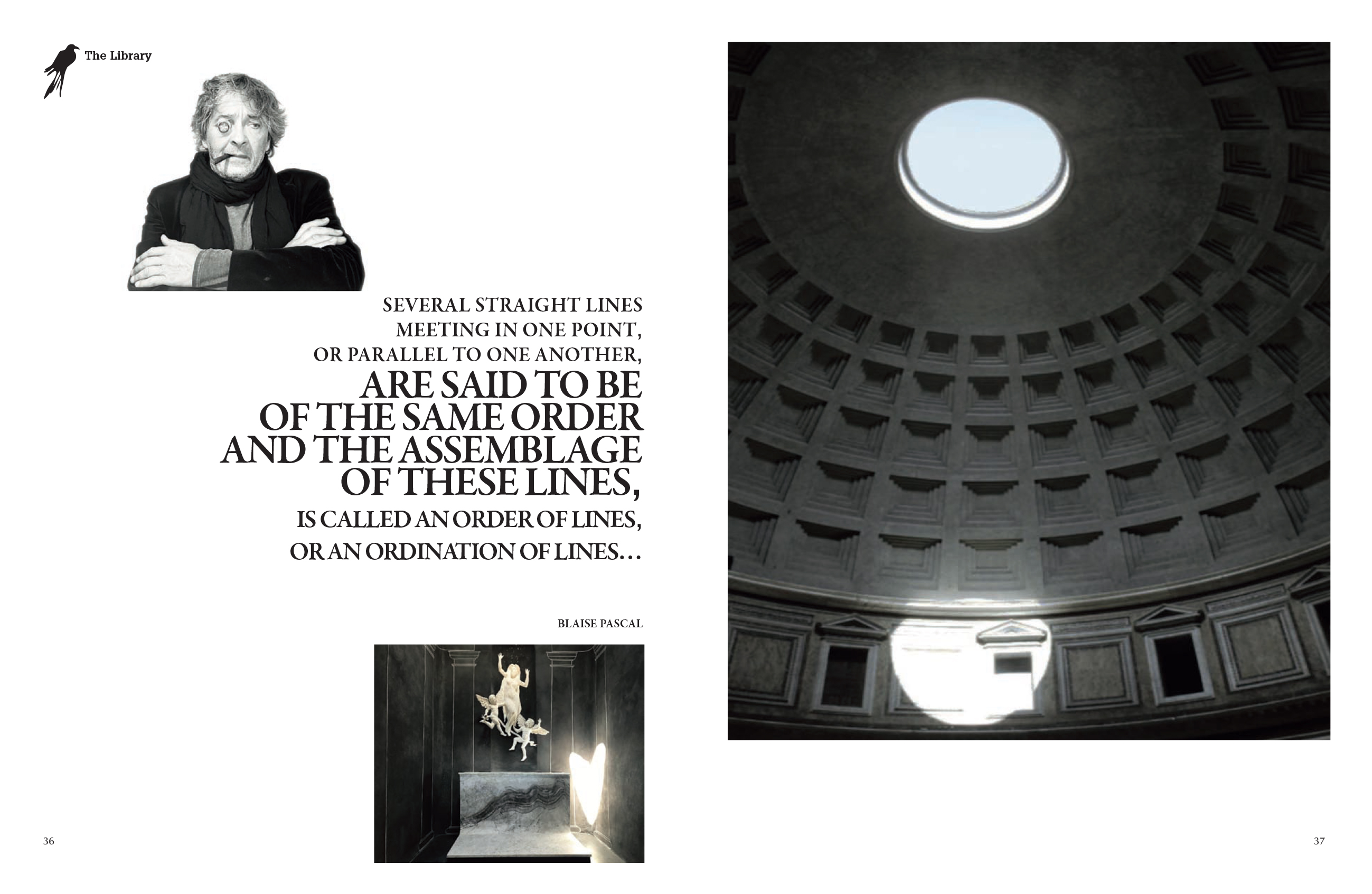
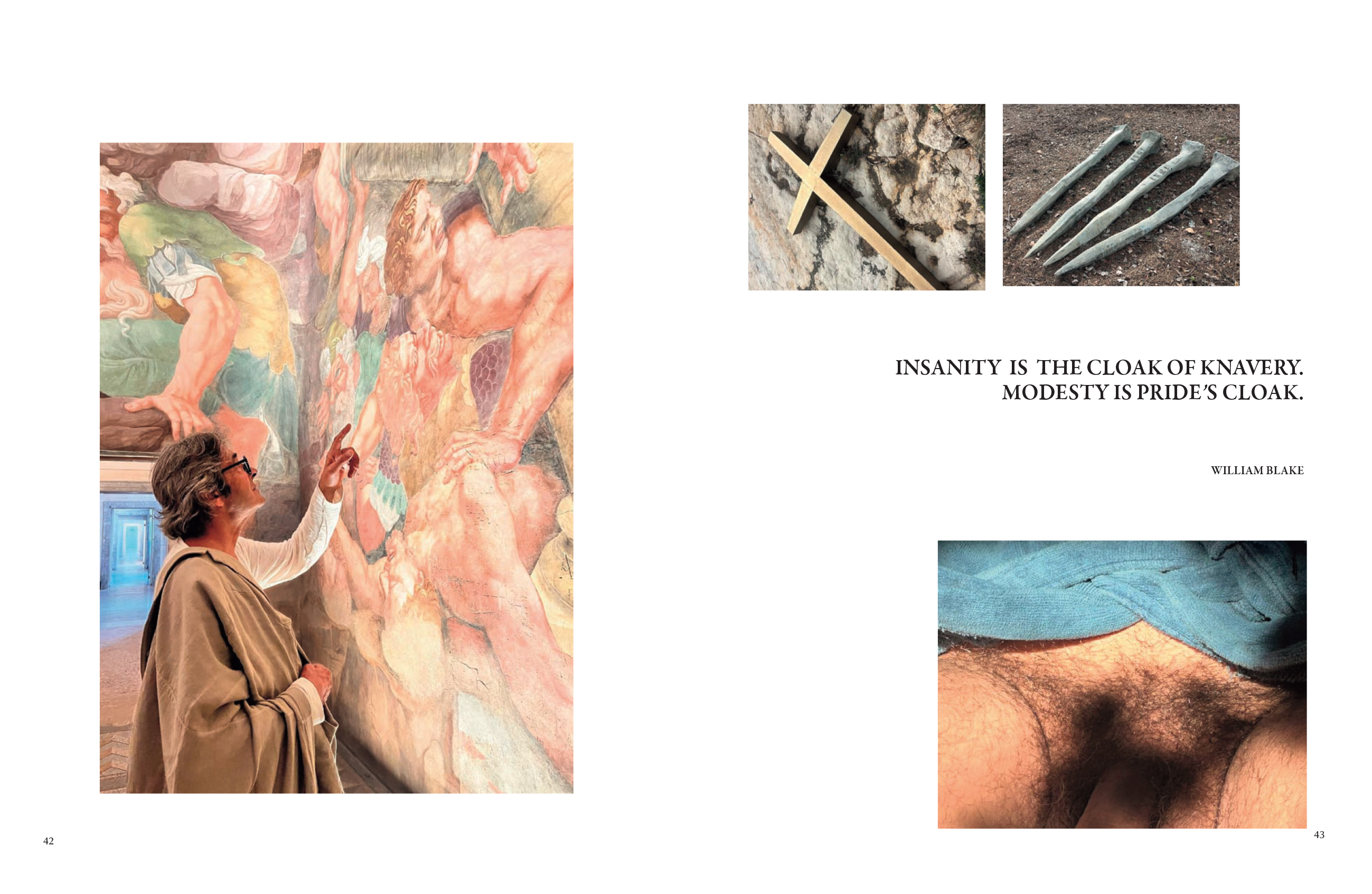
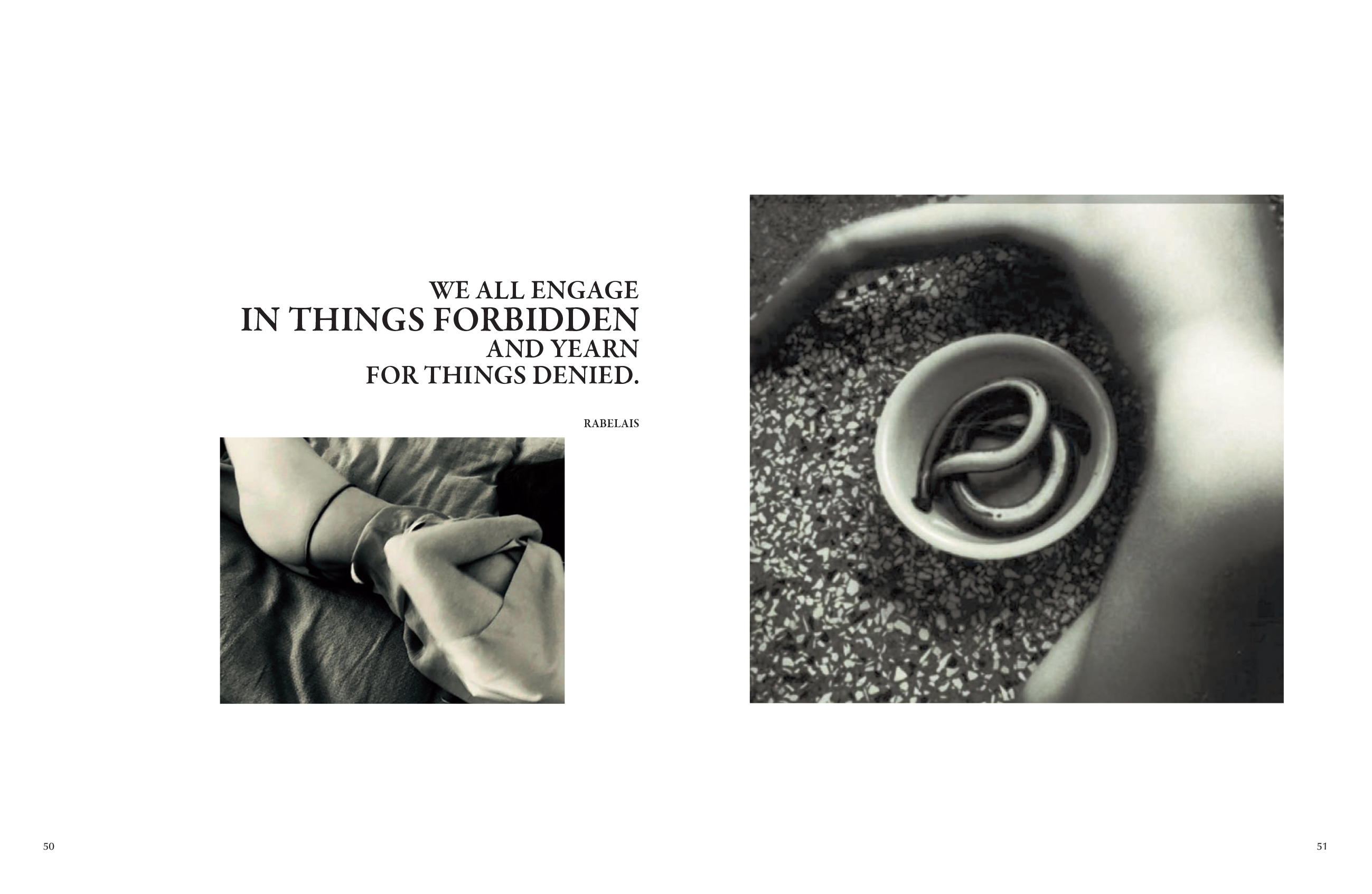
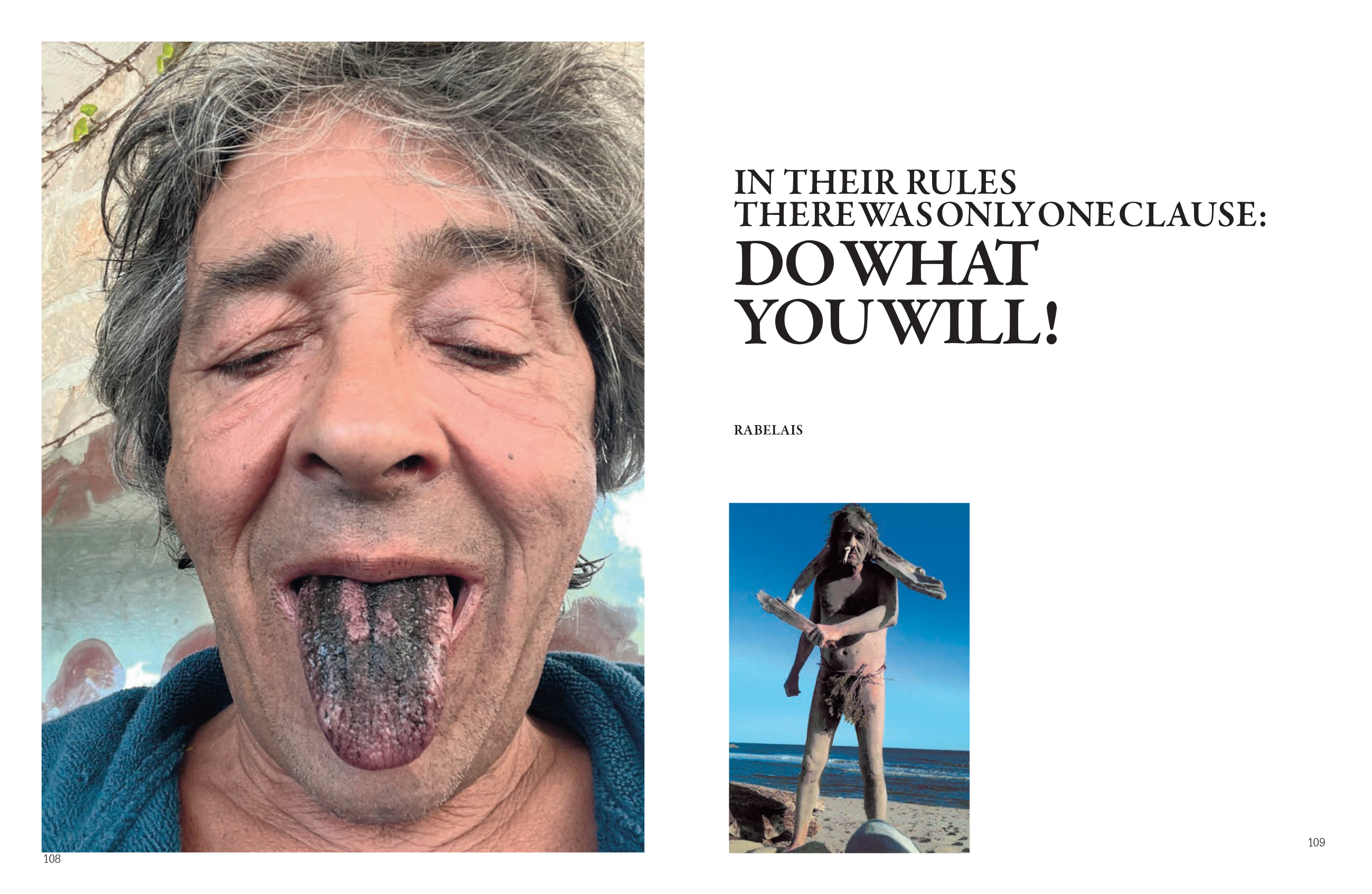
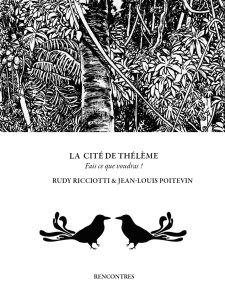
An exploration of the utopian labyrinth that has fueled the imagination and work of internationally renowned architect Rudy Ricciotti, through a quasi-cinematic montage of images and quotes, constituting a stroll through the mind of the “character” Ricciotti, each space visited punctuated—as in a voice-over—by a text by Jean-Louis Poitevin.
Rudy Ricciotti explores, together with Jean-Louis Poitevin, the secrets of the utopian "Abbey of Thelema", the humanist utopia envisioned by Rabelais, from which the architect has forged his body of work. This book unfolds as a journey into the discovery of the secret territories that compose the City of Thelema. In resonance, within this labyrinth, one hears the architect's bursts of voice—most often rising from the soil of distant memories, tinged with the scent of sulfur, blood, and semen—interweaving with the words that the guide, Jean-Louis Poitevin, employs in a shared voyage, like so many keys capable of opening the reckless doors of this city.
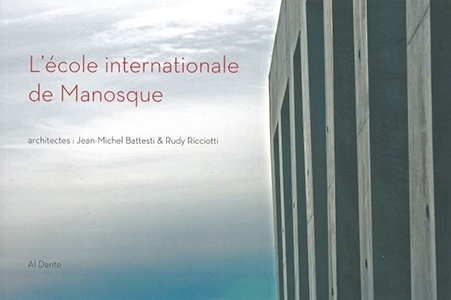
French architect and engineer of Italian origin, Rudy Ricciotti (born in 1952 in Kouba, Algeria, lives and works in Bandol in the Var region), recipient of the Grand Prix National de l'Architecture in 2006, is notably the architect of the Mucem in Marseille. Ricciotti spent his childhood in Camargue after his family left Algier. He learned about the world of construction by accompanying his father, a bricklayer, to building sites, but he also quickly discovered the emotional and formative power of the works of great artists, writers, filmmakers and others, which would secretly nourish his work as an architect. The author of numerous books on architecture, he is now also a recognised thinker on the ethical and aesthetic issues that should motivate contemporary architecture.
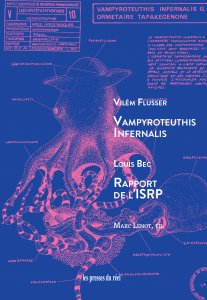
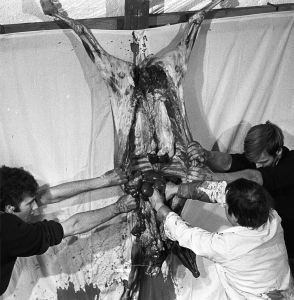
Jean-Louis Poitevin (born 1955) is a French writer, art critic and PhD in philosophy. Author of numerous books and articles on contemporary art and literature, he now mainly publishes novels and essays. Since 2005, his research has focused on art and society analysed through the prism of image. From Gracq to Musil, from Flusser and Simondon to Twombly and Nitsch, he has sought to approach the shores of the imagination that have sometimes carried men to incomparable heights. By linking the invention of gods to the systematic destruction of the mysteries of consciousness, he now attempts to outline the contours of the psyche that will replace it.