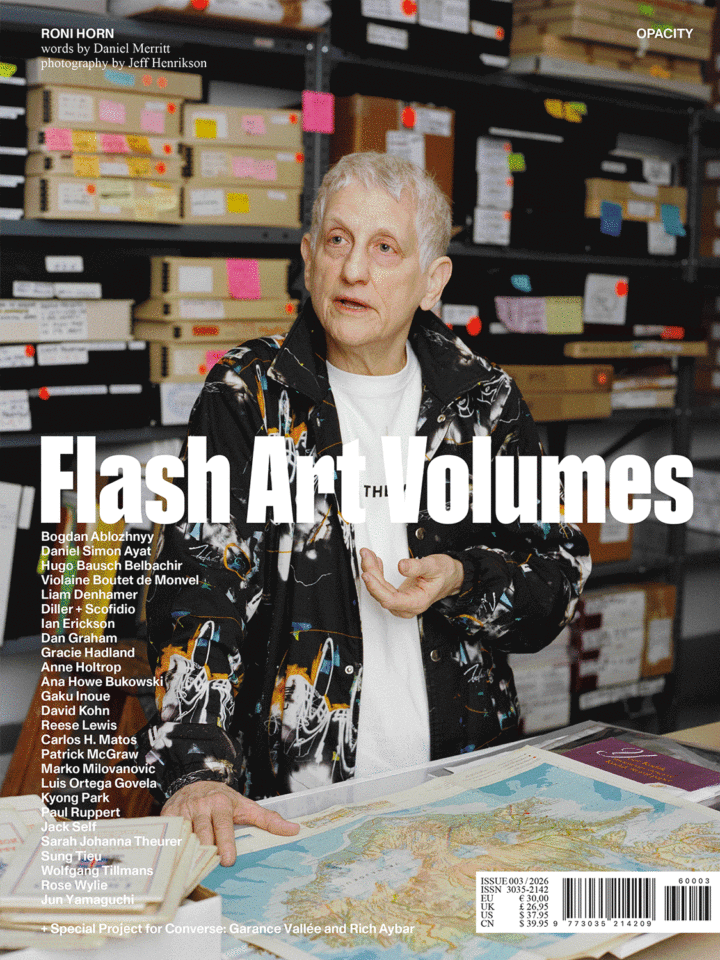
The third issue, titled "Opacity", of Flash Art's yearly review.
Flash Art has a lot to say about form. So much so that our regular discourse on contemporary art has overflowed, expanded, and oozed to the towering heights and endless planes of architecture.
Flash Art Volumes is the home for these discussions on urban-planning conundrums, building-material ethics, mysterious edifices that dot the world, and what built structures could mean for aesthetics at large.
For its third edition,
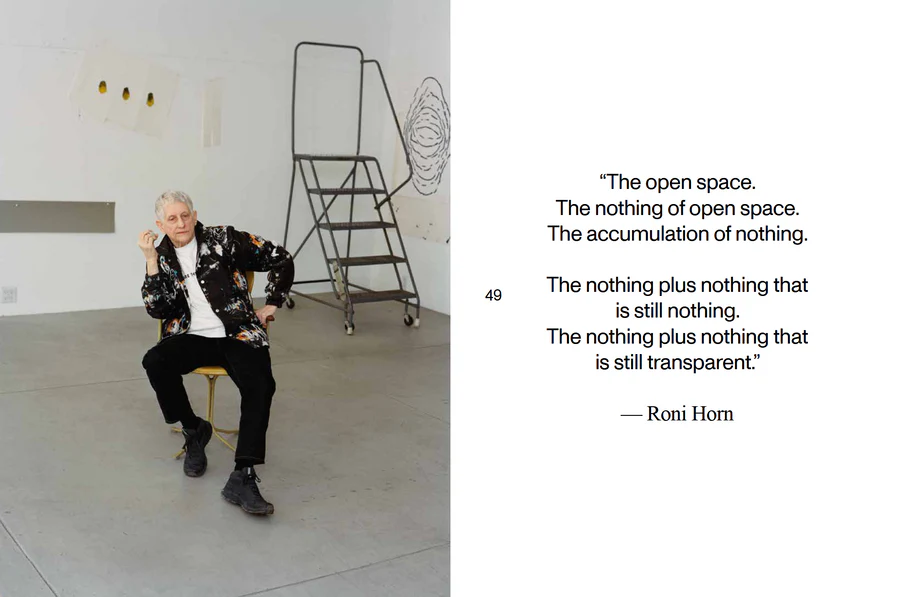
Flash Art Volumes 003 "Opacity," to be released on the occasion of Milan Design Week 2026, the subject at hand is transparency and the necessity, or superfluity, of this quality. The issue's covers feature
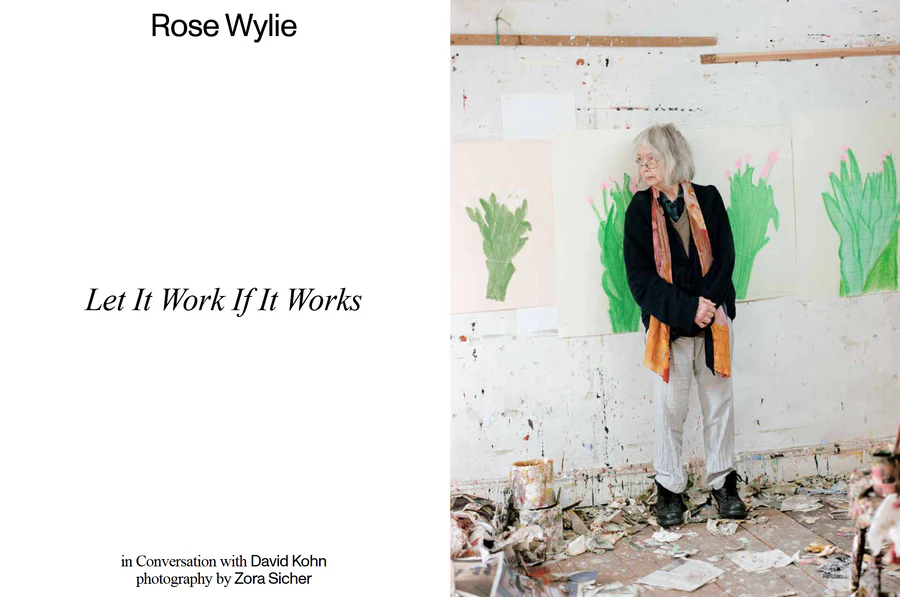
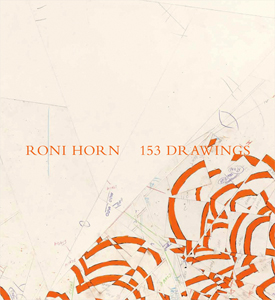
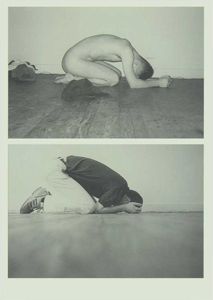
Roni Horn, shot by Jeff Henrikson in the artist's New York studio; Rose Wylie, photographed by Zora Sicher, following her show at the Royal Academy, London; and a photo essay by Jack Bool accompanied by guest editor Luis Ortega Govela's essay "Fuck Transparency."
Inside,
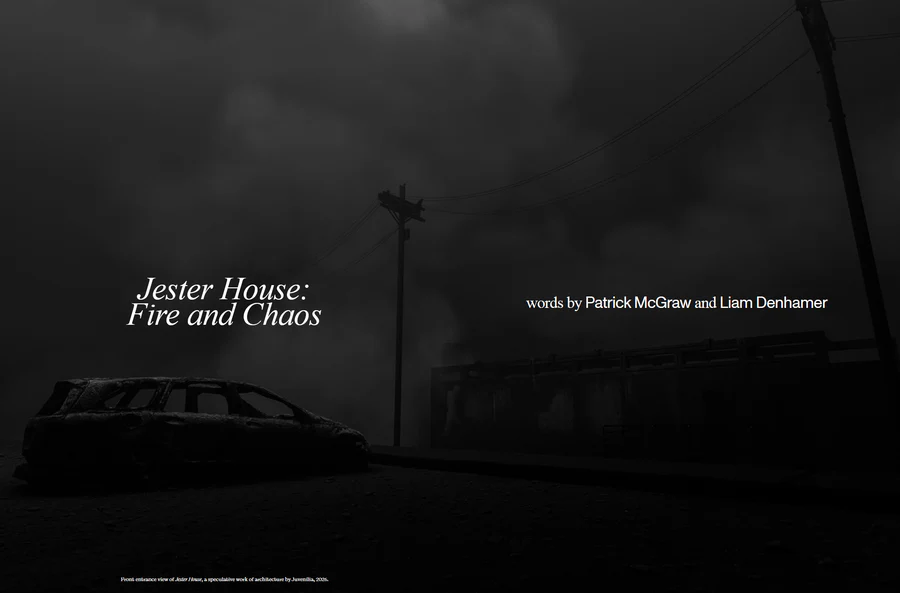
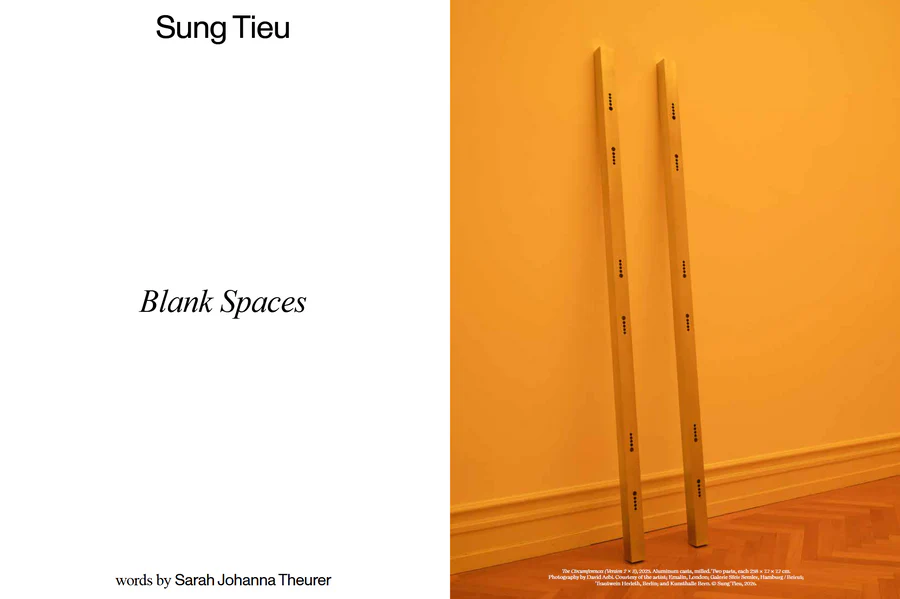
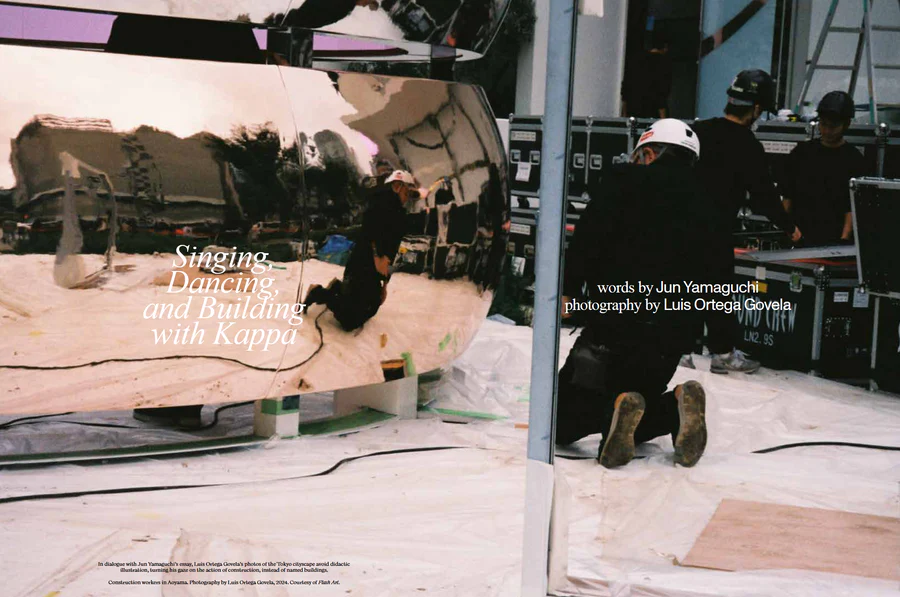
Wolfgang Tillmans pontificates on glass, transparency, and media transmission through his words and photography. Writer Sarah Johanna Theurer discusses the work of Sung Tieu in the lead-up to her work in the German Pavilion at this year's Venice Biennale. Patrick McGraw of Heavy Traffic and Liam Denhamer of Juvenilia create a speculative work where fiction meets abandoned structure. Images by Maxfield Hegedus and words by Gracie Hadland sing an elegy for the recently closed French eatery Taix, an icon of Sunset Boulevard.
"This issue moves beyond a conventional focus on art, architecture, and design," says Alessio Avventuroso, Creative Director of Flash Art. "It approaches these disciplines as porous fields, entangled with broader cultural and perceptual frameworks."
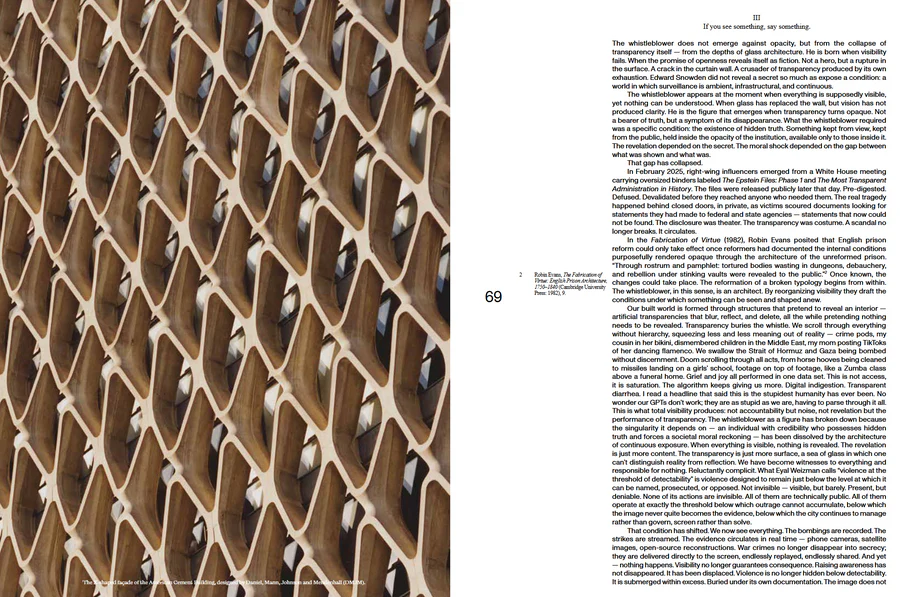
This current edition was shaped by guest editor Luis Ortega Govela, the Los Angeles–based Mexican architect and founder of Office LOG, a research-based design studio that works across disciplines. On the concept behind this special architecture issue, Ortega states, "We are living in an era of excessive visibility. Glass skins, curtain-wall systems, infinite screens—an architectural theology of transparency that promises openness while enforcing scrutiny. The tectonics of transparent surfaces have always been a moral technology. Every material carries its own ideology; glass, in its apparent innocence, has been the medium through which modernity perfected exposure. Everything must be visible, verifiable, legible. Transparency masquerades as honesty, democracy, openness—yet it functions as extraction. To be transparent today is to be made available for mining, sorted into data, folded into policing mechanisms."
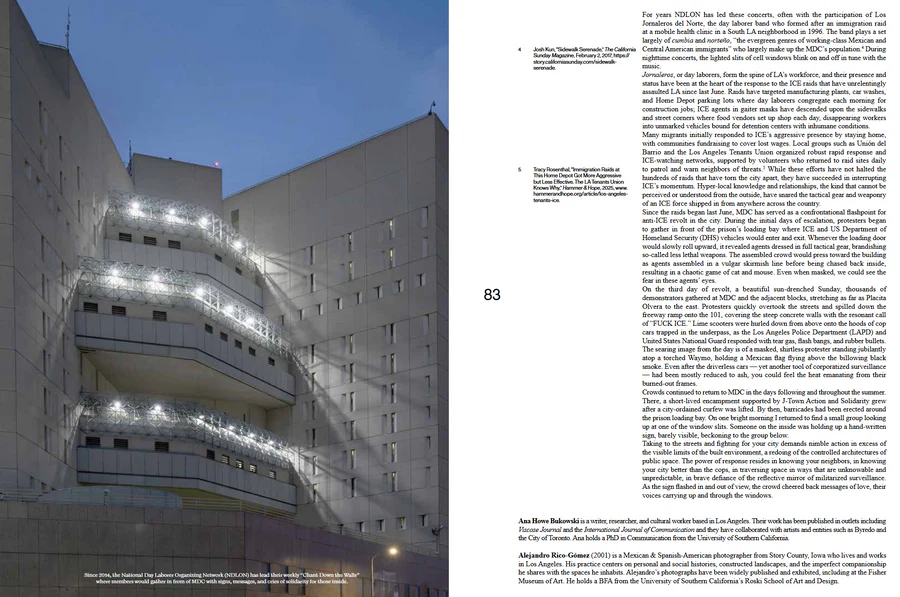
Many of the stories start in Los Angeles. Ana Howe Bukowski, with photography by Alejandro Rico-Gomez, looks at the Los Angeles Metropolitan Detention Center and unpacks the changing meaning of the institution in the face of America's increased immigration enforcement. Then, the stories spread across the globe, continually interrogating the meaning of opaque forms. Paul Ruppert's story looks to the dense, near-windowless architecture of the AT&T Long Lines Building in New York and demystifies its Cold War origins. Gaku Inoue writes on the prevalence of parking towers that have sprung up across Japan. Anne Holtrop, in conversation with Jack Self, discusses the cast glass of the Misk Art Institute in Riyadh and the political moment in a region where Holtrop has located his practice for more than a decade. The thread that unites these different stories is ultimately a meditation on what it means to want "everything transparent, everything accountable, everything exposed."
"The issue proposes a counter-project: an architecture of opacity," concludes Ortega. "The essays, images, and conversations are instruments toward rebuilding thickness, toward shadow, for an architecture that holds back. In darkness, the interior regains its depth; the self regains its right to desaturation and complexity."
This issue comes with different covers, randomly distributed.
A yearly publication by
Flash Art,
Flash Art Volumes tackles issues of
design,
architecture and
art publications at large, placing itself as a new zero degree, using economics, theoretical analysis, and
market to re define conteaships and positioning itself as a value carrier, defining waves of attention and setting a new tone: amplification.
Volumes is split and organised in five sections, finve channels of distribution opting to fully describe and channel pressing themes.
Sources looks at large scale examples that paved the way for a different approach and are still great examples of the unrefined process of defining contemporary aesthetics. Sources is the main content provider of
Volumes, using worldwide amplification of building resources and merging brand production for the creation of editorial-breaking content.
Stocks merges economic analysis and auction esthetics to provide a market-waving portrait of current design and gallery trends.
Streams is a portrait of hybrid calibers, merging native content, art, and avant-garde photography.
Intelligence brings into the discussion external factors bridging design and art with industrial production aiming for a new full resolution on creative issues.
Amp consists of re-printed and unseen archival documentation and working files by great designers as raw files.
Flash Art is a contemporary art and culture magazine founded in 1967. Within a decade, it became an indispensable point of reference for artists, critics, collectors, galleries, and institutions. In 2020, Flash Art became a quarterly publication, at the same time increasing its trim size and updating its graphic identity. The magazine offers a fresh perspective on the visual arts, covering a range of transdisciplinary approaches and fostering in-depth analyses of artist practices and new cultural directions. Today, Flash Art remains required reading for all who navigate the international art scene.
Flash Art is known for it covers featuring artists who subsequently become leading figures in the art world. The magazine includes photoshoots, productions, critical essays, monographic profiles, conversations with emerging and established artists, and a range of ongoing and thematic columns that change every few years. The long history of the magazine is also highlighted by pivotal texts from the archive that are included in the publication time to time. Finally, every issue offers a highly curated selection of the best institutional exhibitions on the global scene.