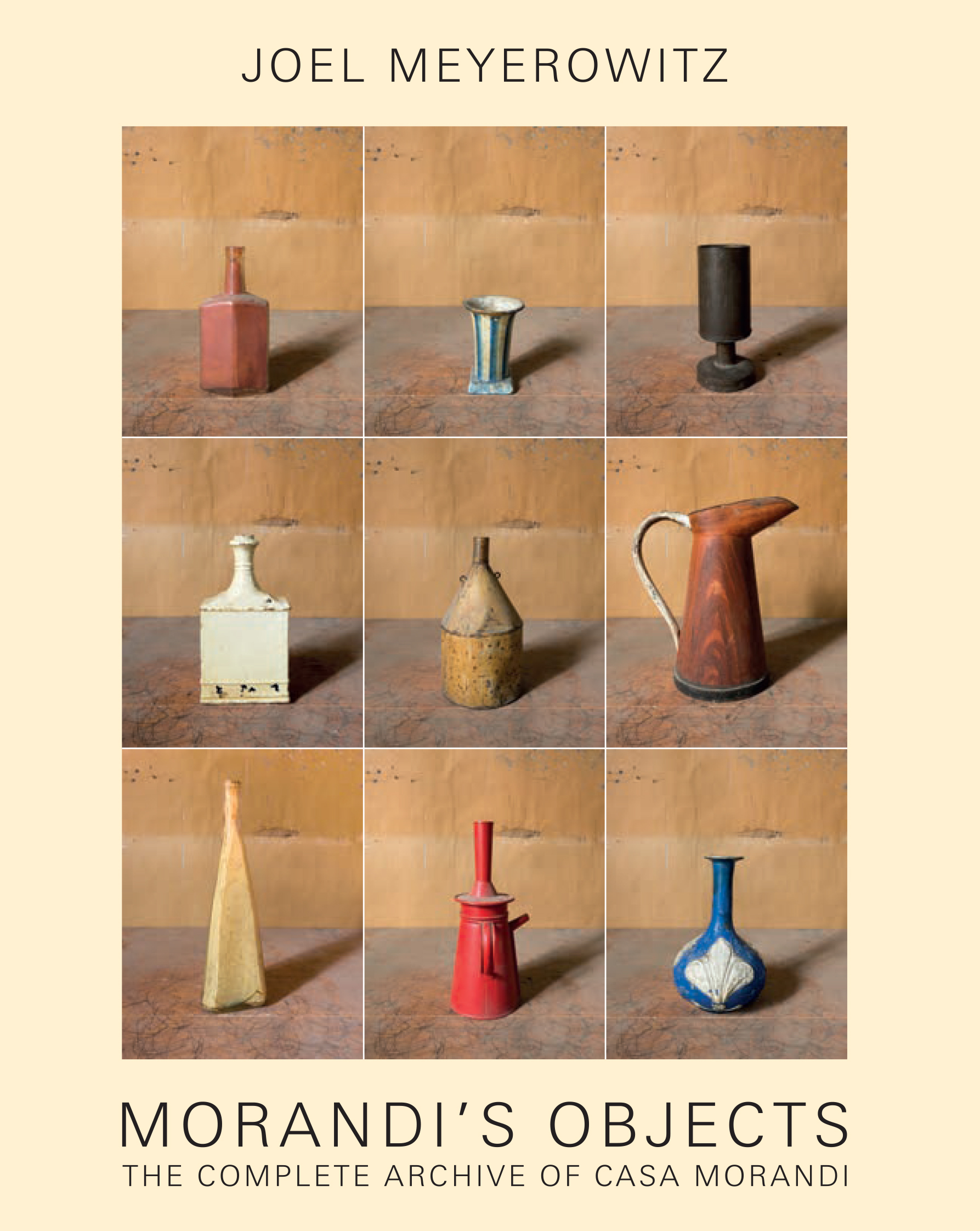
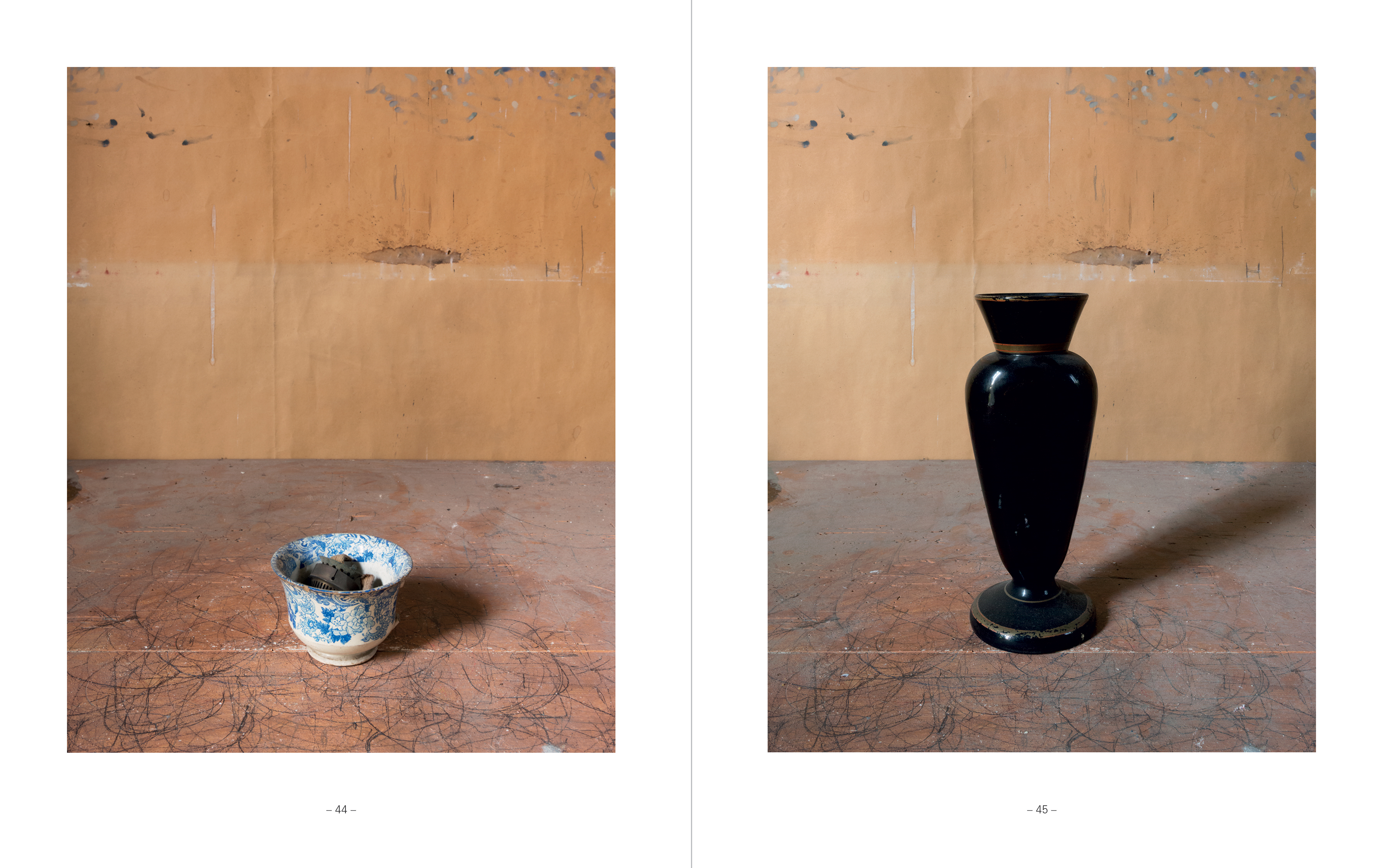
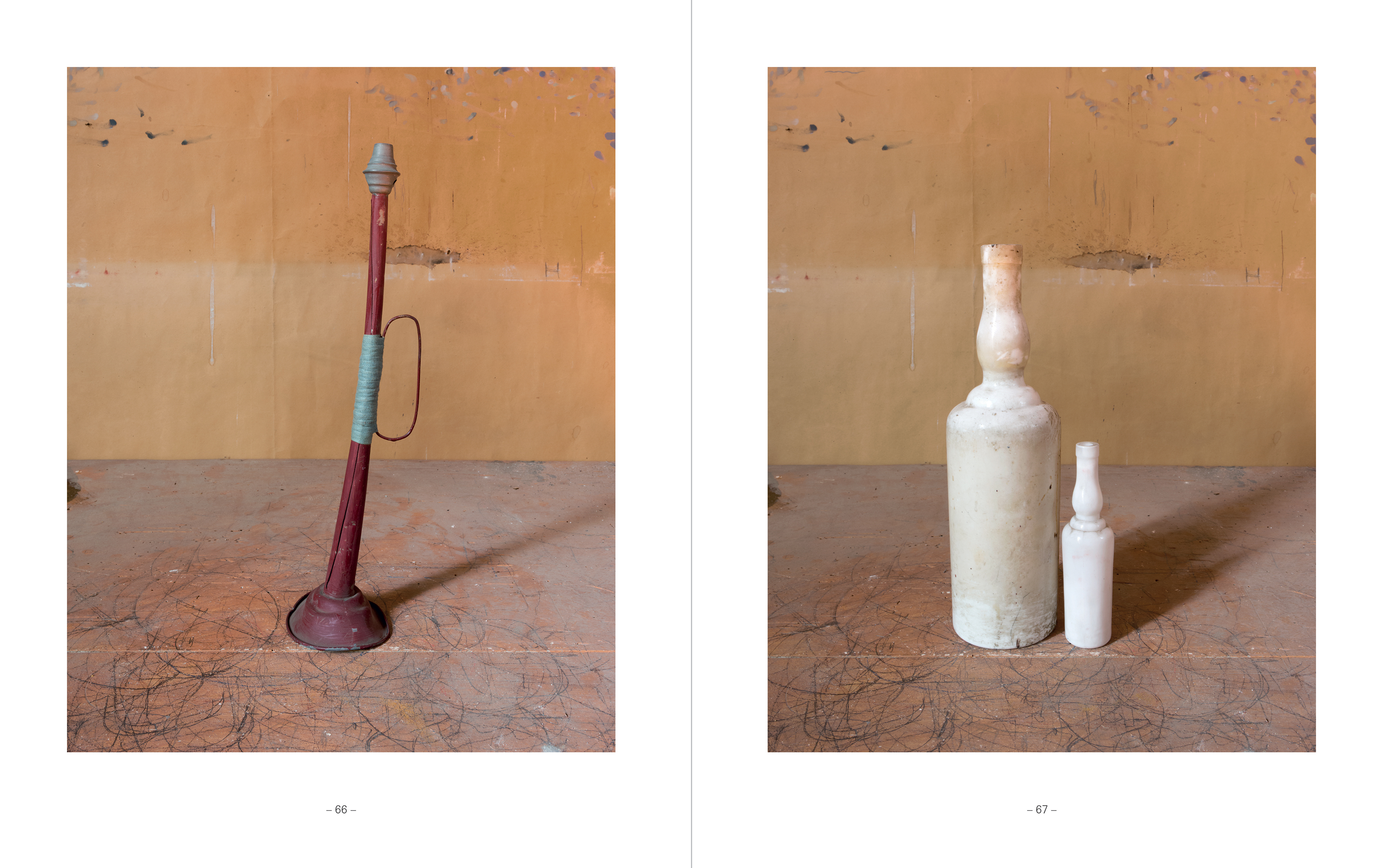
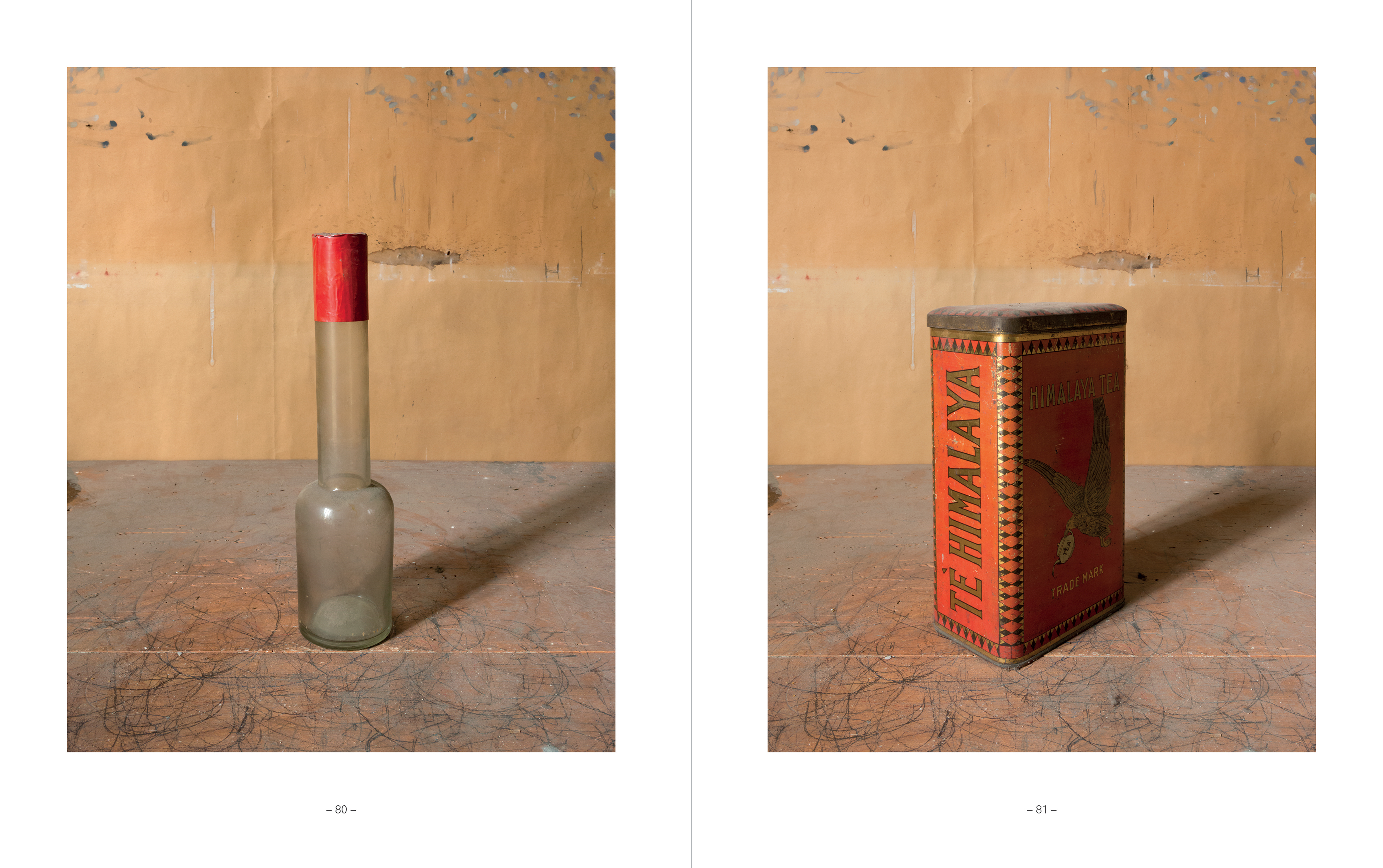
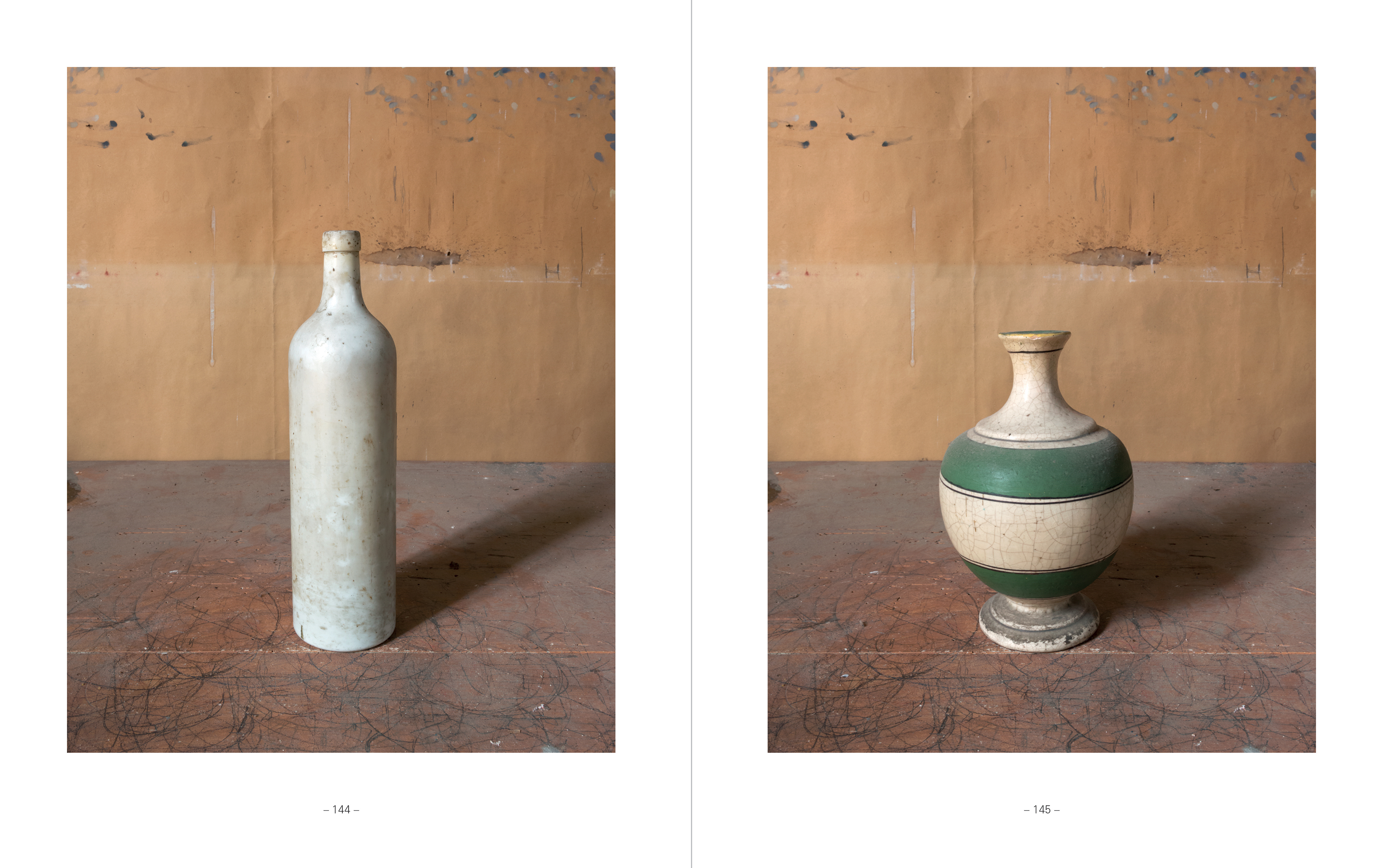
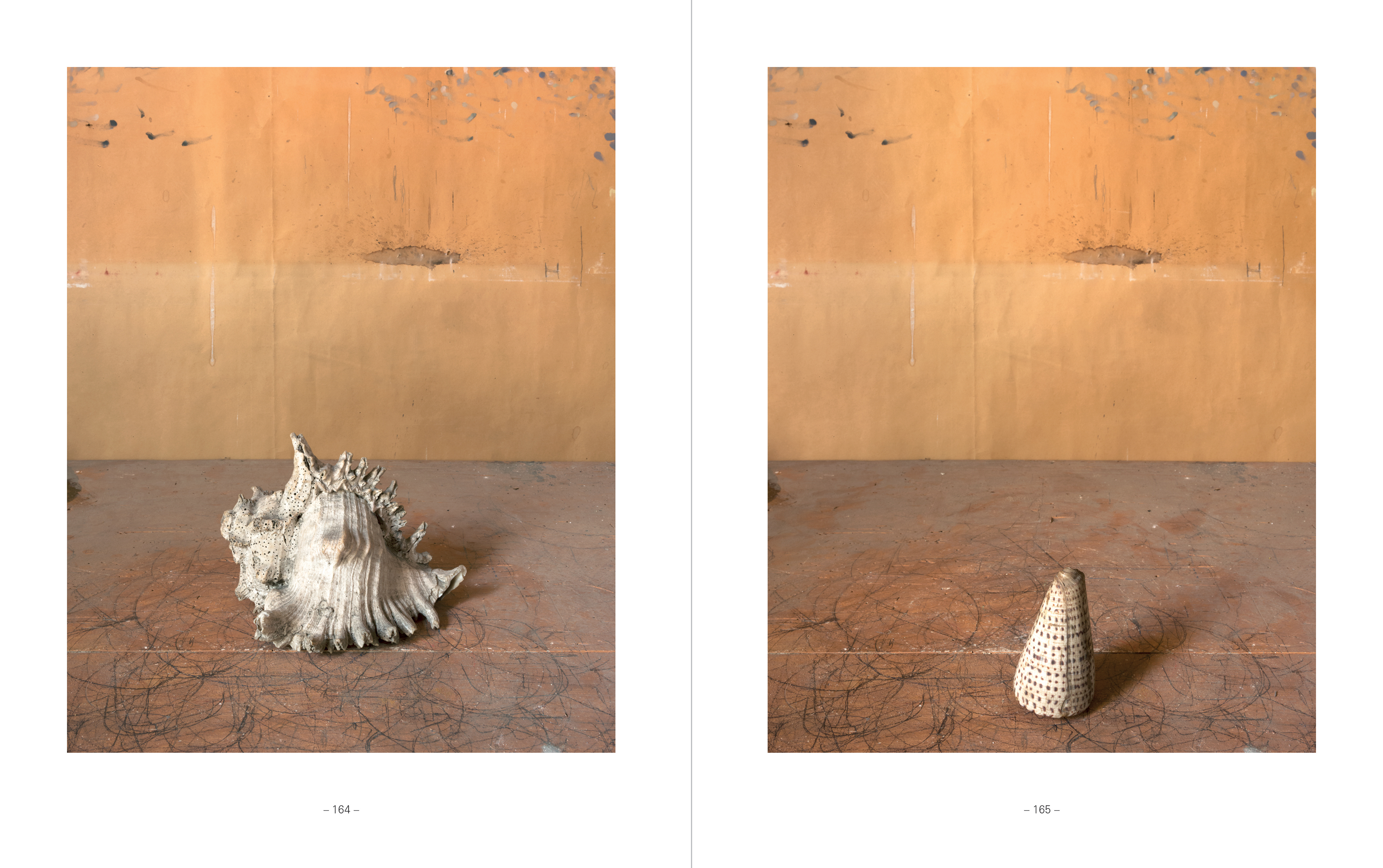
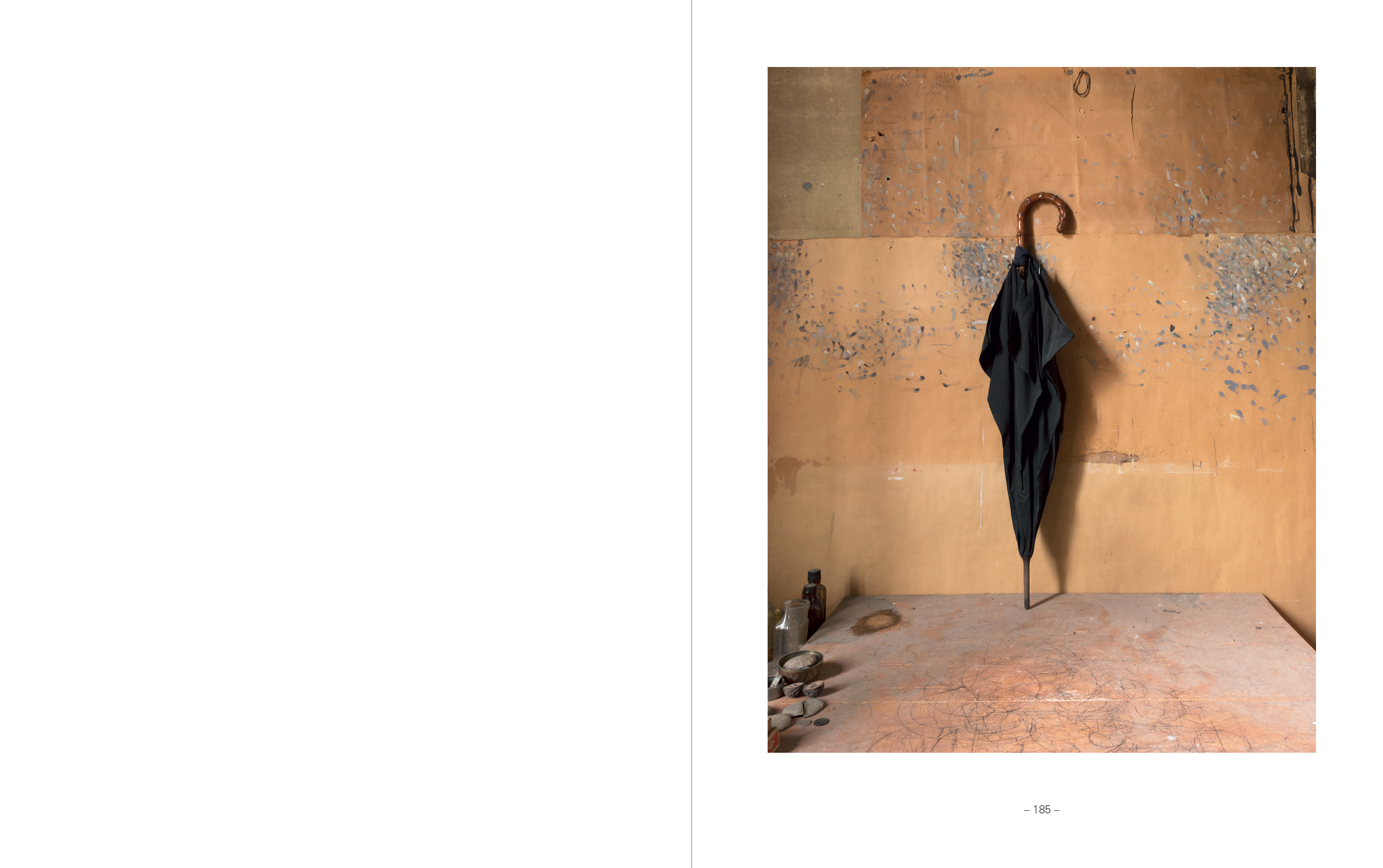
The American photographer appropriates the objects that populate the Italian painter's work.
In the spring of 2015, world-renowned photographer Joel Meyerowitz spent time in Giorgio Morandi's studio at 36 Via Fondazza in Bologna. The simple rooms where Morandi painted are filled with objects—vases, tins, shells, bottles, and jugs—arranged on shelves, sideboards, chests of drawers, and spilling onto the floor. Morandi selected and arranged these items on makeshift tables to capture them, and the light that fell upon them, in oil, watercolor, and pencil, creating an elusive body of work that continues to inspire artists.
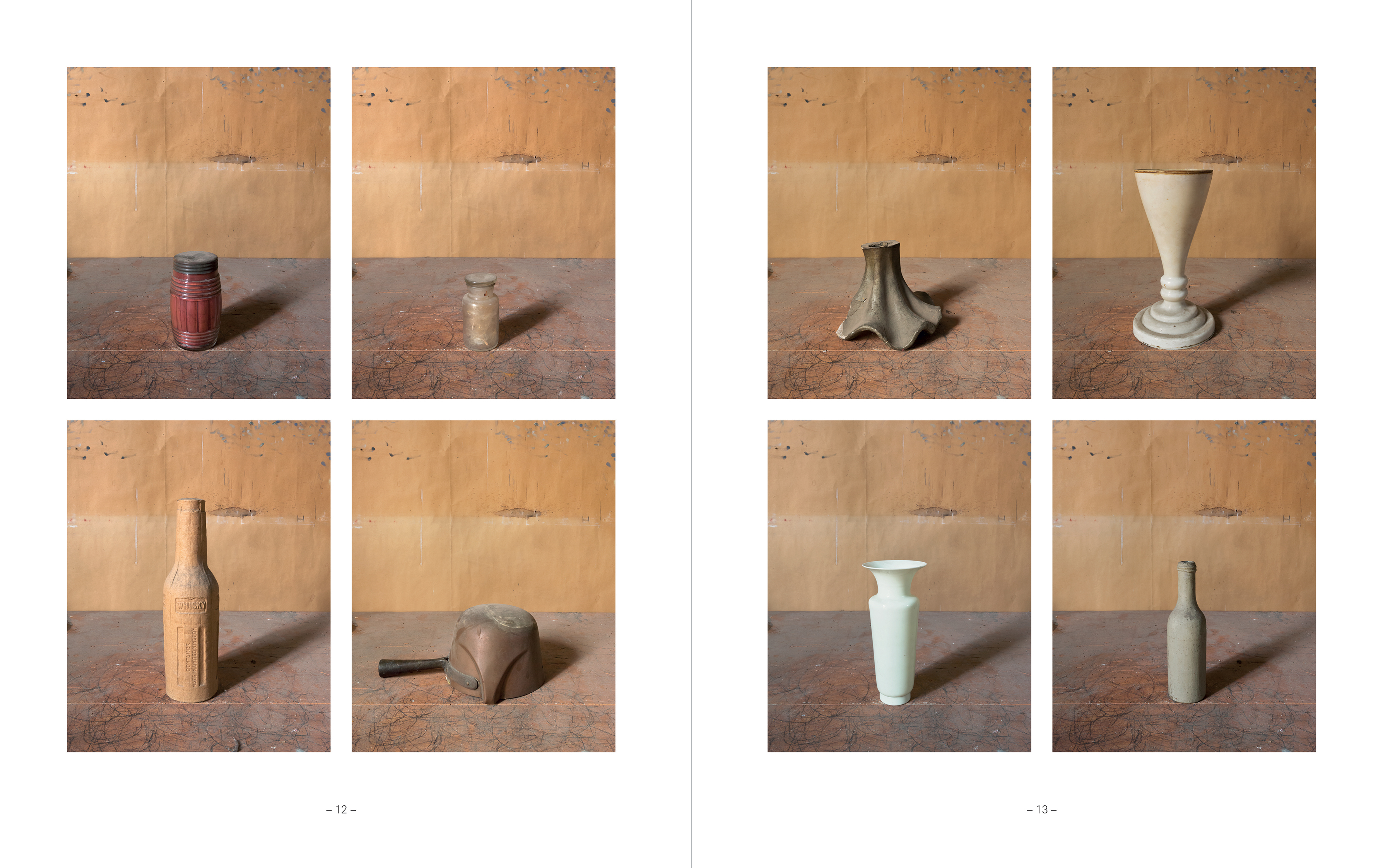
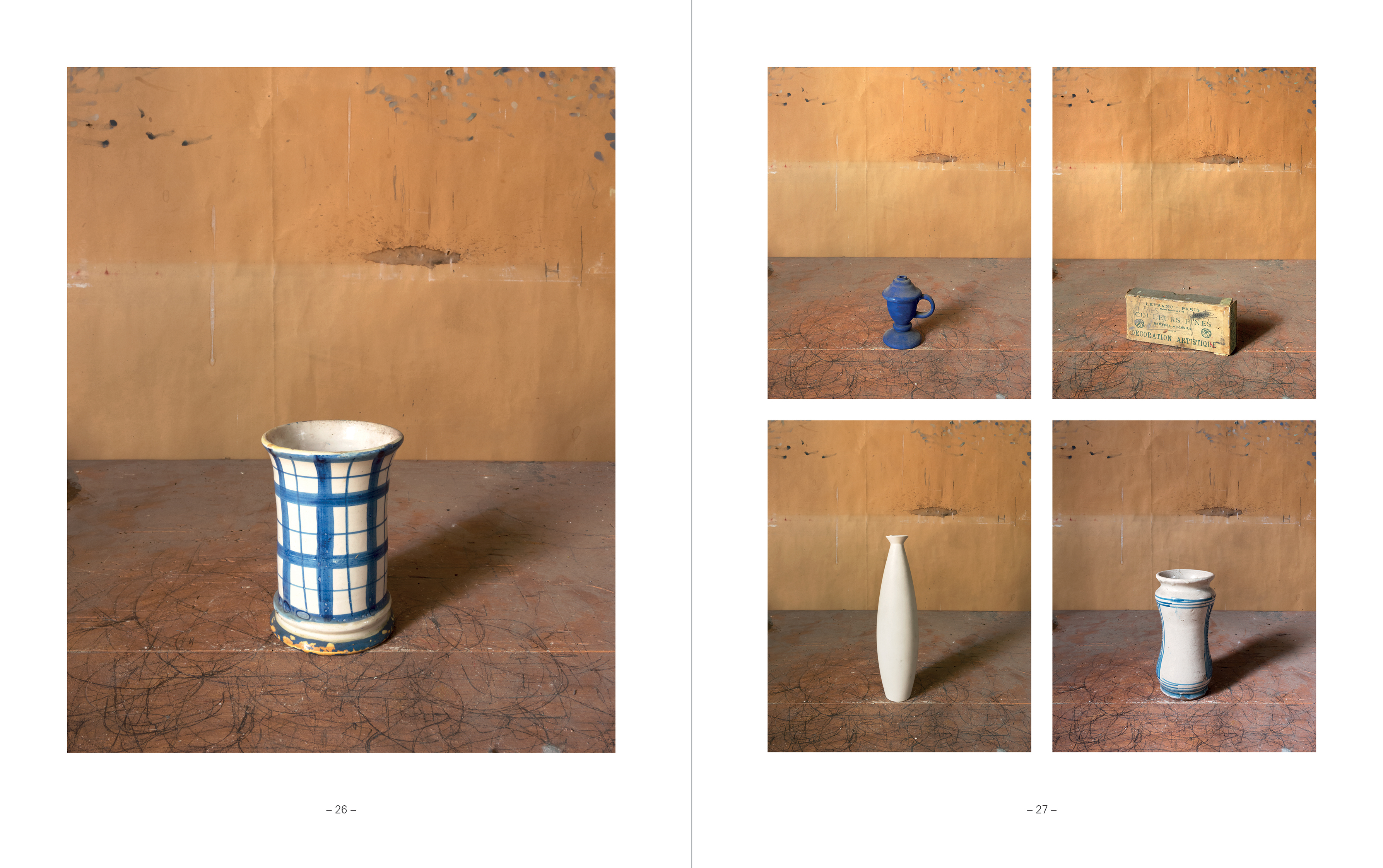
Some fifty years after Morandi's death, in the very same space, Meyerowitz engaged with Morandi's surfaces and light, allowing the same shadows to fall. He handled each object with care, placing them one by one on Morandi's marked tabletop. Meyerowitz photographed every object in the studio, bestowing upon each a sense of individuality while making them his own.
Morandi's Objects is an essential publication for anyone interested in photography, still life, and the art of Giorgio Morandi. Originally published in 2016, this expanded and revised edition includes more than 130 new photographs, a new essay by Amanda Renshaw and an updated bibliography.
Maggie Barrett is a painter, writer, and musician. She has written four novels and a play that she performed off Broadway. She and her husband, Joel Meyerowitz, are the subjects of the film Two Strangers Trying Not to Kill Each Other, directed by Manon Ouimet and Jacob Perlmutter.
An art historian by training, Amanda Renshaw has collaborated with many of the world's leading artists, art historians, and creative figures. In 2023, she curated Morandi's Objects by Joel Meyerowitz at the Palazzo Franchetti in Venice.
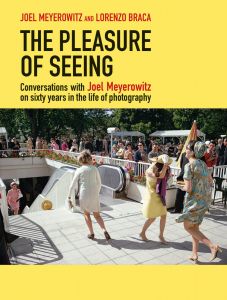
Joel Meyerowitz (born 1938 in New York) is considered, together with William Eggleston and
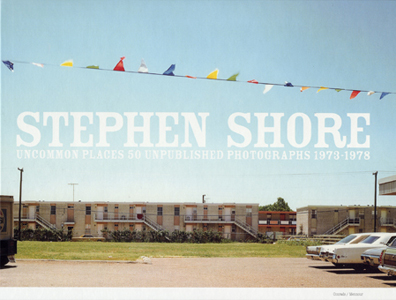
Stephen Shore, one of the most representative exponents of New Color Photography of the 60s and 70s. After an experience as an art director, in the 1960s he began to devote himself to photography inspired above all by Robert Frank. He then began to collaborate with several important authors such as Garry Winogrand, Tony Ray-Jones, Lee Friedlander, Tod Papageorge and Diane Arbus. The small format camera (35 mm) allowed Meyerowitz to cross New York and behave like a real street photographer, recording small random events, minimal and revealing details, faces and urban landscapes. Thanks to collaborations with William Eggleston and Stephen Shore, Meyerowitz then approached the large format until arriving at the important work he carried out after the attacks of September 11, 2001. Meyerowitz was the only one authorized to photograph Ground Zero closely immediately after the attacks: many of these photographs were then collected in the volume Aftermath: World Trade Center Archive. An ever-evolving photographer, lately inspired by the works and events of Paul Cézanne, he creates a series of photographs of the French artist's objects. Meyerowitz's photographs are featured in important public and private collections including the Museum of Modern Art in New York, the Museum of Fine Art in Boston and The Art Institute of Chicago. Among the many personal exhibitions held since 1966, we mention On the street, Color photographs, 1963-1973 (Chicago Art Institute, 1994-95), and Aftermath: inside the forbidden city (travelling exhibition since 2003).