The first monograph on the Palestinian-Saudi artist.
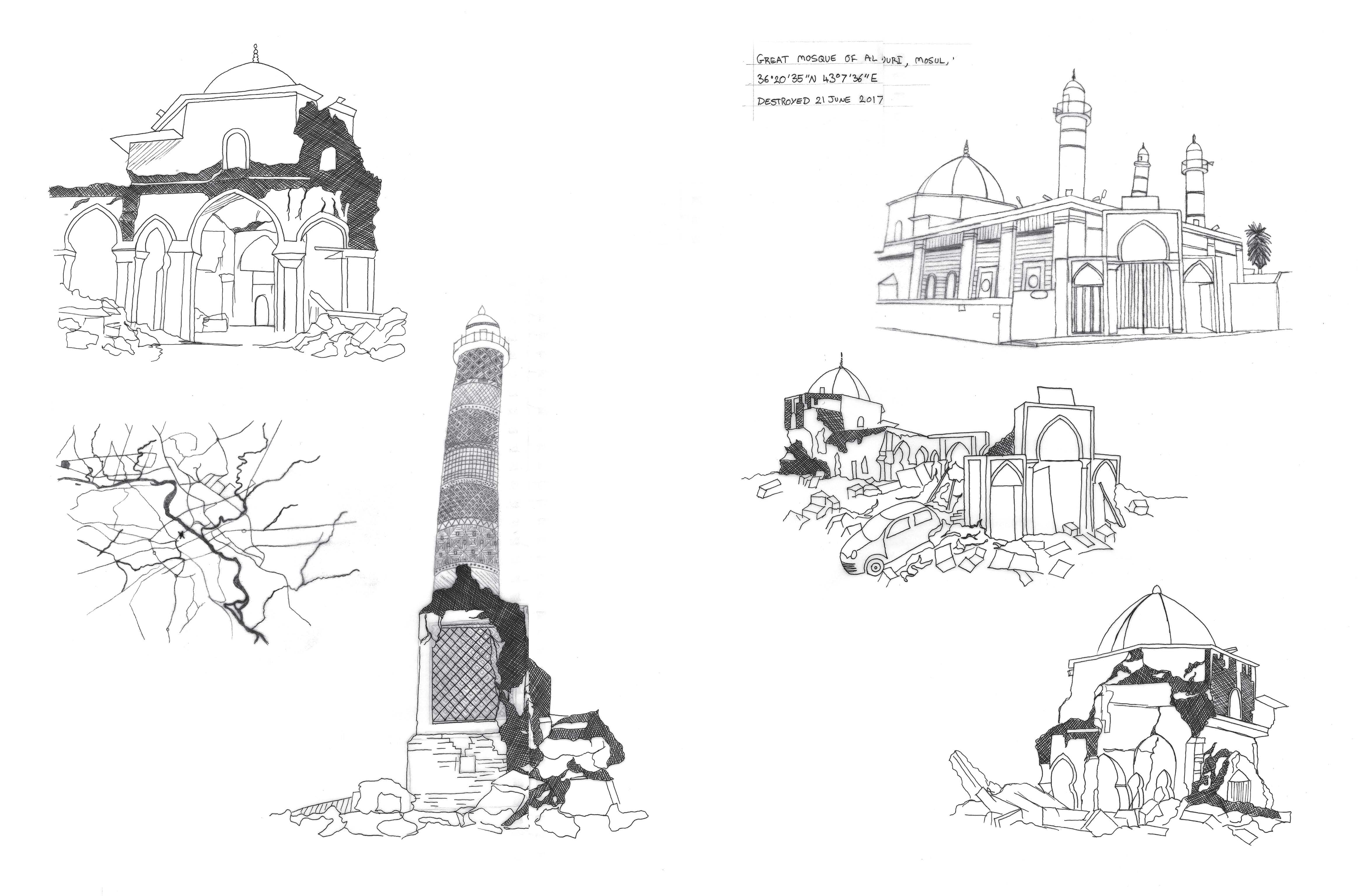
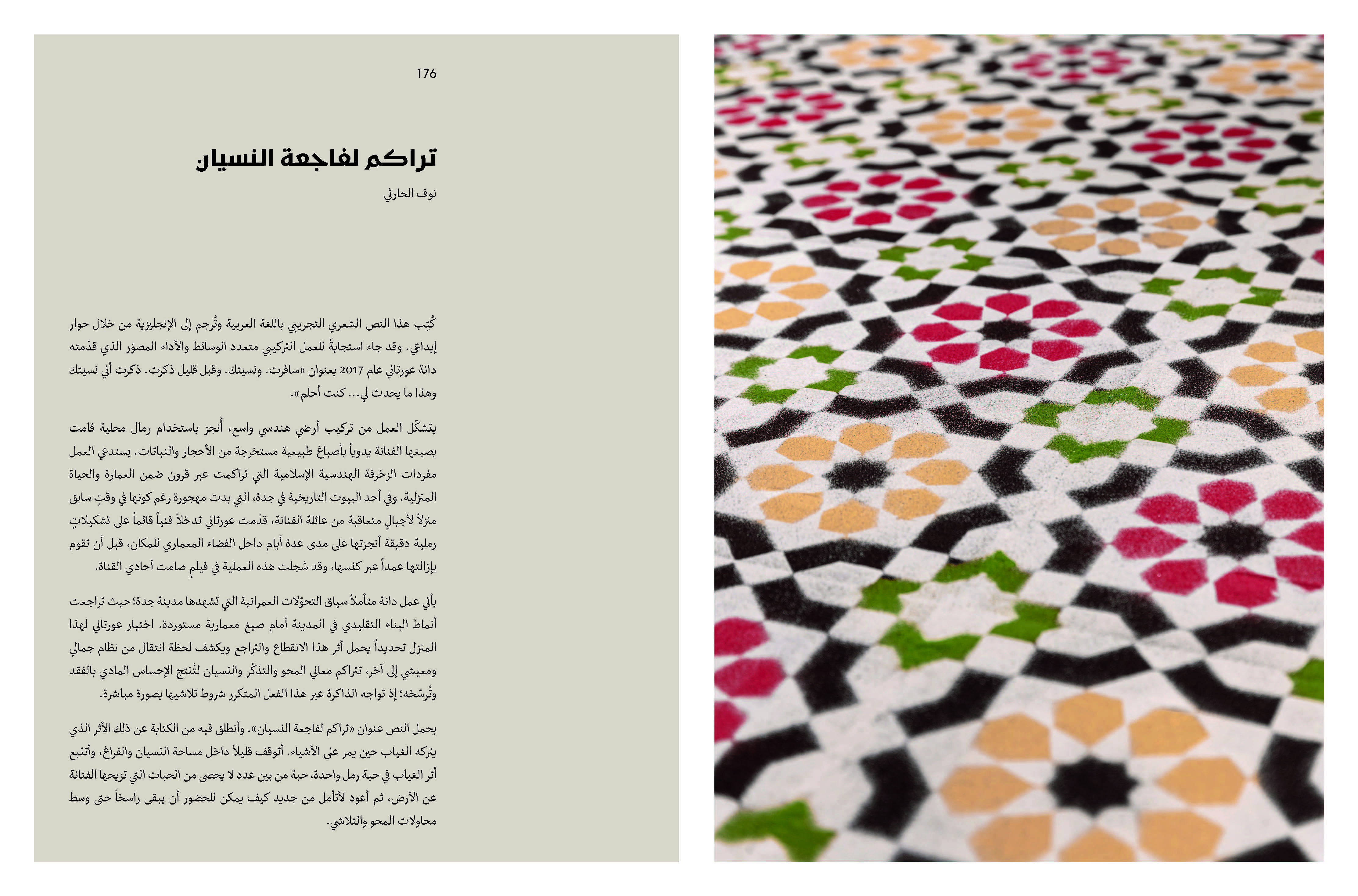
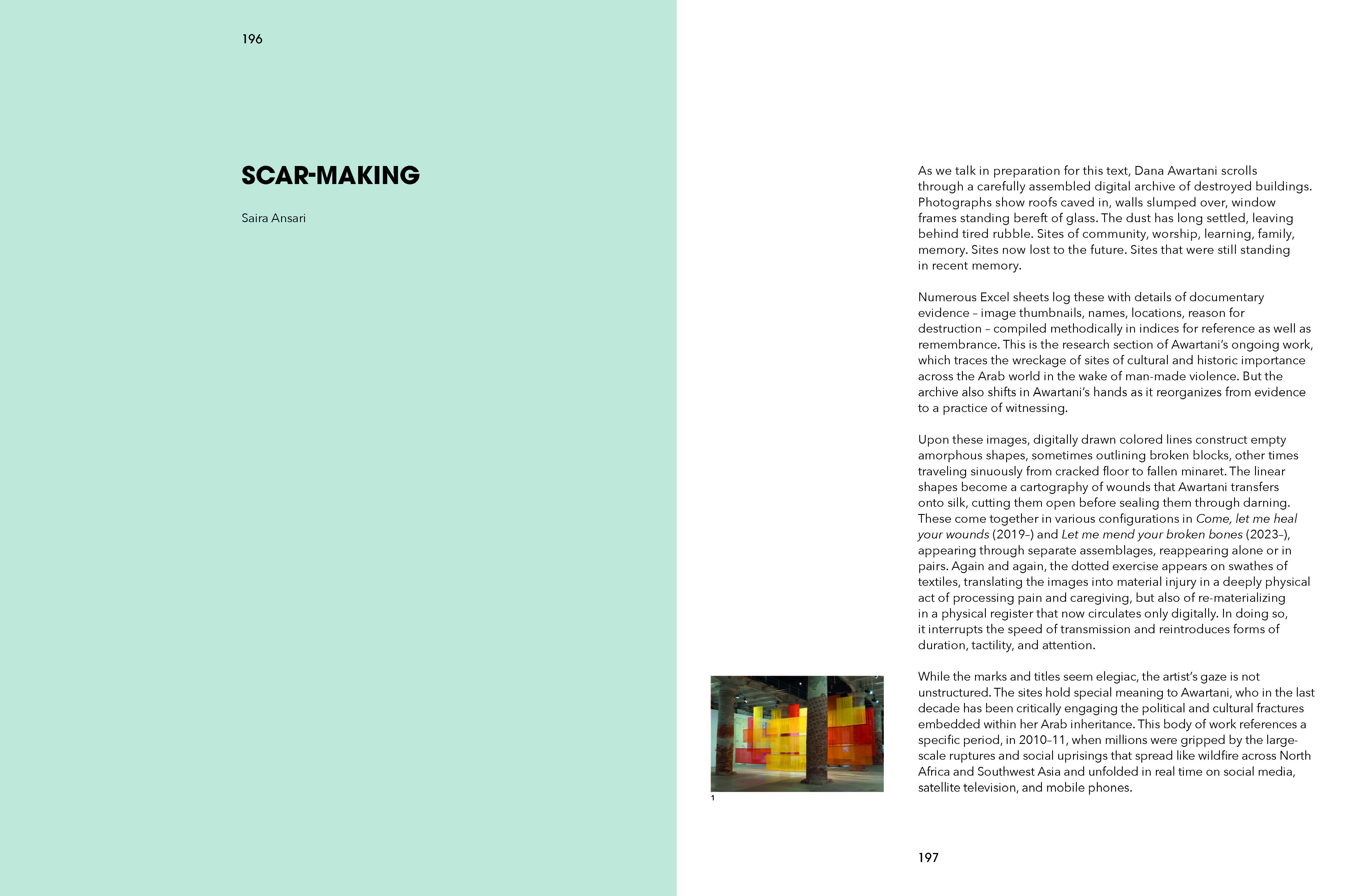
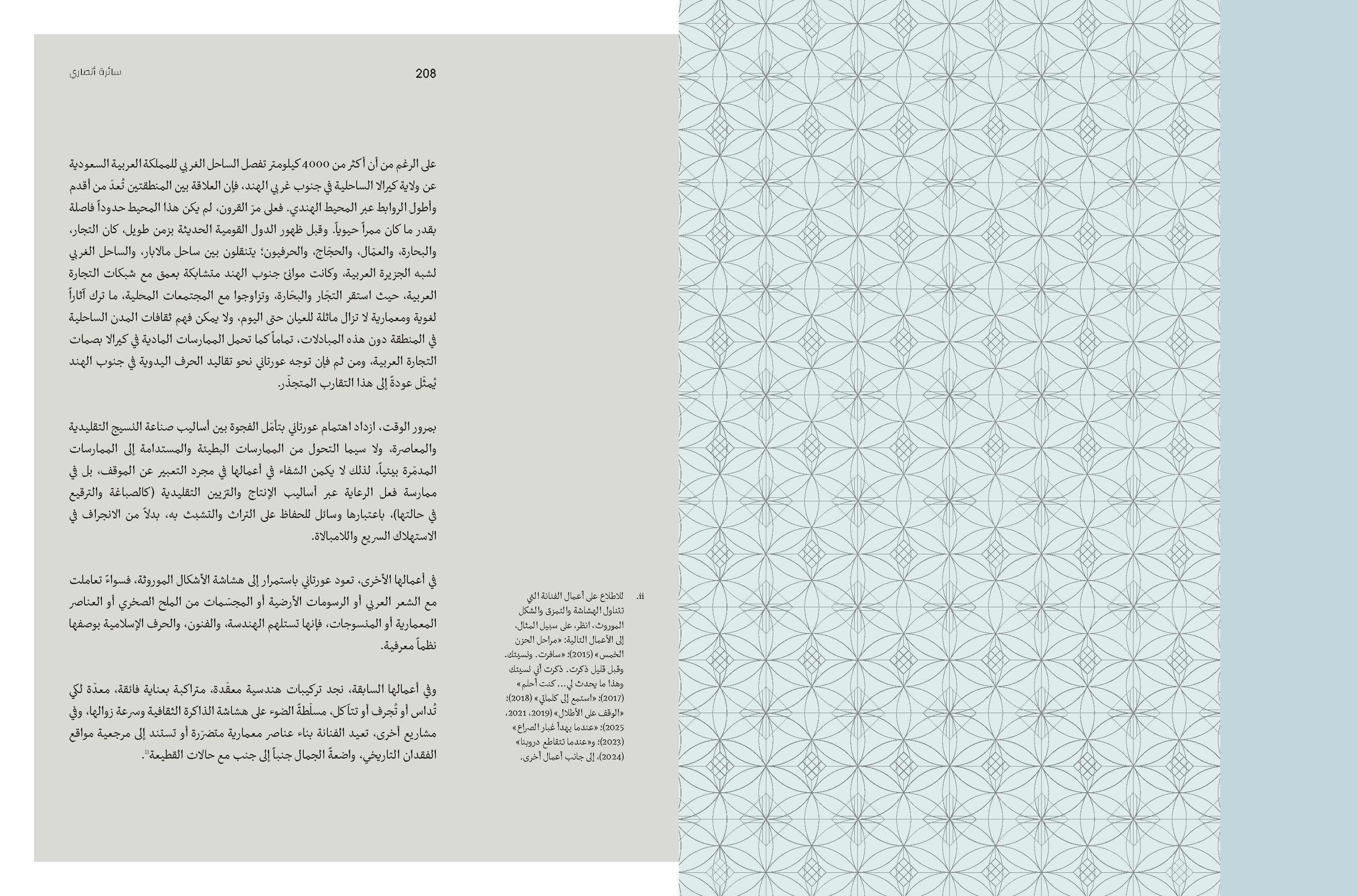
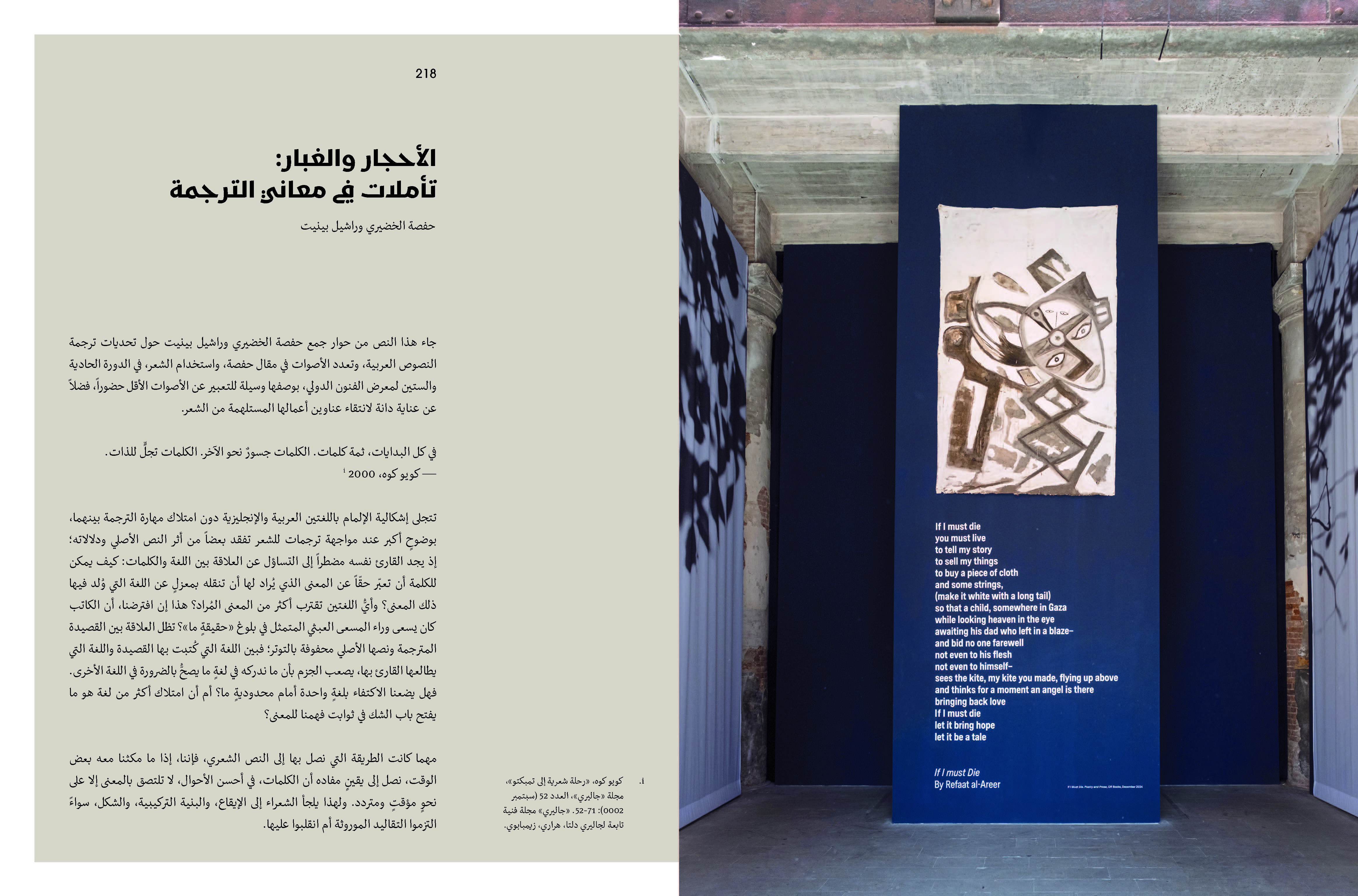
Across more than a decade, Dana Awartani has developed a body of work in which Islamic and geometric traditions, material artisanship, and conceptual art are kept in productive dialogue. Recovering a deeper and older genealogy of abstraction than the Western canon admits, her collaborative and conceptual works foreground intangible and tangible shared cultural heritages at risk. Through installation, textile, sculpture, and performance, she enacts an ethics of care and repair amid ongoing cultural destruction and loss.
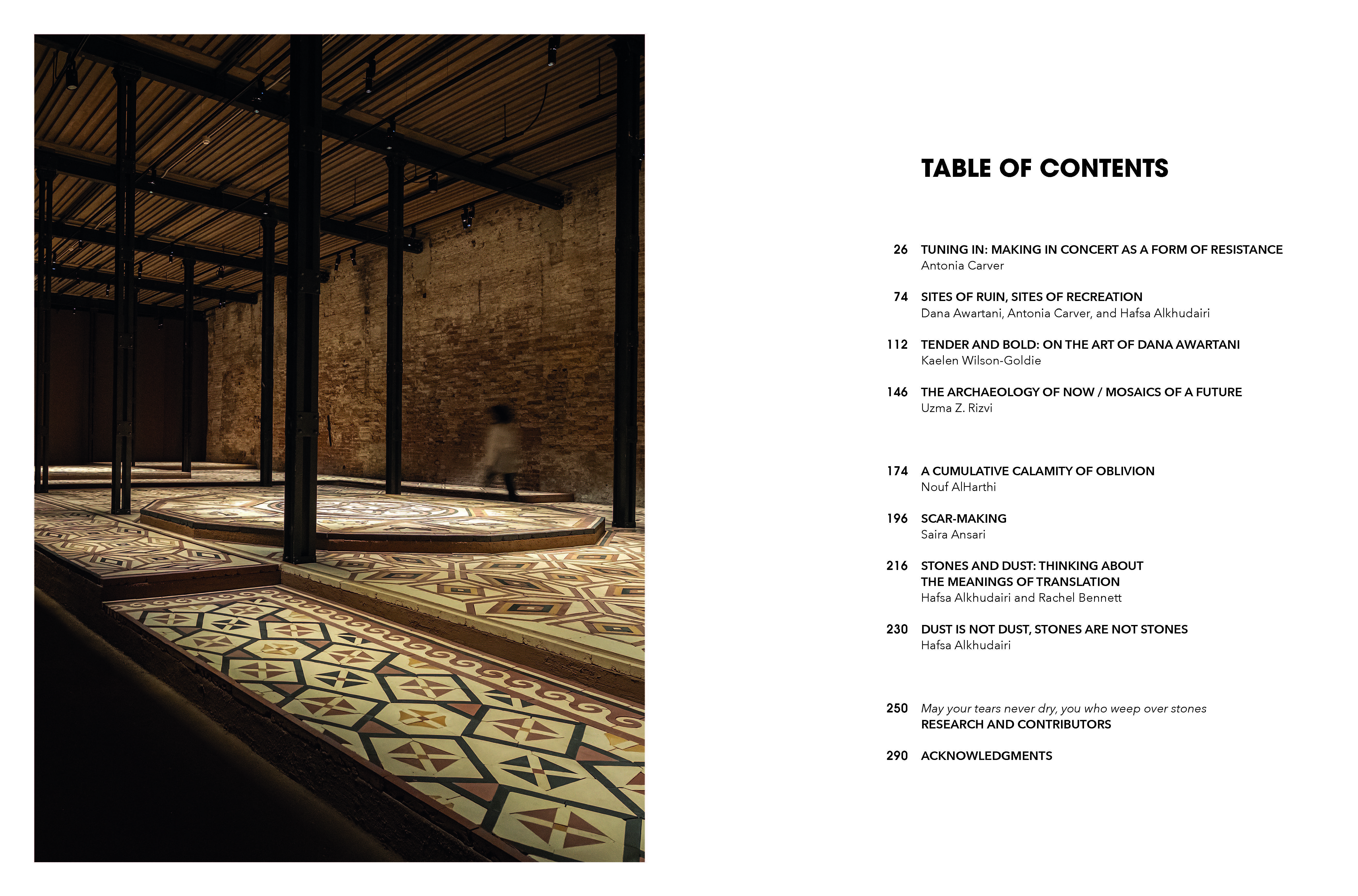
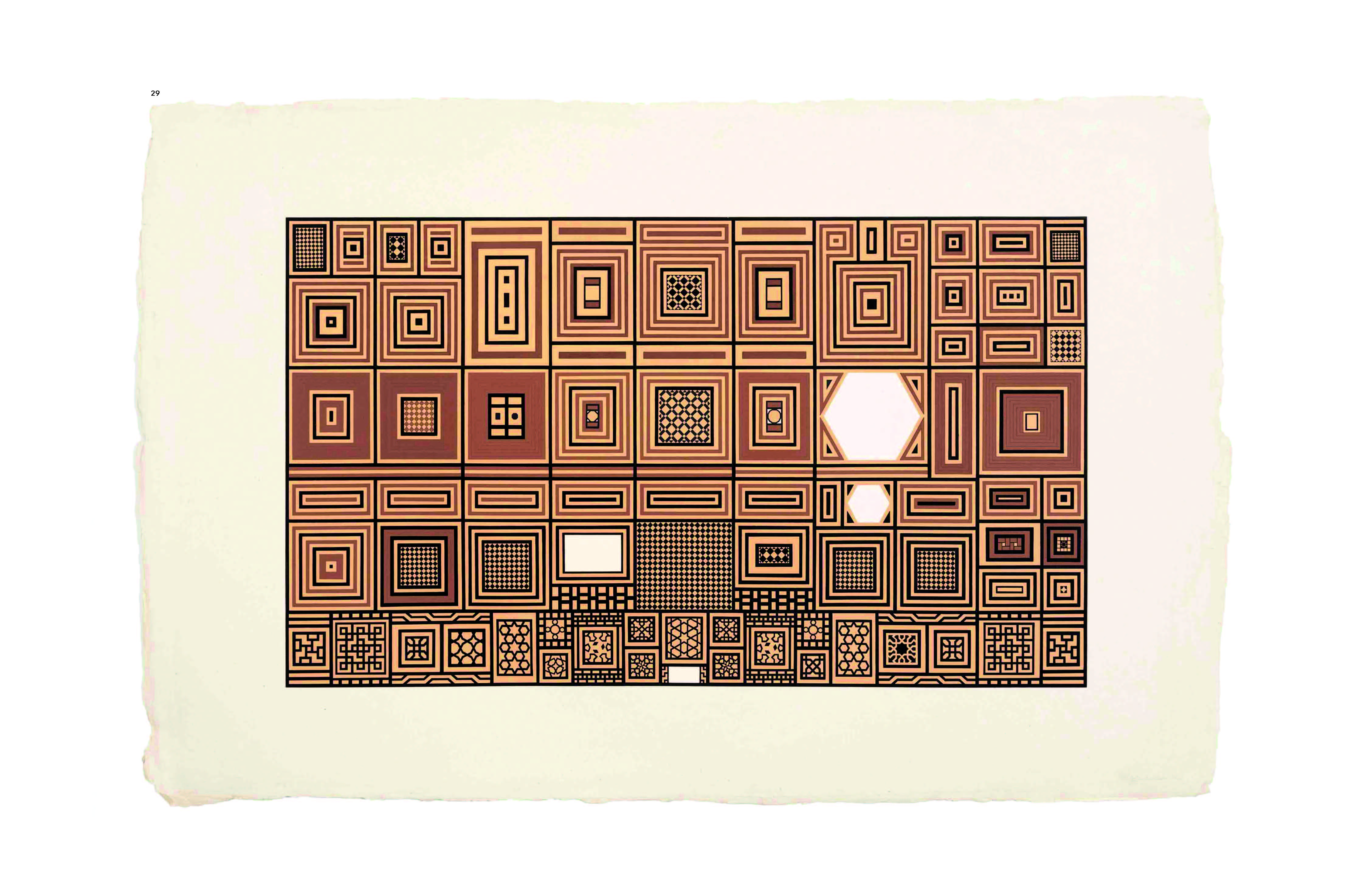
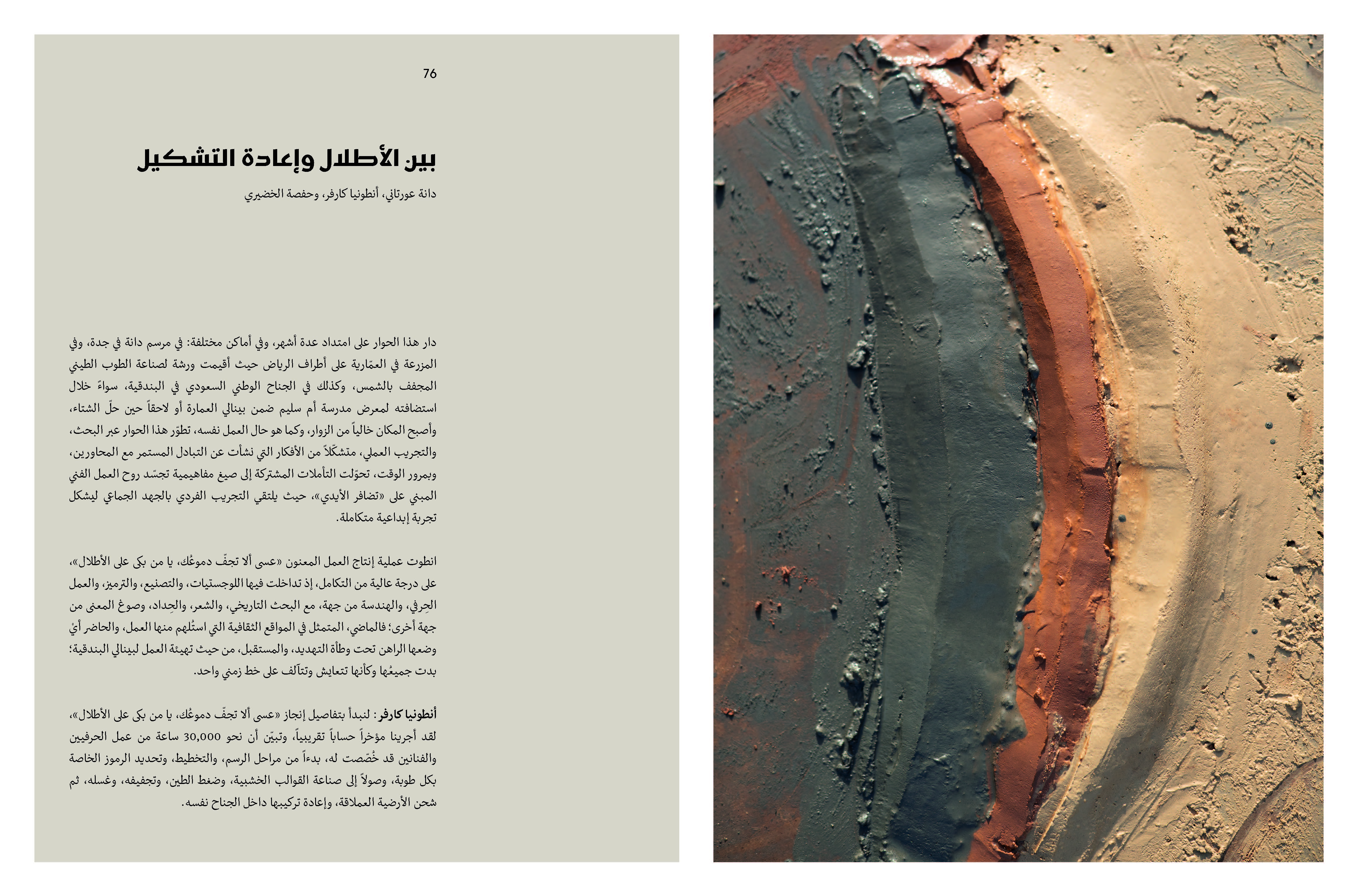
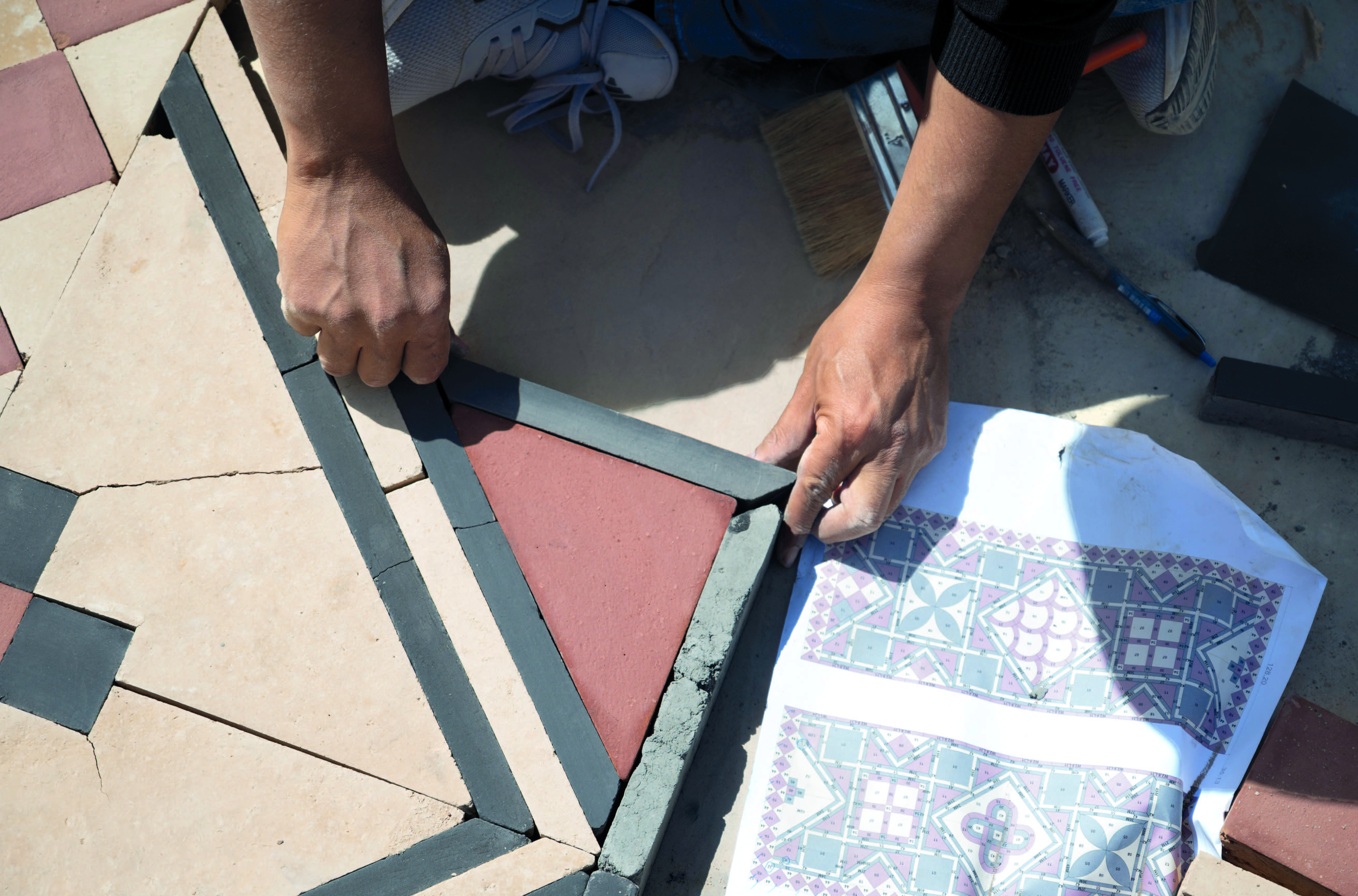
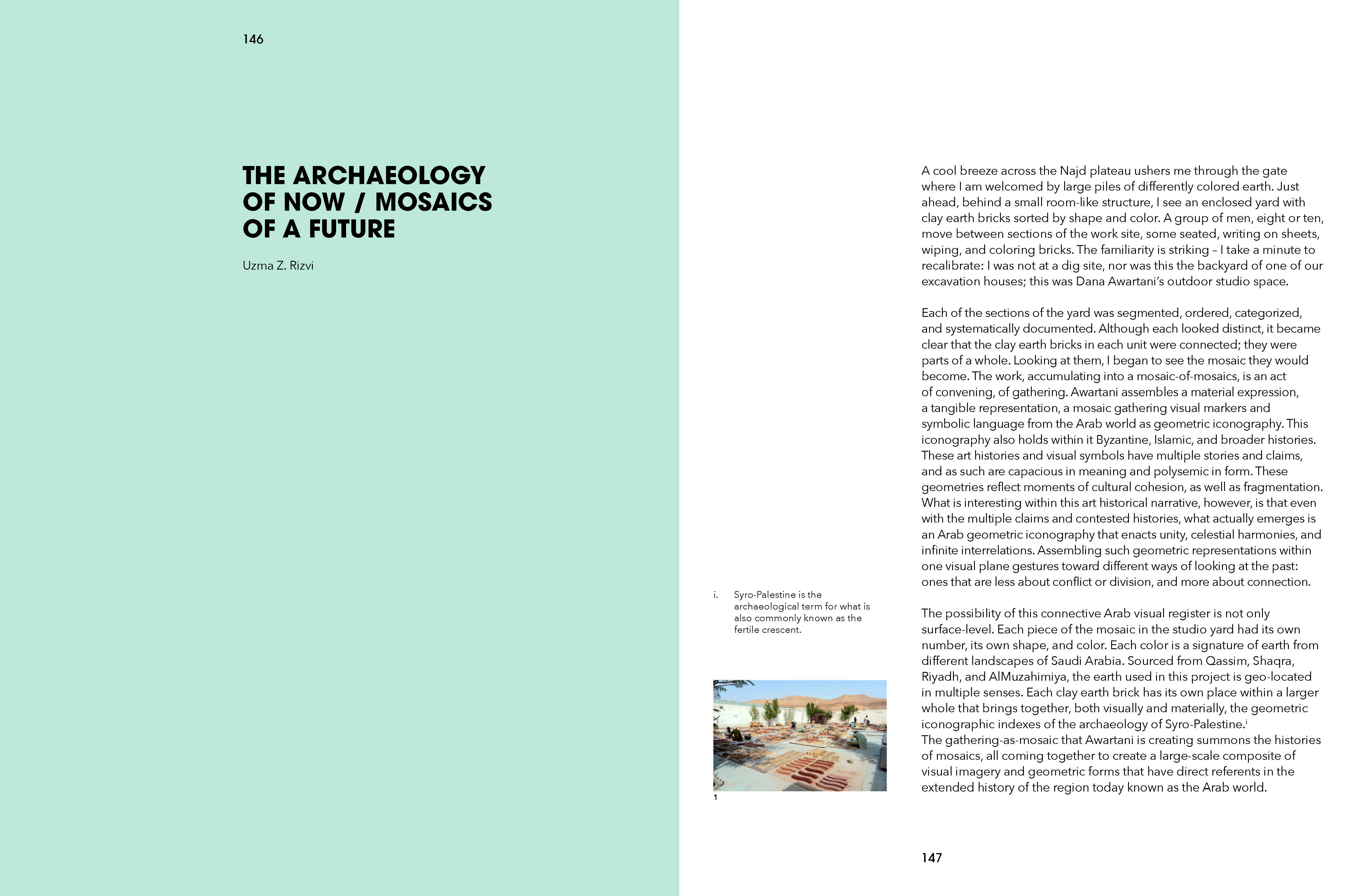
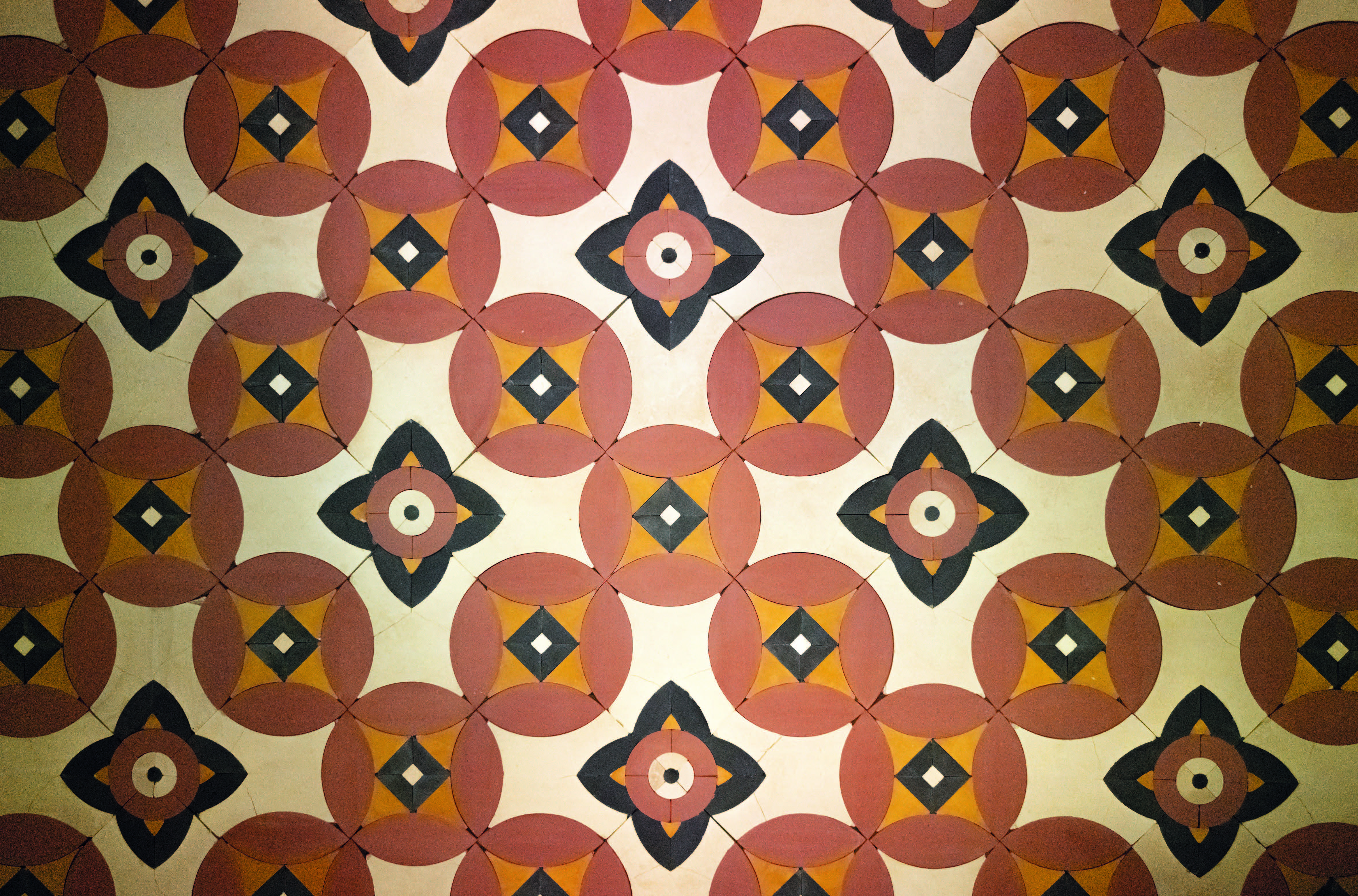
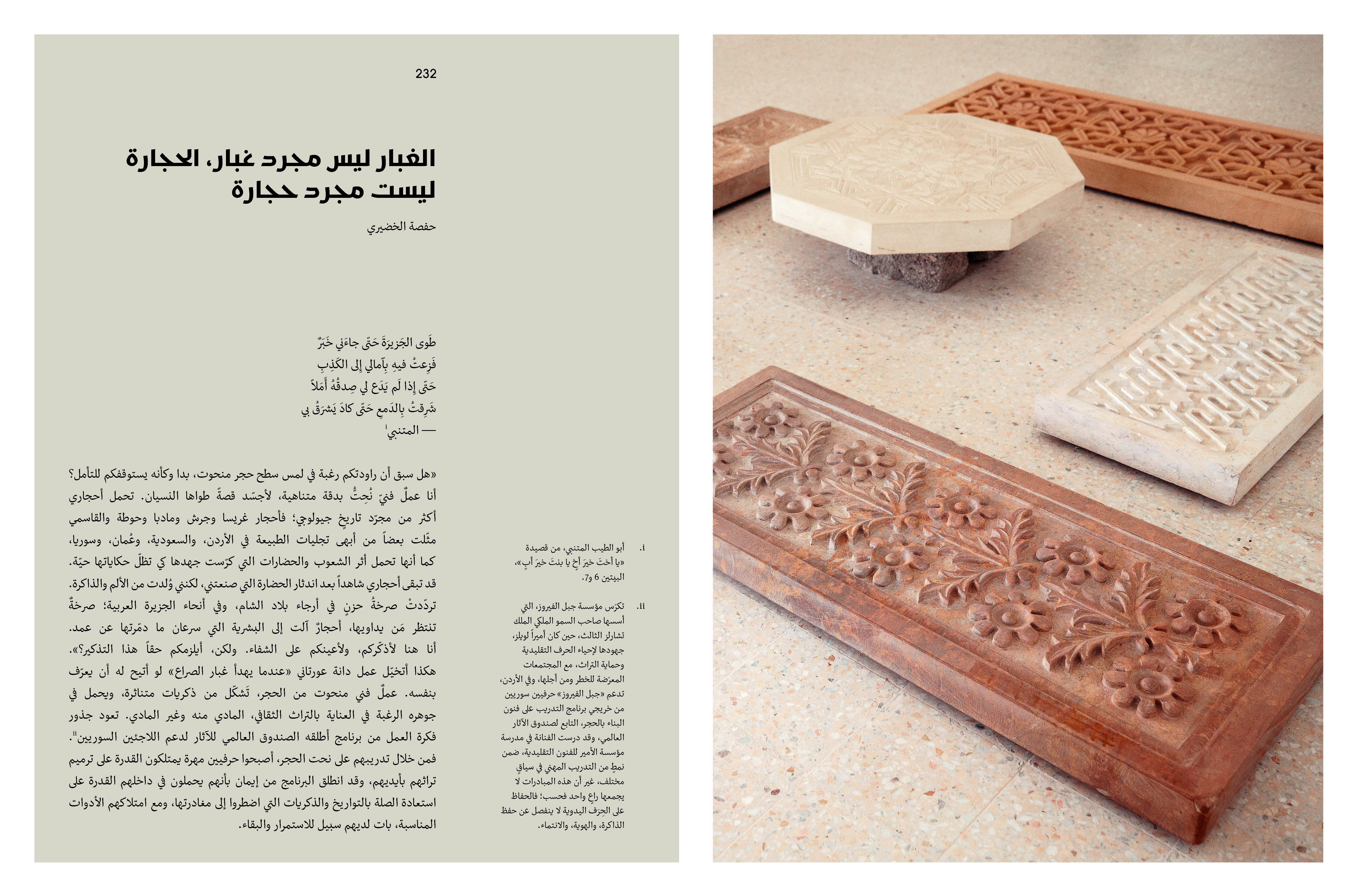
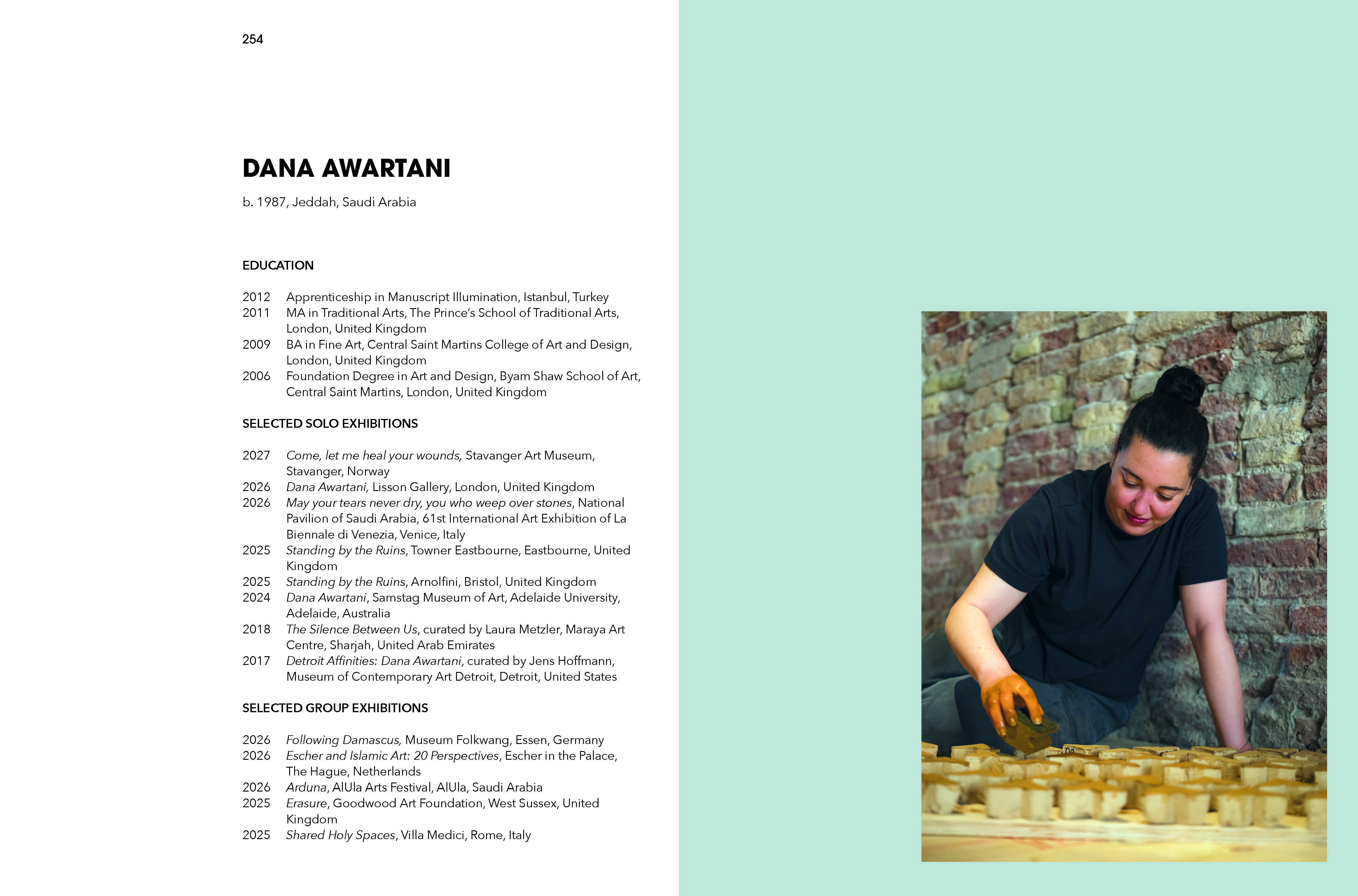
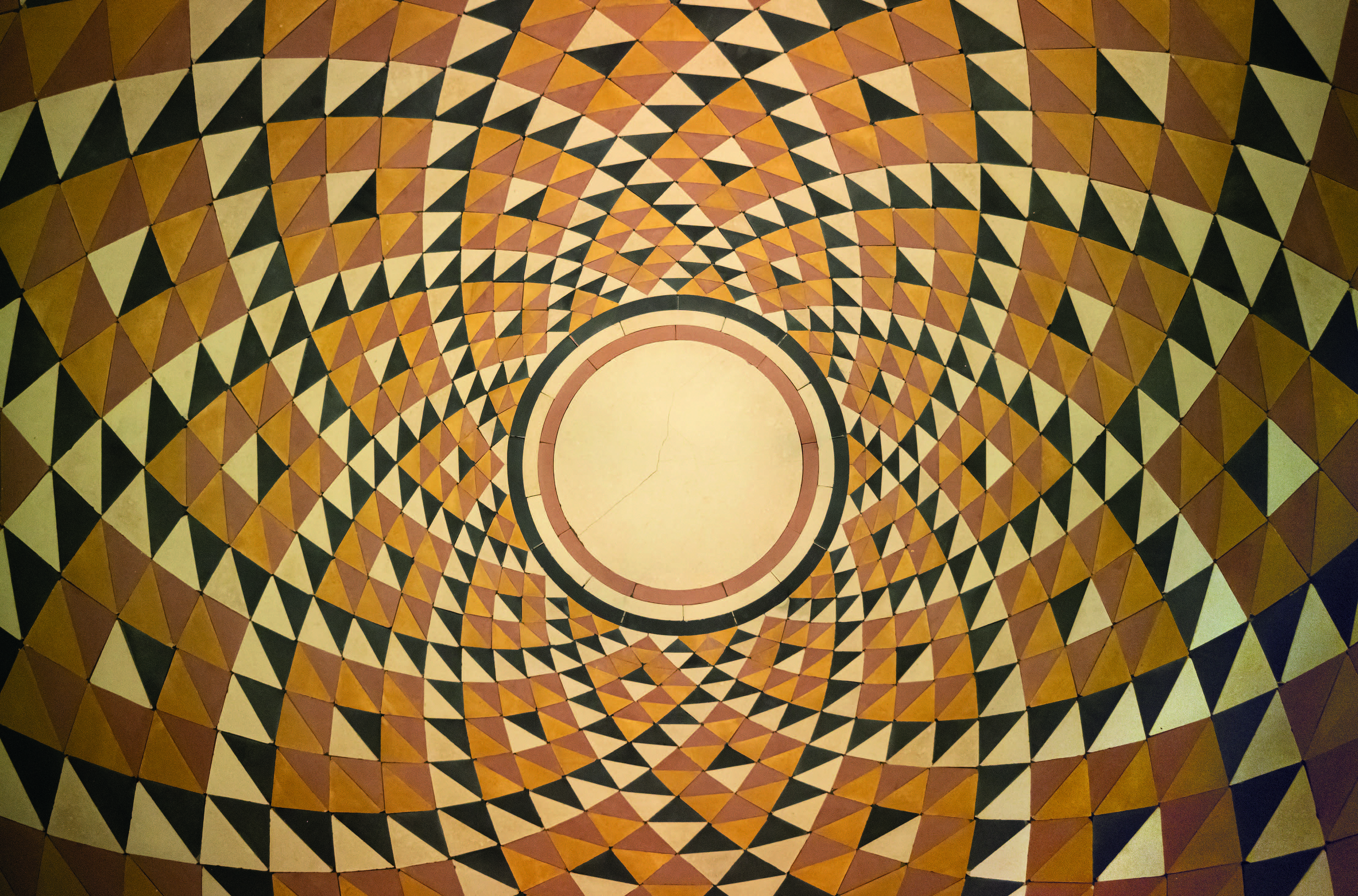
This is the first comprehensive publication on her practice, published to coincide with May your tears never dry, you who weep over stones—the work presented for the National Pavilion of Saudi Arabia at the Biennale Arte 2026, in which these concerns find their most ambitious expression to date. The monumental floor installation comprises 29,221 handmade sunbaked clay earth bricks created with thirty-two Saudi-based master artisans across 30,000 hours, drawing on mosaic traditions from twenty-three sites of cultural and historic significance across the contemporary Arab world, and dating back some three millennia.
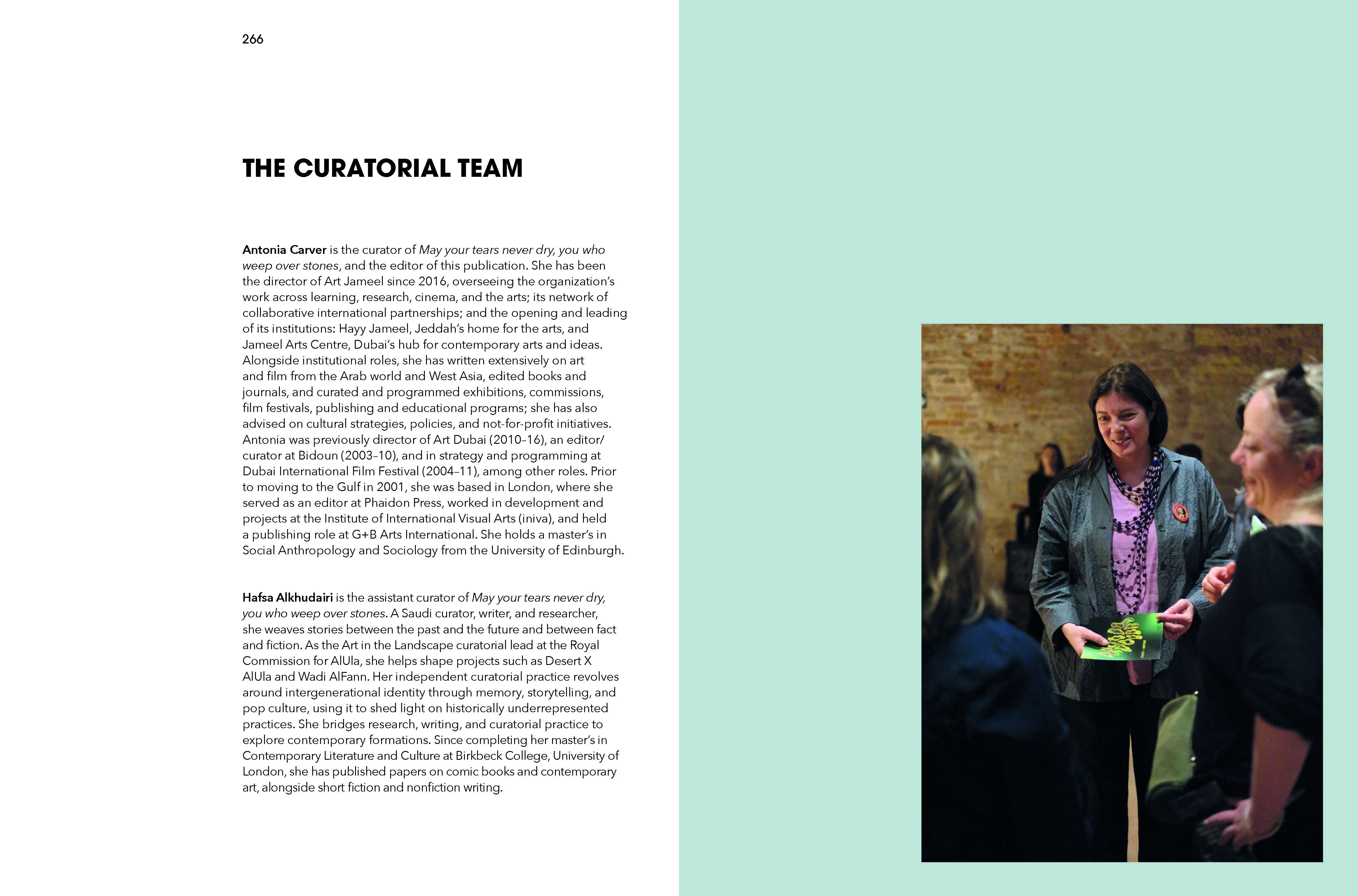
Edited by Antonia Carver, with contributors including Hafsa Alkhudairi, Kaelen Wilson-Goldie, Nouf AlHarthi, Rachel Bennett, Saira Ansari, and Uzma Z. Rizvi, the volume brings together critical and poetic essays tracing the full arc of Awartani's practice.
Palestinian-Saudi artist Dana Awartani (born 1987 in Jeddah, Saudi Arabia, lives and works between Jeddah and New York) engages in critical and contemporary reinterpretations of the forms, techniques, concepts, and spatial constructs. Steeped in a multitude of historical references, particularly drawn from Islamic and Arab art-making traditions. Awartani's practice straddles continuity and innovation, aesthetic experimentation, and social relevance.
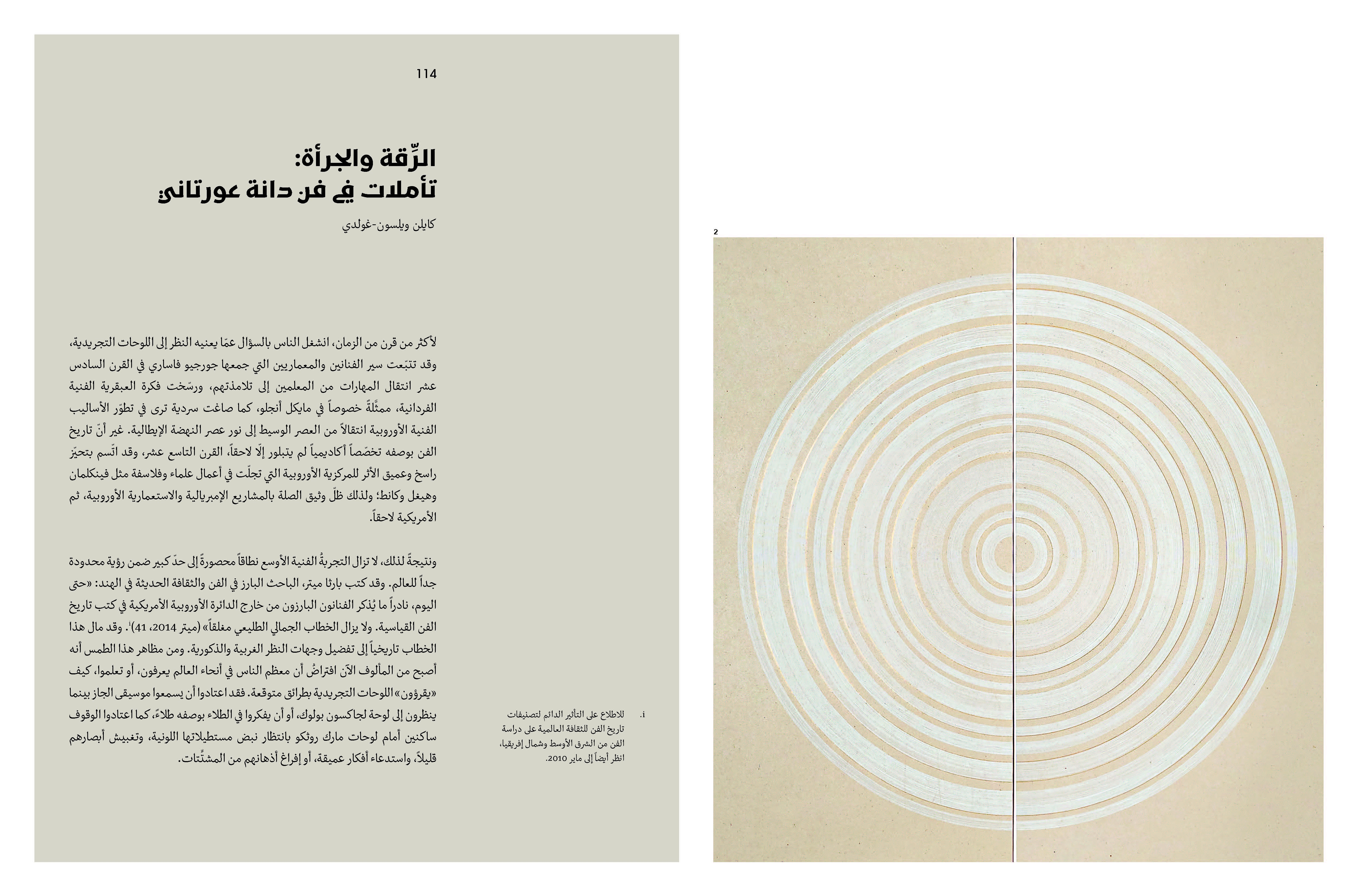
Spanning painting, sculpture, performance, and installation, her commitment to historically situated and locally sourced materials addresses the complexities of continuity of cultural heritage, craft, and artisanship—including sites and practices across the Arab world that are under threat. Consistent throughout her work is a philosophical elaboration of geometric patterns as an alternative genealogy of abstraction.