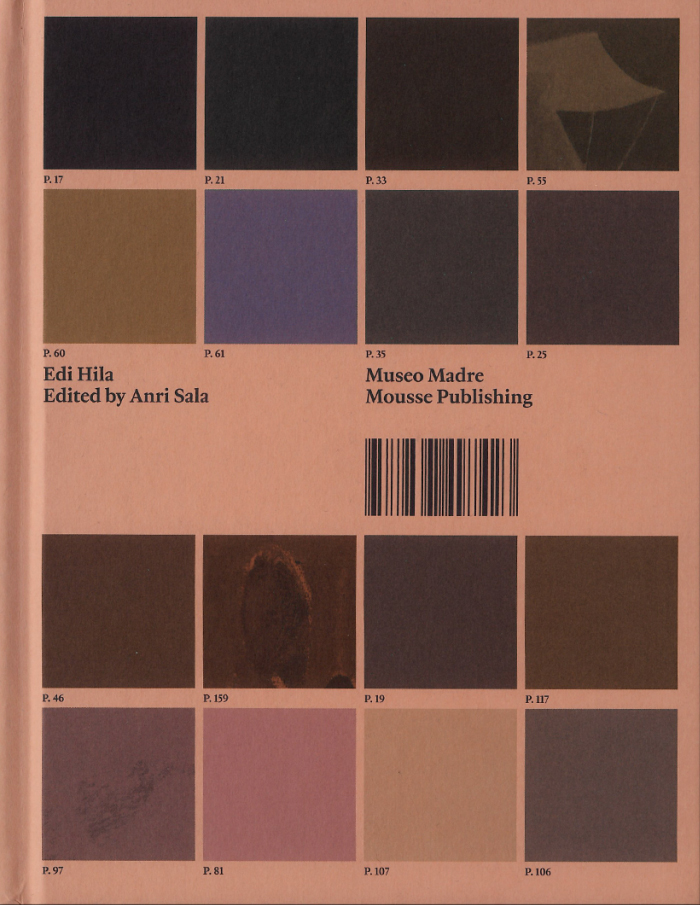
An artists' book in which
Anri Sala interacts with the corpus of paintings by Edi Hila.
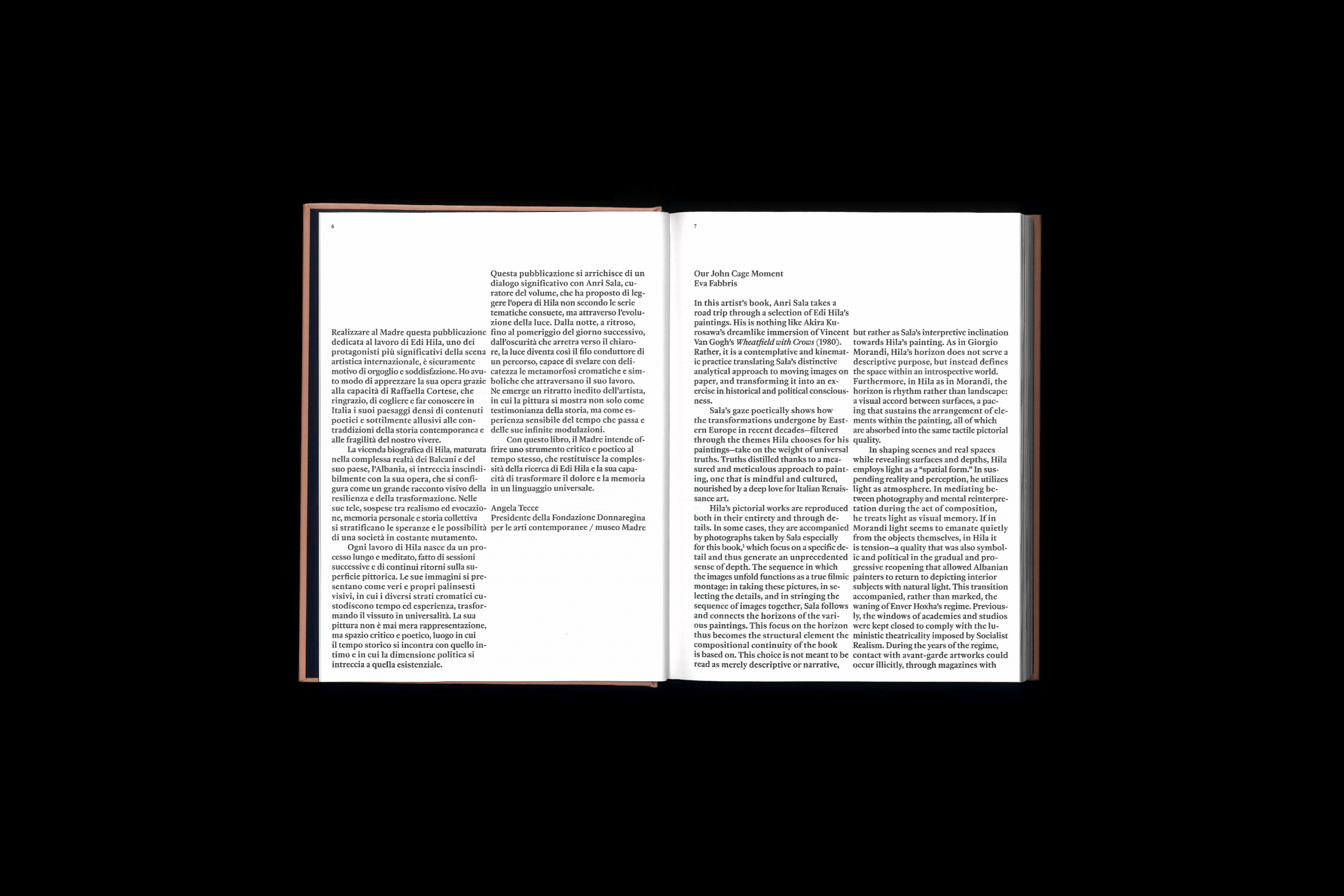
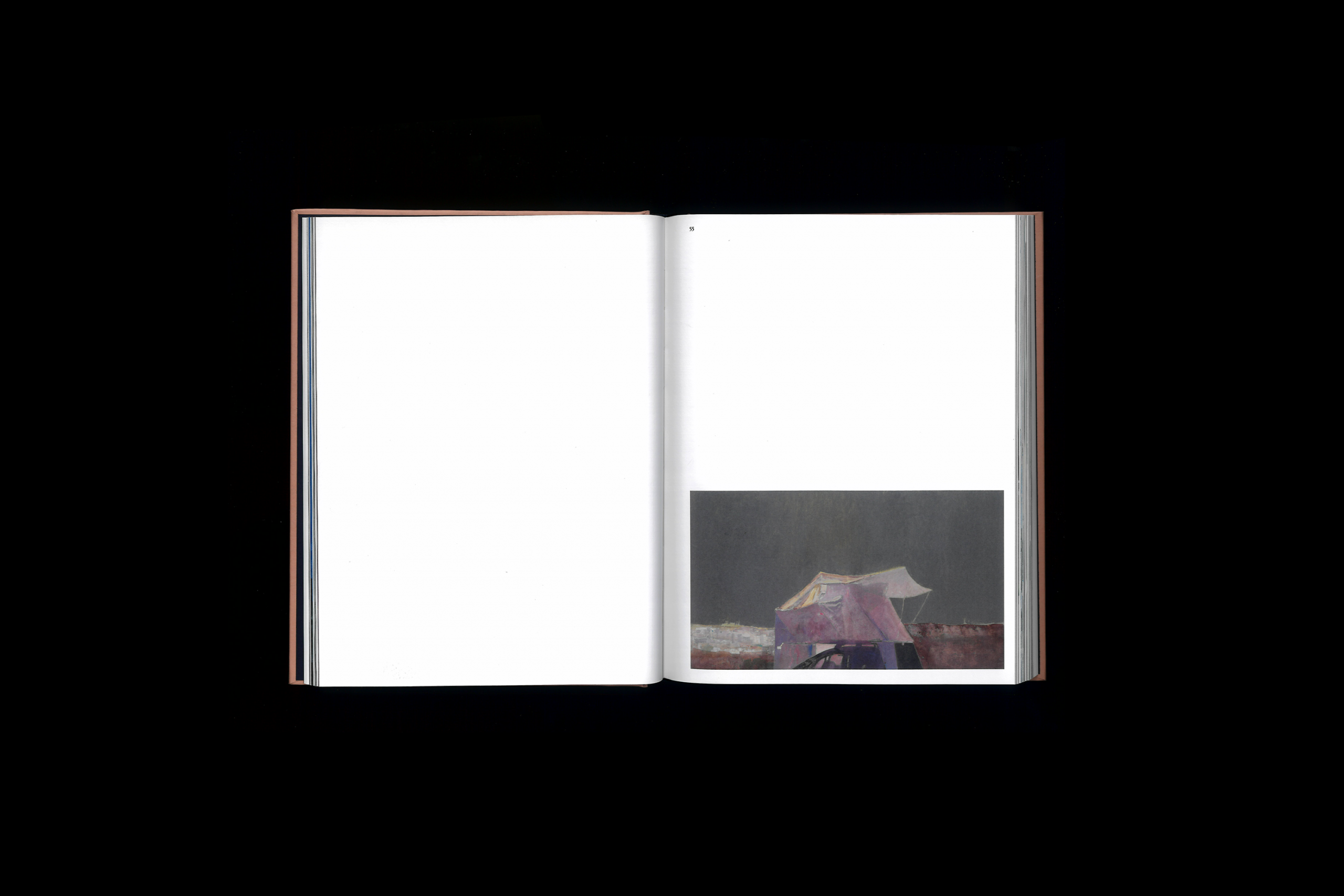
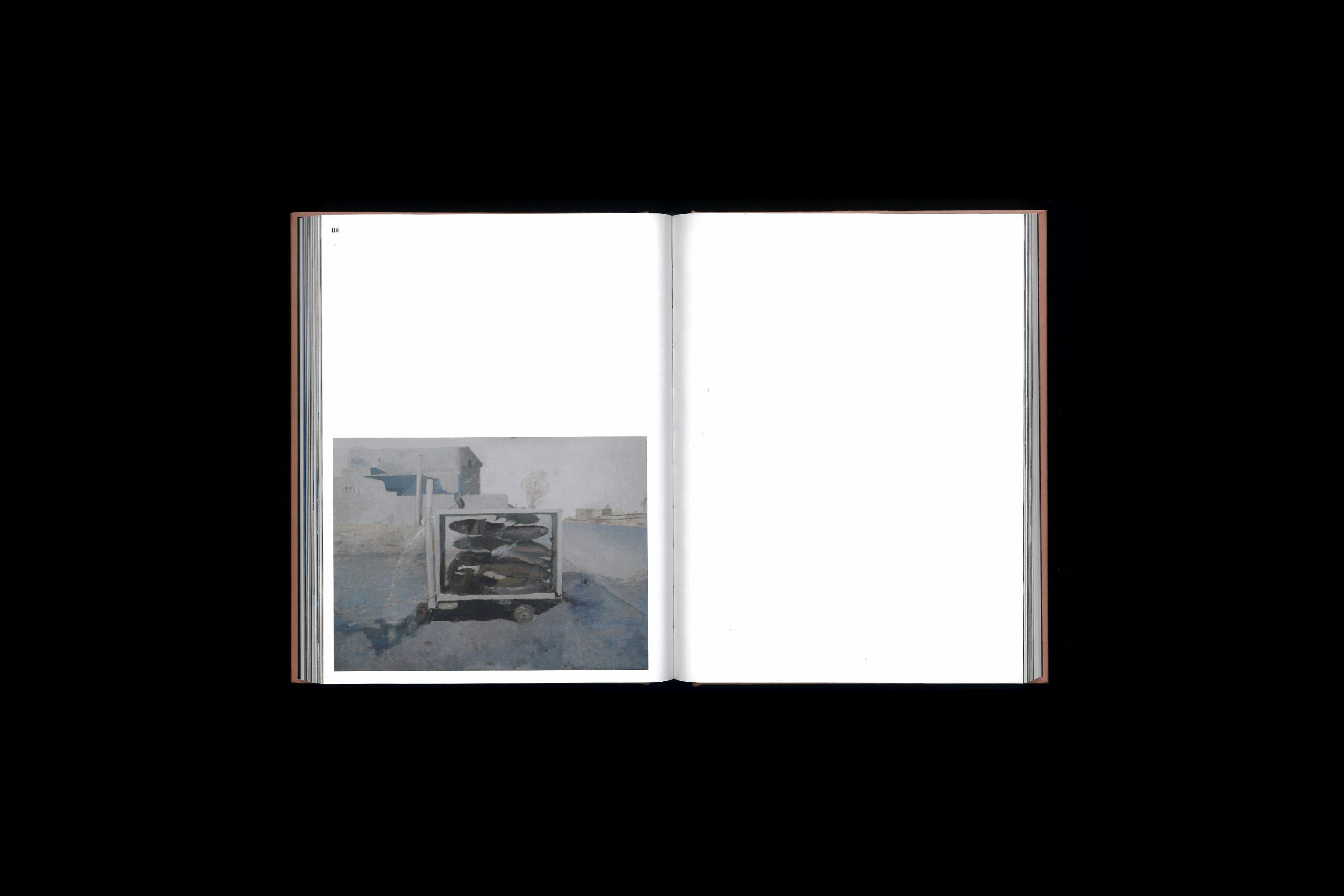
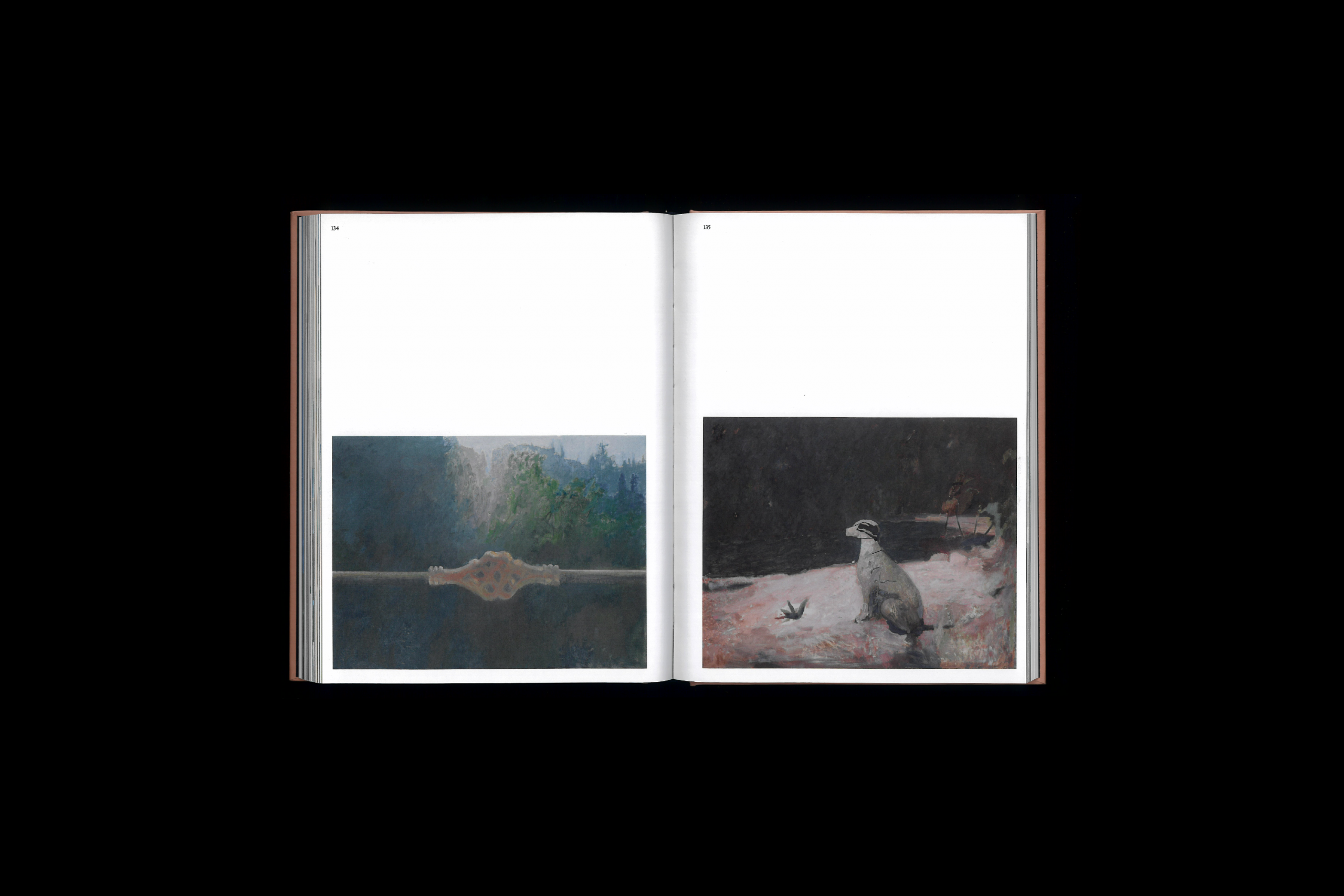
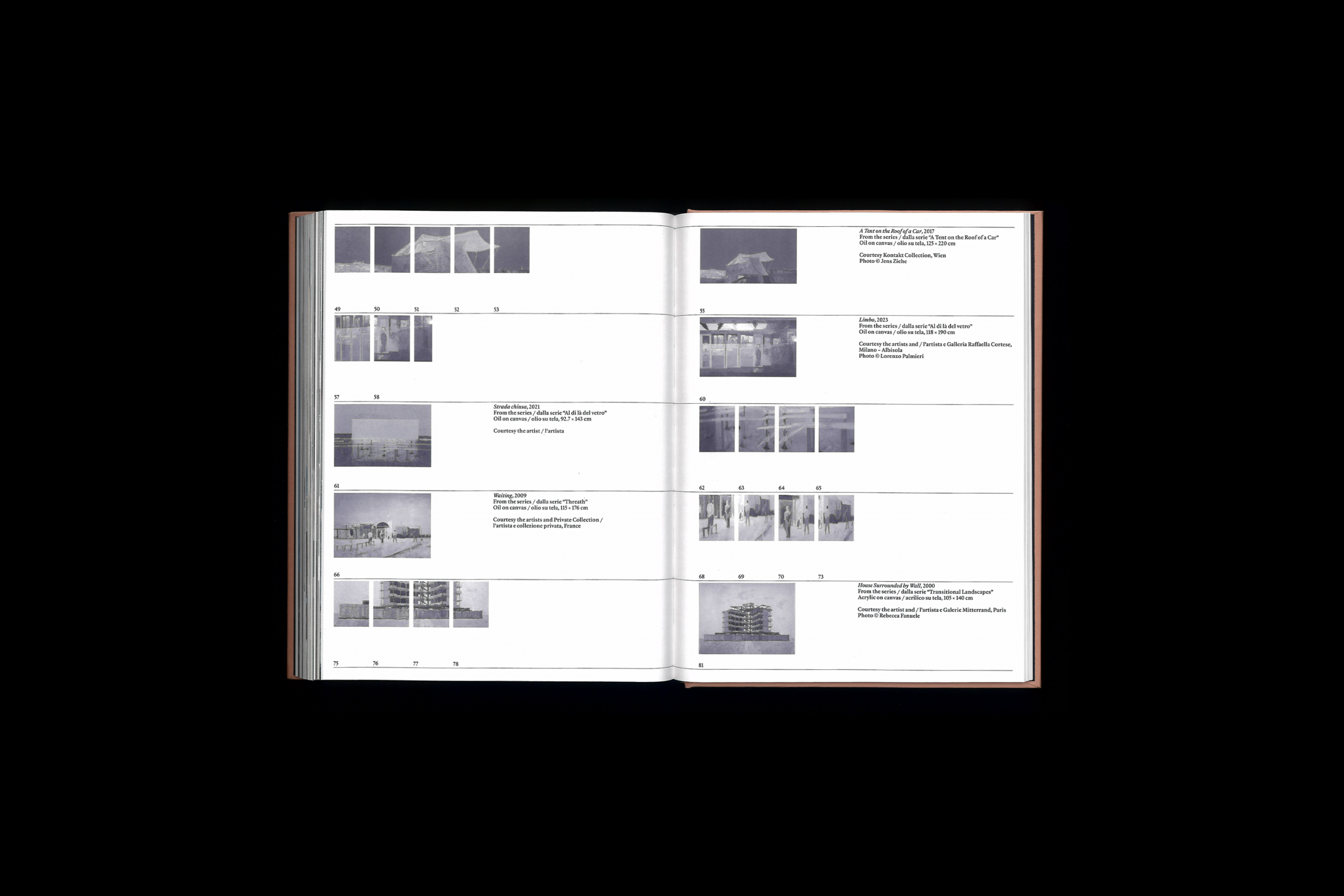
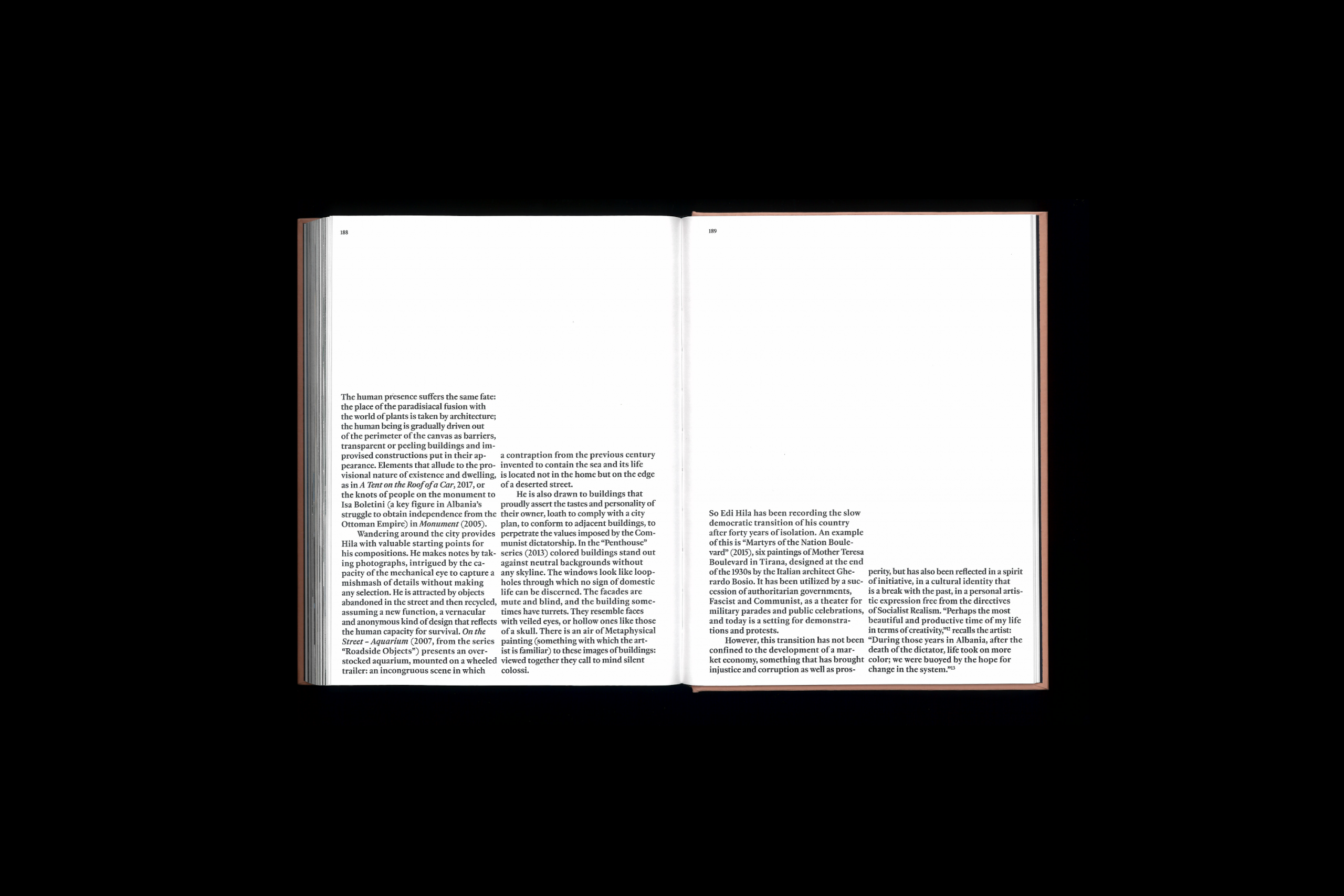
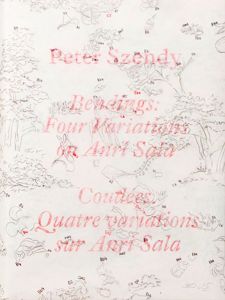
This publication, conceived by museo Madre, is more than a simple book; it is an artists' book in which Anri Sala interacts with the corpus of paintings by Edi Hila. As Eva Fabbris, the Director of museo Madre, points out in her brief essay, Sala engages Hila's work in a contemplative and cinematic way, allowing the historical and political consciousness the two share to surface gradually through the sequencing of images.
Born thirty years apart in Albania, Hila and Sala share not only a geography but a historical condition. Both were formed at the Academy of Arts in Tirana—Hila as a student and later a professor, and Sala as part of the generation that encountered the institution at the threshold of the regime's collapse. If Hila's early career unfolded under the strictures of Socialist Realism and direct censorship, Sala's began in the vacuum that followed its dissolution.
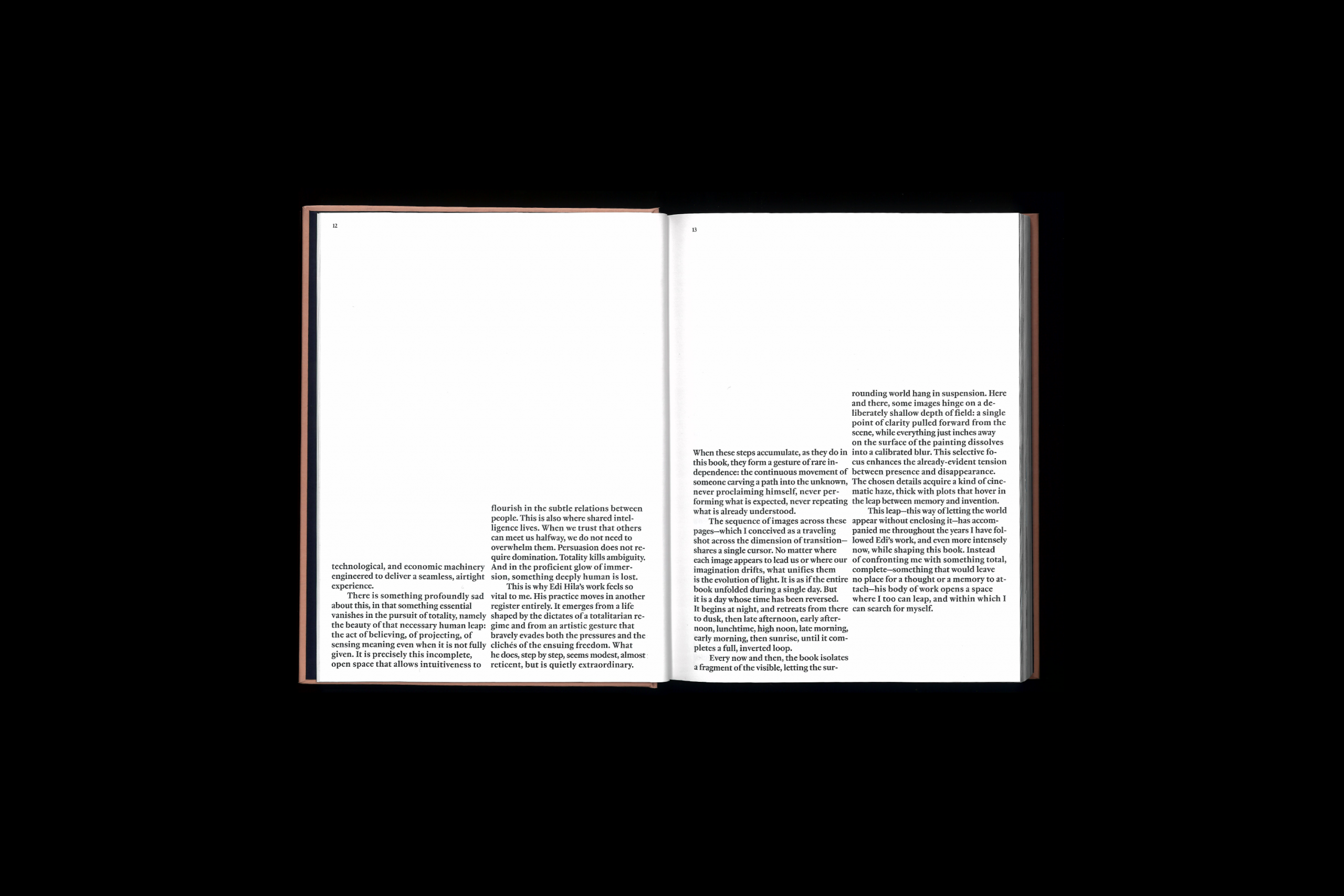
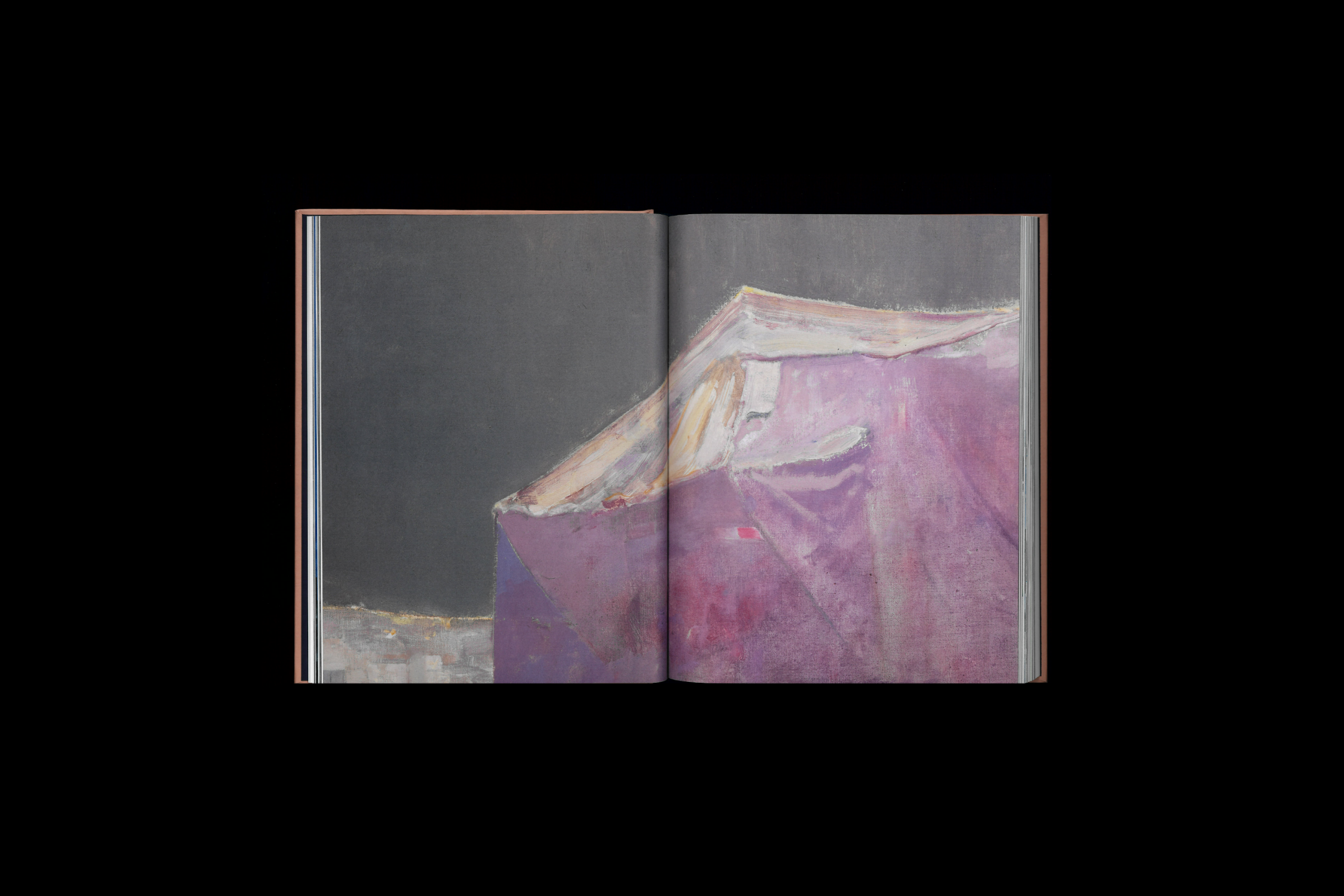
Sala reads the transformations that have marked Eastern Europe—emerging through Hila's paintings—as conditions that may also be understood in broader, even universal terms. This narration unfolds through both full views and selected details, photographed under Sala's direction. The guiding "cursor" of the book is the evolution of light. It is as if the entire publication takes place within a single day—yet a day whose time has been reversed. It begins at night and retreats through dusk, late afternoon, early afternoon, high noon, late morning, early morning, until sunrise, completing a full, inverted cycle.
Since the 1990's,
Anri Sala (born 1974 in Tirana, Albania) has been working in a range of media including video, photography, installation, and more recently drawings and sculptures. His work explores the boundaries between image and sound in order to generate carefully assembled time-based moments which overlap one another.
Through a new form of language, his work opens to multiple perspectives
and interpretations, bringing together the past, present and future.
According prominence to light, sound and space design, Anri Sala's work is
often presented in immersive spaces, thus stimulating our senses and
creating a link between the body and the architecture.
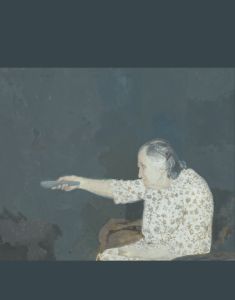
A major figure on the Balkan scene, Edi Hila (born 1944 in Shkodër, Albania, lives and works in Tirana) bears witness to the profound changes experienced by European post-communist societies. He develops a work of reflection on the transitory nature of the history of his country, Albania (natural border between West and East), and on the position of Albanian painting in the Mediterranean history of art.