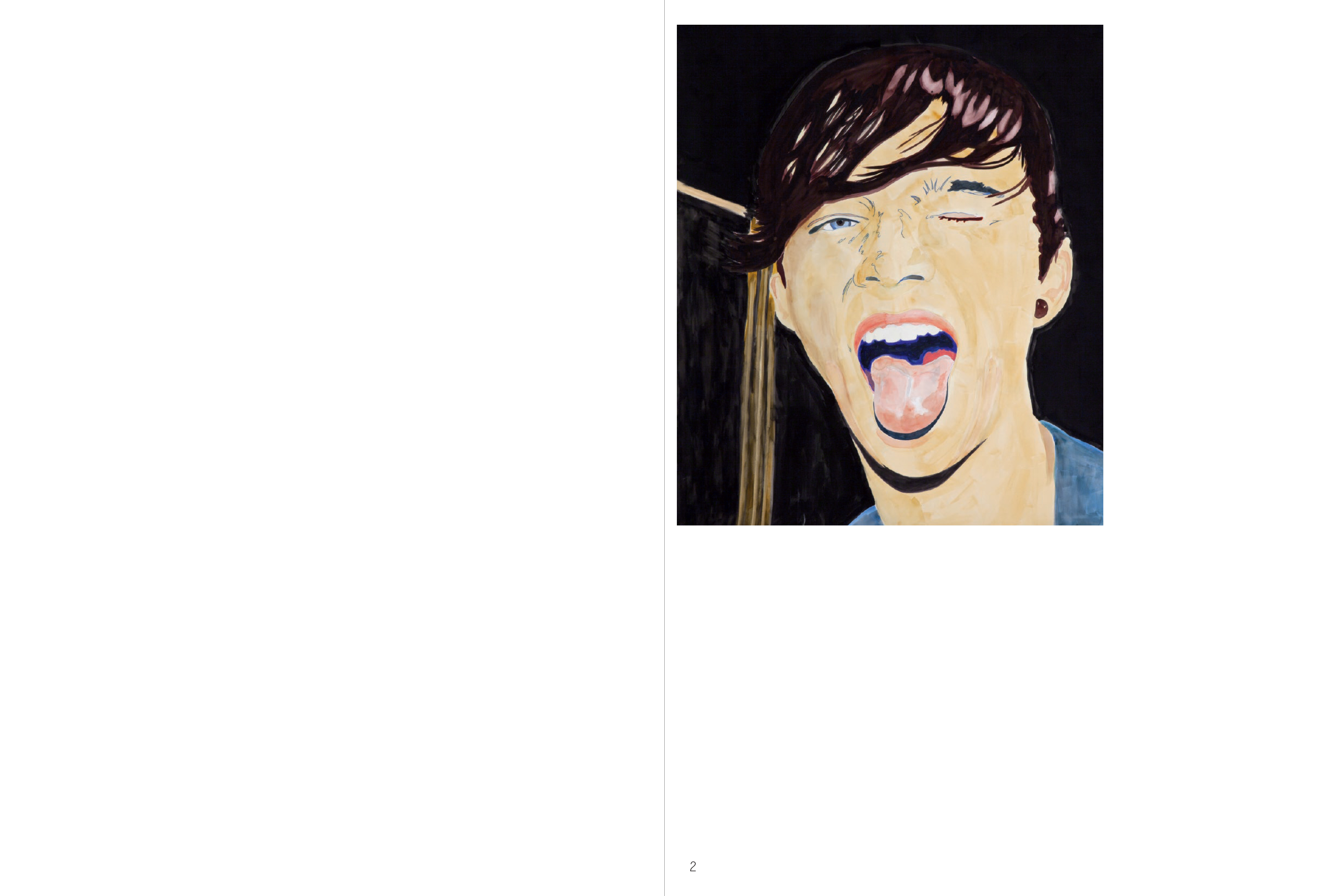
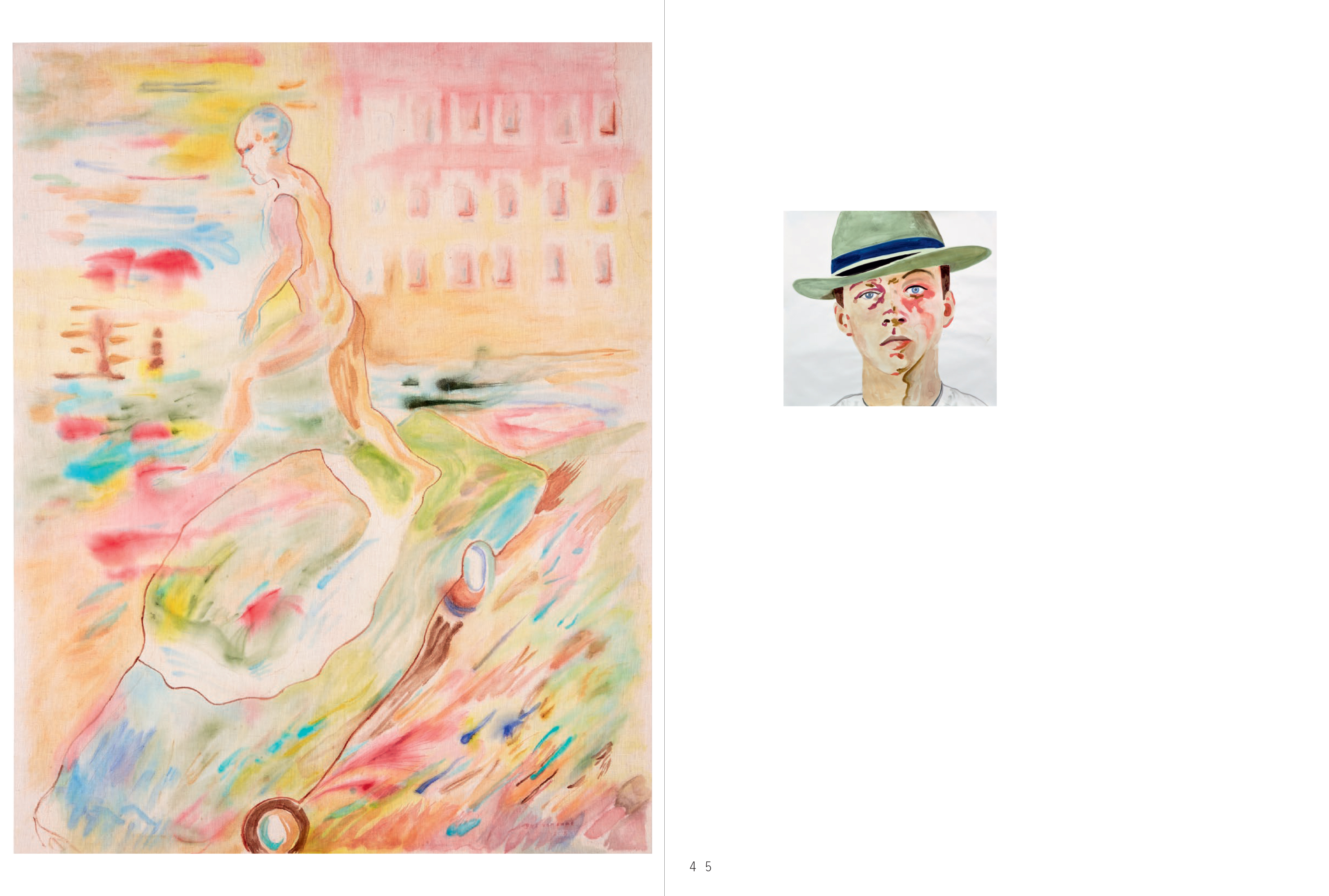
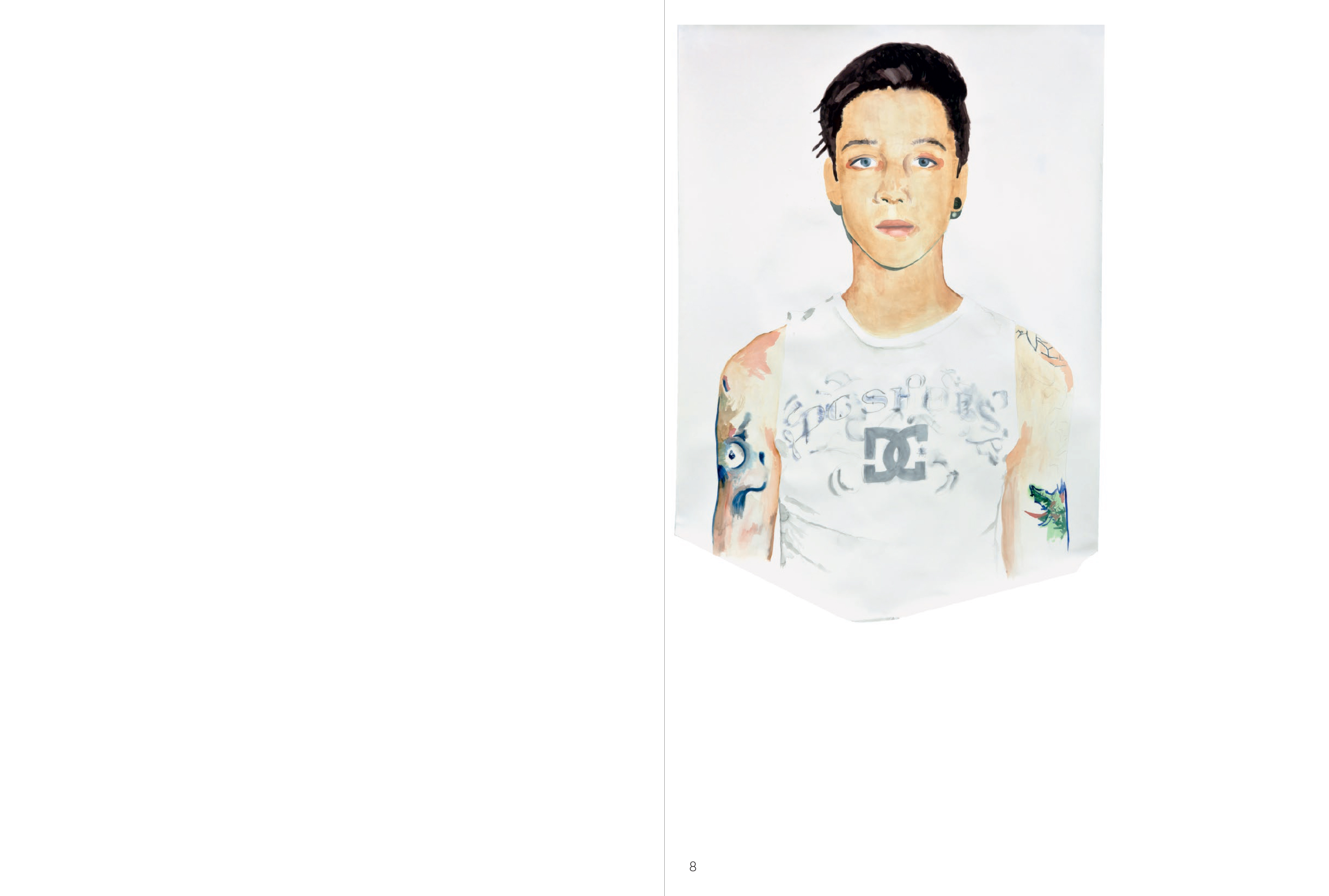
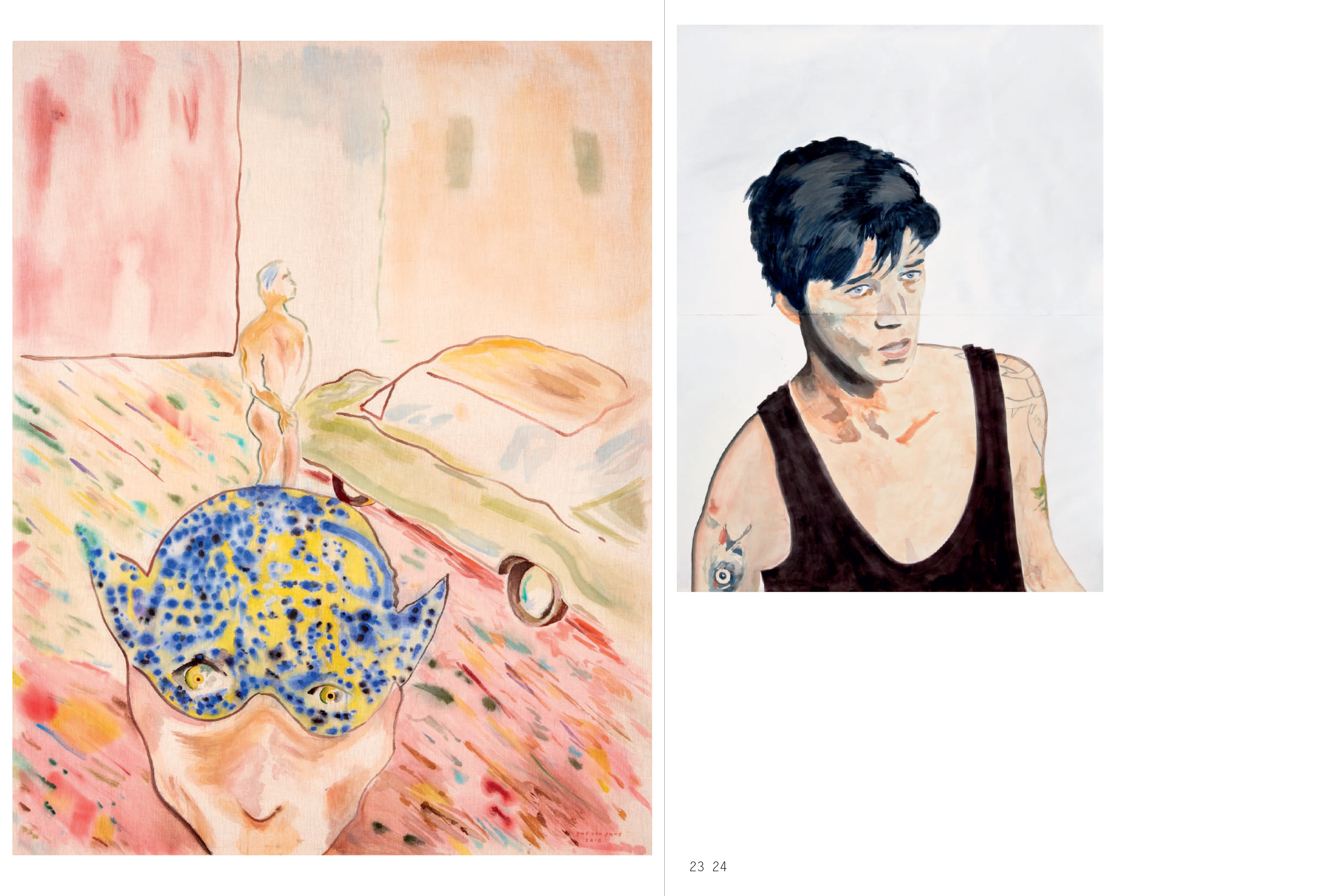
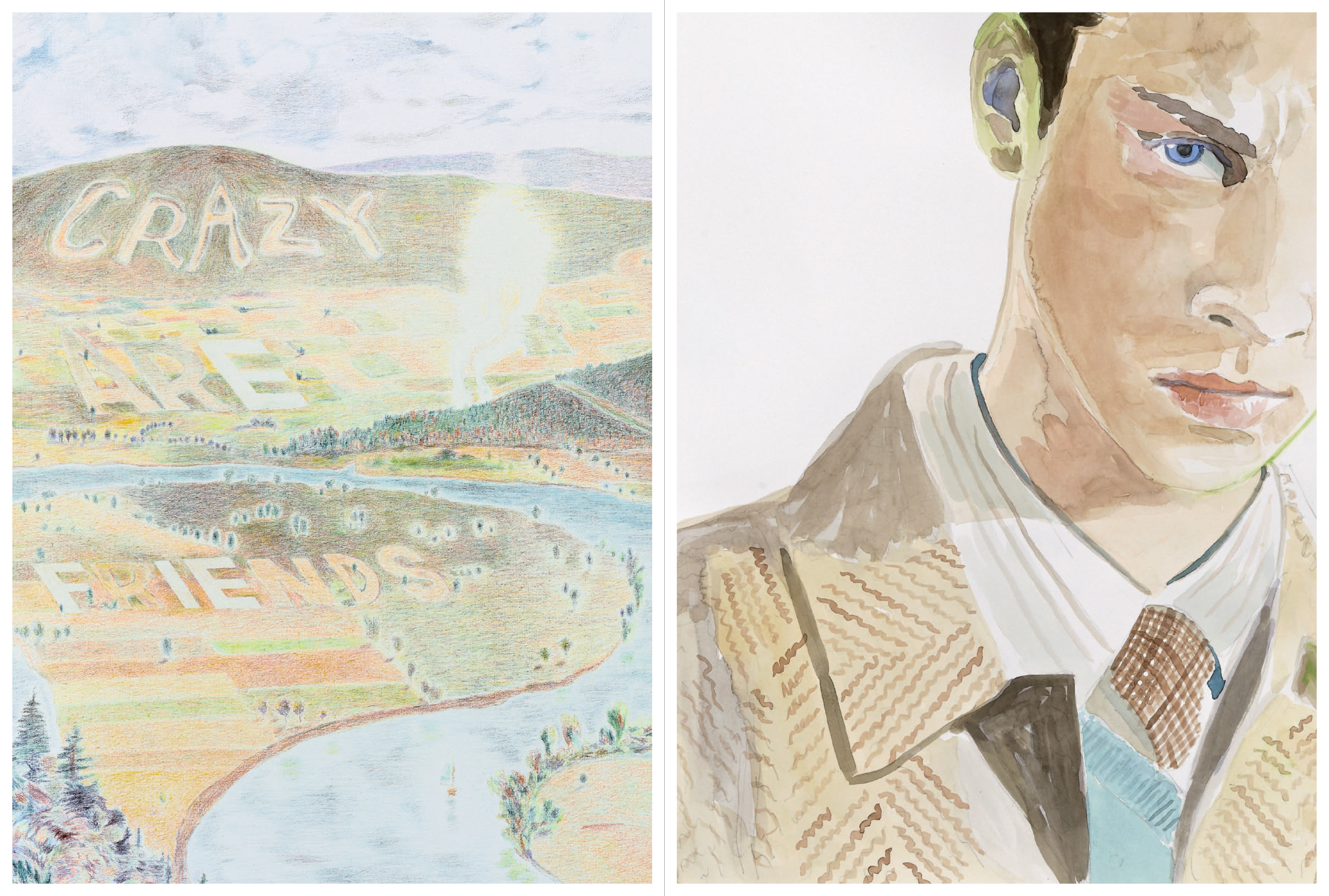
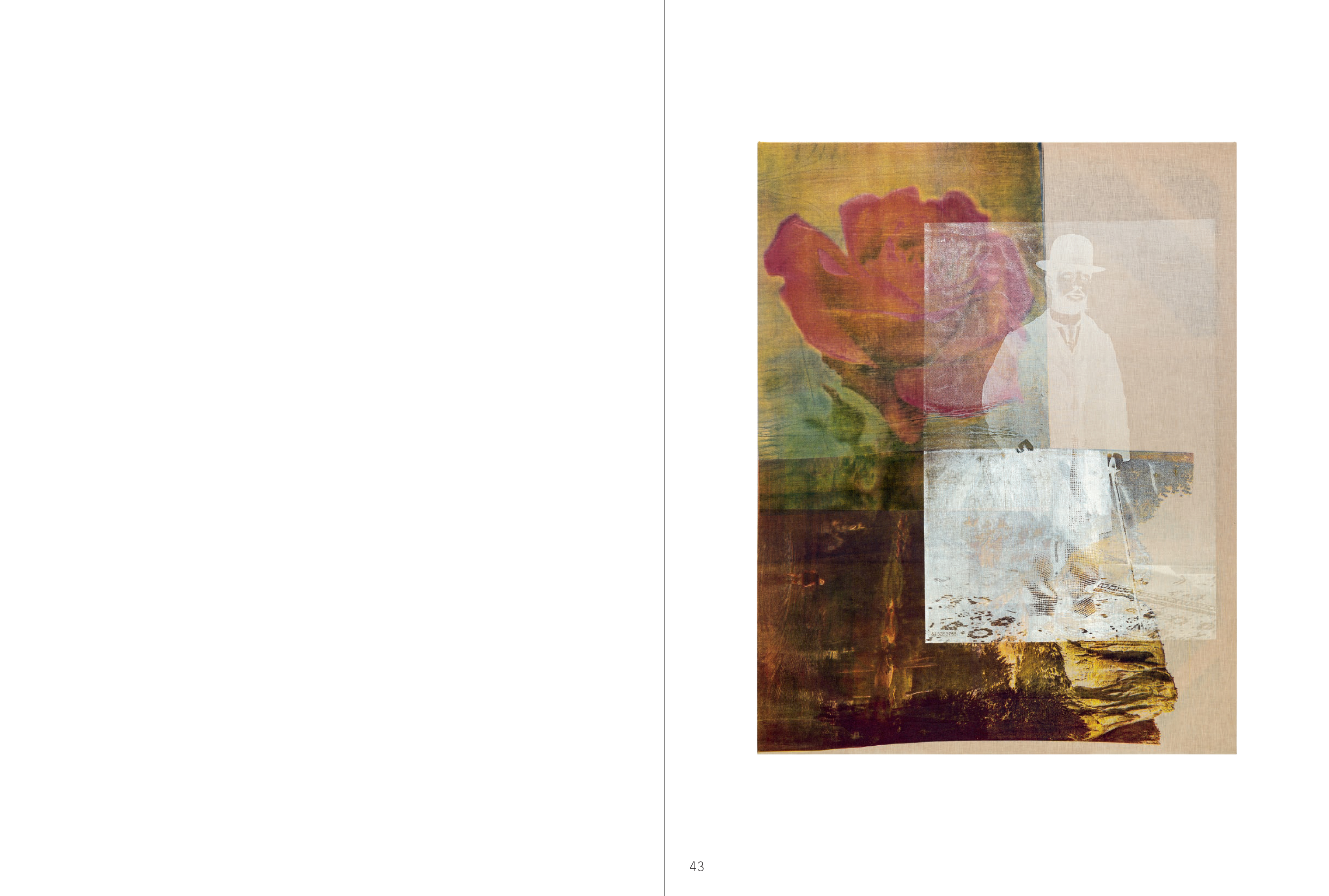
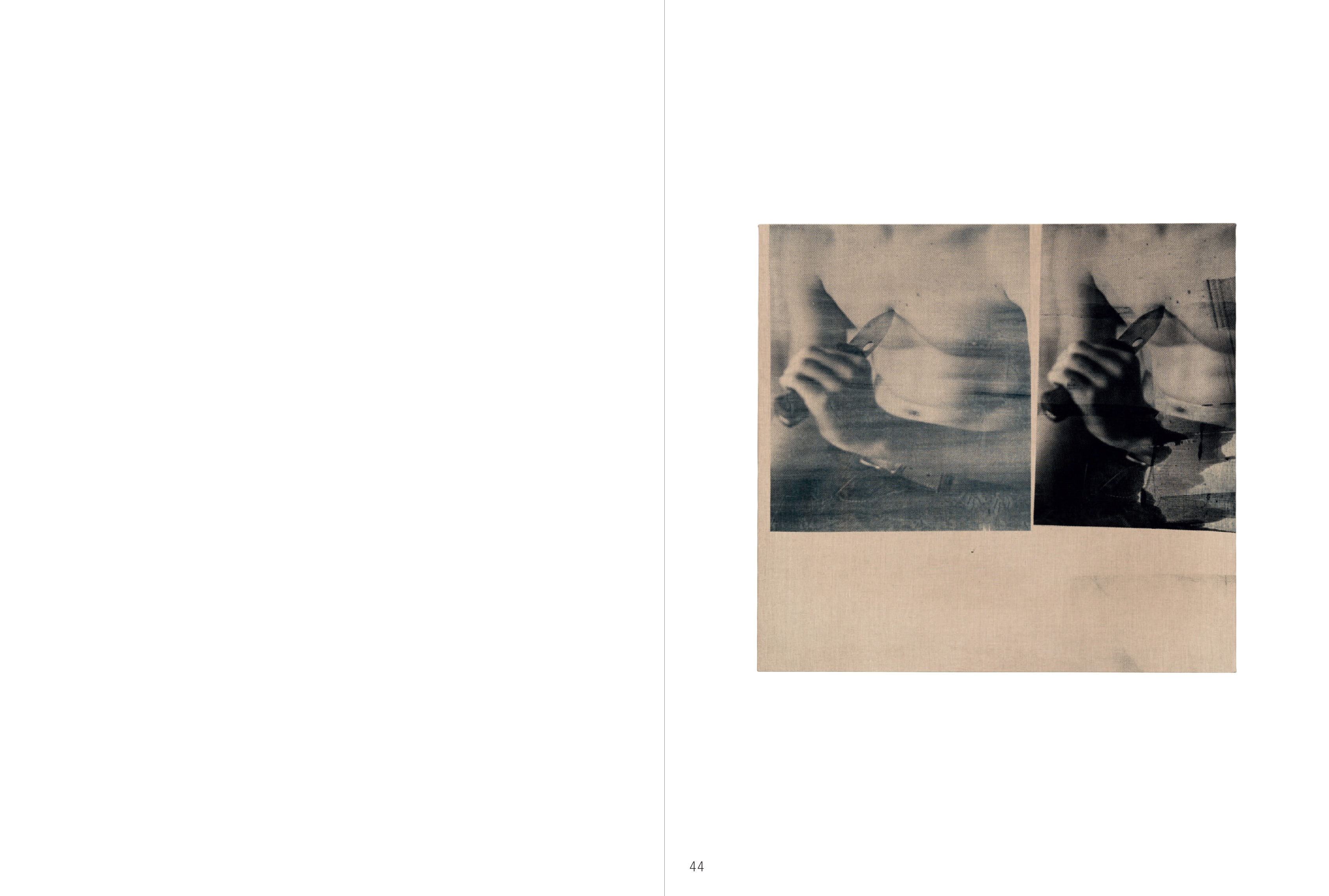
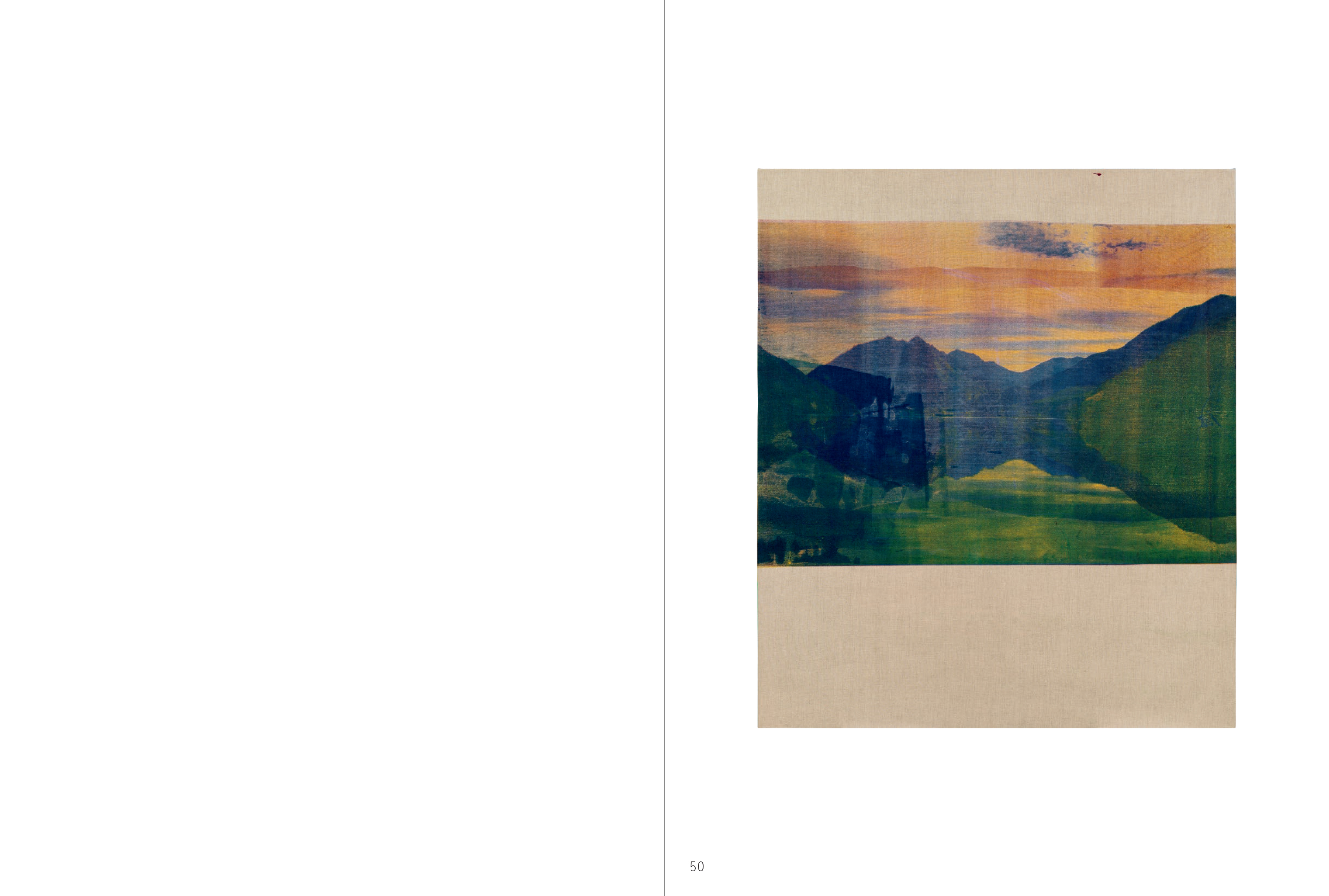
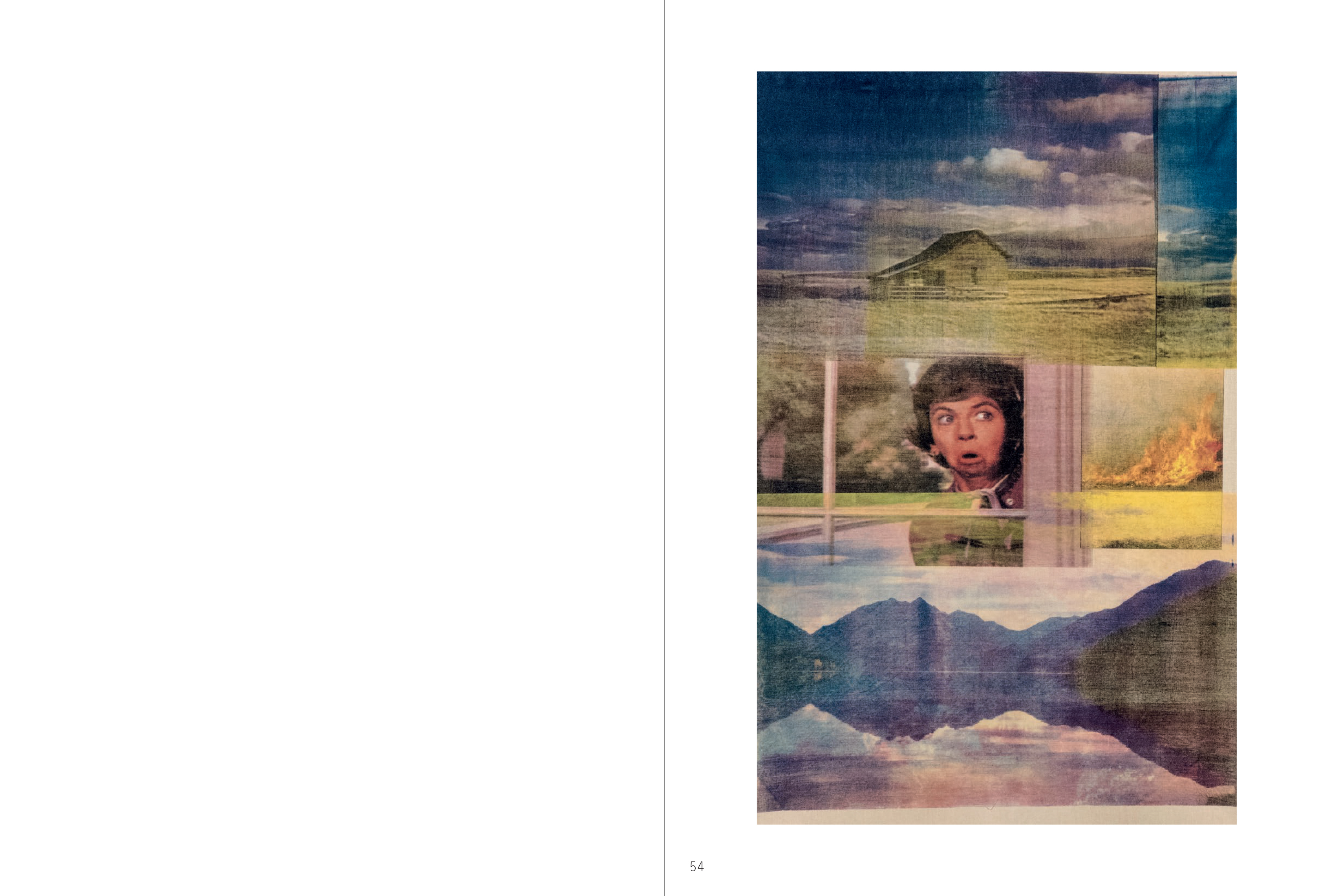
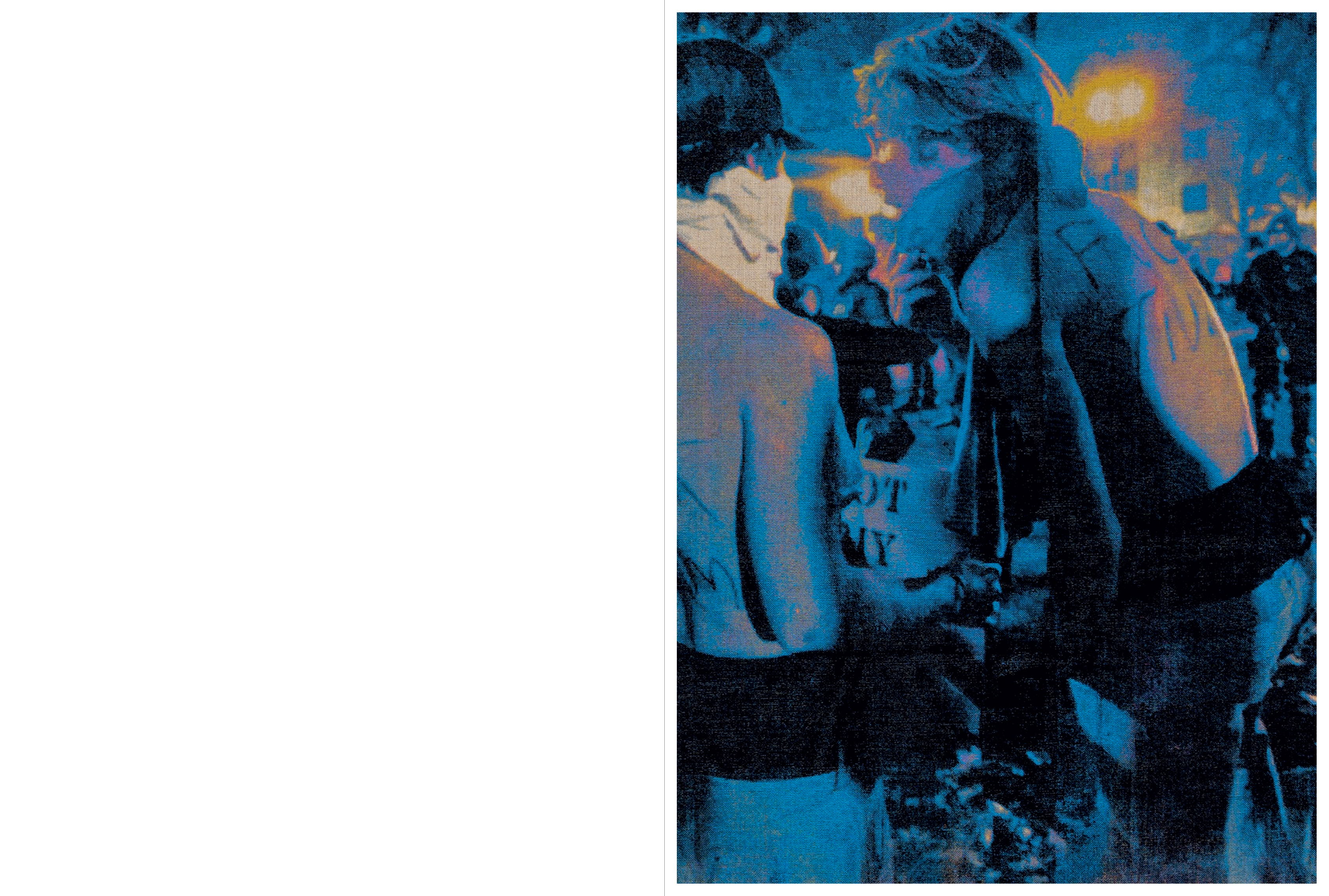
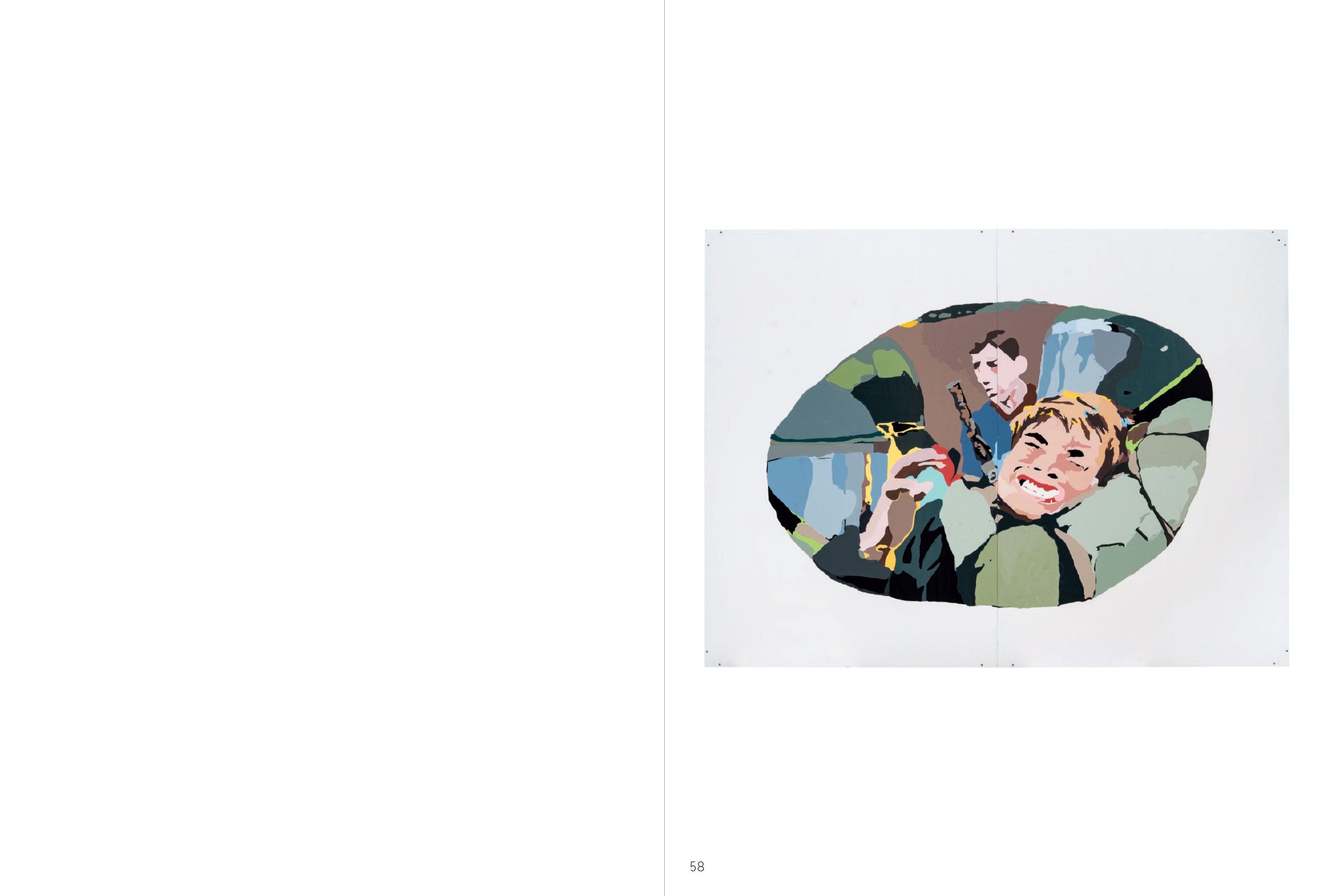
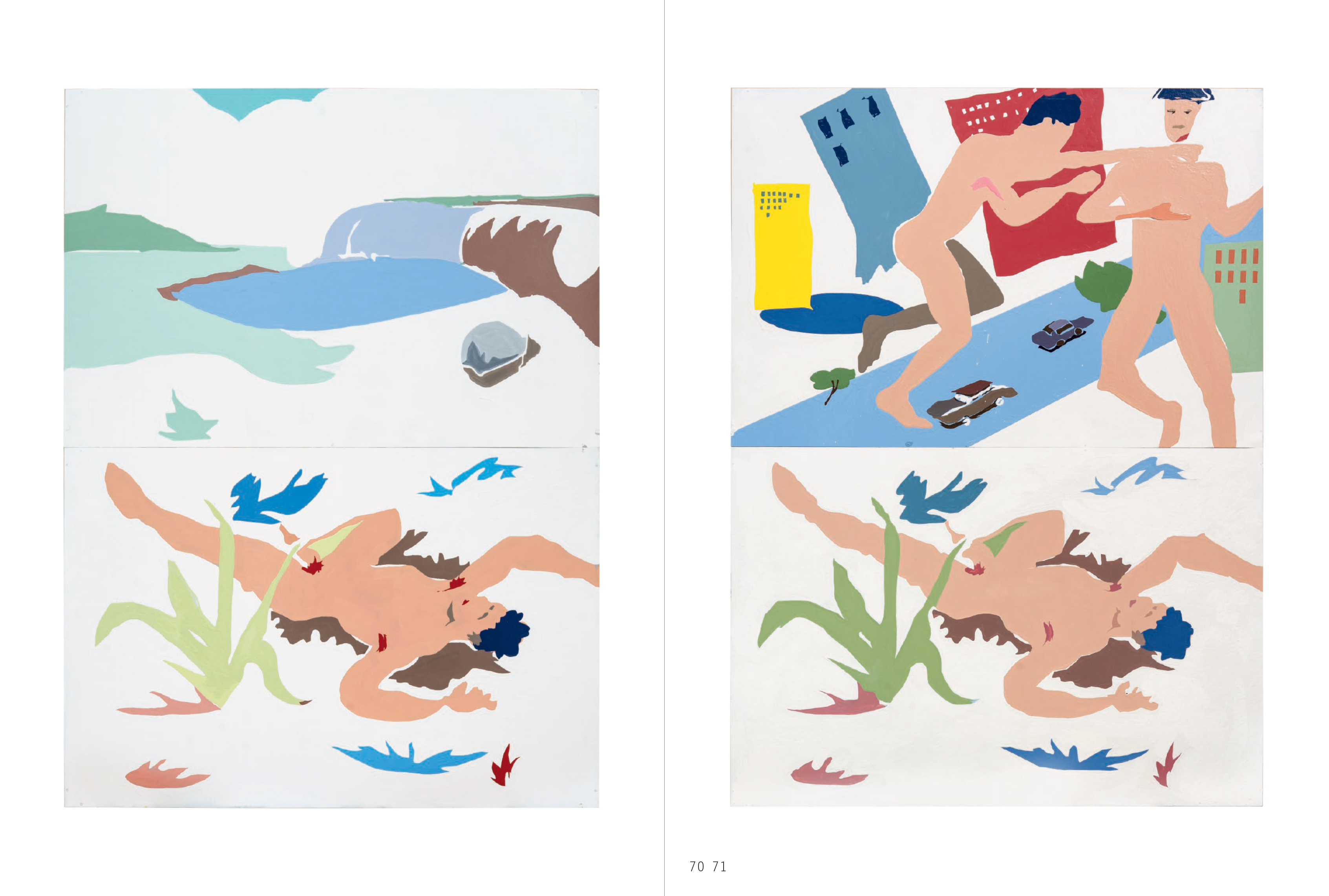
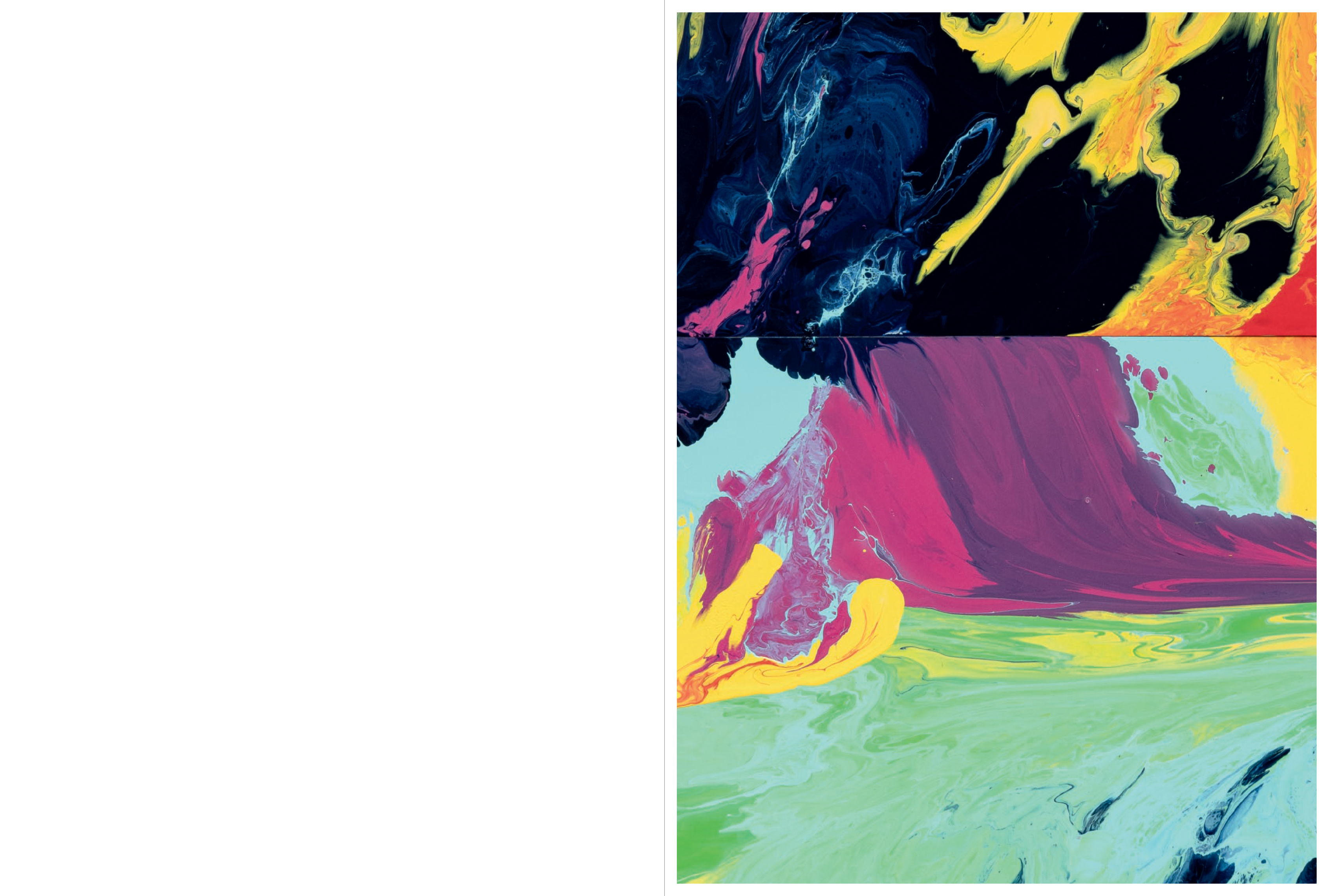
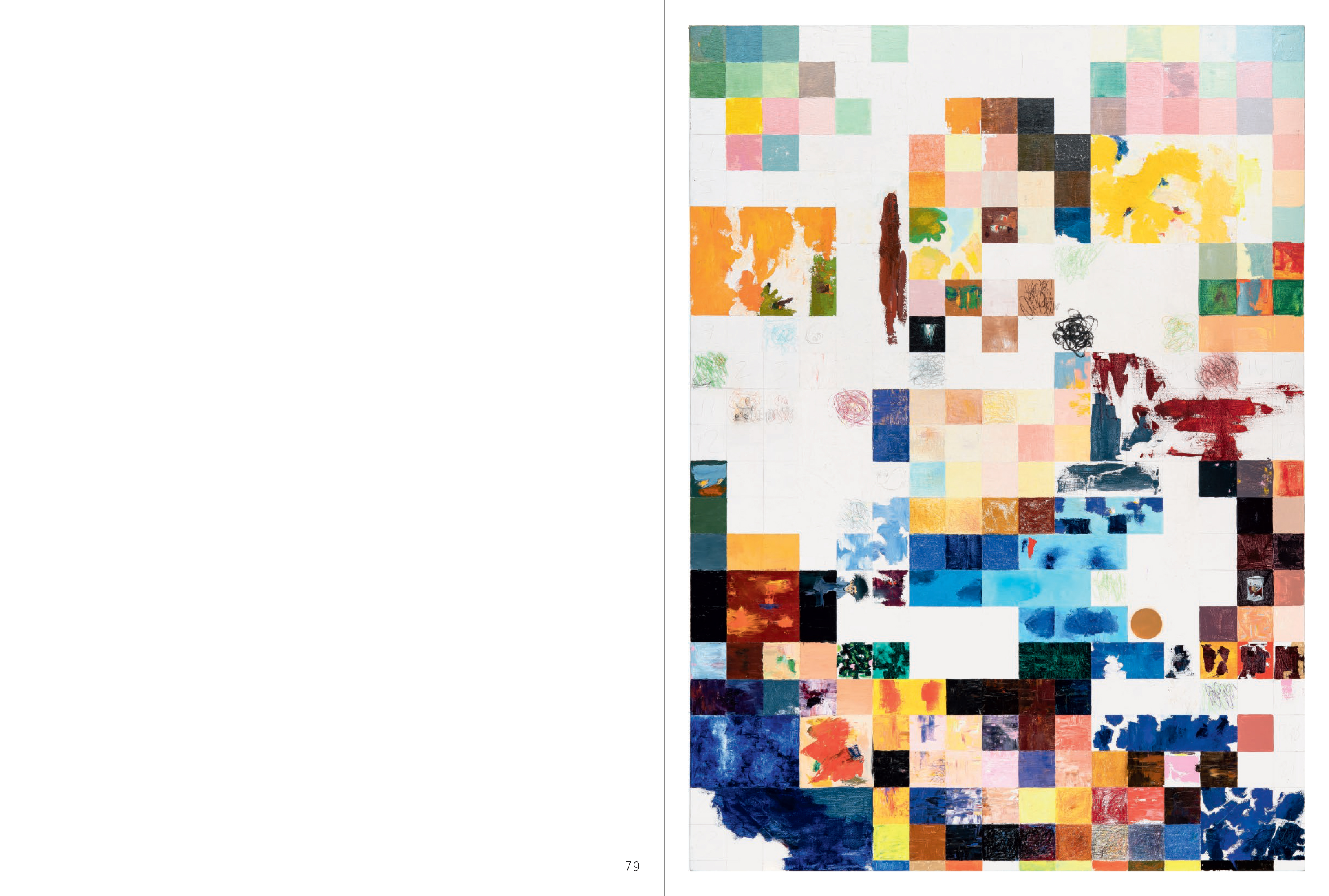
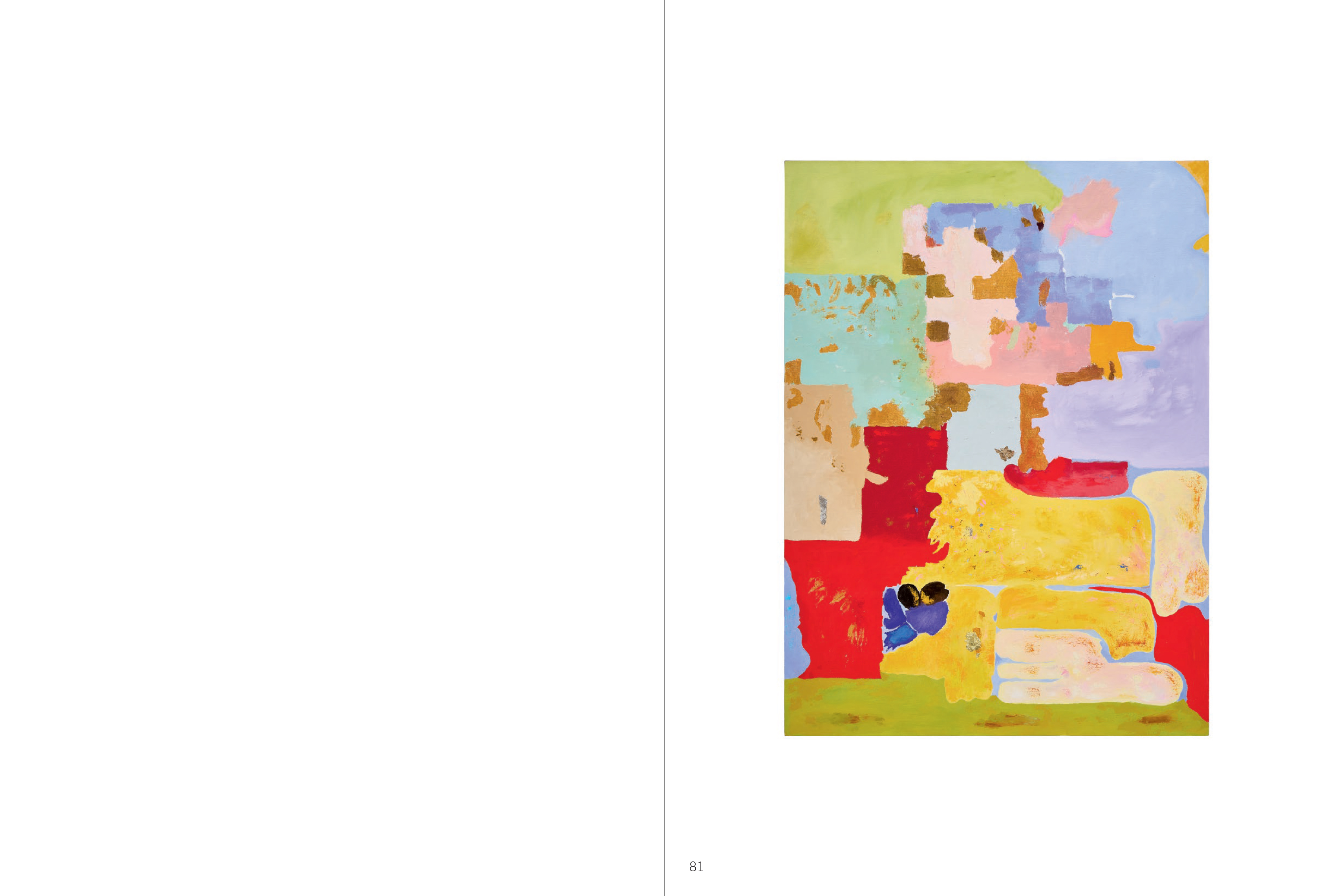
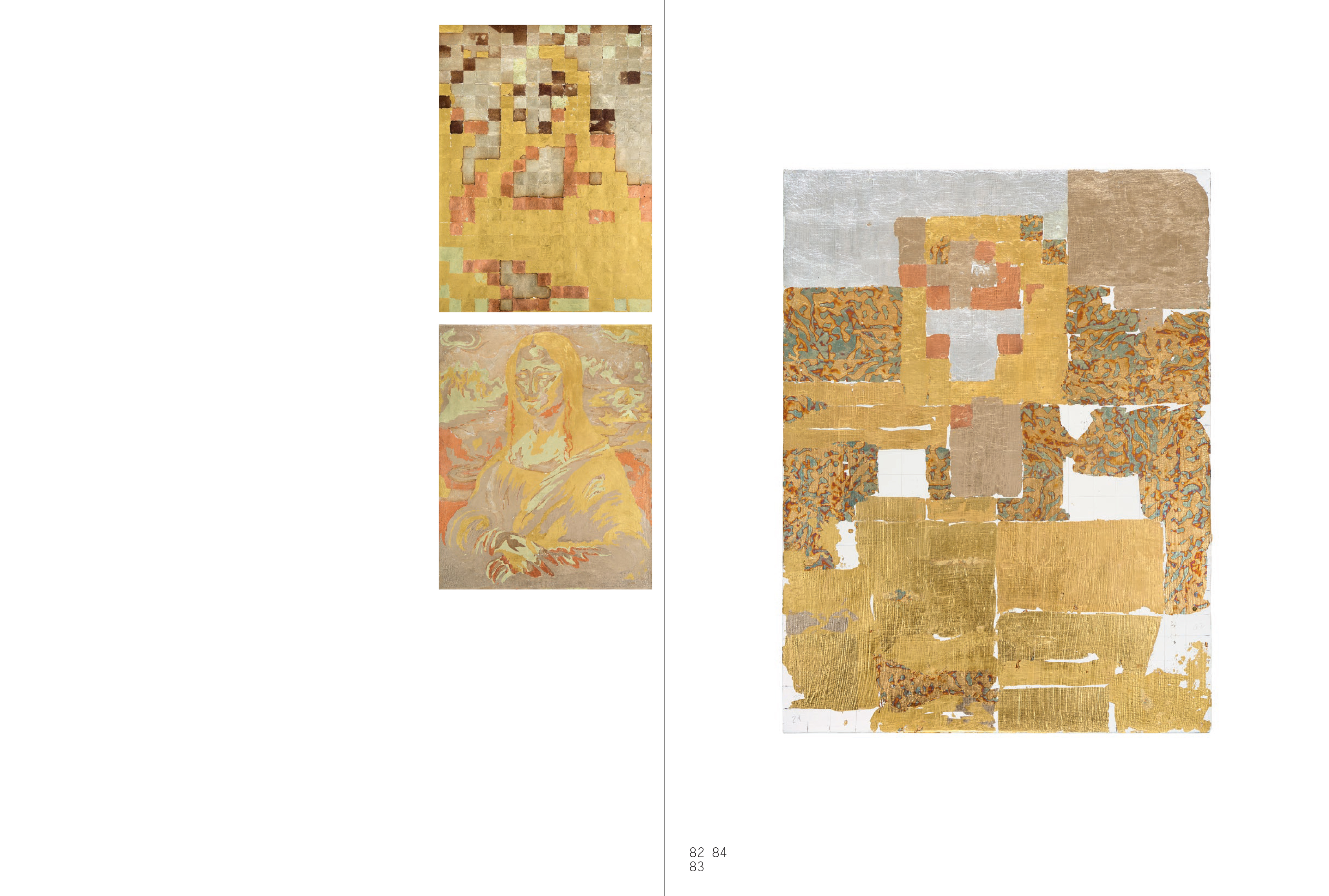
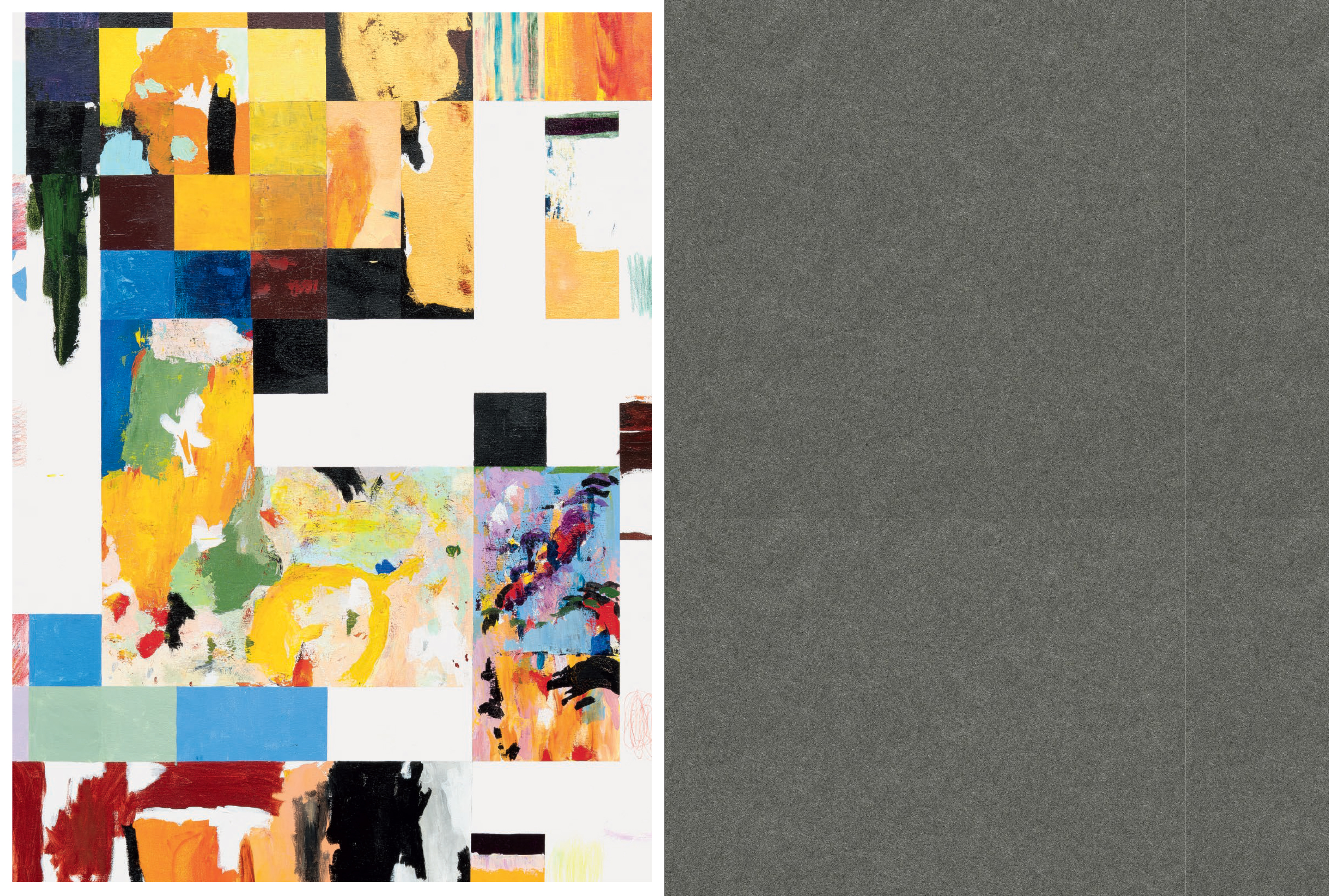
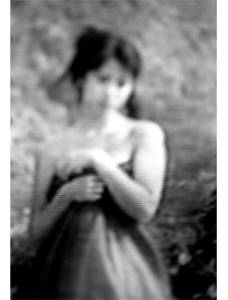
The first ever published monograph on Gus Van Sant's paintings brings together a wide overview of his works.
Sequenced in an achronological associative manner, the book presents different series vis-à-vis, focusing on recurring motifs and themes throughout different mediums, across his entire body of work.
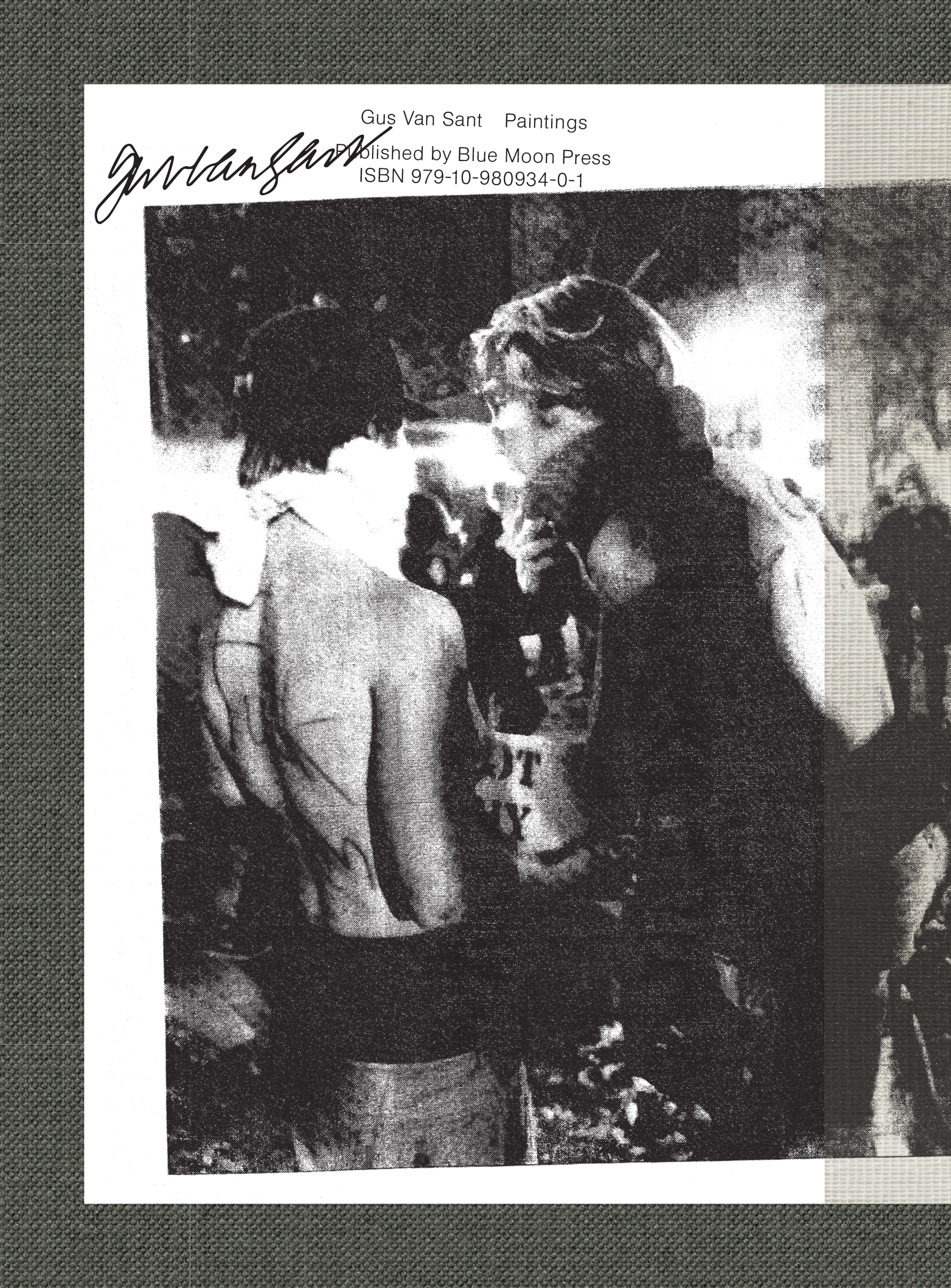
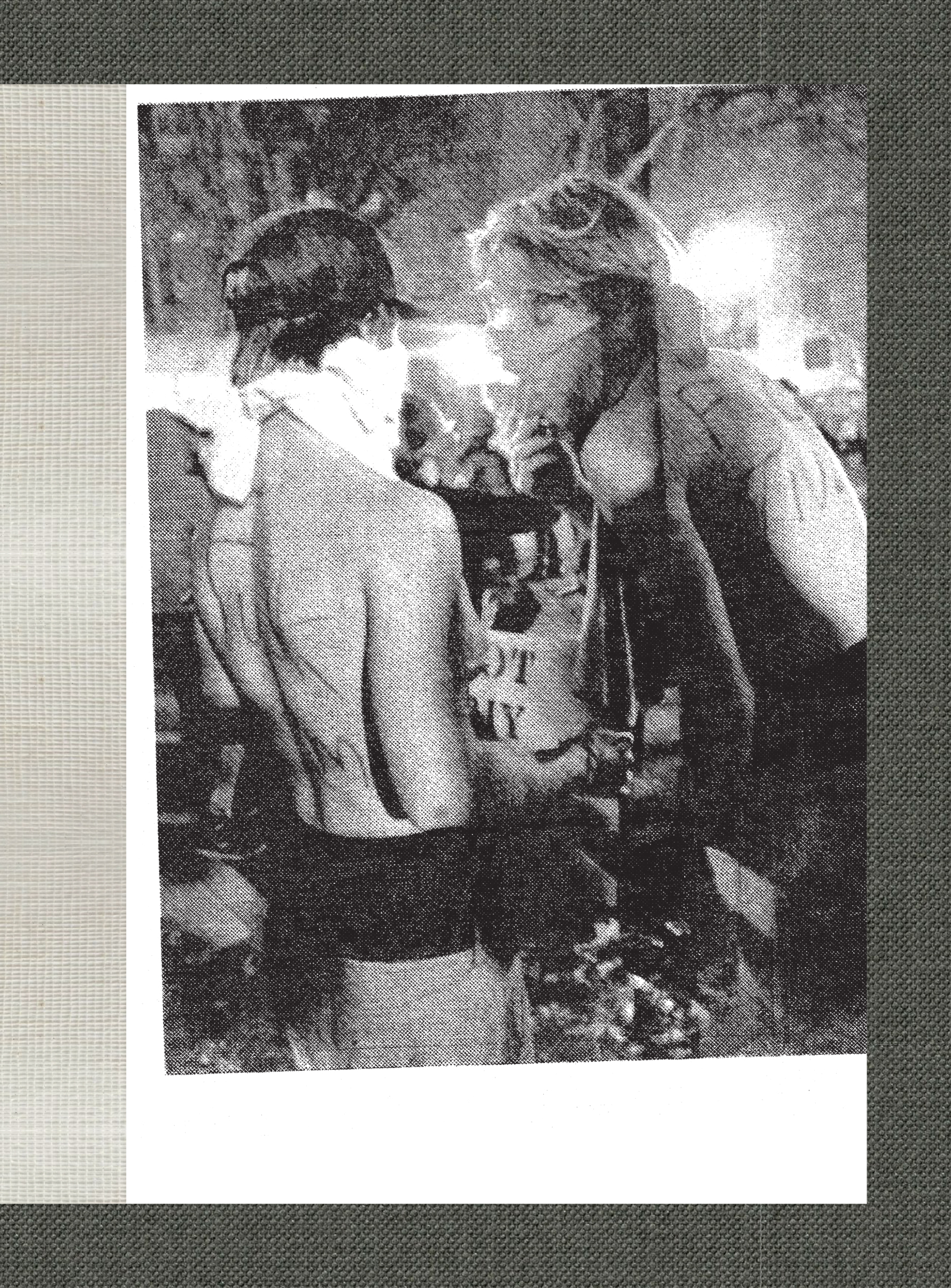
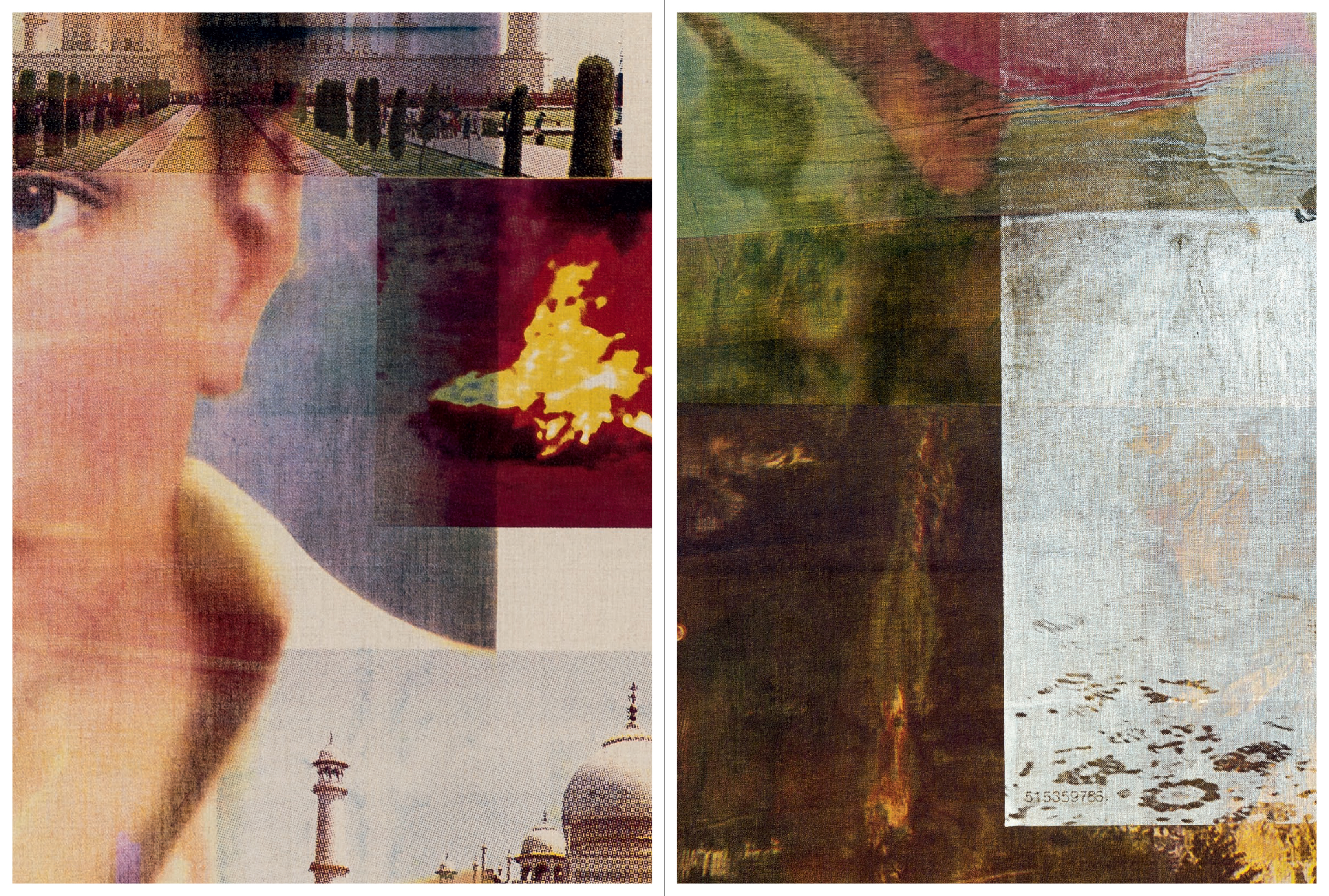
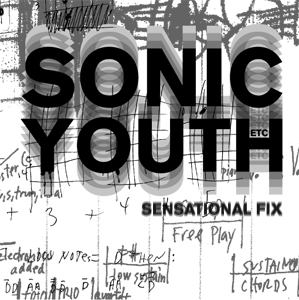
The hardcover of the publication is bound inside out, giving the suggestion of having been ripped off, flipped around, and now wrapping a "new" bookblock. The outside cover is two test screenprints (signed and stamped on the back), alluding to Gus Van Sant's painting practice as literally the flipside of his well known career in making movies.
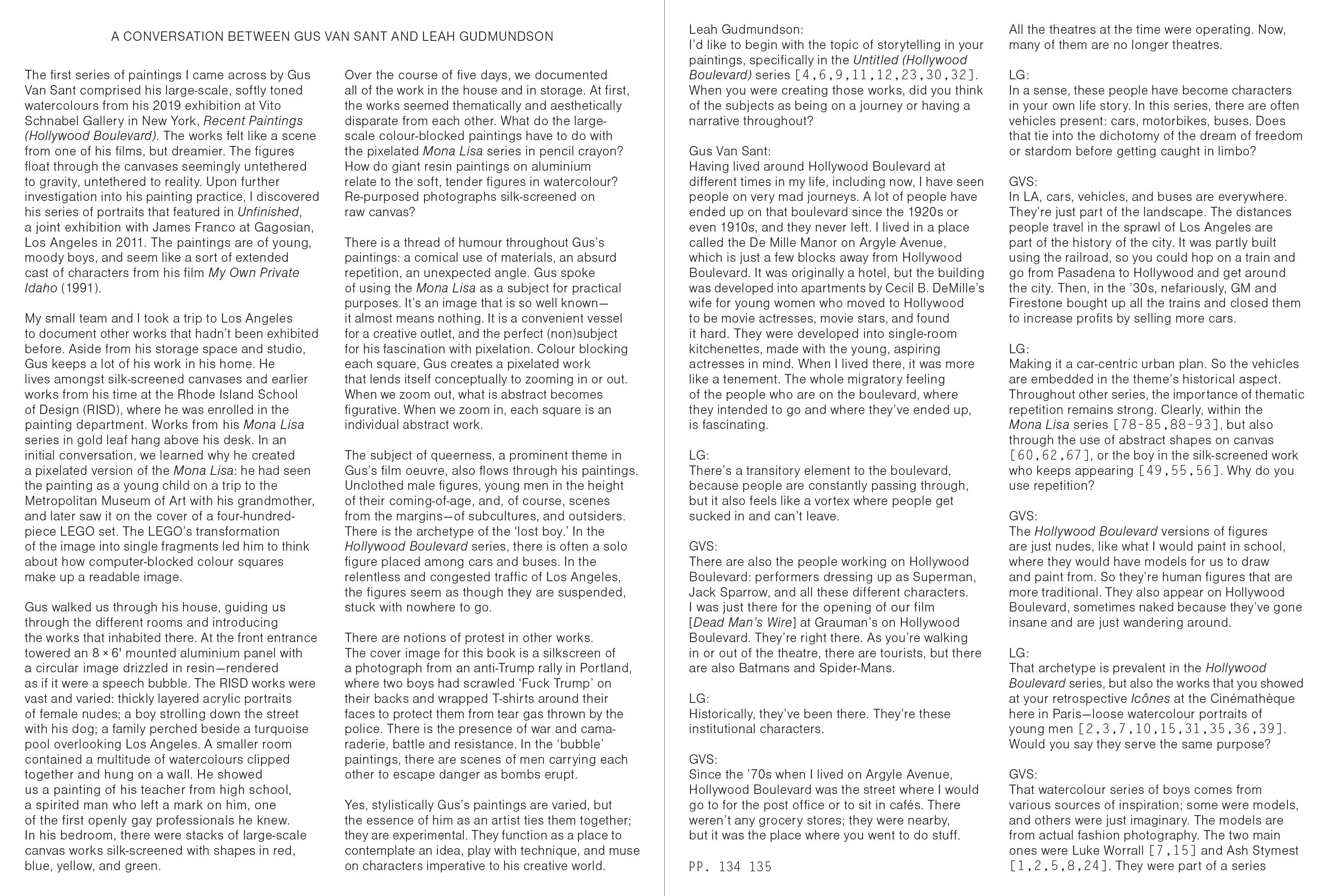
The book includes an essay by RISD professor Dennis Congdon entitled "Lightness in the paintings of Gus Van Sant", and a new interview with Van Sant conducted by Leah Gudmundson, offering a personal window into his practice. The result feels like an intimate project that offers a fuller view of Gus Van Sant's visual world beyond film.
Gus Van Sant (born 1952 in Louisville, Kentucky) is an artist and filmmaker revered for his films including Mala Noche (1986), Drugstore Cowboy (1989), My Own Private Idaho (1991), Good Will Hunting (1997), Elephant (2003), Milk (2008), Don't Worry, He Won't Get Far on Foot (2018), Dead Man's Wire (2025).
Creative from a young age, Gus Van Sant moved to the East Coast after high school, where he received his BFA from the Rhode Island School of Design in 1975. Throughout his career as a filmmaker, Van Sant maintained a painting practice. His early group exhibitions include Unfinished at Gagosian, Los Angeles (2011) and Not Sure at Le Case d'Arte, Milan (2017). Further major exhibitions include the retrospective Icône at the Cinémathèque Française in 2016 and solo shows, Recent Paintings (Hollywood Boulevard) (2019) and Mona Lisa (2021), with Vito Schnabel Gallery in New York and St. Moritz, respectively.
Edited by Leah Gudmundson.
Text by Dennis Congdon; conversation between Gus Van Sant and Leah Gudmundson.
Graphic design: Hannes Drißner.
published in January 2026
English edition
21,5 x 29 cm (hardcover, cloth binding)
144 pages (ill.)
ISBN : 979-10-980934-0-1
EAN : 9791098093401
sold out