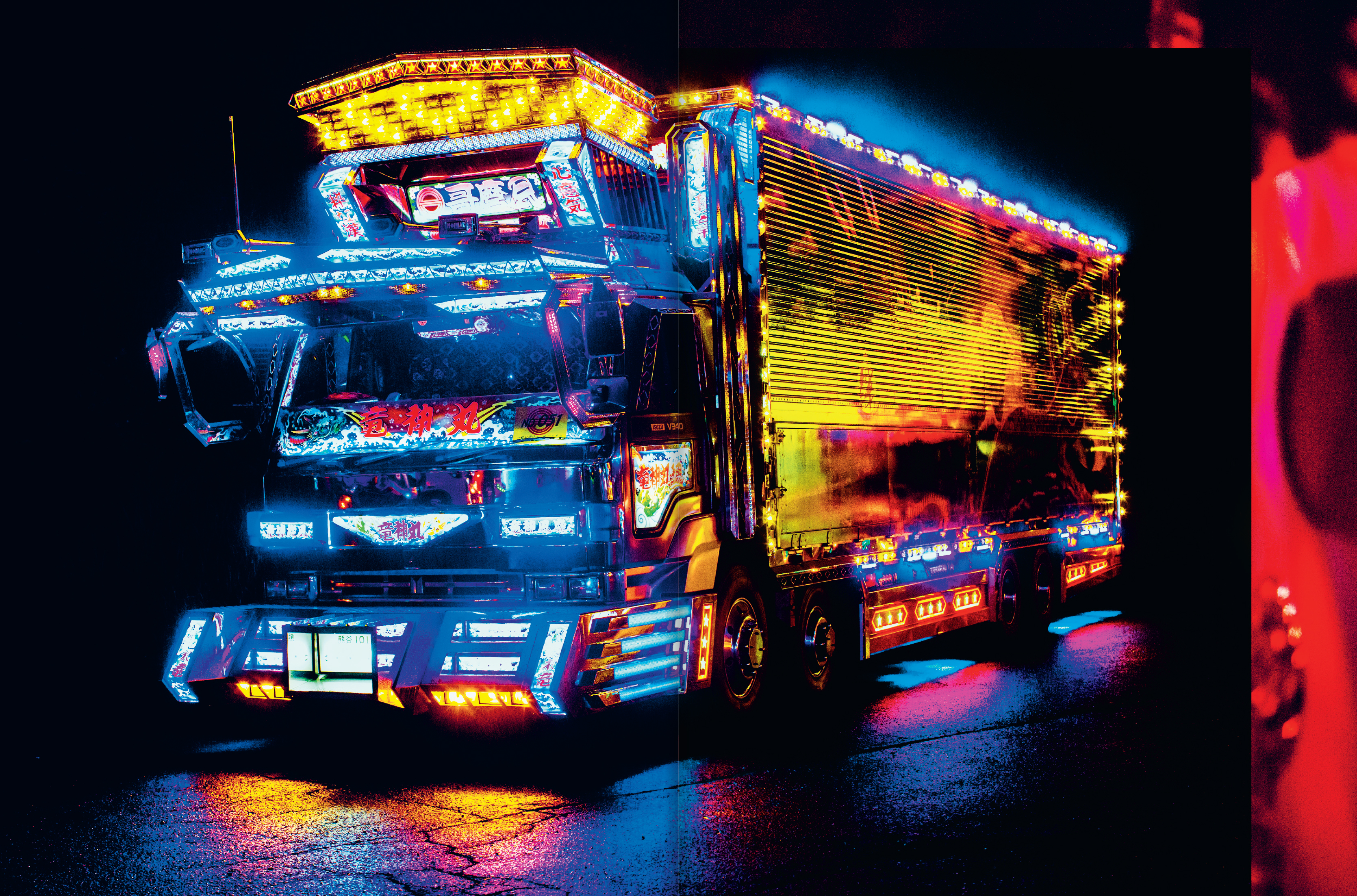
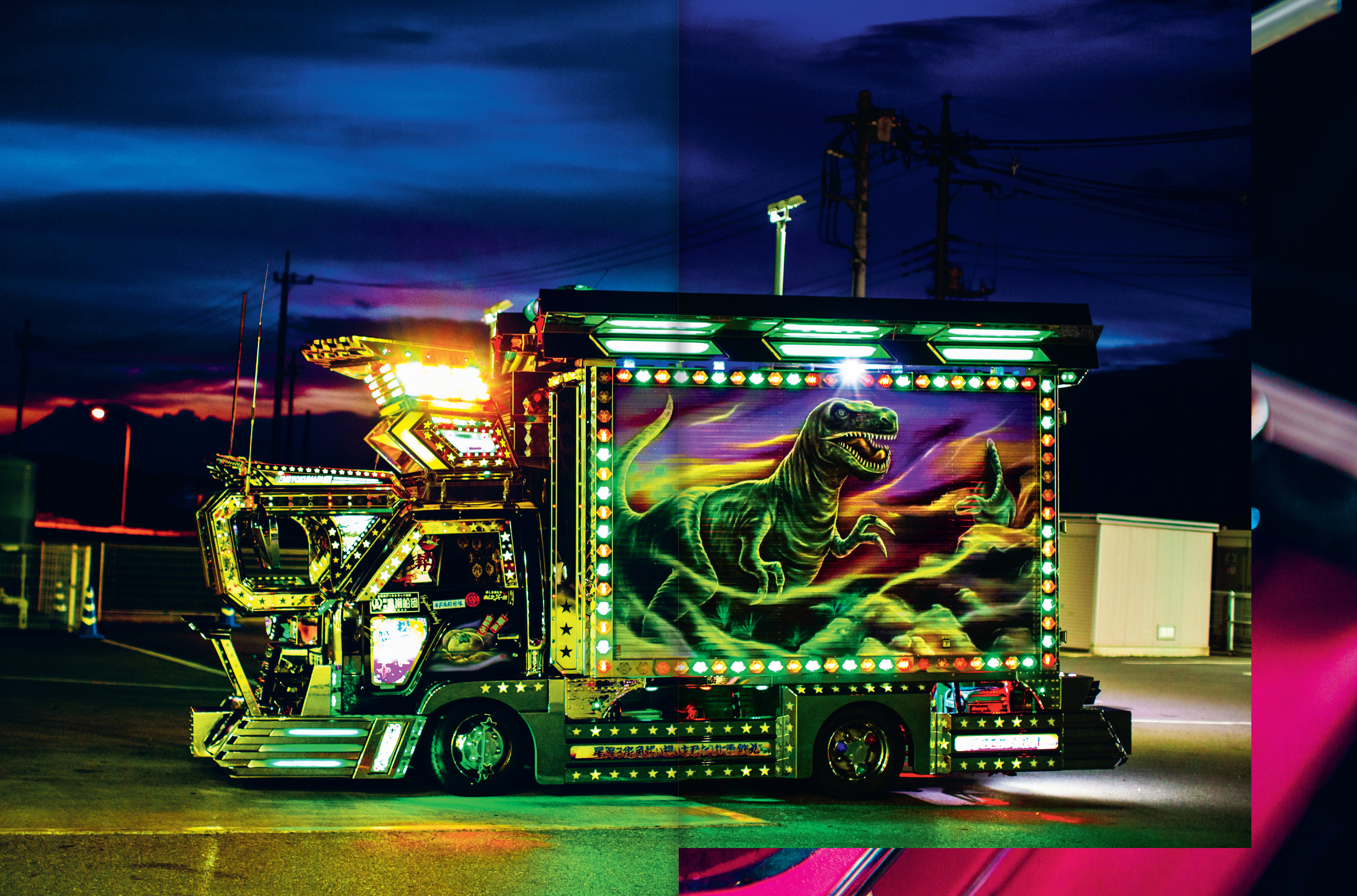
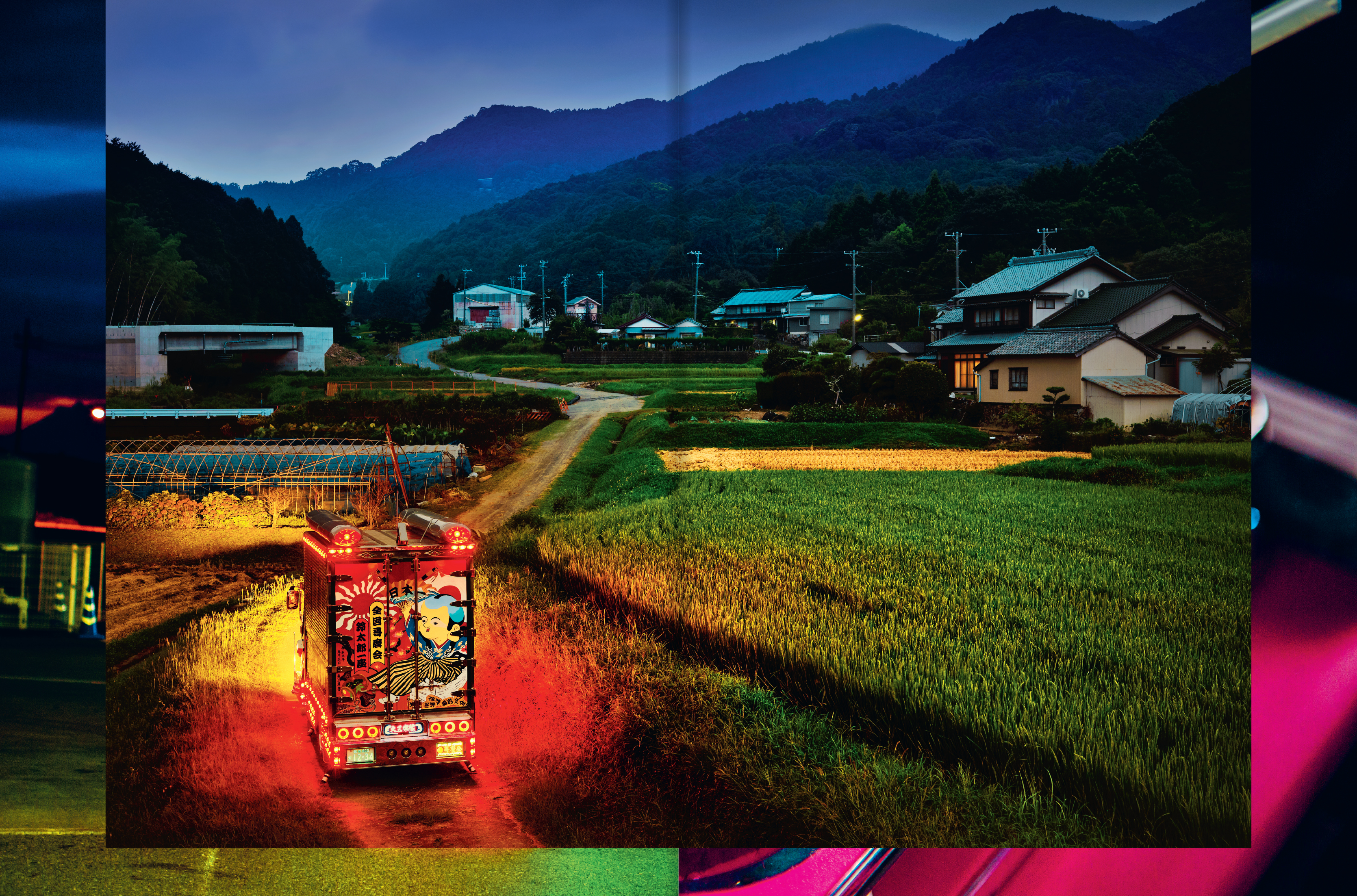
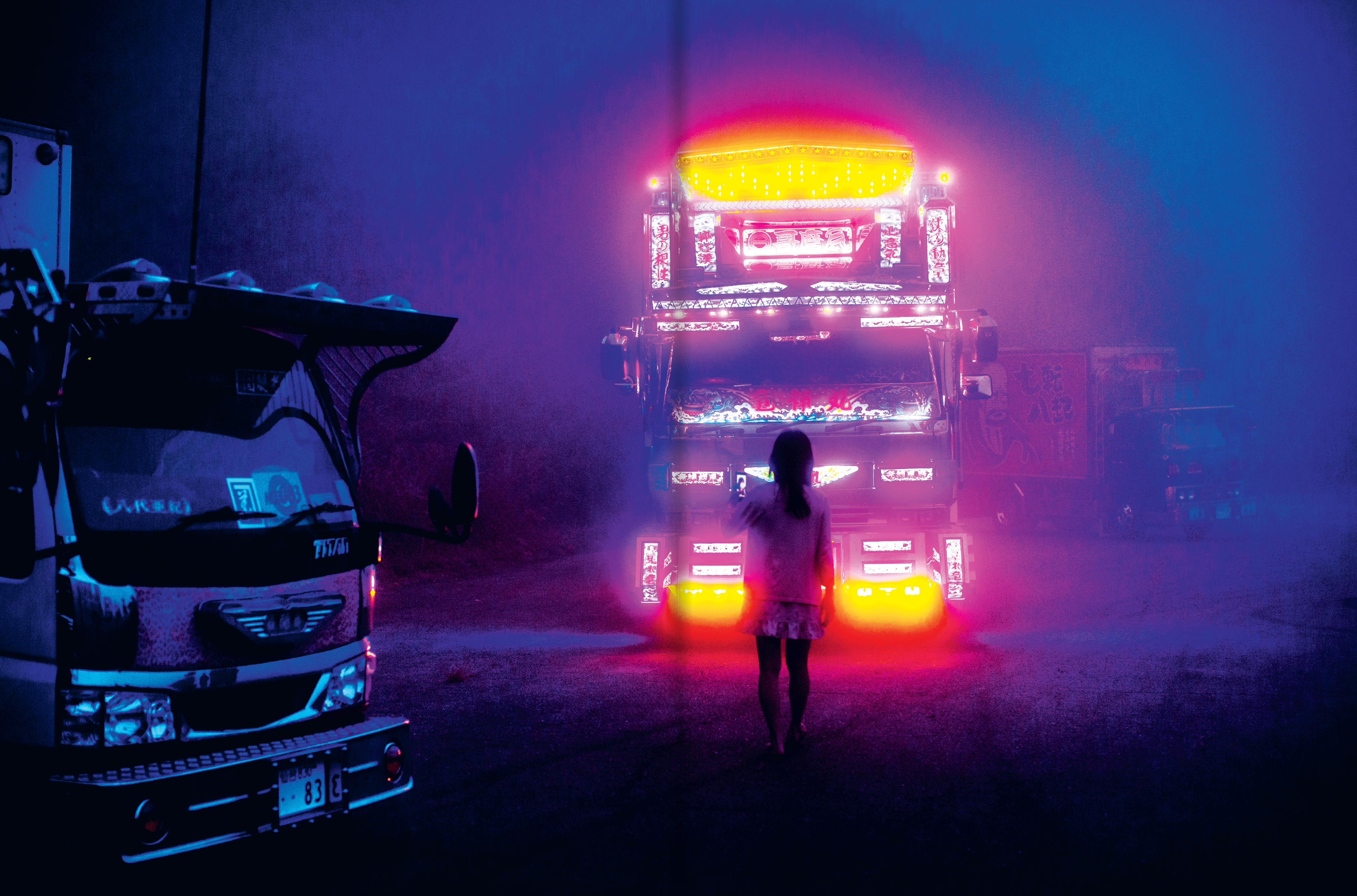
Photographer Julie Glassberg documents the misunderstood alternative culture based around brightly-coloured and neon-lit decorated trucks in Japan.
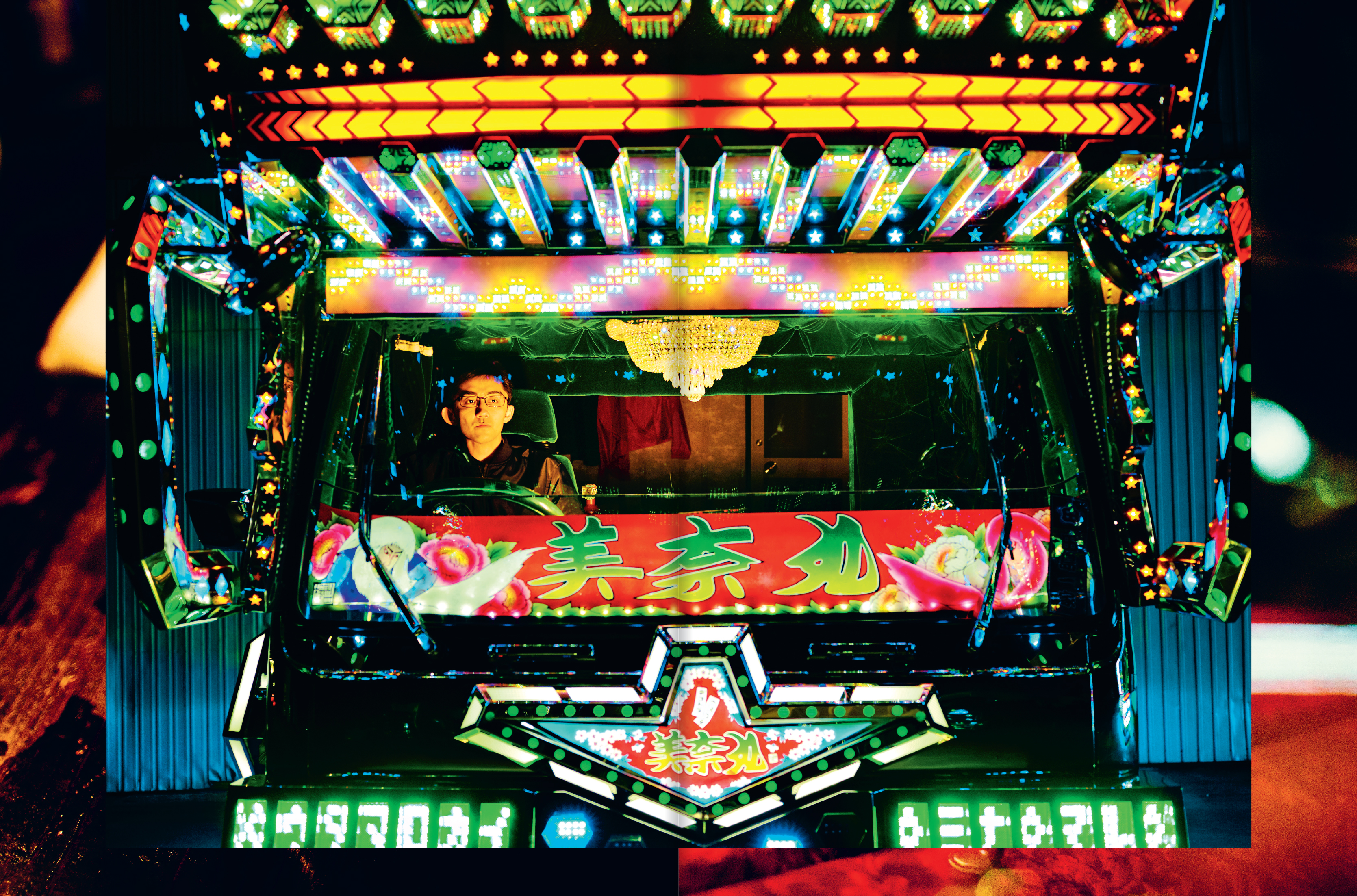
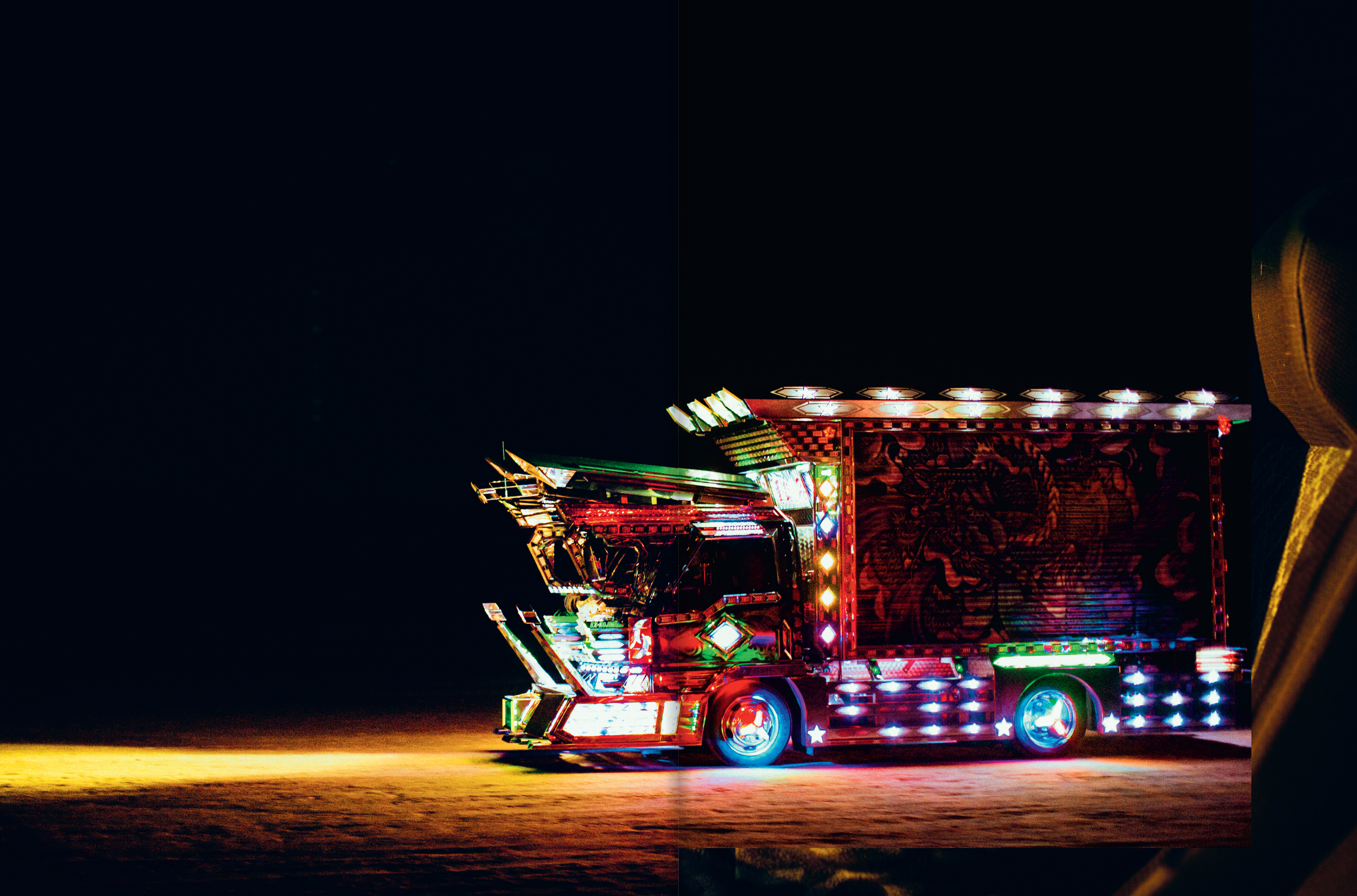
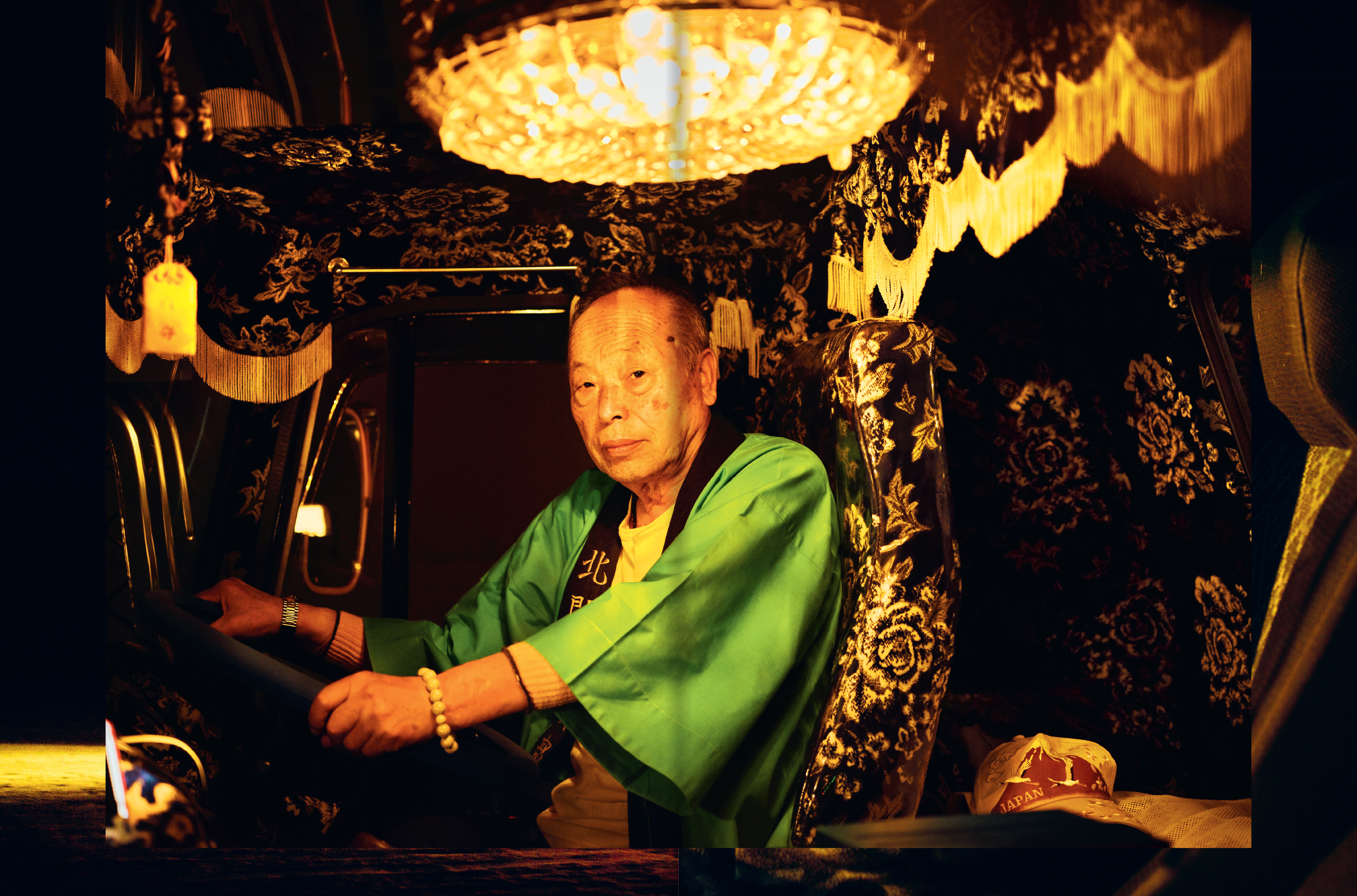
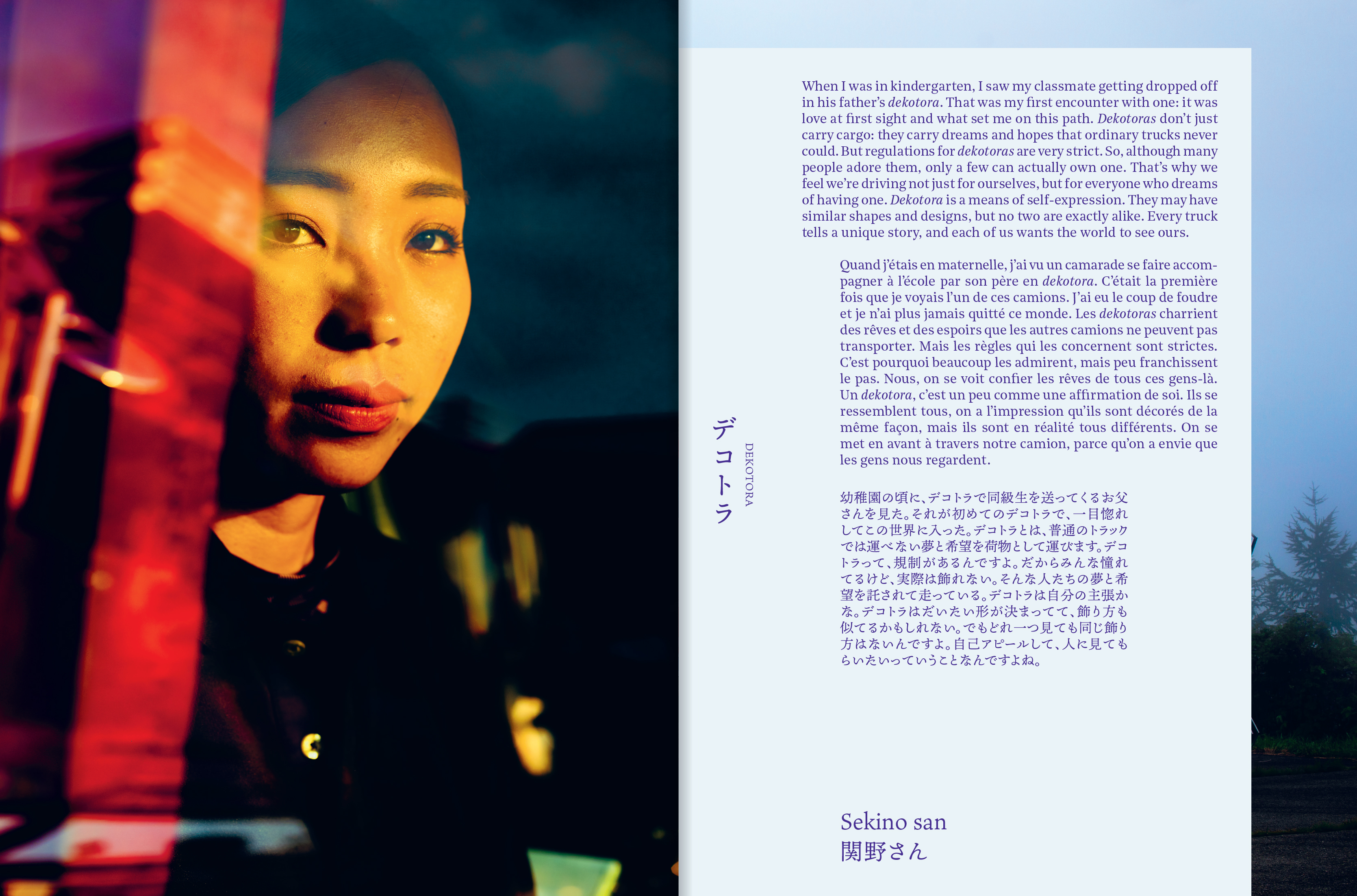
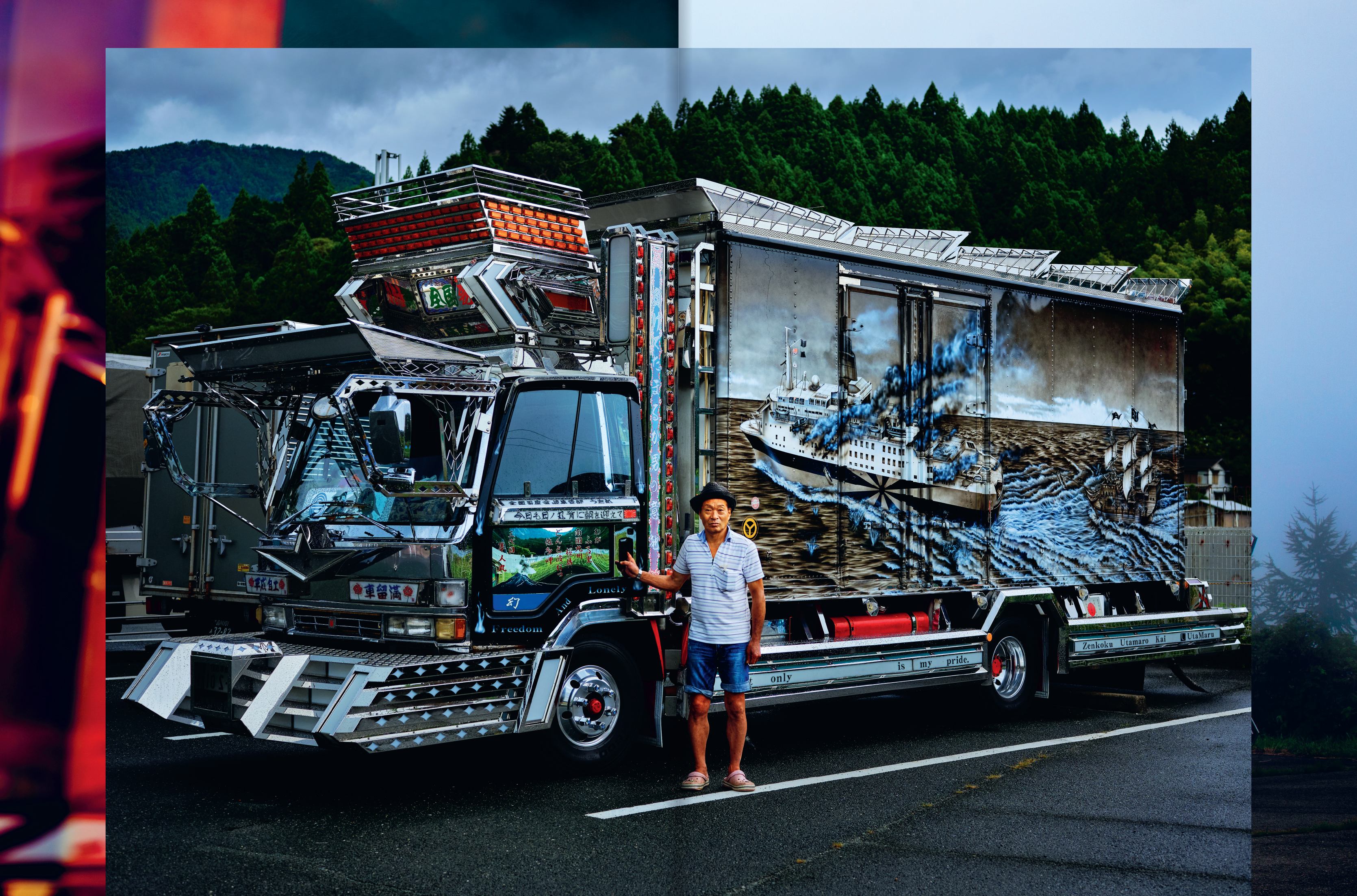
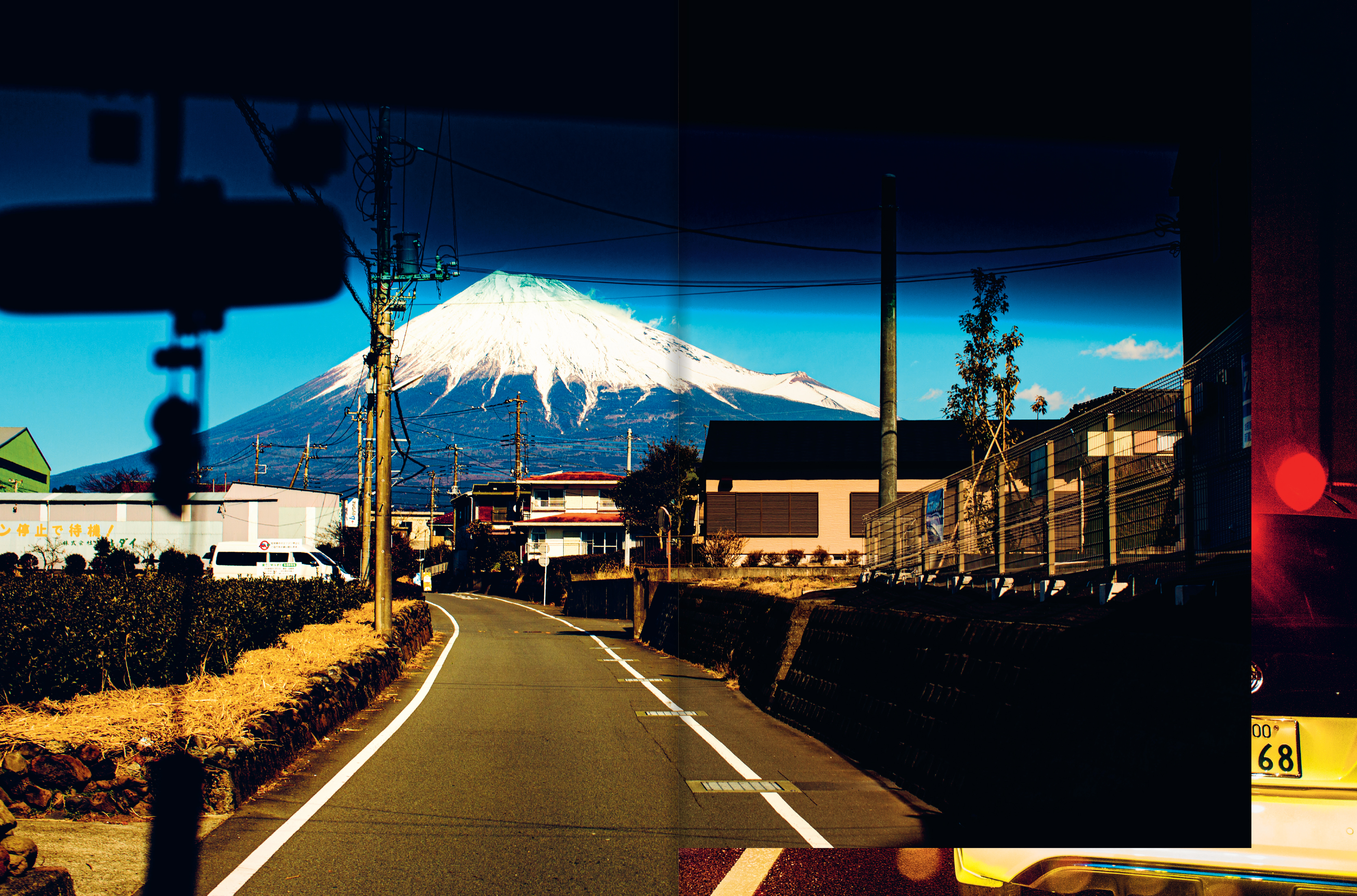
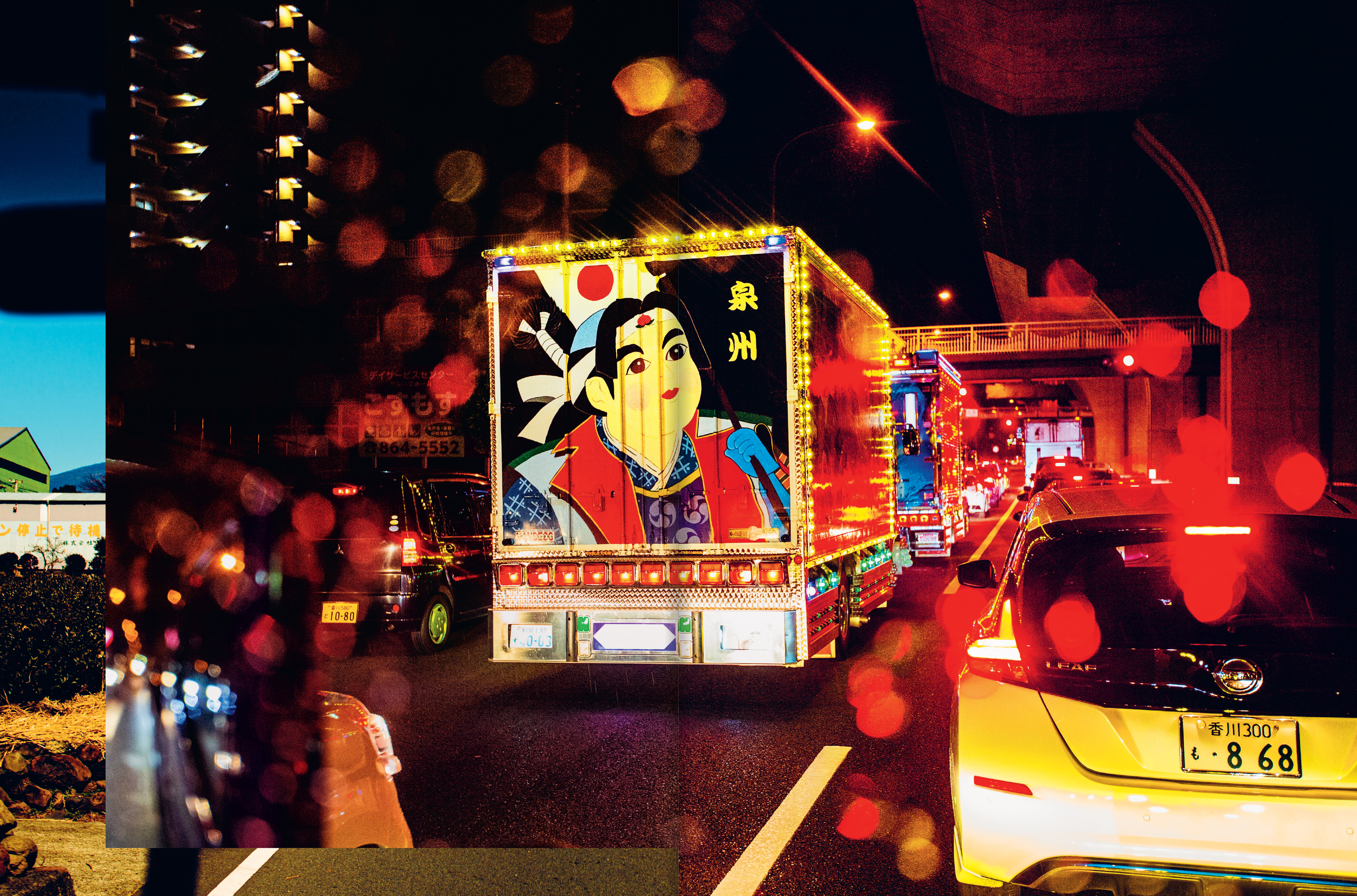
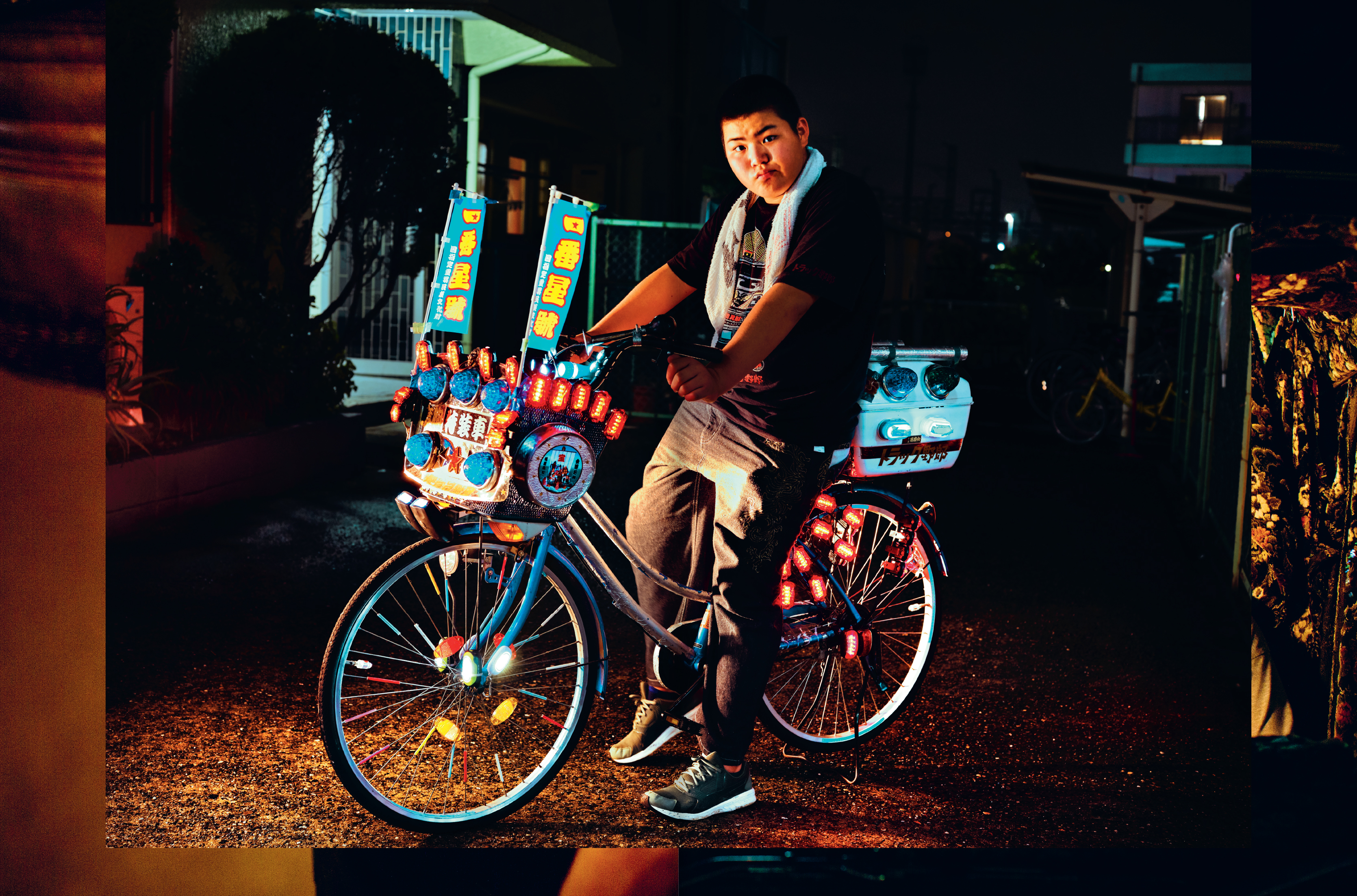
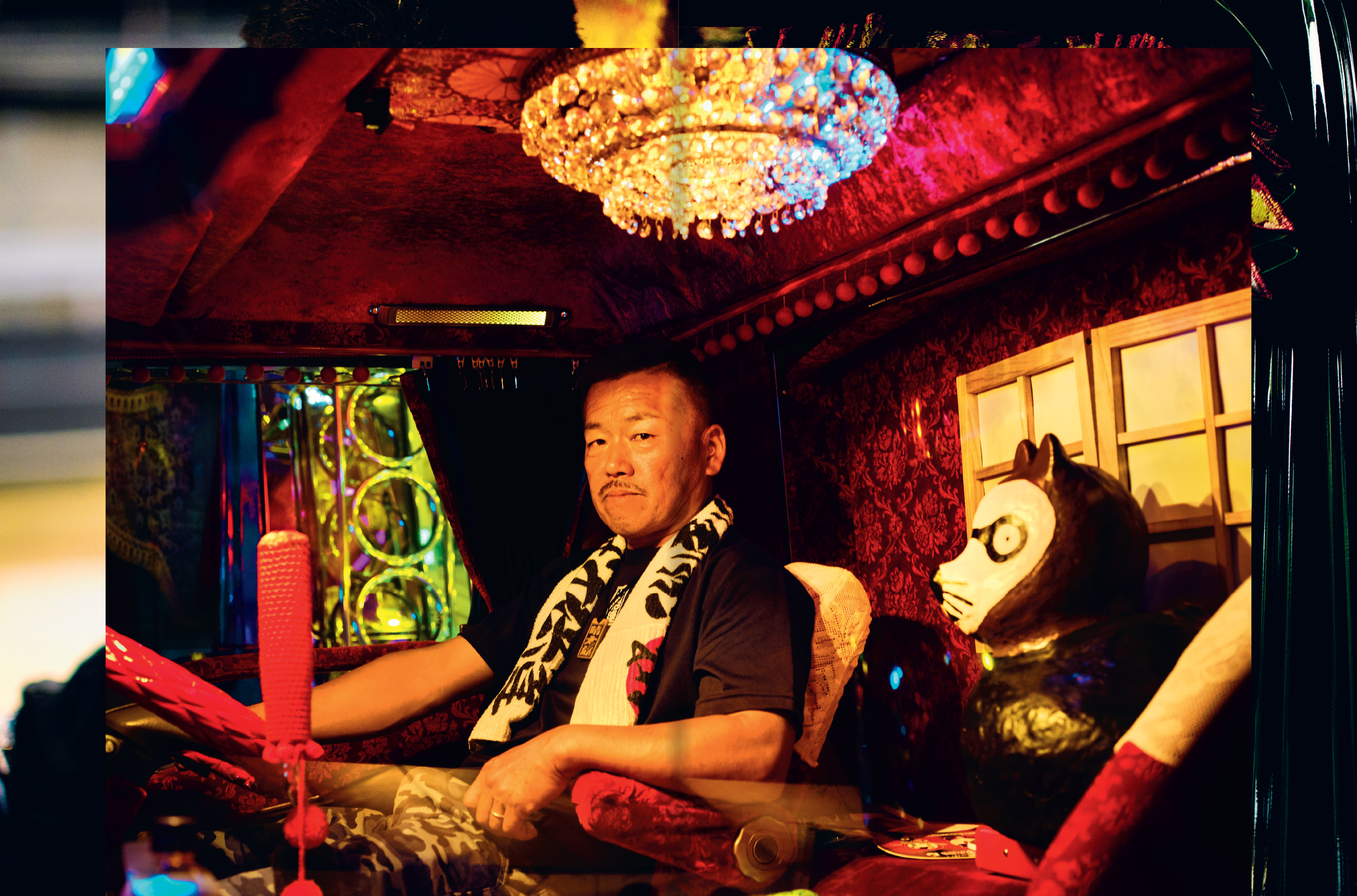
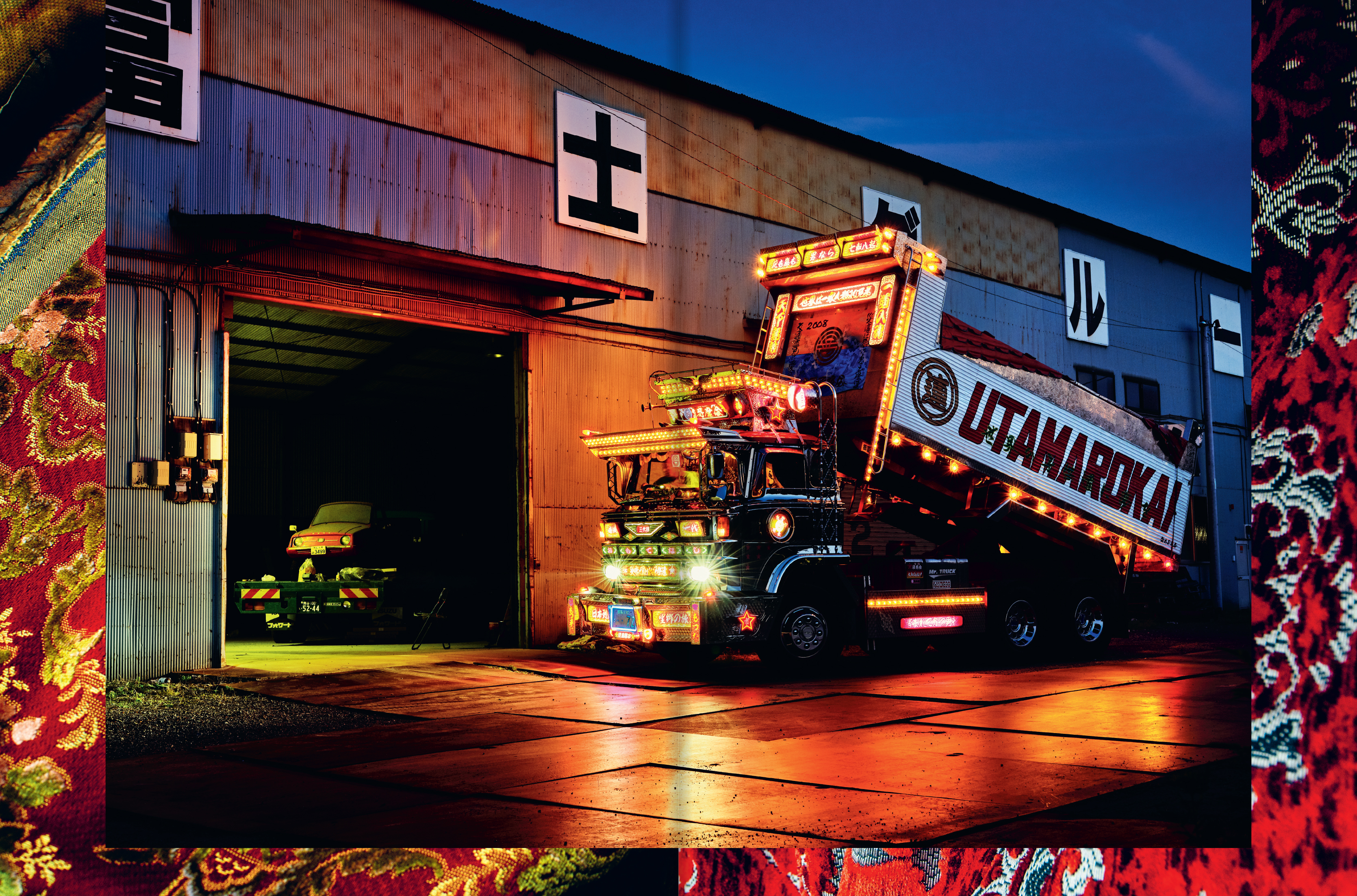
At first glance, it's a spectacle of vibrant colors and dazzlingly bright lights on extravagantly decorated trucks. Dekotora, short for "deko torakku" (i.e. decorated truck) is written off by mainstream Japanese society due to its association with "bad boys". But beneath the flashy surface lies a world shrouded in mystery and poetry.
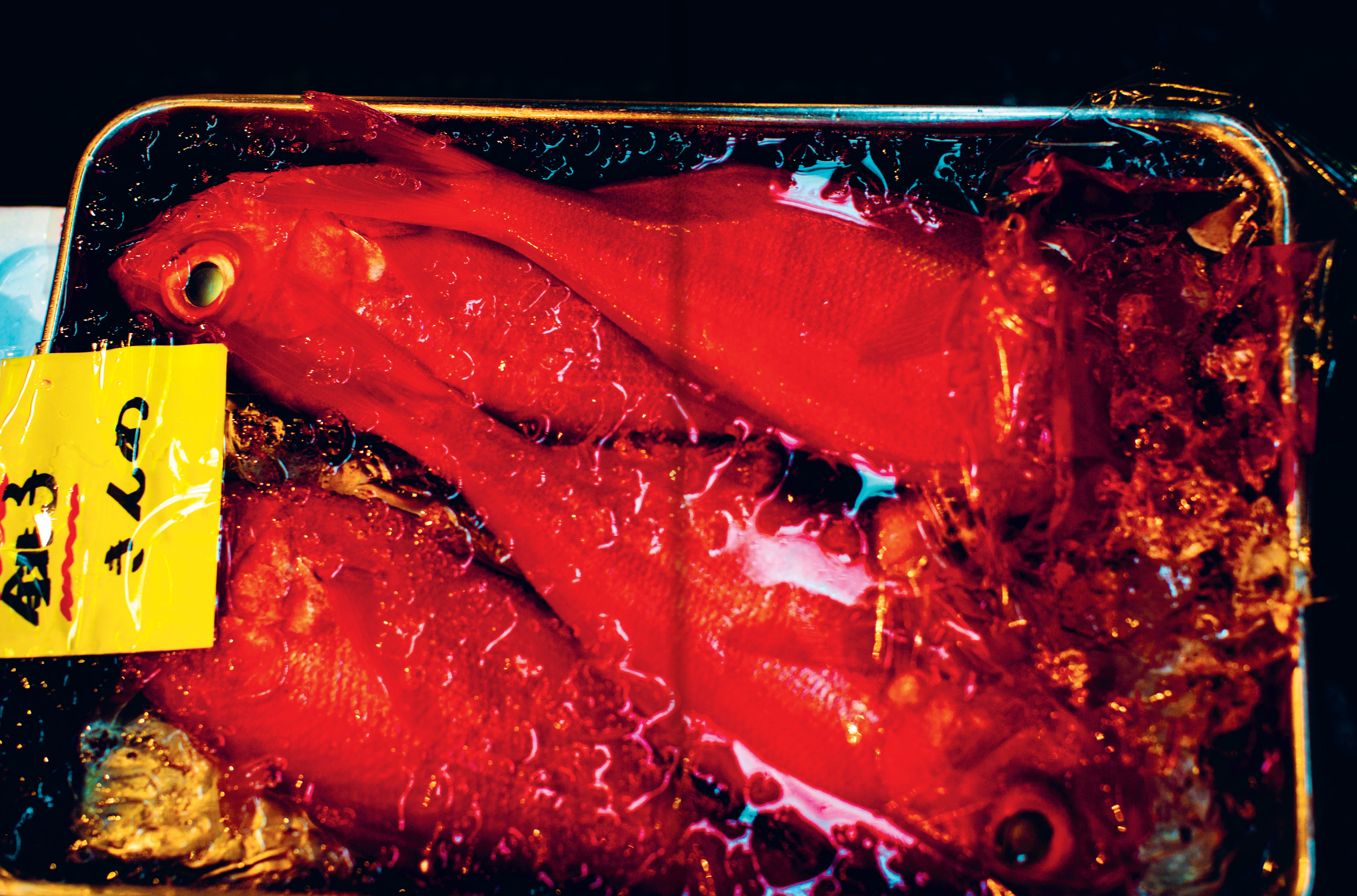
Dekotora first caught on in the late 1960s as a form of mobile advertising: a truck carrying fish from Hokkaido, for example, would sport a traditional painting showing its cargo and where it was from. Today, due to regulations prohibiting this form of decoration because of the disrepute of the Dekotora scene, these trucks are used only by a few small businesses, such as fish and flower delivery services.
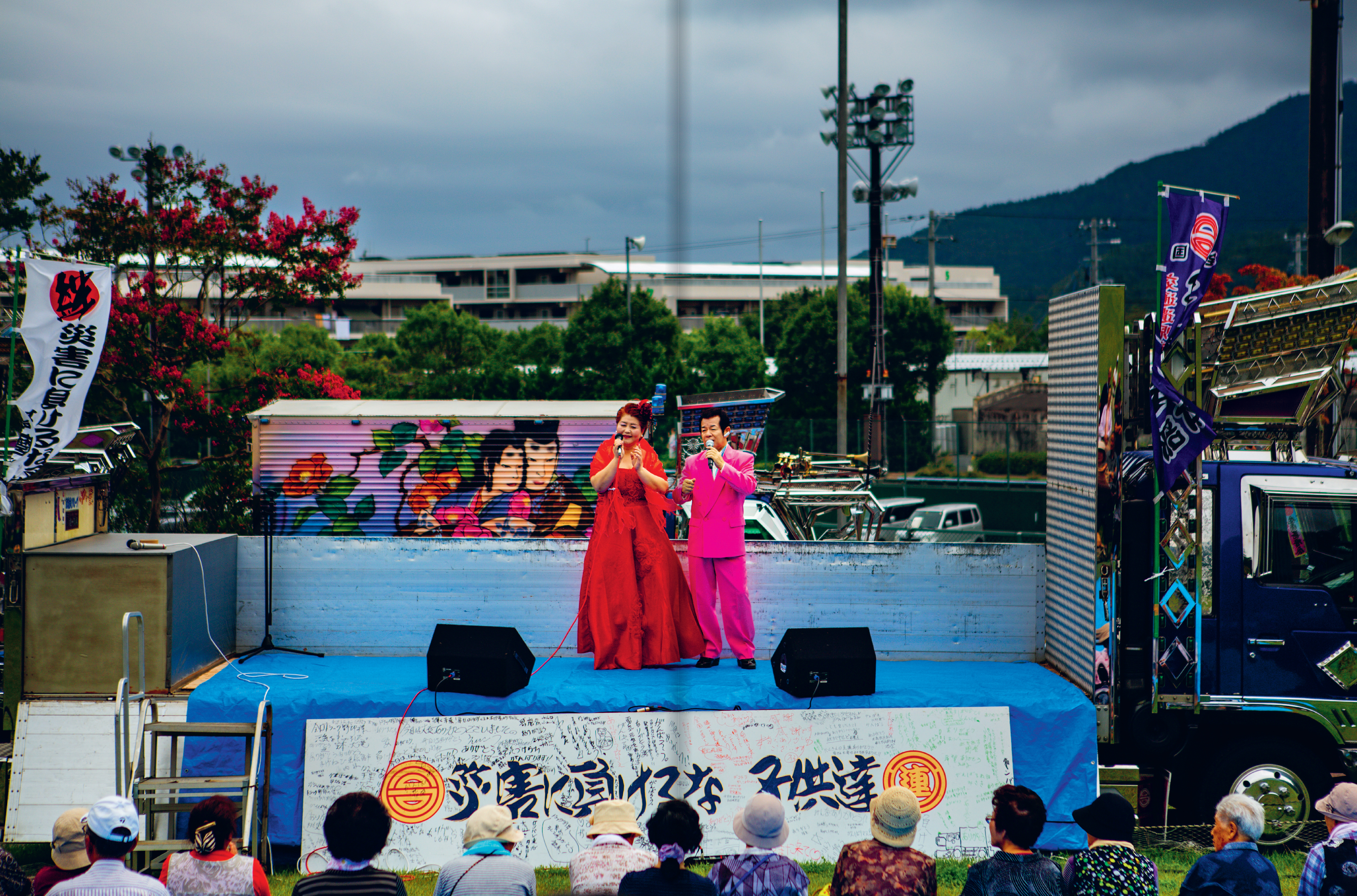
Although to all appearances a relatively exclusive community, its members frequently host public events where they proudly show off their creations on wheels. Often, these gatherings are fundraisers for charitable causes, such as aiding victims of the 2011 earthquake, many of whom are still suffering from its consequences.
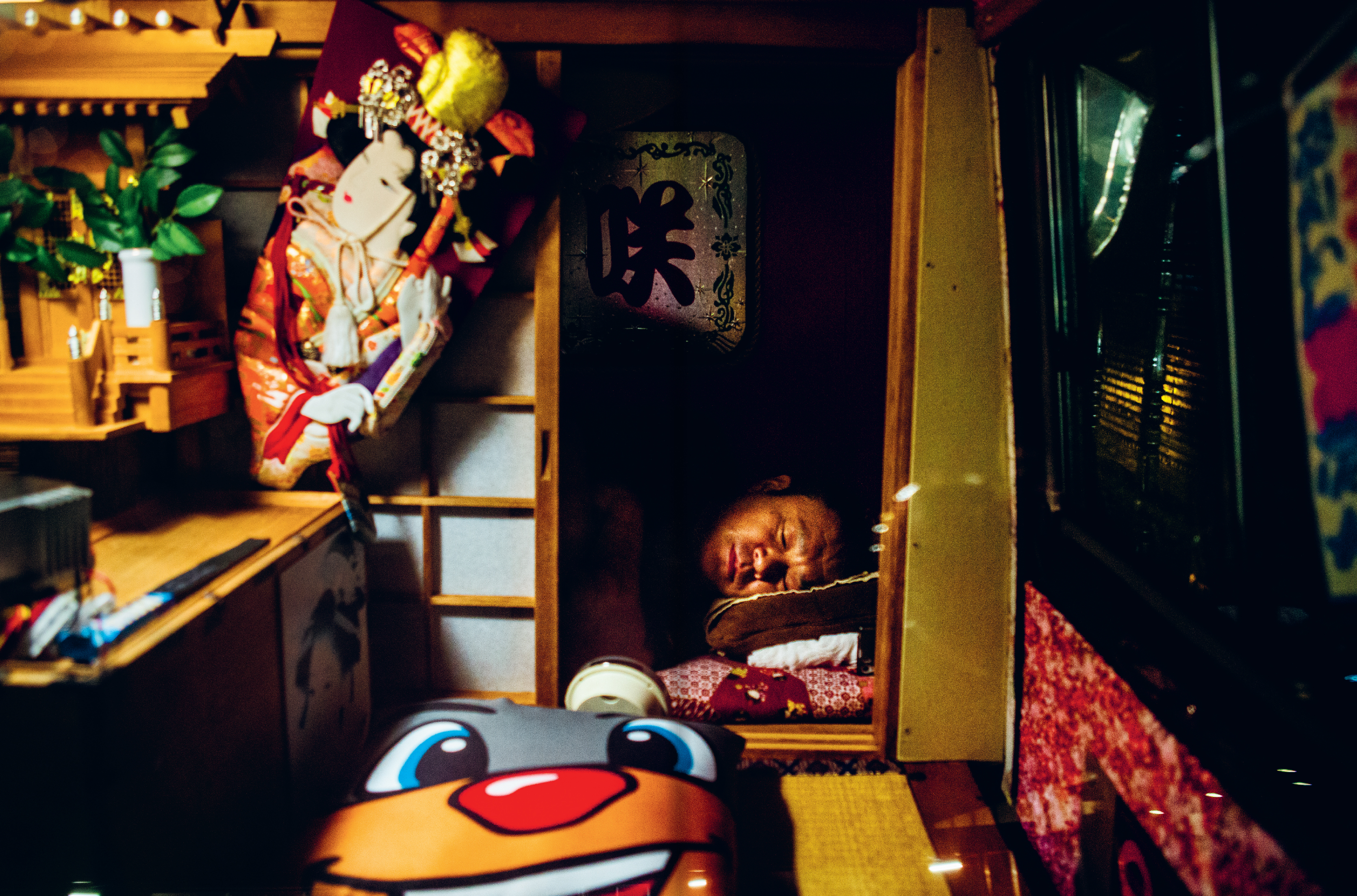
In a conversation with Japanese pop culture expert Kyoichi Tsuzuki, I gained a deeper understanding of Dekotora's cultural significance. Beyond its flashy exterior, Dekotora reflects a traditional Japanese aesthetic: like Japan's ornate hearses, tombs, temples and the sacred mikoshi palanquins used in Shinto festivals, it mirrors a penchant for elaborate decoration that is deeply ingrained in Japan's suburban and rural communities. It's a cultural echo of the past, of childhood memories that are rekindled by the sight of these garish juggernauts on the nation's highways and in iconic movies.
Julie Glassberg (born 1984) is a French photographer based in Paris. After studying graphic design, she moved to New York to dedicate herself fully to her passion, photography. Her work explores cultural diversity, subcultures, underground scenes, and individuals living on the margins of society.
For seven years, she collaborated regularly with The New York Times and, from 2011 to 2015, created the portraits for the weekly column Character Study alongside journalist Corey Kilgannon. Her photographs have also appeared in publications such as The New York Times Magazine, Le Monde, The Wall Street Journal, El País Semanal, Stern View, L'Équipe Magazine, ESPN, among others. She later spent a year in Japan developing new projects and collaborations with local artists, followed by a six-month residency at the Swatch Art Peace Hotel in Shanghai.
Her work has received several awards and grants, including the Lucie Scholarship Emerging Grant, the Getty Images Grant for Editorial Photography, a POYi Award of Excellence, and an International Photography Award.