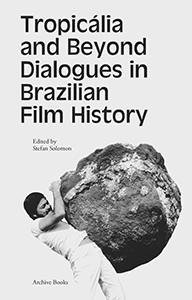
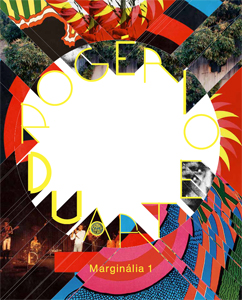
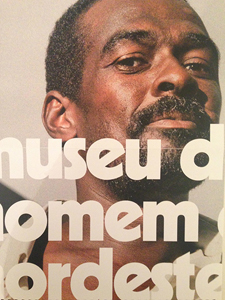
Although the short-lived Brazilian cultural movement known as Tropicália is most commonly associated with music and the visual arts, its sense of playfulness and strategies of appropriation have stimulated many of the country's filmmakers from the 1960s to the present. This richly illustrated publication features essays, interviews, and manifestos with many key filmmakers and scholars reflecting on Tropicália's influence on Brazilian cinema.
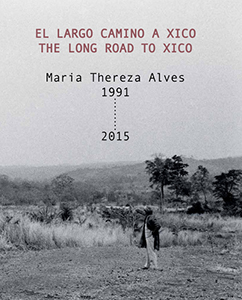
The catalogue is the first comprehensive survey about the works and projects by the Brazilian artist and activist, spanning 1991 until 2015. It also includes unpublished artist's text by Alves, and essays by Pedro de Llano and T. J. Demos.
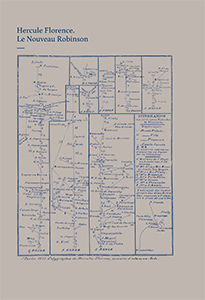
Through a series of scientific contributions and archives, this publication recounts the extraordinary character that was Hercule Florence—an explorer, an inventor and an artist, considered one of the inventors of photography.
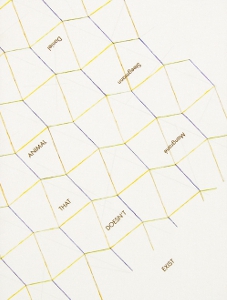
The first monograph of Daniel Steegmann Mangrané spanning his entire work to-date. Structured around keywords defining the artist's practice, this illustrated edition also features reprinted literary texts.
A dialogue between two singular appropriations of the concept of cannibalism at two key historical moments: a new translation of Oswald de Andrade's cult poem, advocating the symbolic ingestion of the colonizer and his culture, faced with an analysis by Suely Rolnik of a perverted contemporary cannibalism experience in the context of financial capitalism.